Other Plant Material Woven Fishing Net
CN → USProduct Images
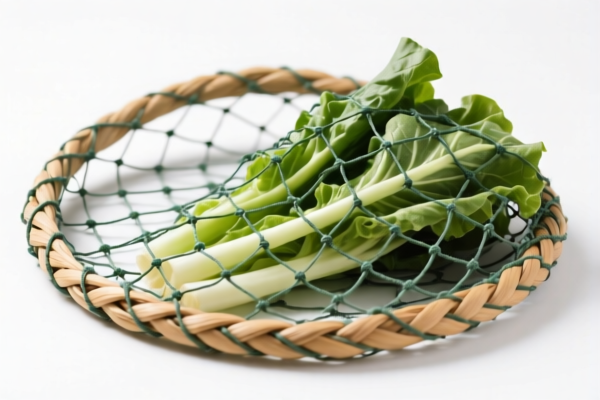
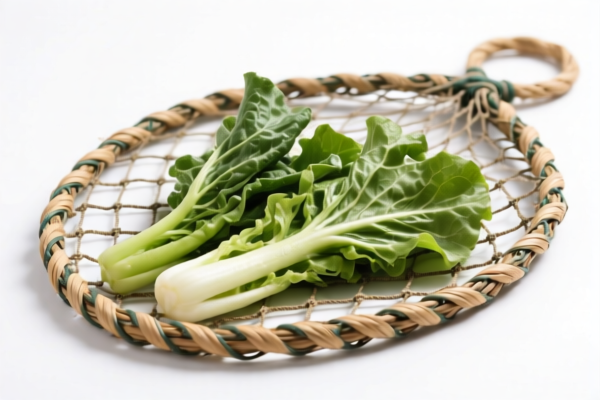
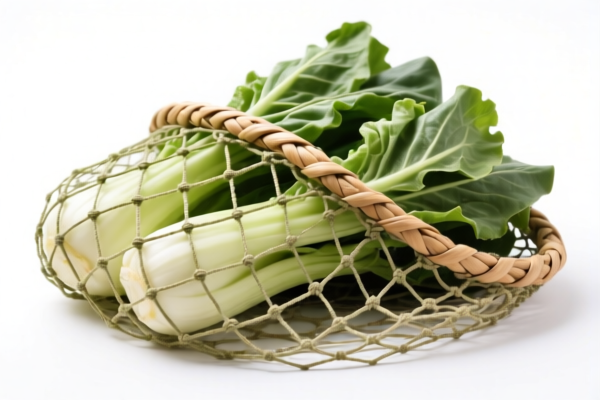
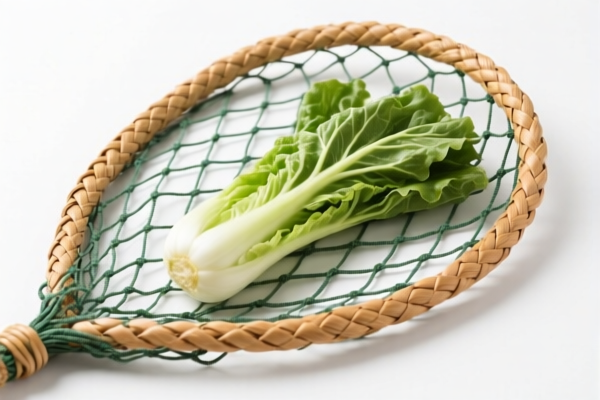
AI Analysis
🕸️ Other Plant Material Woven Fishing Net
🌐 HS Code Reference & Customs Clearance Guide | 2026 Latest Tariff Analysis | Professional Trade Strategy
📌 I. Product Definition & Classification: What Exactly is "Other Plant Material Woven Fishing Net"?
Fishing nets made from plant materials (such as jute, coir, sisal, hemp, or bamboo fibers) are distinct from synthetic fiber nets (nylon, polyethylene, polypropylene). In international trade, these are classified under Chapter 46 (Plaits and plaiting materials; basketwork, wickerwork and other articles).
Key Distinction:
Synthetic Nets: Classified under Chapter 56 or 60 (e.g., 5608.19).
Plant-Based Nets: Classified under 4601 or 4602, depending on whether they are plaits/materials or finished manufactured articles.
⚠️ Critical Classification Point:
- If the net is woven from plaited strips of vegetable material → HS 4601.99
- If the net is a finished fishing net article made of woven plant fibers → HS 4602.19
- Note: Most commercial "plant-based fishing nets" are considered finished articles rather than raw plaits, so 4602 is the most common accurate classification.
📦 II. HS Code Classification Details (2026 Official Tariff)
| HS Code | Product Description | Applicable Scenario | Material Type |
|---|---|---|---|
4601.99.90 |
Other Plaits and Plaiting Materials, Woven | Raw woven strips of jute/coir, not yet formed into a net structure | ✅ Plant Fiber (Jute, Sisal, Coir) |
4602.19.00 |
Other Woven Vegetable Material Articles | Finished fishing nets, baskets, mats made of plant fibers | ✅ Plant Fiber (Jute, Sisal, Coir) |
5608.19.90 |
Nets of Twine, Cordage, or Rope, of Other Textile Materials | Synthetic or Animal fiber nets (NOT plant-based) | ❌ Not Plant |
4601.10.00 |
Plaits of Vegetable Materials | Unwoven plaiting materials (raw form) | ✅ Plant Fiber |
4602.11.00 |
Wickerwork, Basketwork, etc., of Bamboo | Bamboo-specific woven goods | ✅ Bamboo |
4602.12.00 |
Wickerwork, Basketwork, etc., of Vegetable Plaiting Materials | Coconut coir, jute plait articles | ✅ Jute/Coir |
🔍 Key Reminder:
- "Other Plant Material" implies materials other than bamboo, rattan, or reed (which have subheadings). Common materials include Jute (黄麻), Sisal (剑麻), Coir (椰壳纤维), and Hemp (麻).
- If the net is made of synthetic fibers but coated with plant resin, it remains a synthetic net (5608), not a plant net.
- Finished Article vs. Material: A net ready for fishing use is an article (4602). Unwoven woven strips are materials (4601).
💰 III. 2026 Latest Tariff Rate Details (US Market Focus)
✅ Applicable Country: United States (US)
✅ Country of Origin: China (CN)
✅ Effective Time: 2026 Tariff Schedule
🎯 1. 4602.19.00 —— Woven Vegetable Material Articles (Finished Plant Fishing Nets)
| Item | Content |
|---|---|
| Base Duty Rate | 0% (General Ad Valorem for most vegetable articles) |
| USITC Additional Duty (301) | 0% (Most 4602 codes are exempt from Section 301 tariffs, but verify specific HTS) |
| IEEPA Additional Duty | 0% (Not typically targeted under recent IEEPA orders for agricultural/plant waste products) |
| Total Duty Rate | 0% |
| Tax Calculation | CIF Value × 0% = $0 |
| De Minimis Eligibility | ✅ Yes (If value < $800) |
| Legal Authority Path | HTSUS:4602.19.00 → Section II: Vegetable Products |
📌 Explanation:
- Plant-based fishing nets are often considered low-tech, renewable, and eco-friendly.
- Unlike synthetic plastics or high-tech electronics, vegetable material articles generally enjoy duty-free status or very low rates in most jurisdictions, including the US.
- However: If the net is mixed with synthetic fibers (>50% by weight), it may be reclassified under 5608, triggering 6.5%–12% duties and 25% Section 301 tariffs.
🎯 2. 4601.99.90 —— Other Plaits and Plaiting Materials (Raw Woven Plant Strips)
| Item | Content |
|---|---|
| Base Duty Rate | 3.5% |
| USITC Additional Duty (301) | 0% |
| IEEPA Additional Duty | 0% |
| Total Duty Rate | 3.5% |
| Tax Calculation | CIF Value × 3.5% |
| De Minimis Eligibility | ✅ Yes (If value < $800) |
📌 Explanation:
- Raw woven plaits are subject to a nominal 3.5% duty.
- No punitive tariffs apply to pure plant-based plaiting materials under current US trade policy.
🛠️ IV. Customs Clearance Practical Advice (Real-World Pitfall Guide)
✅ 1. Required Documentation Checklist
| Document | Must Provide | Notes |
|---|---|---|
| ✅ Product Specification Sheet | ✔️ | Detail fiber type (Jute, Coir, etc.), mesh size, net length, width, and weight. |
| ✅ Material Composition Proof | ✔️ | Critical! Must state 100% Plant Fiber or % breakdown. Avoid ambiguity like "eco-friendly" without proof. |
| ✅ Product Photos | ✔️ | Clear images of the net, texture, and labels. Show it is woven, not knitted or stitched with synthetic thread. |
| ✅ Commercial Invoice | ✔️ | Describe as "Woven Jute Fishing Net" or "Coir Plant Fiber Net". Avoid generic "Net". |
| ✅ Packing List | ✔️ | Indicate gross/net weight. |
| ✅ Certificate of Origin (CO) | ✔️ | To prove country of origin for any potential FTAs (though rates are 0% anyway, it helps clearance). |
✅ 2. Declaration Strategy (Key Tips)
🔥 "Be Specific: Name the Plant, Not Just 'Net'"
| Scenario | Correct Declaration | Incorrect Declaration | Consequence |
|---|---|---|---|
| 100% Jute Net | "Woven Jute Fiber Fishing Net" | "Fishing Net" | Risk of misclassification to 5608 (synthetic) → Higher duty + penalty |
| Mixed Material (50% Jute, 50% Nylon) | "60% Nylon, 40% Jute Woven Net" | "Plant Material Net" | Reclassified to 5608 → 25% tariff + 6.5% duty |
| Raw Woven Strips | "Woven Plaiting Material of Jute" | "Fishing Net" | Incorrect use case → Customs may reject or reclassify |
✅ 3. Special Cases & Handling
| Case | Handling Advice |
|---|---|
| Mixed Material Nets | If >50% synthetic fiber, do not classify under 4602. Use 5608.19.90 and prepare for 25% Section 301 tariff. |
| Anti-Dumping Check | Verify if Jute Products from China face anti-dumping duties (rare for fishing nets, but check HTS). |
| Eco-Friendly Marketing | Even if "eco-friendly", physical composition determines HS code. Do not rely on marketing claims. |
| Bamboo vs. Other Plants | Bamboo nets go to 4602.11.00. Other plant fibers (jute, sisal) go to 4602.19.00. |
🌍 V. Global Customs Comparison (2026)
| Country/Region | Recommended HS Code | Duty Rate (China Origin) | Certification | Notes |
|---|---|---|---|---|
| 🇺🇸 USA | 4602.19.00 |
0% | None required | No Section 301 on pure plant articles |
| 🇪🇺 EU | 4602.19.00 |
0% | CE (if reusable) | Eco-friendly appeal in EU market |
| 🇨🇳 China | 4602.19.00 |
0% | None | Export-friendly |
| 🇯🇵 Japan | 4602.19.00 |
5% | None | Slight duty applies |
| 🇦🇺 Australia | 4602.19.00 |
5% | None | Standard duty |
📌 Conclusion:
- USA and EU offer 0% duty for pure plant-based fishing nets.
- Risk: Misdeclaration as "synthetic net" leads to 25%+ tariffs.
- Opportunity: Market as "Biodegradable & Sustainable" to appeal to eco-conscious buyers, especially in Europe.
📌 VI. Common Errors & Pitfalls (Blood & Tears Lessons)
❌ Error 1: Labeling a synthetic net as "Plant Material" to avoid tariffs.
👉 Consequence: Customs inspection reveals polyester lining → 25% penalty + back taxes + fraud charges.
❌ Error 2: Using "Fishing Net" as the only description without specifying material.
👉 Consequence: Customs assumes synthetic (5608) by default → 25% tariff applied unnecessarily.
❌ Error 3: Mixing Jute and Nylon threads but declaring as 100% Jute.
👉 Consequence: Rejected at border → Demurrage fees + storage costs.
✅ Correct Practice:
"100% Natural Jute Woven Fishing Net, Mesh Size: 50mm, Length: 100m, Biodegradable, HTS: 4602.19.00"
🎯 VII. Conclusion: Eco-Friendly, Duty-Free, But Precision is Key
🎯 Remember:
🔹 "Plant Net = 0% Duty (USA/EU)"
🔹 "Synthetic Net = 25% Duty (USA)"
🔹 "Mixed Net = High Risk of Reclassification"
🔹 "Always Declare Fiber Composition!"
📌 Pro Tip:
If you are exporting 100% plant-based fishing nets, emphasize "Biodegradable," "Sustainable," and "Eco-Friendly" in marketing. This not only helps with 0% duty but also attracts premium buyers in Europe and North America who are moving away from plastics.
📣 Immediate Action:
📞 Consult Customs Broker with material test reports.
🚀 Accurate HTS = Lower Cost + Faster Clearance.
✨ Precision Classification Saves Money!
💼 Every percent of duty matters in global trade!
Customer Reviews
About HS Code Classification
The Harmonized System (HS) is an internationally standardized nomenclature developed by the World Customs Organization (WCO) to classify traded products. Over 200 countries use the HS system as the basis for customs tariffs, trade statistics, and import/export regulations.
Each HS code follows a hierarchical structure:
- Chapter (2 digits) — Broad category of goods (e.g., Chapter 84: Machinery and Mechanical Appliances)
- Heading (4 digits) — More specific grouping within the chapter
- Subheading (6 digits) — Internationally standardized breakdown, used by all WCO member countries
- National subdivisions (8-10 digits) — Country-specific extensions for further classification, such as US HTSUS 10-digit codes
Correct HS code classification is essential for smooth customs clearance, accurate duty payment, and compliance with trade regulations. Misclassification can lead to customs delays, overpayment of duties, or penalties.
When importing from CN to US, the applicable tariff rates may include:
- Most-Favored-Nation (MFN) rate — The standard duty rate applied to WTO members
- General rate — Applied to countries without trade agreements
- Trade remedy duties — Additional tariffs such as Section 301 (anti-dumping), Section 232 (national security), or countervailing duties
The information provided on this page is for reference purposes only. For official classification, please consult with your local customs authority or a licensed customs broker.