Other Plastic Agricultural Film
CN → US| HS Code | Tariff Rate | Origin | Destination | Doc |
|---|---|---|---|---|
| 8485200000 | 38.1% | CN | US | Official Doc |
| 3921904010 | 39.2% | CN | US | Official Doc |
| 3921905010 | 39.8% | CN | US | Official Doc |
Product Images
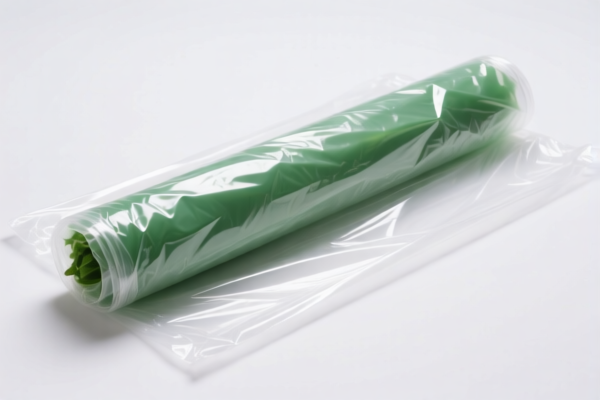

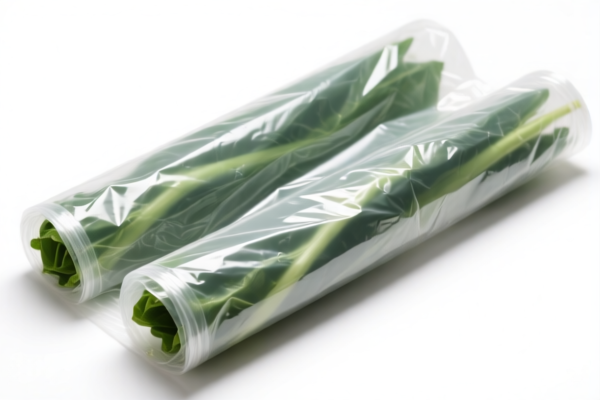
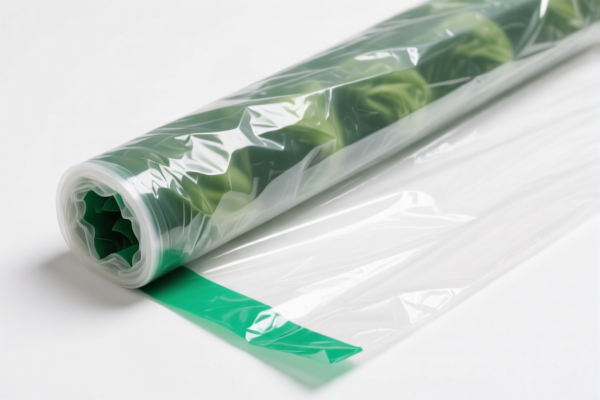
AI Analysis
🚜 Other Plastic Agricultural Films (Agritex/Sheeting)
🌐 HS Code Reference & Customs Clearance Guide | 2026 Latest Tariff Analysis | Strategic Entry Strategy
📌 I. Product Definition & Classification: What Exactly Are "Other Plastic Agricultural Films"?
In international trade, "Other Plastic Agricultural Films" generally refer to plastic sheets, membranes, or foils used for agronomic purposes (such as mulch, greenhouse covers, or silage wrap) that do not fit into the primary "plastic bags" or "paper-backed" categories. They are typically made of polyethylene (PE), polyvinyl chloride (PVC), or Ethylene-Vinyl Acetate (EVA).
Key Distinctions: * Laminated Films: Multiple layers of plastic bonded together (e.g., UV-stabilized outer layer + inner adhesive layer). * Single-Layer Sheets: Solid plastic sheets/rolls without complex lamination or paper reinforcement. * Not "Plastic Bags": These are distinct from sacks or bags used for packaging fertilizer/seeds (which fall under different headings like 3923.20).
⚠️ Critical Classification Point:
- If the product is a laminated structure (multiple plastic layers) → HS 8485.20.00.00
- If the product is a solid sheet/film (single or composite but not "laminated" in the specific tariff sense) → HS 3921.90.xxxx
📦 II. HS Code Classification Details (2026 Tariff Authority Match)
Based on the provided data <DATA>, here are the precise classifications for "Other Plastic Agricultural Films":
| HS Code | Product Description (Summary) | Key Characteristics |
|---|---|---|
| 8485.20.00.00 | Other laminated plastic films Material: Plastic Form: Film Category: Other |
Applies if the film consists of multiple layers of plastic materials laminated together. |
| 3921.90.40.10 | Other plastic plates, sheets, film, foil, and strips Material: Plastic Form: Film Reinforcement: Unspecified/Paper-less |
Applies to solid plastic sheets/films where paper reinforcement is not the primary feature. |
| 3921.90.50.10 | Plastic plates, sheets, film, foil, and strips Material: Plastic Form: Film Enhancement: Not specifically limited |
Applies to plastic films/plates that do not fall under the specific "laminated" or "paper-reinforced" sub-categories. |
🔍 Important Note:
- 8485.20.00.00 is specifically for Laminated structures. If your ag-film is a single extruded layer, do NOT use this code. - 3921.90.40.10 and 3921.90.50.10 are for non-laminated plastic sheets/films. The distinction between these two often depends on specific national sub-headings (e.g., whether it is "other" vs. "unspecified reinforcement").
💰 III. 2026 Latest Tariff Rate Breakdown (Including Surcharges & Policy Add-ons)
✅ Applicable Country: United States (US)
✅ Origin: China (CN)
✅ Effective Time: Current rates apply (based on provided data)
🎯 1. HS Code: 8485.20.00.00 —— Laminated Plastic Films
| Item | Detail |
|---|---|
| Base Tariff (MFN) | 3.1% |
| Section 301 Surcharge | 25.0% |
| Section 122 Tariff | 10.0% |
| Total Tax Rate | 38.1% |
| Tax Calculation | CIF Value × 38.1% |
| De Minimis Exemption | ❌ Not Applicable (High value goods subject to full duties) |
📌 Explanation:
- 3.1% Base: Standard Most Favored Nation (MFN) duty for laminated plastics. - 25.0% Section 301: Additional duty on Chinese goods under US Trade Act Section 301. - 10% Section 122: Additional duty under International Emergency Economic Powers Act (IEEPA) Section 122 (specific to certain strategic materials, often applied to plastics/chemicals depending on current enforcement). - Total: 38.1% is a significant cost factor.
🎯 2. HS Code: 3921.90.40.10 —— Other Plastic Sheets/Films (Unspecified Paper)
| Item | Detail |
|---|---|
| Base Tariff (MFN) | 4.2% |
| Section 301 Surcharge | 25.0% |
| Section 122 Tariff | 10.0% |
| Total Tax Rate | 39.2% |
| Tax Calculation | CIF Value × 39.2% |
| De Minimis Exemption | ❌ Not Applicable |
📌 Explanation:
- 4.2% Base: Slightly higher base duty for "other" plastic plates/sheets. - 25.0% Section 301: Same Section 301 surcharge. - 10% Section 122: Same Section 122 surcharge. - Total: 39.2%. This is the highest base rate among the three, due to the specific sub-heading for "unspecified paper reinforcement."
🎯 3. HS Code: 3921.90.50.10 —— Plastic Sheets/Films (No Specific Enhancement Limit)
| Item | Detail |
|---|---|
| Base Tariff (MFN) | 4.8% |
| Section 301 Surcharge | 25.0% |
| Section 122 Tariff | 10.0% |
| Total Tax Rate | 39.8% |
| Tax Calculation | CIF Value × 39.8% |
| De Minimis Exemption | ❌ Not Applicable |
📌 Explanation:
- 4.8% Base: The highest base duty in this dataset, applying to plastics that do not fit specific enhancement categories. - 25.0% Section 301: Same Section 301 surcharge. - 10% Section 122: Same Section 122 surcharge. - Total: 39.8%. Highest total tariff among the options. Avoid this code unless necessary.
🛠️ IV. Customs Clearance Practical Advice (Avoid Pitfalls)
✅ 1. Documentation Checklist (Essential for Ag-Films)
| Document | Required? | Explanation |
|---|---|---|
| Product Specification Sheet | ✔️ | Must state: Material (PE/EVA/PVC), Thickness (microns/mils), Width, Length, Color, UV Stabilization status. |
| Commercial Invoice | ✔️ | Clearly state "Plastic Agricultural Film" and HS Code. Avoid vague terms like "Plastic Wrap." |
| Packing List | ✔️ | Detail rolls, weight, and dimensions. |
| Certificate of Origin (CO) | ✔️ | Essential for proving Chinese origin (to assess correct 301/122 duties). |
| Photo of Product/Label | ✔️ | Show product label with material composition. |
| Usage Declaration | ✔️ | Confirm it is for Agricultural Use (not industrial packaging or bags). |
✅ 2. Classification Strategy (Key Rules)
🔥 Golden Rule: "Lamination vs. Single Layer"
| Scenario | Correct HS Code | Total Tax | Common Mistake |
|---|---|---|---|
| Multi-layer PE/PP film (e.g., 3-layer co-extruded) | 8485.20.00.00 |
38.1% | Misclassifying as single layer → Audit risk. |
| Single-layer PE Mulch Film | 3921.90.40.10 |
39.2% | Using 8485.20 → Overpayment or rejection. |
| Non-standard Plastic Sheet | 3921.90.50.10 |
39.8% | Using 3921.90.40 → Incorrect base rate. |
📌 Warning:
- Do NOT misclassify agricultural film as "Plastic Bags" (HS 3923.20) or "Tarps" (HS 3926.90) unless they specifically meet the definition of a bag or a woven fabric-covered tarp. Agricultural films are typically non-woven, extruded sheets. - If the film contains fabric or glass fibers embedded, it may fall under 3921.13 or 3921.14, which could have different duty rates. Check for reinforcement!
✅ 3. Special Considerations for Ag-Films
| Issue | Advice |
|---|---|
| UV Stabilizers | If the film contains UV inhibitors, declare the chemical composition if requested. It affects the "plastic material" definition. |
| Thickness | Ultra-thin films (<0.1mm) may be scrutinized. Ensure it meets the "film" definition (not foil). |
| Color | Black mulch films are common. Color does not change HS code but must be declared accurately. |
| Recycled Content | If made from recycled plastic, no additional tariff benefit, but may require EPA/chemical compliance docs. |
🌍 V. Global Market Comparison (2026 Update)
| Region | Recommended HS Code | Est. Total Duty (China Origin) | Notes |
|---|---|---|---|
| 🇺🇸 USA | 8485.20.00.00 / 3921.90.40.10 |
38.1% - 39.8% | High Section 301 & 122 tariffs. |
| 🇨🇳 China | 3920.62.00 / 3921.13 |
~0% - 5% | Low import duty for ag-films. |
| 🇪🇺 EU | 3920.62.00 / 3921.13 |
~6.5% - 7.5% | No Section 301/122. Standard EU duty. |
| 🇲🇽 Mexico | 3920.62.00 / 3921.13 |
0% - 5% | Under USMCA, many ag-films may be duty-free if originating. |
| 🇯🇵 Japan | 3920.62.00 / 3921.13 |
~4% - 5.5% | Standard duty. |
📌 Conclusion:
- USA is the most expensive market due to Section 301 and 122 tariffs.
- EU and Mexico offer significantly lower duty burdens for similar products.
- Consider supply chain diversification (e.g., producing in Vietnam or Mexico) to mitigate US tariffs.
📌 VI. Common Mistakes & Pitfalls (Lessons Learned)
❌ Mistake 1: Classifying laminated ag-film as single-layer 3921.90.xxxx
👉 Result: Underpayment → Customs audit, back taxes, penalties.
✅ Fix: Always declare lamination if present. Use 8485.20.00.00.
❌ Mistake 2: Calling it "Plastic Bag" or "Sack"
👉 Result: Wrong HS code (3923.20), different duty, clearance delay.
✅ Fix: Use "Film", "Sheet", or "Membrane".
❌ Mistake 3: Ignoring Section 122 Tariff
👉 Result: Underestimating landed cost by 10%.
✅ Fix: Include 10% in your cost model for all Chinese plastic films.
🎯 VII. Conclusion: Strategic Sourcing & Cost Management
🎯 Key Takeaway:
Total Duty: 38.1% - 39.8%
Base: 3.1% - 4.8% | Section 301: 25% | Section 122: 10%
🔹 Action Steps:
1. Verify Lamination: If laminated, use 8485.20.00.00 (38.1%).
2. Verify Single Layer: Use 3921.90.40.10 (39.2%) as the safest non-laminated option.
3. Avoid 3921.90.50.10 (39.8%) unless no other category fits.
4. Cost Calculation: Add ~39% to CIF value for US landing costs.
5. Alternative Markets: Consider exporting to EU/Mexico if tariffs are prohibitive.
📣 Immediate Action:
📞 Pre-clearance Check: Provide product samples/specs to a customs broker for Advance Ruling.
📄 Documentation: Ensure invoices explicitly state "Agricultural Plastic Film" and material composition.
💡 Optimization: Explore Section 301 Exclusions if available (check current USTR list).
✨ Precision Classification = Cost Savings
💼 Don't let 39% duties eat your margins!
Customer Reviews
About HS Code Classification
The Harmonized System (HS) is an internationally standardized nomenclature developed by the World Customs Organization (WCO) to classify traded products. Over 200 countries use the HS system as the basis for customs tariffs, trade statistics, and import/export regulations.
Each HS code follows a hierarchical structure:
- Chapter (2 digits) — Broad category of goods (e.g., Chapter 84: Machinery and Mechanical Appliances)
- Heading (4 digits) — More specific grouping within the chapter
- Subheading (6 digits) — Internationally standardized breakdown, used by all WCO member countries
- National subdivisions (8-10 digits) — Country-specific extensions for further classification, such as US HTSUS 10-digit codes
Correct HS code classification is essential for smooth customs clearance, accurate duty payment, and compliance with trade regulations. Misclassification can lead to customs delays, overpayment of duties, or penalties.
When importing from CN to US, the applicable tariff rates may include:
- Most-Favored-Nation (MFN) rate — The standard duty rate applied to WTO members
- General rate — Applied to countries without trade agreements
- Trade remedy duties — Additional tariffs such as Section 301 (anti-dumping), Section 232 (national security), or countervailing duties
The information provided on this page is for reference purposes only. For official classification, please consult with your local customs authority or a licensed customs broker.