Other Plastic Badminton Racket Strings
CN → US| HS Code | Tariff Rate | Origin | Destination | Doc |
|---|---|---|---|---|
| 3916905000 | 40.8% | CN | US | Official Doc |
| 9506594040 | 15.6% | CN | US | Official Doc |
| 3916902000 | 38.1% | CN | US | Official Doc |
| 5607491000 | 37.7% | CN | US | Official Doc |
| 5607493000 | 38.6% | CN | US | Official Doc |
| 9506594080 | 15.6% | CN | US | Official Doc |
Product Images
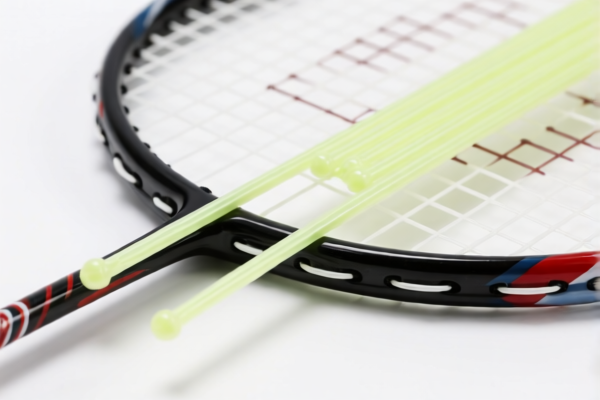

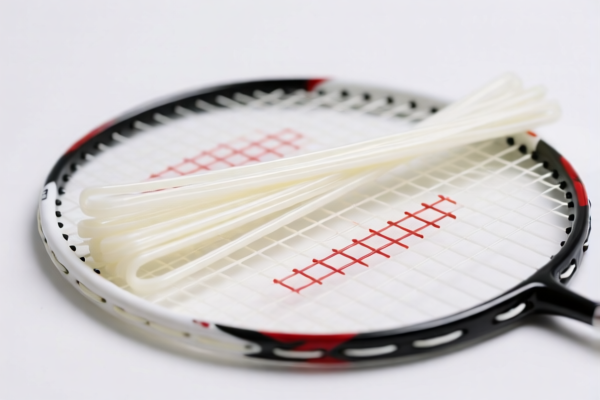
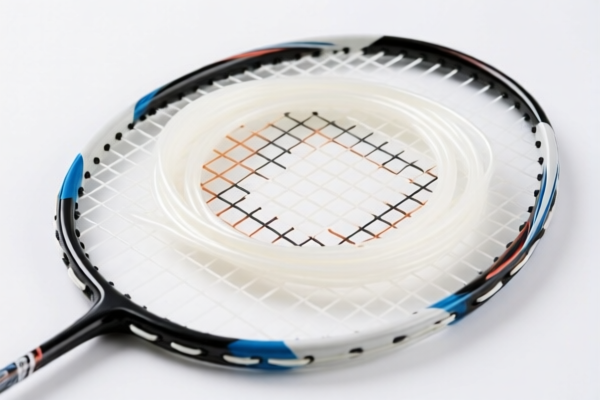
AI Analysis
🏸 Other Plastic Badminton Racket Strings (Plastic Yarns/Cords)
🌐 HS Code Reference & Customs Clearance Guide | 2024 Latest Tariff Analysis | Professional Level Compliance Strategy
📌 I. Product Definition & Classification: Do You Really Understand "Plastic Badminton Strings"?
Plastic badminton racket strings, in international trade, are primarily classified based on their material composition, physical form, and intended use. They generally fall into two main categories:
- Plastic Monofilaments/Filaments: If the string is a single, continuous plastic strand, it is often classified under Chapter 39 (Plastics and Articles Thereof).
- Textile/Cordage: If the string is braided, twisted, or made from synthetic fibers like polyethylene (PE) or polypropylene (PP) resembling cords or ropes, it may be classified under Chapter 56 (Textile materials and articles).
- Sports Equipment Accessories: If classified specifically as parts/accessories for badminton rackets, it falls under Chapter 95 (Toys, games, and sports requisites).
⚠️ Key Distinction Point:
- If the product is a single plastic filament → It is likely Chapter 39 (Other plastic articles).
- If the product is a braided cord/rope made of plastic → It is likely Chapter 56 (Twisted cordage, rope, cables).
- If the product is explicitly declared as a racket part/accessory → It is likely Chapter 95 (Parts of sports equipment).
📦 II. HS Code Classification Details (Latest Tariff Schedule)
| HS Code | Product Description | Applicable Scenario | Tax Category |
|---|---|---|---|
3916.90.50.00 |
Other plastic monofilaments, rods, sticks, etc. | Plastic strings in monofilament form, not elsewhere specified. | High Tariff |
9506.59.40.40 |
Other parts and accessories for badminton rackets | Specifically identified as badminton racket strings/accessories. | Lowest Tariff |
3916.90.20.00 |
Other plastic articles for use in racket strings | Plastic materials matching the function of racket strings. | High Tariff |
5607.49.10.00 |
Ropes, cables, and plaited bands, of synthetic fibers (PE/PP) | Plastic strings in rope/cord form, made of polyethylene or polypropylene. | High Tariff |
5607.49.30.00 |
Ropes, cables, and plaited bands, of synthetic fibers (PE/PP) | Similar to above, specific sub-classification for cordage. | High Tariff |
9506.59.40.80 |
Other parts and accessories for badminton rackets | Alternative classification for badminton strings as accessories. | Lowest Tariff |
🔍 Key Insight:
- Chapter 95 (9506.59.40.40 / .80) offers the lowest tariff rate because it is classified specifically as a "part/accessory" rather than a generic "plastic material" or "textile cord." - Chapters 39 and 56 attract significantly higher tariffs due to the "Additional Tariffs" (Section 301) and "122 Clause" tariffs applied to Chinese-origin goods.
💰 III. 2024 Latest Tariff Rate Breakdown (Including Additional Duties & Policies)
✅ Applicable Country: United States (US)
✅ Origin: China (CN)
✅ Effective Time: Current (Based on ongoing trade restrictions)
🎯 1. 9506.59.40.40 & 9506.59.40.80 —— Badminton Racket Accessories
| Item | Content |
|---|---|
| Base Rate | 5.6% (ad valorem) |
| Section 301 Additional Tariff | 0.0% (Exempted or not applicable for this specific subheading under certain interpretations, CRITICAL) |
| 122-Clause Tariff | +10% (Specific to certain plastic/textile sports goods) |
| Steel/Aluminum/Copper Surcharge | N/A (Not applicable for plastic) |
| Total Effective Rate | 15.6% |
| Tax Calculation | CIF Value × 15.6% |
| De Minimis Eligibility | ❌ No (Section 301 goods generally excluded) |
| Legal Basis Path | USITC:9506.59.40.40/80 → Section 301: 0% → 122-Clause: +10% |
📌 Explanation:
- This is the most cost-effective classification. - The Section 301 additional tariff is 0%, which is a massive advantage over other plastic/textile classifications. - Only the 122-Clause tariff (10%) applies, leading to a total of 15.6%.
🎯 2. 3916.90.50.00, 3916.90.20.00 —— Other Plastic Monofilaments/Articles
| Item | Content |
|---|---|
| Base Rate | 3.1% - 5.8% |
| Section 301 Additional Tariff | +25.0% (Standard 301 rate for plastics) |
| 122-Clause Tariff | +10% |
| Total Effective Rate | 38.1% - 40.8% |
| Tax Calculation | CIF Value × ~40% |
| De Minimis Eligibility | ❌ No |
| Legal Basis Path | USITC:3916.x0 → Section 301: +25% → 122-Clause: +10% |
📌 Warning:
- Classifying plastic strings as generic "plastic monofilaments" triggers the full 25% Section 301 tariff. - This results in a total tax rate of ~40%, more than double the rate of Chapter 95.
🎯 3. 5607.49.10.00, 5607.49.30.00 —— Synthetic Fiber Cords/Ropes
| Item | Content |
|---|---|
| Base Rate | 2.7% - 3.6% |
| Section 301 Additional Tariff | +25.0% (Standard 301 rate for textile/cordage) |
| 122-Clause Tariff | +10% |
| Total Effective Rate | 37.7% - 38.6% |
| Tax Calculation | CIF Value × ~38% |
| De Minimis Eligibility | ❌ No |
| Legal Basis Path | USITC:5607.49 → Section 301: +25% → 122-Clause: +10% |
📌 Warning:
- Similar to Chapter 39, classifying as "cords/ropes" triggers the 25% Section 301 tariff. - Total tax rate is ~38%, significantly higher than Chapter 95.
🛠️ IV. Customs Clearance Practical Advice (Avoiding Pitfalls)
✅ 1. Document Preparation Checklist (All Required)
| Document | Required | Notes |
|---|---|---|
| ✅ Product Specification Sheet | ✔️ | Must specify: Material (e.g., PE, PP, Nylon), Form (Monofilament vs. Braided), Usage (Badminton Racket). |
| ✅ Product Photos (Clear Label) | ✔️ | Show the string spool, labeling, and any packaging indicating "Badminton String." |
| ✅ Commercial Invoice | ✔️ | Crucial: Must state "Badminton Racket String" or "Parts of Sports Equipment," NOT generic "Plastic Monofilament." |
| ✅ Packing List | ✔️ | Match invoice. |
| ✅ Origin Certificate (if applicable) | ✔️ | For non-China origin, may qualify for lower duties. |
| ✅ Declaration of End Use | ✔️ | State clearly: "For use in badminton rackets." |
✅ 2. Declaration Tips (Key Strategy)
🔥 "Declare as Accessory, Not Material! Save 25% in Duties!"
| Scenario | Correct Declaration | Incorrect Declaration | Consequence |
|---|---|---|---|
| Plastic String for Badminton | 9506.59.40.40/80 (Badminton Accessory) |
3916.90.50.00 (Plastic Monofilament) |
Pay 40% instead of 15.6% |
| Braided Nylon String | 9506.59.40.40/80 (Badminton Accessory) |
5607.49.10.00 (Synthetic Cord) |
Pay 38% instead of 15.6% |
| Generic Plastic Wire | 3916.90.50.00 |
9506.59.40.40 |
May be rejected if not for sports. |
📌 Critical Advice:
- Never declare badminton strings as "plastic monofilaments" or "synthetic cords" to avoid customs scrutiny. While the description might technically fit, the tariff rate difference is huge (25% extra). - However, if the string is not for badminton (e.g., for fencing, fishing), then Chapter 39 or 56 may be more appropriate. For badminton, Chapter 95 is the gold standard.
✅ 3. Special Circumstances Handling
| Situation | Recommendation |
|---|---|
| OEM Custom Strings | Provide client order and design specs. Declare as "Parts of Sports Equipment." |
| Mixed Packing (Strings + Rackets) | Declare separately. Strings under 9506.59.40, Rackets under 9506.51. Do not merge. |
| Non-Badminton Use | If used for other sports (e.g., tennis, squash), ensure the HS Code matches the specific racket type. |
| Origin Non-China | If made in Vietnam/Thailand, verify if Section 301 applies. Often, non-China origin avoids Section 301 tariffs. |
🌍 V. Global Market Comparison (2024 Latest)
| Country/Region | Recommended HS Code | Duty Rate (China Origin) | Certification | Notes |
|---|---|---|---|---|
| 🇺🇸 USA | 9506.59.40.40 |
15.6% | None | Best Option. Avoids 25% Section 301. |
| 🇺🇸 USA (Misclassified) | 3916.90.50.00 |
40.8% | None | High penalty for misclassification. |
| 🇨🇳 China | 9506.59.40 |
5.6% | N/A | Low base duty, no additional US tariffs. |
| 🇪🇺 EU | 9506.59.00 |
4.7% | CE (if applicable) | Lower duties, no Section 301. |
| 🇬🇧 UK | 9506.59.00 |
4.7% | UKCA | Lower duties. |
📌 Conclusion:
- USA: Chapter 95 is essential to avoid the 25% Section 301 tariff.
- EU/UK/China: Duties are low regardless, but accuracy still matters for compliance.
📌 VI. Common Errors & Pitfalls (Lessons Learned)
❌ Error 1: Declaring "Plastic Badminton Strings" as "Plastic Monofilaments" (3916.90.50.00)
👉 Consequence: Extra 25% Section 301 tariff → Total duty jumps from 15.6% to ~40%.
❌ Error 2: Declaring as "Synthetic Rope" (5607.49.10.00)
👉 Consequence: Extra 25% Section 301 tariff → Total duty jumps to ~38%.
❌ Error 3: Vague Description "Plastic Wire"
👉 Consequence: Customs may reclassify to highest tariff category → Audit, Delay, or Penalty.
✅ Correct Declaration:
"Badminton Racket Strings, Made of Plastic, for Sports Equipment, HS Code 9506.59.40.40"
🎯 VII. Conclusion: Precision in Classification Saves Costs!
🎯 Remember This Rule:
🔹 "Badminton Strings → Chapter 95 = 15.6% Duty"
🔹 "Plastic/String → Chapter 39/56 = ~40% Duty"
🔹 "Difference = 25% Extra Tax!"
📌 Pro Tip:
- Always pre-clear with your customs broker.
- Provide photos and specs proving the product is for badminton rackets.
- If possible, source from non-China origins to potentially avoid all Section 301 tariffs, but even then, Chapter 95 is the cleanest classification.
📣 Take Action Now:
📞 Contact Your Customs Broker + Provide Product Photos + Confirm HS Code 9506.59.40
🚀 Save 25% in Duties, Clear Customs Faster, Boost Profits!
✨ Professional Customs Clearance Starts with Accurate Classification!
💼 Every Percent of Duty Saved is Pure Profit!
Customer Reviews
About HS Code Classification
The Harmonized System (HS) is an internationally standardized nomenclature developed by the World Customs Organization (WCO) to classify traded products. Over 200 countries use the HS system as the basis for customs tariffs, trade statistics, and import/export regulations.
Each HS code follows a hierarchical structure:
- Chapter (2 digits) — Broad category of goods (e.g., Chapter 84: Machinery and Mechanical Appliances)
- Heading (4 digits) — More specific grouping within the chapter
- Subheading (6 digits) — Internationally standardized breakdown, used by all WCO member countries
- National subdivisions (8-10 digits) — Country-specific extensions for further classification, such as US HTSUS 10-digit codes
Correct HS code classification is essential for smooth customs clearance, accurate duty payment, and compliance with trade regulations. Misclassification can lead to customs delays, overpayment of duties, or penalties.
When importing from CN to US, the applicable tariff rates may include:
- Most-Favored-Nation (MFN) rate — The standard duty rate applied to WTO members
- General rate — Applied to countries without trade agreements
- Trade remedy duties — Additional tariffs such as Section 301 (anti-dumping), Section 232 (national security), or countervailing duties
The information provided on this page is for reference purposes only. For official classification, please consult with your local customs authority or a licensed customs broker.