Other Plastic Films for Decorative Use
CN → US| HS Code | Tariff Rate | Origin | Destination | Doc |
|---|---|---|---|---|
| 3926909989 | 22.8% | CN | US | Official Doc |
| 3919905060 | 40.8% | CN | US | Official Doc |
| 3919102055 | 40.8% | CN | US | Official Doc |
| 3920992000 | 39.2% | CN | US | Official Doc |
| 3920991000 | 41.0% | CN | US | Official Doc |
Product Images
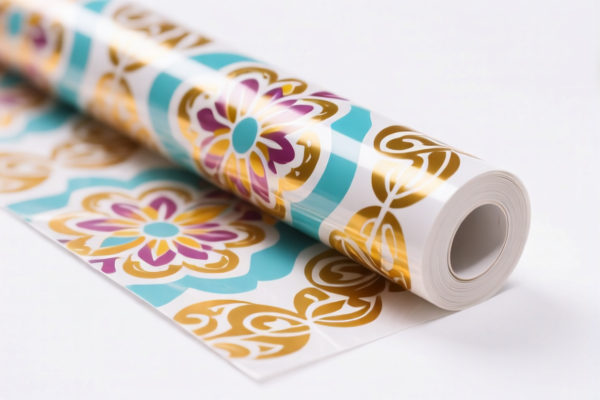


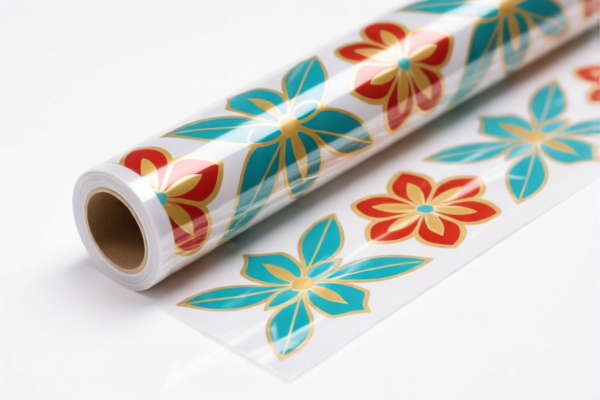
AI Analysis
🧱 Other Plastic Films for Decorative Use (Wall & Surface Decor)
🌐 HS Code Reference & Customs Clearance Guide | 2026 Latest Tariff Analysis | Professional Compliance Strategy
📌 I. Product Definition & Classification: Do You Know "Plastic Wall Decor Films"?
"Other Plastic Films for Decorative Use" generally refers to flexible plastic sheets, membranes, or wallpapers applied to walls, furniture, or surfaces for aesthetic purposes. In international trade, the classification depends heavily on the physical form (roll vs. sheet), composite structure, and specific plastic material.
⚠️ Key Distinction:
- Rolls/Flexible Membranes (Chips/Sheets): Usually fall under Chapter 39, Heading 3919 (Self-adhesive plates/sheets/film) or 3920 (Other plates/sheets/film/strip).
- Finished Decorative Products (Cut-to-size, Printed, Backed): May fall under 3926.90 (Other articles of plastics) if they are considered "finished articles" rather than raw materials.
📦 II. HS Code Classification Matrix (Based on Provided Data)
| HS Code | Product Description | Applicability Scenario | Form & Structure |
|---|---|---|---|
3926.90.99.89 |
Other Plastic Articles (Fallback): Decorative plastic wall films, categorized as "other plastic articles." | Cut-to-size decorative films, finished wall coverings, composite decorative items that don't fit standard film definitions. | Article/Finished Product (兜底类目) |
3919.90.50.60 |
Other Plastic Flat Products: Plastic wall decor films in roll/membrane form. | Standard plastic films for walls, not self-adhesive or not meeting specific sub-heading criteria. | Film/Sheet (Other plastic flat shapes) |
3919.10.20.55 |
Other Plastic Films: Plastic wall decor films meeting "film" characteristics, falling under other categories. | Thin plastic films with decorative features, potentially self-adhesive but not specified elsewhere. | Film (Thin/Membrane characteristics) |
3920.99.20.00 |
Non-cellular Non-reinforced Flexible Films: Plastic wall decor films made of non-cellular, non-reinforced plastics. | Flexible plastic films without air bubbles (non-cellular) or glass fiber reinforcement. | Film (Flexible, Non-cellular, Non-reinforced) |
3920.99.10.00 |
Other Plastic Films (Fallback): Plastic wall decor films meeting thickness/compound structure attributes. | Films with specific thickness or composite structures that do not fit other 3920 sub-headings. | Film (Fallback for films with specific thickness/compound) |
🔍 Important Note:
-3919typically covers self-adhesive plates, sheets, and film. If your wall decor film is self-adhesive, it strongly leans toward 3919. -3920covers other plates, sheets, and film (non-self-adhesive, or if 3919 doesn't apply). -3926is for finished articles. If the film is already cut, printed, and packaged as a "decoration item" rather than a raw material, customs may classify it here.
💰 III. 2026 Tariff Rate Breakdown (Including Additional Duties)
✅ Applicable Country: United States (US)
✅ Origin: China (CN)
✅ Effective Date: 2025-11-10 onwards
🎯 1. 3926.90.99.89 — Other Plastic Articles (Lowest Tax Option)
| Item | Content |
|---|---|
| Base Tariff | 5.3% |
| Section 301 Additional Duty | 7.5% |
| Section 122 Duty | 10% |
| Total Tax Rate | 22.8% |
| Tax Calculation | CIF Value × 22.8% |
| De Minimis Exemption | ❌ Not Applicable (Standard commercial import) |
| Legal Basis Path | HTSUS:3926.90.99.89 → USITC:301 → USITC:122 |
📌 Explanation:
- This is the most favorable classification among the provided options. - It treats the product as an "article" rather than a raw film, attracting lower additional duties (7.5% vs 25% for films). - Strategy: If your product can be argued as a "finished decorative article" (e.g., pre-cut, printed, packaged for direct consumer use), argue for this HS Code to save 18%+ in taxes.
🎯 2. 3919.90.50.60 — Other Plastic Flat Products
| Item | Content |
|---|---|
| Base Tariff | 5.8% |
| Section 301 Additional Duty | 25.0% |
| Section 122 Duty | 10% |
| Total Tax Rate | 40.8% |
| Tax Calculation | CIF Value × 40.8% |
| De Minimis Exemption | ❌ Not Applicable |
| Legal Basis Path | HTSUS:3919.90.50.60 → USITC:301 → USITC:122 |
📌 Explanation:
- This is a high-tax classification. - The 25% Section 301 duty is the standard rate for many plastic films from China. - Risk: If customs determines your product is a raw film/material, this will be the default.
🎯 3. 3919.10.20.55 — Other Plastic Films (Specific Sub-category)
| Item | Content |
|---|---|
| Base Tariff | 5.8% |
| Section 301 Additional Duty | 25.0% |
| Section 122 Duty | 10% |
| Total Tax Rate | 40.8% |
| Tax Calculation | CIF Value × 40.8% |
| De Minimis Exemption | ❌ Not Applicable |
| Legal Basis Path | HTSUS:3919.10.20.55 → USITC:301 → USITC:122 |
📌 Explanation:
- Same high tax rate as above. - Specific to films that meet "other" criteria under 3919.10 (Self-adhesive).
🎯 4. 3920.99.20.00 — Non-cellular Non-reinforced Flexible Films
| Item | Content |
|---|---|
| Base Tariff | 4.2% |
| Section 301 Additional Duty | 25.0% |
| Section 122 Duty | 10% |
| Total Tax Rate | 39.2% |
| Tax Calculation | CIF Value × 39.2% |
| De Minimis Exemption | ❌ Not Applicable |
| Legal Basis Path | HTSUS:3920.99.20.00 → USITC:301 → USITC:122 |
📌 Explanation:
- Slightly lower than 3919 codes due to a lower base tariff (4.2% vs 5.8%). - Still subject to the full 25% Section 301 duty.
🎯 5. 3920.99.10.00 — Other Plastic Films (Fallback)
| Item | Content |
|---|---|
| Base Tariff | 6.0% |
| Section 301 Additional Duty | 25.0% |
| Section 122 Duty | 10% |
| Total Tax Rate | 41.0% |
| Tax Calculation | CIF Value × 41.0% |
| De Minimis Exemption | ❌ Not Applicable |
| Legal Basis Path | HTSUS:3920.99.10.00 → USITC:301 → USITC:122 |
📌 Explanation:
- Highest total tax rate (41.0%). - Fallback classification if the film doesn't meet other specific criteria.
🛠️ IV. Customs Clearance Practical Advice (Avoiding Pitfalls)
✅ 1. Documentation Checklist (Essential)
| Document | Required | Description |
|---|---|---|
| ✅ Product Specification Sheet | ✔️ | Must detail: Material (e.g., PVC, PE, PET), Thickness (mm/mil), Width, Length, Weight. |
| ✅ Product Photos | ✔️ | Show the film in roll form, flat form, and applied example (to support "decorative article" argument). |
| ✅ Commercial Invoice | ✔️ | Clear description: "Plastic Decorative Wall Film, PVC, Roll, for Home Decor." |
| ✅ Packing List | ✔️ | List gross/net weight, dimensions, and number of rolls/sheets. |
| ✅ Material Composition Statement | ✔️ | Confirm if it contains additives, layers, or is single-material. |
✅ 2. Declaration Strategy (Key Tip)
🔥 "Classify as Article if Possible, Film if Necessary!"
| Scenario | Recommended HS Code | Tax Rate | Why? |
|---|---|---|---|
| Pre-cut, Printed, Packaged for End-User | 3926.90.99.89 |
22.8% | Argue it's a "finished decorative article," not raw material. |
| Plain Rolls (Bulk Industrial Use) | 3920.99.20.00 or 3919.90.50.60 |
39.2% - 40.8% | Raw film classification. Lower base tax than 3919. |
| Self-Adhesive Rolls | 3919.10.20.55 |
40.8% | Specific to self-adhesive films. High duty. |
📌 Critical Argument for
3926.90.99.89:
- Emphasize that the product is finished goods intended for direct consumer use. - Provide images of the product as sold (e.g., with pattern, backing, instructions). - If it's just plain plastic film in a roll, customs will likely reject this classification.
✅ 3. Special Cases
| Case | Handling Advice |
|---|---|
| Composite Materials (e.g., Paper + Plastic) | If >50% by weight is plastic, classify under 3926. If plastic is just a coating, it might fall under 4818 (Paper). |
| Self-Adhesive vs. Non-Adhesive | If it has adhesive backing, 3919 is more likely. If it requires separate glue, 3920 or 3926. |
| Small Quantities (De Minimis) | ❌ Not Eligible. Section 301 and 122 duties often negate de minimis exemptions for Chinese goods. |
🌍 V. Global Market Comparison (2026 Latest)
| Country/Region | Recommended HS Code | Tariff Rate | Notes |
|---|---|---|---|
| 🇺🇸 USA | 3926.90.99.89 |
22.8% | Best option. Avoids 25% Section 301. |
| 🇺🇸 USA | 3920.99.20.00 |
39.2% | High duty for raw films. |
| 🇨🇳 China | 3920.99.20.00 |
~5-7% | Lower import duty, no US additional duties. |
| 🇪🇺 EU | 3920.99.90 |
~6.5% | No Section 301/122 equivalents. |
| 🇬🇧 UK | 3920.99.90 |
~6.5% | Post-Brexit tariff applies. |
📌 Conclusion:
- USA is the most challenging market due to Section 301 (25%) and Section 122 (10%) duties on plastic films. - Strategy: Work with your supplier to ensure the product is marketed and packaged as a finished decorative article (3926) to leverage the lower 22.8% rate.
📌 VI. Common Mistakes & Pitfalls
❌ Mistake 1: Declaring finished, printed wall decor as "Plastic Film" (3920).
👉 Consequence: Pay 39.2-41.0% tax instead of 22.8%.
✅ Fix: Provide product photos showing the final decorative appearance.
❌ Mistake 2: Not disclosing adhesive properties.
👉 Consequence: Customs may reclassify from 3920 (39.2%) to 3919 (40.8%) if adhesive is detected post-inspection.
✅ Fix: Clearly state "Self-Adhesive" or "Non-Adhesive" on the invoice.
❌ Mistake 3: Ignoring Section 122 Duties.
👉 Consequence: Unexpected 10% surcharge on all HS codes.
✅ Fix: Include Section 122 in your cost calculation.
🎯 VII. Conclusion: Precise Classification, Maximum Savings!
🎯 Key Takeaway:
🔹 "Finish vs. Raw Material: The 20% Tax Gap!"
🔹 "3926 for Finished Decor, 3920/3919 for Raw Films."
🔹 "Always check Section 122 (10%) for China-origin goods!"
📌 Pro Tip:
If your product is pre-cut, patterned, and packaged for retail, strongly advocate for 3926.90.99.89. This classification saves you ~18% in taxes compared to raw film classifications.
📞 Immediate Action:
📤 Provide product images + specs to your customs broker.
📝 Request an Advance Ruling if the classification is borderline.
💼 Optimize your HS Code, Save Your Margin!
✨ Professional Customs Clearance Starts with Precise Classification!
💼 Every Percent Matters in Global Trade!
Customer Reviews
About HS Code Classification
The Harmonized System (HS) is an internationally standardized nomenclature developed by the World Customs Organization (WCO) to classify traded products. Over 200 countries use the HS system as the basis for customs tariffs, trade statistics, and import/export regulations.
Each HS code follows a hierarchical structure:
- Chapter (2 digits) — Broad category of goods (e.g., Chapter 84: Machinery and Mechanical Appliances)
- Heading (4 digits) — More specific grouping within the chapter
- Subheading (6 digits) — Internationally standardized breakdown, used by all WCO member countries
- National subdivisions (8-10 digits) — Country-specific extensions for further classification, such as US HTSUS 10-digit codes
Correct HS code classification is essential for smooth customs clearance, accurate duty payment, and compliance with trade regulations. Misclassification can lead to customs delays, overpayment of duties, or penalties.
When importing from CN to US, the applicable tariff rates may include:
- Most-Favored-Nation (MFN) rate — The standard duty rate applied to WTO members
- General rate — Applied to countries without trade agreements
- Trade remedy duties — Additional tariffs such as Section 301 (anti-dumping), Section 232 (national security), or countervailing duties
The information provided on this page is for reference purposes only. For official classification, please consult with your local customs authority or a licensed customs broker.