Other Plastic Floor Coverings (Tiles) Antibacterial
CN → US| HS Code | Tariff Rate | Origin | Destination | Doc |
|---|---|---|---|---|
| 5903902000 | 35.0% | CN | US | Official Doc |
| 3918102000 | 40.3% | CN | US | Official Doc |
| 3918101040 | 40.3% | CN | US | Official Doc |
| 5903902500 | 42.5% | CN | US | Official Doc |
Product Images
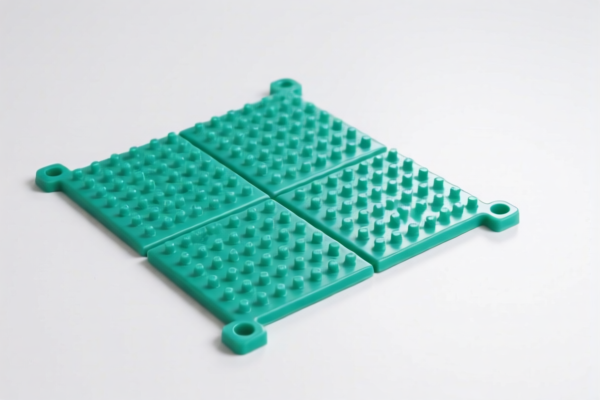
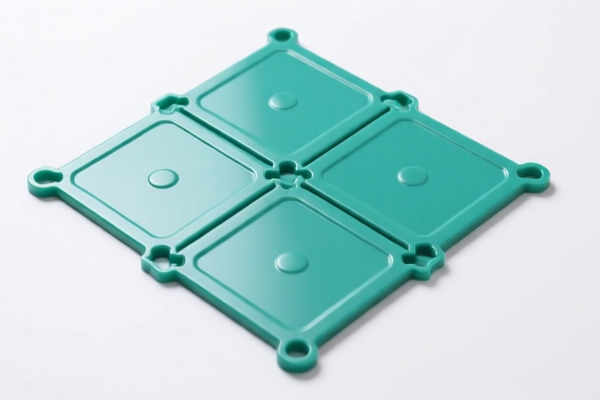
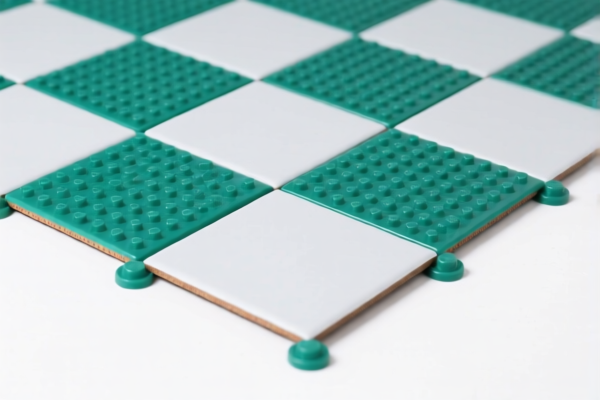
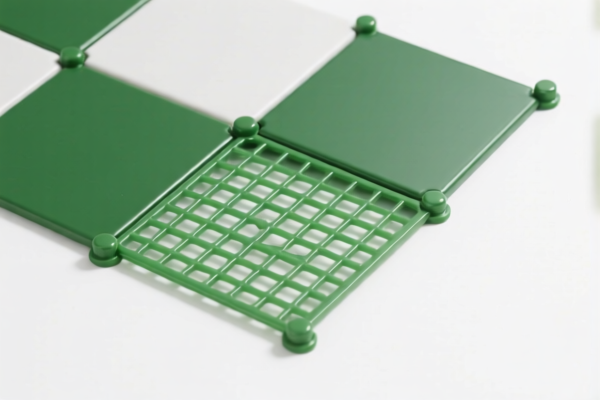
AI Analysis
🏠 Plastic Tile Antibacterial Floor Coverings
(Other Plastic Floor Coverings)
🌐 HS Code Reference & Customs Clearance Guide | 2026 Latest Tariff Analysis | Professional Clearance Strategy
📌 I. Product Definition & Classification: Understanding "Antibacterial Plastic Tiles"
Antibacterial plastic floor tiles are rigid or semi-rigid flooring materials made primarily of plastics (PVC, vinyl, or composite plastics) with surface treatments or embedded agents to inhibit bacterial growth. In international trade, these are often misclassified due to the "antibacterial" marketing claim. However, under the Harmonized System (HS), the base material and construction method dictate the code, not the functional treatment.
They are generally categorized into three distinct groups based on their manufacturing technique: 1. Vinyl/Plastic Tiles: Solid plastic (usually PVC) extruded or molded tiles (Chapter 39). 2. Textile-Based with Plastic Coating: Textile fabric impregnated or covered with plastic (Chapter 59). 3. Generic Plastic Flooring: Other plastic floor coverings not specified elsewhere (Chapter 59 or 39 depending on specific composition).
⚠️ Critical Distinction Point:
- If the product is a solid plastic/Vinyl tile → It falls under Chapter 39 (Plastics and Articles Thereof).
- If the product is a textile fabric (e.g., woven backing) that is impregnated/covered with plastic → It falls under Chapter 59 (Impregnated, Coated, Covered or Laminated Textile Fabrics).
- "Antibacterial" is a functional attribute and does not create a separate HS code chapter; it remains part of the base material classification.
📦 II. HS Code Classification Details (2026 Latest Tariff Authority Mapping)
| HS Code | Product Description | Key Characteristics | Applicable Scenario |
|--------|--------------------------|--------------------------|
| 3918.10.10.40 | Vinyl Tiles | Solid PVC/Plastic composition; rigid or semi-rigid; no textile backing. | Standard luxury vinyl tiles (LVT), rigid core SPC/SPC flooring. |
| 3918.10.20.00 | Other PVC Floor Coverings | Polyvinyl Chloride (PVC) based floor coverings not specifically classified as vinyl tiles. | General PVC flooring sheets or tiles where "Vinyl Tile" definition doesn't strictly apply. |
| 5903.90.20.00 | Other Plastic Floor Coverings | General category for plastic flooring not covered by other specific headings; often composite or non-PVC plastics. | Flooring made from plastics other than PVC, or generic "plastic tiles" without textile backing. |
| 5903.90.25.00 | Textile Fabrics Impregnated/Covered with Plastics | Has a textile base (fabric) that is impregnated or covered with plastic. | Plastic-coated carpet tiles, textile-backed vinyl tiles, LVT with fabric backing. |
🔍 Key Insight:
- The presence of a textile backing is the single biggest determinant for switching from Chapter 39 to5903.90.25.00. - Pure plastic/Vinyl tiles (no fabric) belong to Chapter 39 (3918.10.x0.00). - "Antibacterial" properties do not change the HS code but must be declared in the product description for customs verification.
💰 III. 2026 Latest Tariff Rate Breakdown (Including Surcharges & Policy Add-ons)
✅ Applicable Country: United States (US)
✅ Country of Origin: China (CN)
✅ Effective Date: From Nov 10, 2025 (including subsequent imports)
🎯 1. 3918.10.10.40 —— Vinyl Tiles
| Item | Details |
|---|---|
| Base Tariff | 5.3% (ad valorem) |
| Section 301 Surcharge | +25.0% (USITC Footnote 9903.88.01) |
| Section 122 IEEPA Surcharge | +10.0% (China-specific emergency powers) |
| Total Effective Tax Rate | 40.3% |
| Tax Calculation | CIF Value × 40.3% |
| De Minimis Exemption | ❌ Not Available (deny_de_minimis) |
| Legal Basis Path | IEEPA:9903.01.25 → IEEPA:9903.01.24 → USITC:3918.10.10.40 → FOOTNOTE:9903.88.01 |
📌 Explanation:
- This is the most common classification for solid Vinyl/SPC/WPC flooring. - The 40.3% rate includes the standard 5.3% MFN rate plus significant geopolitical surcharges. - High Cost Warning: This is a high-tariff category. Margin compression is likely unless priced accordingly.
🎯 2. 3918.10.20.00 —— Other PVC Floor Coverings
| Item | Details |
|---|---|
| Base Tariff | 5.3% (ad valorem) |
| Section 301 Surcharge | +25.0% |
| Section 122 IEEPA Surcharge | +10.0% |
| Total Effective Tax Rate | 40.3% |
| Tax Calculation | CIF Value × 40.3% |
| De Minimis Exemption | ❌ Not Available |
| Legal Basis Path | IEEPA:9903.01.25 → IEEPA:9903.01.24 → USITC:3918.10.20.00 → FOOTNOTE:9903.88.01 |
📌 Note:
- Similar to Vinyl Tiles, this code applies to PVC-based flooring that doesn't fit the strict "Vinyl Tile" definition. - Tax structure is identical to3918.10.10.40.
🎯 3. 5903.90.20.00 —— Other Plastic Floor Coverings
| Item | Details |
|---|---|
| Base Tariff | 0.0% (ad valorem) |
| Section 301 Surcharge | +25.0% |
| Section 122 IEEPA Surcharge | +10.0% |
| Total Effective Tax Rate | 35.0% |
| Tax Calculation | CIF Value × 35.0% |
| De Minimis Exemption | ❌ Not Available |
| Legal Basis Path | IEEPA:9903.01.25 → IEEPA:9903.01.24 → USITC:5903.90.20.00 → FOOTNOTE:9903.88.01 |
📌 Explanation:
- This code often applies to non-PVC plastic flooring or generic plastic tiles without textile backing. - Savings Alert: Compared to PVC tiles, this category saves 5.3% in base tariff, resulting in a total rate of 35.0% instead of 40.3%. - Verify if your product composition qualifies as "Other Plastic" rather than PVC.
🎯 4. 5903.90.25.00 —— Textile Fabrics Impregnated/Covered with Plastics
| Item | Details |
|---|---|
| Base Tariff | 7.5% (ad valorem) |
| Section 301 Surcharge | +25.0% |
| Section 122 IEEPA Surcharge | +10.0% |
| Total Effective Tax Rate | 42.5% |
| Tax Calculation | CIF Value × 42.5% |
| De Minimis Exemption | ❌ Not Available |
| Legal Basis Path | IEEPA:9903.01.25 → IEEPA:9903.01.24 → USITC:5903.90.25.00 → FOOTNOTE:9903.88.01 |
📌 Note:
- Applies to textile-backed plastic flooring (e.g., woven fabric with plastic coating). - This has the highest total tax rate (42.5%) among the options due to the higher base tariff (7.5%). - Optimization Tip: If possible, consider designing tiles with a non-textile backing (e.g., rigid core or foam) to shift to Chapter 39 or5903.90.20.00for potential savings.
🛠️ IV. Customs Clearance Practical Advice (Pitfall Avoidance Guide)
✅ 1. Documentation Checklist (Mandatory)
| Document | Required? | Notes |
|---|---|---|
| ✅ Product Specification Sheet | ✔️ | Must specify material composition (e.g., "100% PVC," "PVC + Glass Fiber," "Textile Backing + PVC Coating"). |
| ✅ Composition Breakdown | ✔️ | Detailed % of plastic, textile, backing, and antibacterial agents. |
| ✅ Product Photos | ✔️ | Clear images of cross-section, surface, and backing to prove presence/absence of textile. |
| ✅ Commercial Invoice | ✔️ | Description must match HS Code logic (e.g., "Vinyl Floor Tile, PVC, Rigid Core" vs. "Textile-backed Plastic Tile"). |
| ✅ Antibacterial Certificate | ✔️ | Proof of claim (e.g., EPA registration, ISO 22196 test report). Not for HS classification, but for compliance. |
| ✅ Packing List | ✔️ | Net/Gross weight, dimensions. |
✅ 2. Declaration Strategy (Key Mnemonics)
🔥 "Check the Backing: Fabric = 5903.25, Pure Plastic = 3918 or 5903.20"
| Scenario | Correct Declaration | Incorrect Declaration | Risk |
|---|---|---|---|
| Rigid Core (SPC/WPC) Tile | 3918.10.10.40 (Vinyl Tile) |
5903.90.25.00 |
Overpaying by 2.2% + Potential Penalty |
| Vinyl Tile with Fabric Backing | 5903.90.25.00 (Textile Impregnated) |
3918.10.10.40 |
Undervaluation Risk, Fine |
| Generic Plastic Tile (No Fabric) | 5903.90.20.00 or 3918.10.20.00 |
5903.90.25.00 |
Overpaying by 7.5% base tariff |
| "Antibacterial" Claim | Include in Description only | Use as HS Code Determinant | Classification Error |
✅ 3. Special Case Handling
| Situation | Recommendation |
|---|---|
| Composite Backing (Foam + Fabric) | If fabric is the primary structural component → 5903.90.25.00. If plastic is primary → Chapter 39. Consult a broker. |
| Mixed Shipments | Ensure invoices clearly separate products by HS Code. Mixing can lead to entire shipment being audited. |
| Antibacterial Additives | Ensure additives are non-toxic and comply with EPA/FDA regulations for indoor use. |
| Origin Labeling | Clearly mark "Made in China" to trigger Section 301 & 122 duties correctly. Hiding origin leads to severe penalties. |
🌍 V. Global Market Comparison (2026 Update)
| Country/Region | Recommended HS Code | Base Tariff | Total Tax (China Origin) | Notes |
|---|---|---|---|---|
| 🇺🇸 USA | 3918.10.10.40 / 5903.90.25.00 |
5.3% - 7.5% | 35.0% - 42.5% | High Surcharges: 301 (25%) + 122 (10%). No De Minimis. |
| 🇨🇳 China | 3918.10.10.40 |
5.3% | 5.3% | Standard MFN rate. No surcharges. |
| 🇪🇺 EU | 3918.10.00 / 5903.90 |
0% - 6.5% | 0% - 6.5% | No geopolitical surcharges. CE/REACH compliance needed. |
| 🇬🇧 UK | 3918.10.00 / 5903.90 |
0% - 6.5% | 0% - 6.5% | Post-Brexit rules. Check UK Global Tariff. |
| 🇦🇺 Australia | 3918.10.00 / 5903.90 |
5% | 5% | No surcharges. GST applies. |
📌 Conclusion:
- The US market is significantly more expensive due to dual surcharges (Section 301 + Section 122). - Tariff Optimization: If your product can be redesigned to remove textile backing, you may save 2.2% - 7.5% in base tariff. - De Minimis Risk: Under $800 shipments (Section 321) are blocked for these HS codes from China. No small package loophole.
📌 VI. Common Errors & Pitfalls (Lessons Learned)
❌ Error 1: Classifying Textile-Backed Tiles as 3918.10.10.40 (Vinyl Tile)
👉 Consequence: Underpayment of base tariff by 2.2% + potential penalty for misclassification.
👉 Fix: Always inspect the backing. If fabric is present, use 5903.90.25.00.
❌ Error 2: Classifying Pure Plastic Tiles as 5903.90.25.00 (Textile Impregnated)
👉 Consequence: Overpayment of base tariff by 7.5%. You lose profit margin unnecessarily.
👉 Fix: Verify if the product contains ANY textile fabric. If no, use 5903.90.20.00 or 3918.10.20.00.
❌ Error 3: Assuming "Antibacterial" changes the HS Code
👉 Consequence: Customs may reject the declaration if no specific code exists for "antibacterial."
👉 Fix: Declare "Antibacterial PVC Vinyl Tile" under the correct material-based HS Code. Provide test reports separately.
❌ Error 4: Splitting shipments to avoid Section 321 ($800 de minimis)
👉 Consequence: Since Section 301/122 surcharges apply to all Chinese-origin goods in these categories, de minimis is denied.
👉 Fix: Plan for full commercial entry. Do not rely on postal packages for bulk inventory.
🎯 VII. Conclusion: Precise Classification, Cost Control
🎯 Remember the Mnemonic:
🔹 "Fabric Back? → 5903.25 (42.5%).
🔹 "No Fabric, PVC? → 3918.10 (40.3%).
🔹 "No Fabric, Other Plastic? → 5903.20 (35.0%).
🔹 "Antibacterial? → Just a description, not a code!"🔹 "US Tariffs are High (301+122), No De Minimis, Plan Ahead!"
📌 Pro Tip:
If your product is 100% PVC with no textile backing, consider if it fits 3918.10.10.40 or 3918.10.20.00 (40.3%). If it is a non-PVC plastic with no textile, 5903.90.20.00 (35.0%) is the cheapest option.
Action Item:
1. Analyze Product Composition: Does it have fabric?
2. Select HS Code: Based on material, not marketing claims.
3. Calculate Landed Cost: Include 35%-42.5% duty.
4. Consult Customs Broker: For pre-classification ruling if unsure.
✨ Professional Clearance Starts with Accurate Classification!
💼 Every 1% of tariff saved is pure profit!
Customer Reviews
About HS Code Classification
The Harmonized System (HS) is an internationally standardized nomenclature developed by the World Customs Organization (WCO) to classify traded products. Over 200 countries use the HS system as the basis for customs tariffs, trade statistics, and import/export regulations.
Each HS code follows a hierarchical structure:
- Chapter (2 digits) — Broad category of goods (e.g., Chapter 84: Machinery and Mechanical Appliances)
- Heading (4 digits) — More specific grouping within the chapter
- Subheading (6 digits) — Internationally standardized breakdown, used by all WCO member countries
- National subdivisions (8-10 digits) — Country-specific extensions for further classification, such as US HTSUS 10-digit codes
Correct HS code classification is essential for smooth customs clearance, accurate duty payment, and compliance with trade regulations. Misclassification can lead to customs delays, overpayment of duties, or penalties.
When importing from CN to US, the applicable tariff rates may include:
- Most-Favored-Nation (MFN) rate — The standard duty rate applied to WTO members
- General rate — Applied to countries without trade agreements
- Trade remedy duties — Additional tariffs such as Section 301 (anti-dumping), Section 232 (national security), or countervailing duties
The information provided on this page is for reference purposes only. For official classification, please consult with your local customs authority or a licensed customs broker.