Other Plastic Indoor Wall Decor
CN → US| HS Code | Tariff Rate | Origin | Destination | Doc |
|---|---|---|---|---|
| 3926909989 | 22.8% | CN | US | Official Doc |
| 3919905060 | 40.8% | CN | US | Official Doc |
| 3919102055 | 40.8% | CN | US | Official Doc |
| 3920992000 | 39.2% | CN | US | Official Doc |
| 3920991000 | 41.0% | CN | US | Official Doc |
Product Images


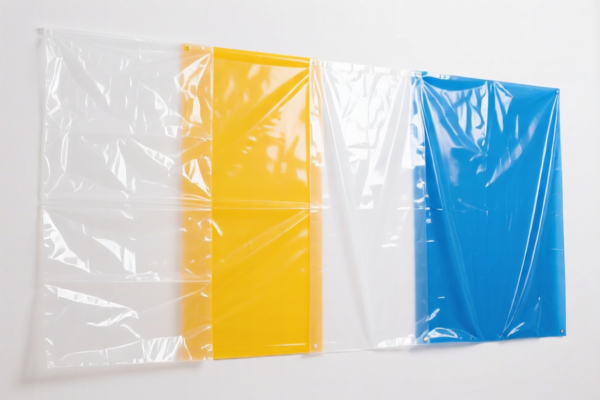
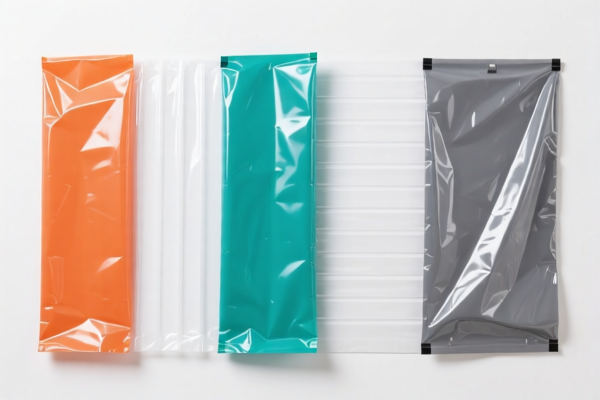
AI Analysis
🖼️ Other Plastic Indoor Wall Decor (Wall Film/Foil)
🌐 HS Code Reference & Customs Clearance Guide | 2026 Latest Tariff Analysis | Professional Compliance Strategy
📌 Part 1: Product Definition & Classification: What Exactly is "Plastic Wall Decor"?
Plastic Wall Decor (specifically Wall Films/Foils) are adhesive or non-adhesive plastic sheets used for interior decoration, covering walls, furniture, or doors. In international trade, these are often classified based on their physical form (flexible film vs. finished article) and material composition.
⚠️ Key Classification Divergence:
- If the product is a finished decorative article (e.g., pre-cut shapes, rigid plaques, or complex 3D objects) → It is likely classified under Chapter 39, Heading 3926 ("Other articles of plastics").
- If the product is a flexible film/roll (e.g., wallpaper-like plastic sheets, adhesive foils) → It is likely classified under Chapter 39, Headings 3919 (Self-adhesive plates/sheets) or 3920 (Other plates/sheets/films/folds).
This distinction is critical because the tariff rates differ significantly due to US trade policies (Section 301 and Section 122 tariffs).
📦 Part 2: HS Code Classification Details (2026 Latest Tariff Authority Match)
Based on the provided data, here are the 5 potential HS Codes for "Other Plastic Indoor Wall Decor," categorized by their physical nature:
| HS Code | Product Description | Physical Form | Key Feature |
|---|---|---|---|
3926.90.99.89 |
Other plastic articles (Catch-all for finished articles) | Film/Finished Article | "Other plastic articles" catch-all category; applies if not strictly a flat flexible sheet. |
3919.90.50.60 |
Other plates, sheets, film, foil, and strip, of plastics | Flexible Film | Self-adhesive or non-self-adhesive flat plastic products; not elsewhere specified. |
3919.10.20.55 |
Plates, sheets, film, foil, and strip, of plastics, self-adhesive | Self-Adhesive Film | Specifically meets the definition of "film" and falls under other self-adhesive categories. |
3920.99.20.00 |
Other plates, sheets, film, foil and strip, of plastics, non-cellular | Non-cellular Film | Flexible film/strip of non-cellular, non-reinforced plastics (e.g., PVC wall murals). |
3920.99.10.00 |
Other plates, sheets, film, foil and strip, of plastics | Other Non-Cellular Film | Catch-all for non-cellular plastic films not specified elsewhere; no obvious conflict. |
🔍 Critical Insight:
- Headings 3919 & 3920 target the raw material state (flexible films/sheets). These are subject to higher base tariffs + aggressive trade war surcharges.
- Heading 3926 targets the finished article. This category currently enjoys a significantly lower total tax rate due to its classification as a "finished good" rather than a "basic plastic sheet," though it still bears Section 301 and Section 122 tariffs.
💰 Part 3: 2026 Latest Tariff Rate Breakdown (Including Surtaxes)
✅ Applicable Country: United States (US)
✅ Origin: China (CN)
✅ Effective Time: Post-November 2025 (Current Trade Policy)
🎯 1. 3926.90.99.89 — Other Plastic Articles (Finished Decor)
The Most Cost-Effective Option if Classified Correctly
| Item | Content |
|---|---|
| Base Duty Rate | 5.3% |
| Section 301 Surcharge | 7.5% |
| Section 122 Surcharge | 10.0% |
| Total Effective Tax | 22.8% |
| Tax Calculation | CIF Value × 22.8% |
| De Minimis Exemption | ❌ Not Eligible (Commercial shipment) |
| Legal Basis | HTSUS 3926.90.99.89 → Section 301 (Footnote 9903.88.01) → Section 122 (EO 14064) |
📌 Explanation:
- This is the lowest tax option (22.8%) among all listed codes.
- The lower base rate (5.3%) vs. the 5.8%-6.0% of film categories saves money.
- Strategy: If the wall decor is a rigid plaque or a complex finished assembly, fight to be classified here. However, if it’s just a roll of vinyl wallpaper, Customs may reject this code.
🎯 2. 3919.90.50.60 — Other Plastic Flat Products (Film)
| Item | Content |
|---|---|
| Base Duty Rate | 5.8% |
| Section 301 Surcharge | 25.0% |
| Section 122 Surcharge | 10.0% |
| Total Effective Tax | 40.8% |
| Tax Calculation | CIF Value × 40.8% |
| De Minimis Exemption | ❌ Not Eligible |
| Legal Basis | HTSUS 3919.90.50.60 → Section 301 → Section 122 |
📌 Explanation:
- High Tax Burden: The 25% Section 301 surcharge is the dominant cost driver.
- Applicability: Applies if the product is a self-adhesive or non-adhesive plastic sheet/film that doesn't fit other specific subheadings.
🎯 3. 3919.10.20.55 — Self-Adhesive Plastic Film
| Item | Content |
|---|---|
| Base Duty Rate | 5.8% |
| Section 301 Surcharge | 25.0% |
| Section 122 Surcharge | 10.0% |
| Total Effective Tax | 40.8% |
| Tax Calculation | CIF Value × 40.8% |
| De Minimis Exemption | ❌ Not Eligible |
| Legal Basis | HTSUS 3919.10.20.55 → Section 301 → Section 122 |
📌 Note:
- Even if it is self-adhesive (like many wall decals), it still falls into the high-tax film category.
- Being "self-adhesive" does not reduce the Section 301 surcharge in this specific subheading.
🎯 4. 3920.99.20.00 — Non-Cellular Plastic Film (Flexible)
| Item | Content |
|---|---|
| Base Duty Rate | 4.2% |
| Section 301 Surcharge | 25.0% |
| Section 122 Surcharge | 10.0% |
| Total Effective Tax | 39.2% |
| Tax Calculation | CIF Value × 39.2% |
| De Minimis Exemption | ❌ Not Eligible |
| Legal Basis | HTSUS 3920.99.20.00 → Section 301 → Section 122 |
📌 Explanation:
- Slightly Lower Total Tax: Due to a lower base rate (4.2%) compared to 3919 codes, this is the second-best option (39.2%).
- Applicability: Best for non-cellular, non-reinforced plastic films (e.g., standard PVC wall murals) that are not self-adhesive or don't fit 3919 criteria.
🎯 5. 3920.99.10.00 — Other Non-Cellular Plastic Film
| Item | Content |
|---|---|
| Base Duty Rate | 6.0% |
| Section 301 Surcharge | 25.0% |
| Section 122 Surcharge | 10.0% |
| Total Effective Tax | 41.0% |
| Tax Calculation | CIF Value × 41.0% |
| De Minimis Exemption | ❌ Not Eligible |
| Legal Basis | HTSUS 3920.99.10.00 → Section 301 → Section 122 |
📌 Note:
- This is the "catch-all" for plastic films.
- Highest base rate (6.0%) among the film options, leading to the highest total tax (41.0%) in this group. Avoid unless necessary.
🛠️ Part 4: Customs Clearance Practical Advice (Real-World Pitfalls)
✅ 1. Documentation Checklist (Essential for Clearance)
| Document | Required? | Explanation |
|---|---|---|
| ✅ Product Specifications | ✔️ | Must detail material (e.g., PVC, PE, PET), thickness, and form (roll vs. cut). |
| ✅ Photos of Packaging & Product | ✔️ | Show if it’s a roll, sheet, or rigid piece. Crucial for distinguishing 3926 vs. 3919/3920. |
| ✅ Invoice & Packing List | ✔️ | Clearly state "Plastic Wall Decor Film" or "Plastic Wall Panel" depending on code. |
| ✅ Material Declaration | ✔️ | Confirm it is "Non-Cellular" and "Plastic" to match HS code descriptions. |
| ✅ Section 301 Exclusion Proof | ❌ | Generally not eligible for exclusion for these codes under current policies. |
✅ 2. Classification Strategy (Key Logic)
🔥 "Finished Article Wins, Film Suffers!"
| Scenario | Recommended HS Code | Tax Rate | Why? |
|---|---|---|---|
| Rigid Wall Panels / Plaques | 3926.90.99.89 |
22.8% | Classified as "Other Articles of Plastic," not a basic sheet. Lowest tax. |
| Self-Adhesive Wall Decals | 3919.10.20.55 |
40.8% | Self-adhesive films are heavily taxed under Section 301. |
| Non-Adhesive PVC Wall Murals | 3920.99.20.00 |
39.2% | Non-cellular film. Better base rate than 3919. |
| Generic Plastic Sheets | 3920.99.10.00 |
41.0% | Catch-all film. Highest tax in film category. |
✅ 3. Common Errors & Pitfalls
❌ Error 1: Classifying rigid wall panels as "Film" (3919/3920).
👉 Consequence: You pay ~40% tax instead of 22.8%. Overpaying $17k per $100k shipment!
❌ Error 2: Claiming "De Minimis" (Section 321) for plastic wall decor.
👉 Consequence: Customs has tightened restrictions on plastic products from China. Risk of seizure or forced commercial entry.
❌ Error 3: Vague Description ("Wall Decor").
👉 Consequence: Customs officers may misclassify. Always specify "Plastic," "PVC," "Roll," or "Rigid."
✅ Correct Approach:
"Indoor Plastic Wall Decor, PVC Material, Non-Cellular, Sold in Rolls, for Residential Use" → If rigid, add "Hard Plastic Panel."
🌍 Part 5: Global Market Comparison (2026)
| Country/Region | Recommended HS Code | Total Tariff (China Origin) | Notes |
|---|---|---|---|
| 🇺🇸 USA | 3926.90.99.89 |
22.8% | Best for finished goods. Films face ~40%. |
| 🇺🇸 USA | 3920.99.20.00 |
39.2% | Best for non-adhesive films. |
| 🇪🇺 EU | 3920.99.00 |
~6.5% | No Section 301/122 surcharges. Lower overall cost. |
| 🇨🇳 China | 3926.90.99 |
~5-10% | Import duty + VAT. No trade war surcharges. |
📌 Conclusion:
- The US market is extremely punitive on plastic films/sheets due to trade wars.
- Strategy: If possible, design the product as a finished article (e.g., pre-cut, rigid, or packaged as a complete decor kit) to qualify for3926.90.99.89(22.8%).
- Avoid classifying simple rolls as "finished articles" if Customs deems them "films."
📌 Part 6: Final Recommendations
🎯 Top 3 Actions for Importers:
-
Evaluate Product Form: Is your wall decor a rigid panel or a soft film?
- Rigid → Aim for
3926.90.99.89(22.8%). - Soft/Film → Aim for
3920.99.20.00(39.2%) if possible; avoid3919if you can justify non-adhesive.
- Rigid → Aim for
-
Documentation Precision:
- Use terms like "Non-Cellular Plastic Film" or "Plastic Decorative Article."
- Provide photos showing thickness and rigidity.
-
Cost-Benefit Analysis:
- A 17-18% tax difference (22.8% vs. 40.8%) is massive.
- Consult a customs broker to argue for
3926classification if the product has any finished characteristics (e.g., pre-cut, packaged as a set).
📣 Immediate Action:
📞 Contact your customs broker with product photos and specs.
📄 Request an Advance Ruling (Ruling Request) from CBP if the classification is ambiguous.
🚀 Optimize your product design to be a "finished article" rather than a "raw film" to save significant tariffs.
✨ Smart Classification, Smart Savings!
💼 Every percentage point saved is pure profit!
Customer Reviews
About HS Code Classification
The Harmonized System (HS) is an internationally standardized nomenclature developed by the World Customs Organization (WCO) to classify traded products. Over 200 countries use the HS system as the basis for customs tariffs, trade statistics, and import/export regulations.
Each HS code follows a hierarchical structure:
- Chapter (2 digits) — Broad category of goods (e.g., Chapter 84: Machinery and Mechanical Appliances)
- Heading (4 digits) — More specific grouping within the chapter
- Subheading (6 digits) — Internationally standardized breakdown, used by all WCO member countries
- National subdivisions (8-10 digits) — Country-specific extensions for further classification, such as US HTSUS 10-digit codes
Correct HS code classification is essential for smooth customs clearance, accurate duty payment, and compliance with trade regulations. Misclassification can lead to customs delays, overpayment of duties, or penalties.
When importing from CN to US, the applicable tariff rates may include:
- Most-Favored-Nation (MFN) rate — The standard duty rate applied to WTO members
- General rate — Applied to countries without trade agreements
- Trade remedy duties — Additional tariffs such as Section 301 (anti-dumping), Section 232 (national security), or countervailing duties
The information provided on this page is for reference purposes only. For official classification, please consult with your local customs authority or a licensed customs broker.