Other Plastic Protective Strips
CN → US| HS Code | Tariff Rate | Origin | Destination | Doc |
|---|---|---|---|---|
| 3926909905 | 22.8% | CN | US | Official Doc |
| 3919102055 | 40.8% | CN | US | Official Doc |
| 3926909989 | 22.8% | CN | US | Official Doc |
| 4811594040 | 35.0% | CN | US | Official Doc |
| 3921905050 | 39.8% | CN | US | Official Doc |
Product Images


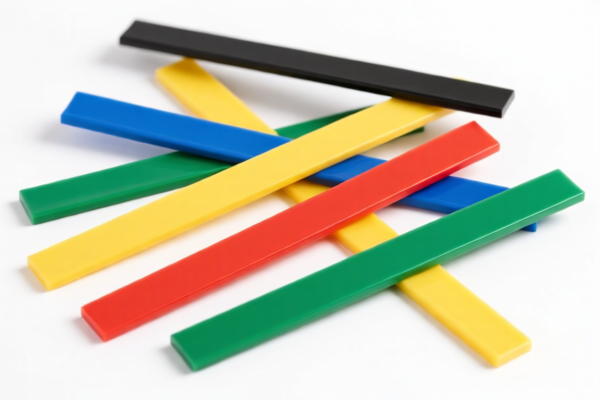

AI Analysis
🧶 Other Plastic Protective Strips (Plastic Adhesive Strips & Boards)
🌐 HS Code Reference & Customs Clearance Guide | 2026 Latest Tariff Analysis | Professional Clearance Strategy
📌 I. Product Definition & Classification: What Exactly Are "Other Plastic Protective Strips"?
In international trade, "Other Plastic Protective Strips" is a broad category often referring to plastic adhesive strips or protective films/boards made primarily of plastic. These items are used for packaging protection, surface masking during manufacturing, or general adhesive binding.
The classification depends heavily on two factors: 1. Composition: Is it pure plastic, or plastic-coated paper? 2. Form & Function: Is it a "self-adhesive tape" (heading 3919) or a "other plastic article" (heading 3926/3921)?
⚠️ Key Distinction Point:
- If the item is a self-adhesive roll/strip primarily used for sticking or masking → It often falls under Chapter 3919 (Self-adhesive plates, sheets, film, foil, tape, strip and other forms).
- If the item is a protective board or a generic plastic strip not specifically "self-adhesive tape" in the trade sense → It may fall under Chapter 3926 (Other articles of plastics) or 3921 (Other plates, sheets, film, foil and strip, of plastics).
- If the item is paper coated with plastic and adhesive → It falls under Chapter 4811 (Paper coated, impregnated, covered, surface-coloured, surface-decorated or printed for writing, drawing... other than paper of heading 4803 to 4809).
📦 II. HS Code Classification Details (2026 Latest Tariff Authoritative Comparison)
| HS Code | Product Description | Application Scenario | Material/State |
|---|---|---|---|
3919.10.20.55 |
Plastic Self-Adhesive Strips, in rolls or strips, of plastics | Masking, bundling, surface protection using adhesive | 🟢 Pure Plastic |
3926.90.99.05 |
Plastic Strips (General/Bottom Category), plastic material, strip form | Generic plastic strips, non-specific adhesive use, or catch-all | 🟡 Pure Plastic |
3926.90.99.89 |
Other Plastic Articles, not elsewhere specified (Plastic Strips) | Plastic strips for specific industrial uses, not fitting 3919 | 🟡 Pure Plastic |
4811.59.40.40 |
Paper-Coated Plastic Strips, strip form, paper base with plastic coating | Adhesive tape base is paper, coated with plastic | 🔴 Paper + Plastic |
3921.90.50.50 |
Plastic Protective Boards/Plates, plastic material, plate form | Rigid or semi-rigid plastic sheets/boards for protection | 🟢 Pure Plastic |
🔍 Key Reminder:
- Self-adhesive nature is critical for3919. If it sticks on its own, it’s likely 3919. - Material Basis:4811is a trap! If the core is paper, even if coated with plastic, it’s not "Plastic" for Chapter 39 purposes. - Form Factor:3921is for plates/sheets/films.3926is for "other articles" (including strips if not classified as tape).
💰 III. 2026 Latest Tariff Rate Detailed Explanation (Including Surcharges & Policy Add-ons)
✅ Applicable Country: United States (US)
✅ Origin: China (CN)
✅ Effective Time: Includes imports from 2025 onwards (Current 2026 context)
🎯 1. 3919.10.20.55 – Plastic Self-Adhesive Strips (Pure Plastic)
| Item | Content |
|---|---|
| Base Tariff | 5.8% |
| Section 301 Surcharge | +25.0% |
| 122 Provision Tariff | +10.0% |
| Total Tariff Rate | 40.8% |
| Tax Calculation | CIF Value × 40.8% |
| De Minimis Exemption | ❌ Not Eligible |
| Legal Basis Path | Base Rate (HTSUS) → Section 301 (Footnote 9903.88.01) → Section 122 (301 Tariff List) |
📌 Explanation:
- Base (5.8%): Standard US import duty for self-adhesive plastic tapes. - Section 301 (25%): High tariff imposed on Chinese-made plastic products. - 122 Provision (10%): Additional surcharge under specific trade provisions (often related to recent executive orders or trade acts). - Total 40.8%: This is a high-cost category. Merchants must account for this in pricing.
🎯 2. 3926.90.99.05 & 3926.90.99.89 – Other Plastic Stricts (General/Catch-all)
| Item | Content |
|---|---|
| Base Tariff | 5.3% |
| Section 301 Surcharge | +7.5% |
| 122 Provision Tariff | +10.0% |
| Total Tariff Rate | 22.8% |
| Tax Calculation | CIF Value × 22.8% |
| De Minimis Exemption | ❌ Not Eligible |
| Legal Basis Path | Base Rate → Section 301 (Footnote 9903.08.01) → Section 122 |
📌 Explanation:
- These codes fall under "Other articles of plastics" rather than "Self-adhesive tapes." - The Section 301 surcharge is lower (7.5%) compared to 3919 (25%), making this a potentially more tax-efficient classification if the product’s nature allows it (e.g., if it’s not strictly "adhesive tape" but a "plastic strip"). - Critical Strategy: If your product can be argued as a "plastic strip" rather than "adhesive tape," aiming for 3926 could save ~18% in tariffs.
🎯 3. 4811.59.40.40 – Paper-Coated Plastic Strips
| Item | Content |
|---|---|
| Base Tariff | 0.0% |
| Section 301 Surcharge | +25.0% |
| 122 Provision Tariff | +10.0% |
| Total Tariff Rate | 35.0% |
| Tax Calculation | CIF Value × 35.0% |
| De Minimis Exemption | ❌ Not Eligible |
| Legal Basis Path | Base Rate (HTSUS) → Section 301 → Section 122 |
📌 Explanation:
- Base Tariff is 0%, which looks attractive. - However, the Section 301 surcharge is high (25%) because it is still considered a Chinese plastic/paper composite product subject to trade war tariffs. - Total 35%: Higher than the 22.8% for generic plastic strips, but lower than the 40.8% for pure plastic self-adhesive tapes.
🎯 4. 3921.90.50.50 – Plastic Protective Boards
| Item | Content |
|---|---|
| Base Tariff | 4.8% |
| Section 301 Surcharge | +25.0% |
| 122 Provision Tariff | +10.0% |
| Total Tariff Rate | 39.8% |
| Tax Calculation | CIF Value × 39.8% |
| De Minimis Exemption | ❌ Not Eligible |
| Legal Basis Path | Base Rate → Section 301 → Section 122 |
📌 Explanation:
- This code is for boards/sheets, not strips. Use only if the product is rigid or semi-rigid. - High Tariff (39.8%): Similar to self-adhesive tapes due to the 25% Section 301 surcharge.
🛠️ IV. Customs Clearance Practical Advice (Avoid Pitfalls Guide)
✅ 1. Documentation Checklist (Mandatory)
| Document | Required | Description |
|---|---|---|
| ✅ Product Specification Sheet | ✔️ | Must clearly state: Material (Plastic/Paper), Form (Strip/Board/Sheet), Adhesive Type (Yes/No). |
| ✅ Composition Proof | ✔️ | If claiming 0% base tariff for 4811, provide proof of paper base. If claiming 22.8% for 3926, prove it’s not "adhesive tape." |
| ✅ Product Photos | ✔️ | Show the strip/sheet in rolls, cross-section, and adhesive side (if applicable). |
| ✅ Commercial Invoice | ✔️ | Describe item precisely. Avoid vague terms like "Plastic Stuff." Use "Plastic Self-Adhesive Masking Tape" or "Industrial Plastic Protective Strip." |
| ✅ Packing List | ✔️ | Net/Gross weight, dimensions. |
✅ 2. Declaration Tips (Key Mantras)
🔥 "Adhesive is 3919, Base Matters for 4811, Generic Strips are 3926, Boards are 3921!"
| Scenario | Correct Declaration | Wrong Approach |
|---|---|---|
| Pure Plastic Tape (Sticks by itself) | 3919.10.20.55 |
Declare as "Plastic Strip" (3926) → Risk of reclassification & penalty |
| Paper Tape with Plastic Coating | 4811.59.40.40 |
Declare as "Plastic Strip" (3926) → Wrong HTSUS |
| Non-Adhesive Plastic Strip (e.g., for binding or edging) | 3926.90.99.05 / 89 |
Declare as "Self-Adhesive Tape" (3919) → Overpaying ~18% |
| Rigid Plastic Sheet for Protection | 3921.90.50.50 |
Declare as "Strip" (3926) → Wrong Form Factor |
✅ 3. Special Handling
| Situation | Advice |
|---|---|
| OEM Custom Strips | Provide design specs. If it’s a unique shape not fitting "tape," argue for 3926 to save taxes. |
| Mixed Shipments | Do not mix 3919 (40.8%) and 3926 (22.8%) in one line item. Separate them clearly. |
| "De Minimis" Loophole? | ❌ No. All these HS codes are subject to Section 301 and IEEPA/122 tariffs. They are NOT eligible for the $800 de minimis exemption for most Chinese-origin goods under current strict enforcement. |
🌍 V. Global Market Comparison (2026 Latest)
| Country/Region | Recommended HS Code | Tariff Rate (China Origin) | Key Certification | Notes |
|---|---|---|---|---|
| 🇺🇸 USA | 3919.10.20.55 |
40.8% | N/A | Highest tax burden. |
| 🇺🇸 USA | 3926.90.99.05 |
22.8% | N/A | Best Rate if product qualifies as "Other Plastic Article." |
| 🇪🇺 EU | 3919.10 |
~6.5% | CE | No Section 301. |
| 🇨🇳 China | 3919.10 |
5-8% | CCC (if applicable) | Low import tax, high VAT. |
📌 Conclusion:
- The USA is the most challenging market due to the layered surcharges (Base + 301 + 122). - Strategic Classification: If your "Plastic Protective Strip" is not primarily adhesive, consider classifying under3926.90.99.05(22.8%) instead of3919(40.8%). This requires strong technical justification that the primary function is not "self-adhesive tape" but rather a "plastic article/strip."
📌 VI. Common Errors & Pitfalls (Blood & Tears Lessons)
❌ Error 1: Calling all plastic strips "Adhesive Tape"
👉 Consequence: Paying 40.8% when you could pay 22.8%.
💡 Fix: If it’s not self-adhesive, use 3926.
❌ Error 2: Ignoring the "Paper Base" in coated products
👉 Consequence: Misclassifying 4811 as 3926. Customs may penalize for incorrect origin/material.
💡 Fix: If core is paper, use 4811.59.40.40.
❌ Error 3: Assuming "De Minimis" applies
👉 Consequence: Shipments held by CBP, back taxes + storage fees.
💡 Fix: Assume 0% exemption. Budget for full tariffs.
✅ Correct Practice:
"Plastic Self-Adhesive Masking Tape, Roll, 1 inch width, Blue" →
3919.10.20.55
"Industrial Plastic Edge Strip, Non-Adhesive, Polypropylene" →3926.90.99.05
🎯 VII. Conclusion: Precise Classification Saves Money!
🎯 Remember the Mantra:
🔹 "Adhesive? Go 3919 (40.8%). Not Adhesive? Go 3926 (22.8%). Paper Base? Go 4811 (35%)."
🔹 "One wrong digit, $18 more per dollar of tax. Check material, check function!"
📌 Pro Tip:
If you are shipping large volumes, consider applying for a Customs Ruling (Pre-Ruling) with CBP to confirm if your specific "Protective Strip" qualifies for the lower-rate 3926 category. This provides legal certainty and protects against future audits.
📣 Immediate Action:
📞 Consult a licensed customs broker + Provide product samples + Request a Binding Ruling
🚀 Optimize your supply chain, clear customs smoothly, and maximize your profit margins!
✨ Professional Clearance Starts with Accurate Classification!
💼 Every cent of tariff saved is pure profit!
Customer Reviews
About HS Code Classification
The Harmonized System (HS) is an internationally standardized nomenclature developed by the World Customs Organization (WCO) to classify traded products. Over 200 countries use the HS system as the basis for customs tariffs, trade statistics, and import/export regulations.
Each HS code follows a hierarchical structure:
- Chapter (2 digits) — Broad category of goods (e.g., Chapter 84: Machinery and Mechanical Appliances)
- Heading (4 digits) — More specific grouping within the chapter
- Subheading (6 digits) — Internationally standardized breakdown, used by all WCO member countries
- National subdivisions (8-10 digits) — Country-specific extensions for further classification, such as US HTSUS 10-digit codes
Correct HS code classification is essential for smooth customs clearance, accurate duty payment, and compliance with trade regulations. Misclassification can lead to customs delays, overpayment of duties, or penalties.
When importing from CN to US, the applicable tariff rates may include:
- Most-Favored-Nation (MFN) rate — The standard duty rate applied to WTO members
- General rate — Applied to countries without trade agreements
- Trade remedy duties — Additional tariffs such as Section 301 (anti-dumping), Section 232 (national security), or countervailing duties
The information provided on this page is for reference purposes only. For official classification, please consult with your local customs authority or a licensed customs broker.