Other Plastic Rigid Colored Tubes
CN → US| HS Code | Tariff Rate | Origin | Destination | Doc |
|---|---|---|---|---|
| 3926909910 | 22.8% | CN | US | Official Doc |
| 9027898060 | 35.0% | CN | US | Official Doc |
| 9027898030 | 35.0% | CN | US | Official Doc |
| 3926909989 | 22.8% | CN | US | Official Doc |
| 3917290090 | 38.1% | CN | US | Official Doc |
Product Images
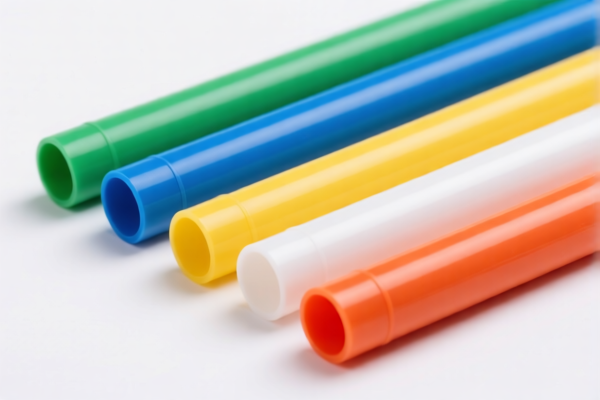
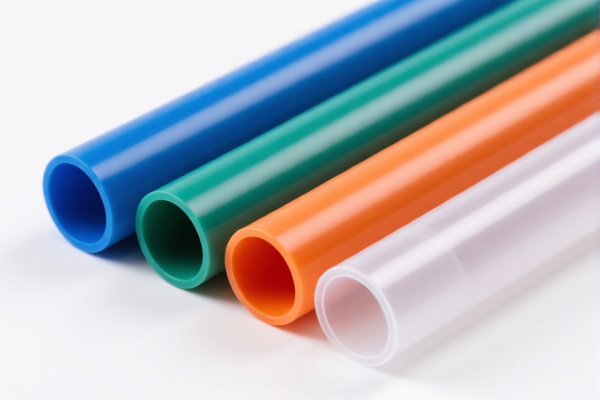


AI Analysis
🧪 Other Plastic Rigid Colored Tubes (Laboratory & Industrial)
🌐 HS Code Reference & Clearance Guide | 2026 Latest Tariff Analysis | Professional Clearance Strategy
📌 Part I: Product Definition & Classification – Are These Just "Plastic Pipes"?
"Other Plastic Rigid Colored Tubes" is a broad term that can refer to two distinct categories in international trade: Laboratory Glassware Alternatives (high-precision, analytical use) and Industrial Plumbing/Garden Pipes (structural, fluid transport). The HS Code classification depends entirely on the intended use and structural characteristics, not just the material.
⚠️ Critical Distinction:
- If the tube is used for chemical analysis, medical testing, or precision measurement in a lab → It falls under Chapter 90 (Instruments/Apparatus).
- If the tube is used for garden irrigation, general industrial transport, or non-analytical purposes → It falls under Chapter 39 (Plastics and Articles Thereof).
📦 Part II: HS Code Classification Details (2026 Latest Tariff Authority)
| HS Code | Product Description | Application Scenario | Tax Rate | Tax Detail Breakdown |
|---|---|---|---|---|
3926.90.99.10 |
Plastic Rigid Laboratory Test Tubes | Laboratory vessels made of plastic (e.g., PP, PE), used for holding samples. | 22.8% | Base: 5.3% Section 301: 7.5% Section 122: 10% |
9027.89.80.60 |
Plastic Analytical Measuring Devices/Vessels | Devices or vessels made of plastic, used for laboratory analysis and measurement. | 35.0% | Base: 0.0% Section 301: 25.0% Section 122: 10% |
9027.89.80.30 |
Plastic Tubes for Chemical Analysis | Plastic test tubes specifically designed for chemical analysis-related laboratory work. | 35.0% | Base: 0.0% Section 301: 25.0% Section 122: 10% |
3926.90.99.89 |
Plastic Rigid Garden Pipes | Other plastic products, specifically rigid tubes for garden/landscape use (e.g., sprinkler systems). | 22.8% | Base: 5.3% Section 301: 7.5% Section 122: 10% |
3917.29.00.90 |
Other Plastic Rigid Tubes | Plastic rigid tubes not specified elsewhere (general industrial use). | 38.1% | Base: 3.1% Section 301: 25.0% Section 122: 10% |
🔍 Key Reminder:
- Laboratory vs. General Use: If the tube is marked with measurement graduations, made of high-purity plastic, or intended for chemical reactions, it must be classified under Chapter 90 (9027.xx), triggering higher tariffs (35%).
- General Use: If the tube is plain, non-graduated, and used for watering gardens or general fluid transport, it falls under Chapter 39 (3926.xx or 3917.xx), with lower tariffs (22.8% or 38.1%).
💰 Part III: 2026 Latest Tariff Rate Details (Including Add-ons & Policy Surcharges)
✅ Applicable Country: United States (US)
✅ Origin: China (CN)
✅ Effective Time: 2025 November 10 onwards (including subsequent imports)
🎯 1. 3926.90.99.10 & 3926.90.99.89 —— Plastic Laboratory/Garden Tubes (Chapter 39)
| Item | Content |
|---|---|
| Base Tariff | 5.3% (ad valorem) |
| Section 301 Surcharge | +7.5% (for 3926.90.99.10/89) (Note: 3917.29.00.90 has +25%) |
| Section 122 Surcharge | +10% (Applied to all listed items) |
| Total Tariff Rate | 22.8% |
| Tax Calculation | CIF Value × 22.8% |
| De Minimis Exemption | ❌ Not Eligible (deny_de_minimis) |
| Legal Basis Path | Section 122 → USITC:3926.90.99.10 |
📌 Explanation:
- "Section 301: 7.5%": This is the specific additional duty applied to certain plastic articles under Chapter 39.
- "Section 122: 10%": A specific surcharge applied to these plastic tubes.
- Total 22.8% is relatively moderate compared to analytical instruments, but still significant for low-margin goods.
🎯 2. 9027.89.80.60 & 9027.89.80.30 —— Plastic Analytical/Test Tubes (Chapter 90)
| Item | Content |
|---|---|
| Base Tariff | 0.0% |
| Section 301 Surcharge | +25.0% (High surcharge for scientific instruments) |
| Section 122 Surcharge | +10% |
| Total Tariff Rate | 35.0% |
| Tax Calculation | CIF Value × 35.0% |
| De Minimis Exemption | ❌ Not Eligible (deny_de_minimis) |
| Legal Basis Path | Section 122 → USITC:9027.89.80.60 / 9027.89.80.30 |
📌 Note:
- Although the base tariff is 0%, the Section 301 surcharge of 25% drastically increases the cost.
- This classification applies if the tubes are explicitly for chemical analysis or measuring devices.
- Total 35% is a high tariff, significantly impacting profit margins for lab supply exporters.
🎯 3. 3917.29.00.90 —— Other Plastic Rigid Tubes (General Industrial)
| Item | Content |
|---|---|
| Base Tariff | 3.1% |
| Section 301 Surcharge | +25.0% |
| Section 122 Surcharge | +10% |
| Total Tariff Rate | 38.1% |
| Tax Calculation | CIF Value × 38.1% |
| De Minimis Exemption | ❌ Not Eligible (deny_de_minimis) |
| Legal Basis Path | Section 122 → USITC:3917.29.00.90 |
📌 Critical Warning:
- This code (3917.29.00.90) has the highest total tariff at 38.1%.
- It applies to "Other plastic rigid tubes" not specified elsewhere.
- Do not use this code if your product fits the more specific descriptions in3926.90.99.10(Lab) or3926.90.99.89(Garden), as misclassification can lead to penalties.
🛠️ Part IV: Clearance Practical Advice (Combat Pitfall Guide)
✅ 1. Document Checklist (Non-negotiable)
| Document | Must Provide | Description |
|---|---|---|
| ✅ Product Specification Sheet | ✔️ | Material (PP, PVC, PE?), Diameter, Wall Thickness, Color, Graduations? |
| ✅ Product Photos (Clear) | ✔️ | Show scale, markings, and overall shape. Highlight if it's a "test tube" vs. "pipe". |
| ✅ Commercial Invoice | ✔️ | Clearly state: "Plastic Test Tubes for Laboratory Use" or "Plastic Garden Pipe". Avoid generic "Plastic Tube". |
| ✅ Packing List | ✔️ | Unit price, quantity, weight. |
| ✅ Certificate of Origin (CO) | ✔️ | If applicable for any potential exemptions (though most are denied). |
| ✅ Third-Party Test Report | ✔️ | If claiming "Laboratory Use", provide evidence of chemical resistance or precision standards. |
✅ 2. Declaration Tips (Key Mantra)
🔥 “Use Defines Code, Graduations Mean 35%, Plain Pipes Mean 22%!”
| Scenario | Correct Declaration | Wrong Practice |
|---|---|---|
| Plastic Test Tubes with Graduations | 9027.89.80.60 or 9027.89.80.30 |
Declaring as "Plastic Pipe" → Risk of Misclassification Audit |
| Plain Plastic Test Tubes (No Graduations) | 3926.90.99.10 |
Declaring as "Analytical Device" → Unjustified 35% Tax |
| Garden Irrigation Pipes | 3926.90.99.89 |
Declaring as "Lab Equipment" → Unjustified 35% Tax |
| General Industrial Plastic Pipes | 3917.29.00.90 |
Declaring as "Garden Pipe" → Risk of Duty Evasion Penalty |
📌 Important:
- If the tube has measurement markings (graduations), customs will likely classify it under 9027 (35% tax).
- If the tube is plain and non-graduated, it is more likely to be classified under 3926 (22.8% tax).
- Accurate Description is Key: Do not use generic terms like "Plastic Tube". Specify "Laboratory Test Tube" or "Garden Pipe".
✅ 3. Special Cases
| Situation | Handling Advice |
|---|---|
| OEM Custom Lab Tubes | Provide the customer’s purchase order and design specs to prove "Laboratory Use". |
| Colored Tubes for Decoration | If not for lab or garden, check 3926.90.99.89 (Other Plastic Products). |
| Mixed Containers (Lab + Garden) | Split the declaration. Do not mix. Each item must have its own HS Code. |
| Transparent vs. Colored | Color does not determine HS Code. Use does. |
🌍 Part V: Global Market Clearance Comparison (2026 Latest)
| Country/Region | Recommended HS Code | Tariff (China Origin) | Certification Requirement | Notes |
|---|---|---|---|---|
| 🇺🇸 USA | 3926.90.99.10 (Lab) 9027.89.80.60 (Analytical) |
22.8% (Lab) 35.0% (Analytical) |
FDA (if food/medical) | High scrutiny on "Lab" claims. |
| 🇨🇳 China | 3926.90.99.10 |
5-10% (Import Duty) | CCC (if applicable) | Lower base tariff. |
| 🇪🇺 EU | 3926.90.99.10 |
0-6.5% | REACH | No Section 301/122 equivalents. |
| 🇦🇺 Australia | 3926.90.99.10 |
5% | ACMA (if electrical parts) | Standard GSP rates. |
📌 Conclusion:
- USA has the highest total tariff burden due to Section 301 and Section 122.
- EU and China offer significantly lower duties, making them more attractive markets for plastic lab supplies if supply chain allows.
- Cost Impact: A $10,000 shipment of analytical tubes pays $3,500 in US tariffs, vs. $0 base in EU (plus minor duties).
📌 Part VI: Common Mistakes & Pitfalls (Lessons Learned)
❌ Mistake 1: Declaring "Plastic Test Tubes" as "Plastic Pipes" (3917.29.00.90)
👉 Consequence: Duty jumps from 22.8% to 38.1% → Loss of Profit!
❌ Mistake 2: Declaring plain garden pipes as "Laboratory Tubes" (9027.89.80.60)
👉 Consequence: Unjustified 35% tax. Customs may audit and demand back payment.
❌ Mistake 3: Not specifying "Graduations" on the invoice
👉 Consequence: If the tube has graduations but is declared as plain, customs may reclassify it to Chapter 90 (35%) and impose penalties.
❌ Mistake 4: Using "Plastic Tube" as a generic description
👉 Consequence: Customs has discretion to choose the highest duty code. Always specify Use.
✅ Correct Practice:
"Plastic Laboratory Test Tube, PP Material, Graduated, 100ml, Color: Blue, Model: XYZ, For Chemical Analysis"
🎯 Part VII: Conclusion – Precision Classification Saves Money!
🎯 Remember the Mantra:
🔹 "Graduated = Lab = 35%. Plain = General = 22.8%. Specific Description Avoids Penalties!"
🔹 "HS Code Defines Cost, Tariff Difference is 12.2%, Misclassification Costs Thousands!"
📌 Pro Tip:
If your plastic tubes are originating from Vietnam, Mexico, or Thailand, you may be eligible for Section 301 Exclusions or lower tariffs under USMCA/ASEAN agreements.
Recommend Applying for Advance Rulings to ensure correct classification before shipment.
📣 Take Action Now:
📞 Contact a Professional Customs Broker + Provide Product Photos + Apply for HS Code Advance Ruling
🚀 Ensure Your Plastic Tubes Clear Customs Smoothly, Reduce Costs, and Maximize Profits!
✨ Professional Clearance Starts with Accurate Classification!
💼 Every Cent of Cost Deserves Precise Calculation!
Customer Reviews
About HS Code Classification
The Harmonized System (HS) is an internationally standardized nomenclature developed by the World Customs Organization (WCO) to classify traded products. Over 200 countries use the HS system as the basis for customs tariffs, trade statistics, and import/export regulations.
Each HS code follows a hierarchical structure:
- Chapter (2 digits) — Broad category of goods (e.g., Chapter 84: Machinery and Mechanical Appliances)
- Heading (4 digits) — More specific grouping within the chapter
- Subheading (6 digits) — Internationally standardized breakdown, used by all WCO member countries
- National subdivisions (8-10 digits) — Country-specific extensions for further classification, such as US HTSUS 10-digit codes
Correct HS code classification is essential for smooth customs clearance, accurate duty payment, and compliance with trade regulations. Misclassification can lead to customs delays, overpayment of duties, or penalties.
When importing from CN to US, the applicable tariff rates may include:
- Most-Favored-Nation (MFN) rate — The standard duty rate applied to WTO members
- General rate — Applied to countries without trade agreements
- Trade remedy duties — Additional tariffs such as Section 301 (anti-dumping), Section 232 (national security), or countervailing duties
The information provided on this page is for reference purposes only. For official classification, please consult with your local customs authority or a licensed customs broker.