Other Plastic Self Adhesive Protective Film Tape
CN → US| HS Code | Tariff Rate | Origin | Destination | Doc |
|---|---|---|---|---|
| 3926909905 | 22.8% | CN | US | Official Doc |
| 3919102055 | 40.8% | CN | US | Official Doc |
| 3926909989 | 22.8% | CN | US | Official Doc |
| 4811594040 | 35.0% | CN | US | Official Doc |
| 3919905060 | 40.8% | CN | US | Official Doc |
Product Images
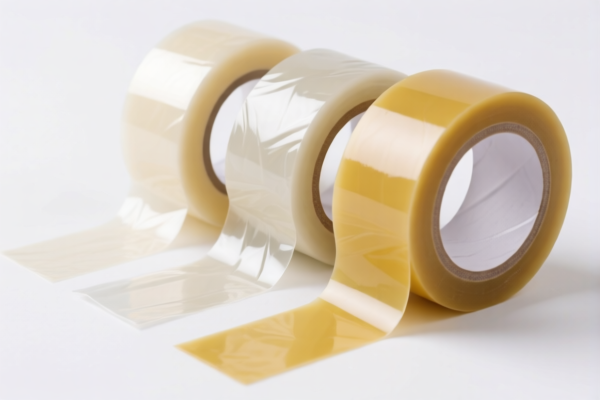
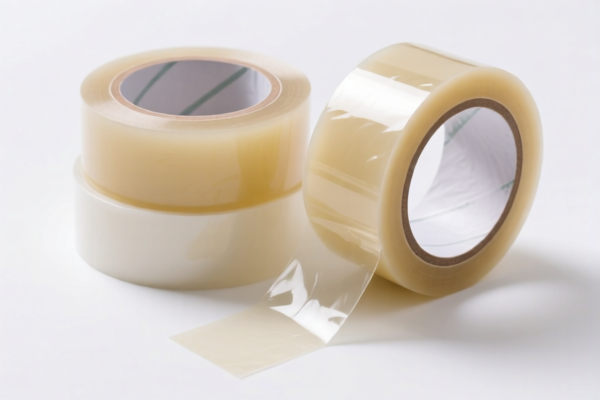
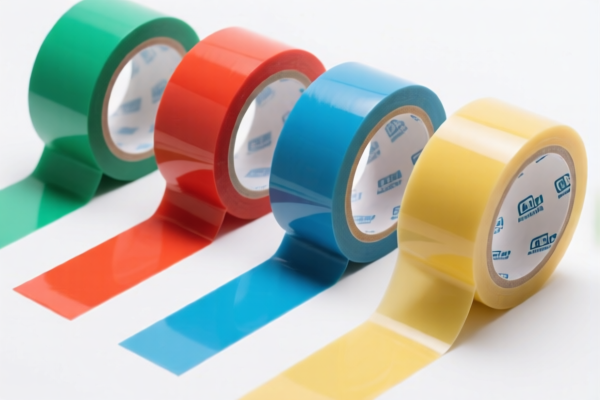
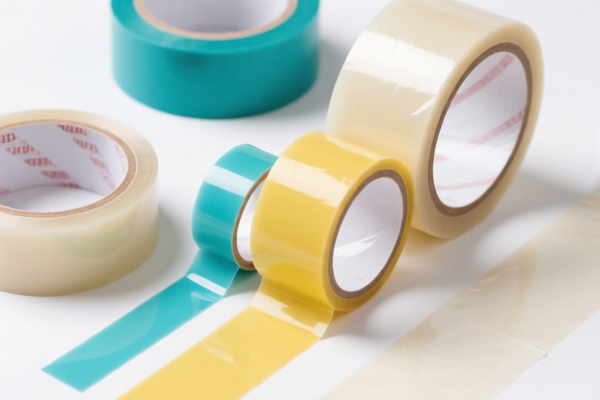
AI Analysis
📦 Other Plastic Self-Adhesive Protective Film Tape
🌐 HS Code Reference & Customs Clearance Guide | 2026 Latest Tariff Analysis | Professional Clearance Strategy
📌 I. Product Definition & Classification: Do You Really Know "Plastic Self-Adhesive Tape"?
"Other Plastic Self-Adhesive Protective Film Tape" is a broad category covering various plastic-based tapes used for protection, fixing, or packaging. In international trade, classification depends heavily on material composition, form factor (strip, roll, sheet), and whether it is purely plastic or composite (e.g., paper with plastic coating).
Key Distinction Points:
- Pure Plastic Tapes: If the backing is entirely plastic (e.g., PVC, PE, PP), it generally falls under Chapter 39.
- Composite Tapes: If the tape has a paper backing with a plastic coating/adhesive, it may fall under Chapter 48 (Paper products).
- Form Matters: "Strip-like" vs. "Sheet-like" structures trigger different subheadings (e.g., 3926.90 vs. 3919.10 vs. 3919.90).
⚠️ Critical Warning:
- Misclassification leads to massive tariff differences (from 22.8% to 40.8% or more).
- The term "Protective Film" often triggers scrutiny under Section 301 and Section 122 duties if misidentified.
📦 II. HS Code Classification Details (2026 Latest Tariff Authority Comparison)
Based on the provided data, here are the 5 potential HS Codes for "Other Plastic Self-Adhesive Protective Film Tape," ordered by likelihood and tax implications.
| HS Code | Product Description (from Data) | Key Characteristics | Total Tax Rate |
|---|---|---|---|
| 3926.90.99.05 | Other plastic self-adhesive strips | Material: Plastic Form: Strip-like Category: Catch-all/Other plastic articles |
22.8% |
| 3926.90.99.89 | Other plastic self-adhesive strips | Material: Plastic Category: Unlisted other plastic products |
22.8% |
| 4811.59.40.40 | Other plastic self-adhesive strips | Material: Paper with plastic coverage (Tentative) Form: Strip-like |
35.0% |
| 3919.10.20.55 | Other plastic self-adhesive strips | Material: Plastic Form: Strip/Belt-like Use: Self-adhesive |
40.8% |
| 3919.90.50.60 | Other plastic self-adhesive colored sheets | Material: Plastic Form: Sheet-like Category: Other self-adhesive plastic sheets |
40.8% |
🔍 Analysis:
- Cheapest Option (22.8%):3926.90.99.05and3926.90.99.89. These are classified as "Other plastic articles" not elsewhere specified. Ideal if the product is a simple plastic strip without complex functional components.
- Mid-Range (35.0%):4811.59.40.40. Applies if the tape is paper-based with a plastic coating.
- Most Expensive (40.8%):3919.10.20.55and3919.90.50.60. These fall under "Self-adhesive plates, sheets, film, paper, tape..." which often attracts higher "Section 301" additional duties.
💰 III. 2026 Latest Tariff Rate Breakdown (Including Surtaxes & Policy Additions)
✅ Applicable Country: United States (US)
✅ Origin: China (CN)
✅ Effective Time: Current rates apply to imports from China.
🎯 1. 3926.90.99.05 & 3926.90.99.89 —— The "Low-Tax" Plastic Articles Strategy
| Item | Detail |
|---|---|
| Base Tariff | 5.3% (Ad Valorem) |
| Section 301 Additional Tariff | +7.5% (Specific rate for these subheadings) |
| Section 122 Tariff | +10% (Trade remedy measure) |
| Total Tax Rate | 22.8% |
| Calculation | CIF Value × 22.8% |
| De Minimis Eligibility | ❌ No (Deny De Minimis) |
| Legal Basis Path | USITC:3926.90.99.05 → Footnote: 9903.01.18 (Section 301) + Section 122 |
📌 Explanation:
- This is the most favorable classification for pure plastic tapes that don't fit neatly into "Self-Adhesive Plates/Sheets" (3919).
- The lower Section 301 rate (7.5% vs. 25%) makes a huge difference in cost.
- Crucial: You must prove the product is an "Other plastic article" and not a "Self-adhesive tape" under 3919.
🎯 2. 4811.59.40.40 —— The "Paper-Based" Composite Tape
| Item | Detail |
|---|---|
| Base Tariff | 0.0% (Paper products often have lower base rates) |
| Section 301 Additional Tariff | +25.0% |
| Section 122 Tariff | +10% |
| Total Tax Rate | 35.0% |
| Calculation | CIF Value × 35.0% |
| De Minimis Eligibility | ❌ No |
| Legal Basis Path | USITC:4811.59.40.40 → Footnote: 9903.01.08 (Section 301) + Section 122 |
📌 Explanation:
- If your tape is paper-backed with plastic adhesive, it cannot use the 3926 codes.
- Although the base rate is 0%, the 25% Section 301 rate pushes the total to 35%.
- Not recommended if you can legally classify it as pure plastic (3926).
🎯 3. 3919.10.20.55 & 3919.90.50.60 —— The "Self-Adhesive" High-Tax Trap
| Item | Detail |
|---|---|
| Base Tariff | 5.8% |
| Section 301 Additional Tariff | +25.0% (High rate for self-adhesive items) |
| Section 122 Tariff | +10% |
| Total Tax Rate | 40.8% |
| Calculation | CIF Value × 40.8% |
| De Minimis Eligibility | ❌ No |
| Legal Basis Path | USITC:3919.10.20.55 → Footnote: 9903.01.08 (Section 301) + Section 122 |
📌 Explanation:
- This is the default and most expensive classification for most self-adhesive plastic tapes.
- Customs often defaults to 3919 unless strong evidence supports 3926.
- Avoid this if you can argue the product is a "Plastic Article" (3926) rather than a "Self-Adhesive Tape" (3919).
🛠️ IV. Customs Clearance Practical Advice (Battle-Tested Pitfall Avoidance)
✅ 1. Preparation Checklist (Non-Negotiable)
| Document | Required? | Notes |
|---|---|---|
| ✅ Product Specification Sheet | ✔️ | Must clearly state Material (e.g., 100% PE, PVC, PET) and Structure (Single layer, Multi-layer). |
| ✅ Structure Diagram | ✔️ | Show if it's Pure Plastic or Paper + Plastic Coating. This is the key to choosing between 3926, 4811, and 3919. |
| ✅ Product Photos | ✔️ | Include close-ups of the cross-section and the adhesive side. |
| ✅ Commercial Invoice | ✔️ | Use precise descriptions. Avoid vague terms like "Tape." Use "Plastic Protective Strip." |
| ✅ Origin Certificate | ✔️ | If from Vietnam/Thailand, check for IEEPA exemptions (though less common for plastics than electronics). |
✅ 2. Classification Strategy & Naming Tips (Key Mantra)
🔥 "Pure Plastic, Go 3926; Paper Base, Go 4811; Self-Adhesive Trap, Avoid 3919!"
| Scenario | Recommended HS Code | Reasoning |
|---|---|---|
| 100% Plastic Strip (e.g., PE, PVC) | 3926.90.99.05 | "Other plastic articles." Lower Section 301 duty (7.5%). |
| Paper Tape with Plastic Coating | 4811.59.40.40 | Base material is paper. Higher Section 301 (25%). |
| Standard Self-Adhesive Tape (Default) | 3919.10.20.55 | High Section 301 (25%). Only use if no other option fits. |
| Colored Plastic Sheets | 3919.90.50.60 | Form factor is "Sheet," not "Strip." High tax. |
📝 Recommended Product Name for Invoice:
- Instead of: "Self-Adhesive Plastic Tape" (Triggers 3919)
- Use: "Protective Plastic Strip, 100% Polyethylene, Non-Adhesive Backing or Specific Adhesive Type" (Supports 3926)
✅ 3. Special Circumstances Handling
| Situation | Handling Advice |
|---|---|
| OEM Custom Tape | Provide design specs showing the material composition. If it's a simple plastic strip, argue for 3926. |
| Multi-Layer Tape | If it has a plastic carrier + adhesive + liner, ensure the carrier is defined as plastic. If the carrier is paper, you're stuck with 4811. |
| "Protective Film" Marketing | Avoid using "Film" in the HS Code description if it's actually a "Strip." Customs may view "Film" as 3920 (Plates/Sheets) which also has high duties. |
| Origin | If re-exported from a third country, ensure no "Substantial Transformation" occurred. Otherwise, Chinese origin rules still apply. |
🌍 V. Global Market Comparison (2026 Update)
| Country/Region | Recommended HS Code | Total Tariff (China Origin) | Notes |
|---|---|---|---|
| 🇺🇸 USA | 3926.90.99.05 |
22.8% | Lowest US rate for plastic strips. |
| 🇺🇸 USA | 3919.10.20.55 |
40.8% | Avoid if possible. |
| 🇨🇳 China | 3926.90.99.05 |
~6-9% | No Section 301/122. Low cost for domestic sales. |
| 🇪🇺 EU | 3926.90.99 |
~6.5% | No Section 301. Standard MFN rate applies. |
| 🇯🇵 Japan | 3926.90.99 |
~6% | No Section 301. |
📌 Conclusion:
- USA is the critical market where classification determines a ~18% cost difference (22.8% vs 40.8%).
- EU/Japan are more forgiving, but accurate classification still prevents delays.
📌 VI. Common Errors & Pitfall Guide (Lessons from the Field)
❌ Error 1: Calling a pure plastic strip "Self-Adhesive Tape"
👉 Consequence: Customs assigns 3919 code → 40.8% Tax.
👉 Fix: Describe it as "Plastic Protective Strip" and emphasize material composition.
❌ Error 2: Ignoring the "Strip" vs. "Sheet" distinction
👉 Consequence: Misclassification under 3919.90 (Sheets) → 40.8% Tax.
👉 Fix: Ensure dimensions and form factor match "Strip" (long, narrow) for 3926.
❌ Error 3: Failing to prove "Plastic" vs. "Paper"
👉 Consequence: Customs assumes paper → 4811 → 35.0% Tax.
👉 Fix: Provide material test reports or supplier declarations confirming 100% plastic composition.
🎯 VII. Conclusion: Precision Classification, Maximum Profit!
🎯 Remember the Mantra:
🔹 "Pure Plastic, Low Tax (22.8%); Paper Base, Mid Tax (35%); Self-Adhesive, High Tax (40.8%)."
🔹 "One wrong word on the invoice, and you pay 18% more!"
📌 Pro Tip:
If your tape is 100% plastic and strip-shaped, fight for 3926.90.99.05.
- Action: Submit a Pre-Ruling Request with the US Customs and Border Protection (CBP) to lock in the 22.8% rate.
- Documentation: Include a Material Safety Data Sheet (MSDS) or Material Composition Certificate to prove it's not paper or fabric.
📣 Immediate Action:
📞 Consult a Customs Broker before shipping.
📄 Prepare Material Specifications highlighting "Plastic Composition" and "Strip Form."
🚀 Avoid the 40.8% Tax Trap by classifying correctly from Day 1!
✨ Professional Clearance Starts with Precise Classification!
💼 Your Every Dollar Saved is a Dollar Earned!
Customer Reviews
About HS Code Classification
The Harmonized System (HS) is an internationally standardized nomenclature developed by the World Customs Organization (WCO) to classify traded products. Over 200 countries use the HS system as the basis for customs tariffs, trade statistics, and import/export regulations.
Each HS code follows a hierarchical structure:
- Chapter (2 digits) — Broad category of goods (e.g., Chapter 84: Machinery and Mechanical Appliances)
- Heading (4 digits) — More specific grouping within the chapter
- Subheading (6 digits) — Internationally standardized breakdown, used by all WCO member countries
- National subdivisions (8-10 digits) — Country-specific extensions for further classification, such as US HTSUS 10-digit codes
Correct HS code classification is essential for smooth customs clearance, accurate duty payment, and compliance with trade regulations. Misclassification can lead to customs delays, overpayment of duties, or penalties.
When importing from CN to US, the applicable tariff rates may include:
- Most-Favored-Nation (MFN) rate — The standard duty rate applied to WTO members
- General rate — Applied to countries without trade agreements
- Trade remedy duties — Additional tariffs such as Section 301 (anti-dumping), Section 232 (national security), or countervailing duties
The information provided on this page is for reference purposes only. For official classification, please consult with your local customs authority or a licensed customs broker.