Other Plastic Wall Decor (Eco friendly)
CN → US| HS Code | Tariff Rate | Origin | Destination | Doc |
|---|---|---|---|---|
| 5903903090 | 37.7% | CN | US | Official Doc |
| 4814900200 | 17.5% | CN | US | Official Doc |
| 4814200000 | 17.5% | CN | US | Official Doc |
| 5903901000 | 37.7% | CN | US | Official Doc |
| 3926909989 | 22.8% | CN | US | Official Doc |
Product Images
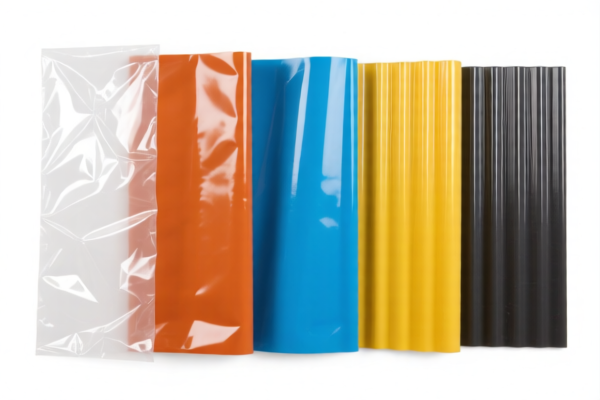
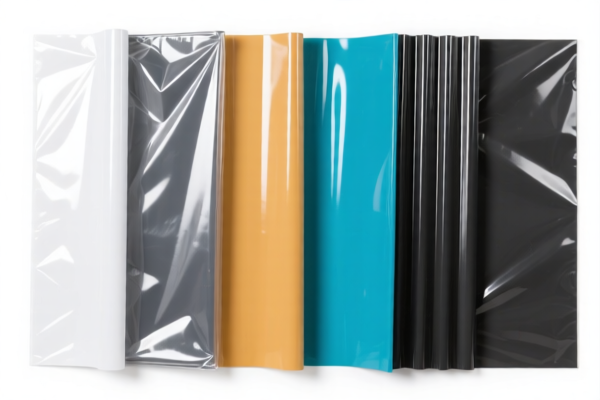
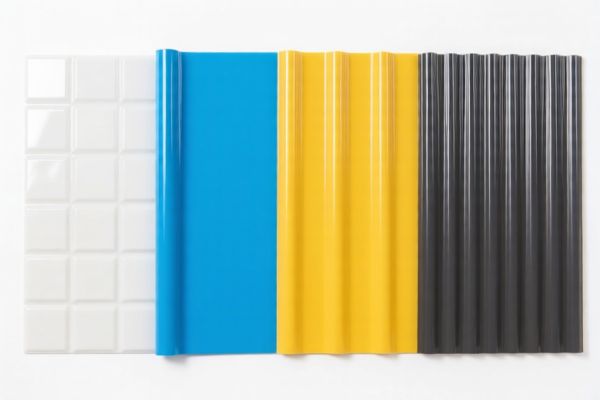
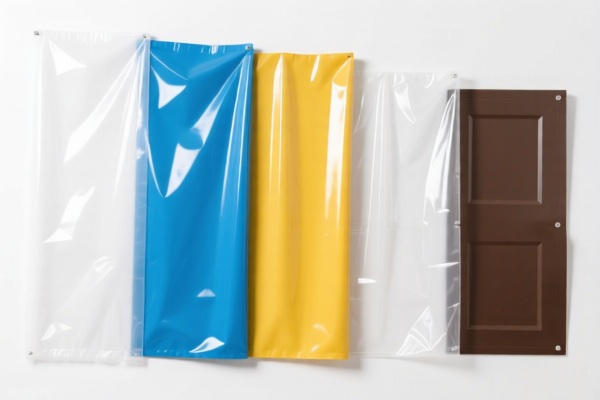
AI Analysis
🎨 Other Plastic Wall Decor (Eco Friendly)
🌐 HS Code Reference & Customs Clearance Guide | 2026 Latest Tariff Analysis | Professional Clearance Strategy
📌 I. Product Definition & Classification: What is "Other Plastic Wall Decor"?
"Other Plastic Wall Decor" refers to wall covering materials primarily made of plastic or coated paper, used for interior decoration. The classification depends heavily on the core material structure: 1. Plastic-Only/Coated Fabric: Materials that are essentially plastic-coated textiles or pure plastic sheets. 2. Paper-Based: Materials that are essentially paper with a plastic coating or layer.
⚠️ Key Distinction Point:
- If the product is primarily a plastic-coated fabric or pure plastic sheet → It falls under Chapter 59 (Impregnated, Coated, Covered or Laminated Textile Fabrics).
- If the product is primarily paper/cardboard with a plastic decorative layer → It falls under Chapter 48 (Paper and Paperboard).
- If the product is a generic plastic molding or non-specific plastic item → It may fall under Chapter 39 (Plastics and Articles Thereof).
📦 II. HS Code Classification Details (2026 Latest Tariff Authoritative Comparison)
Based on the specific structural characteristics provided in the data, here are the 5 possible classifications:
| HS Code | Product Description | Structural Feature | Application Scenario |
|---|---|---|---|
5903.90.30.90 |
Plastic-coated wall covering | Non-wool/Non-fine animal hair plastic-coated fabric | Plastic-coated wallpapers, fabric-based wall coverings |
4814.90.02.00 |
Paper-based wall covering with plastic layer | Paper/Cardboard base with plastic decoration | PVC-coated wallpaper, paper-based decorative sheets |
4814.20.00.00 |
Plastic-coated paper wallpaper | Plastic-coated/laminated paper | Standard vinyl-coated paper wallpapers |
5903.90.10.00 |
Coated/Laminated Fabric | Textile base with plastic coating | Fabric-backed wall coverings, other coated textiles |
3926.90.99.89 |
Other Plastic Articles | Generic Plastic item (Fallback category) | Non-specified plastic wall panels, pure plastic decorations |
🔍 Critical Reminder:
- Products like vinyl wallpaper (paper core + PVC layer) are usually classified under 4814 to enjoy lower base duties, but still face additional tariffs.
- Products like fabric-backed vinyl are classified under 5903, which often carries higher base tariffs.
- Pure plastic sheets without textile/paper backing may fall under 3926, but this is a "catch-all" and may not apply if a more specific description fits.
💰 III. 2026 Latest Tariff Rate Breakdown (Including Additional Taxes & Policy Surcharges)
✅ Applicable Country: United States (US)
✅ Origin: China (CN)
✅ Effective Time: Ongoing (as per data context)
🎯 1. 5903.90.30.90 & 5903.90.10.00 —— Plastic-Coated Fabric / Coated Textile
| Item | Content |
|---|---|
| Base Duty Rate | 2.7% (Ad valorem) |
| Section 301 Additional Duty | +25.0% |
| 122 Clause Duty | +10.0% |
| Total Effective Rate | 37.7% |
| Tax Calculation | CIF Value × 37.7% |
| De Minimis Exemption | ❌ Not Applicable |
📌 Explanation:
- These codes fall under Section 301 (Trade War Tariffs), subject to the full 25% additional tariff.
- Plus the 10% Section 122 duty (if applicable under specific trade measures).
- Total 37.7% is a high tariff bracket, significantly impacting cost competitiveness.
🎯 2. 4814.90.02.00 & 4814.20.00.00 —— Paper-Based Wall Covering (Plastic-Coated)
| Item | Content |
|---|---|
| Base Duty Rate | 0.0% |
| Section 301 Additional Duty | +7.5% |
| 122 Clause Duty | +10.0% |
| Total Effective Rate | 17.5% |
| Tax Calculation | CIF Value × 17.5% |
| De Minimis Exemption | ❌ Not Applicable |
📌 Explanation:
- These codes benefit from a 0% base duty due to their paper-based classification.
- They are subject to a reduced 7.5% Section 301 additional duty (partial exclusion or lower tier).
- Plus the 10% Section 122 duty.
- Total 17.5% is significantly lower than the fabric-based options, making this a cost-effective classification if structurally accurate.
🎯 3. 3926.90.99.89 —— Other Plastic Articles (General Plastic)
| Item | Content |
|---|---|
| Base Duty Rate | 5.3% |
| Section 301 Additional Duty | +7.5% |
| 122 Clause Duty | +10.0% |
| Total Effective Rate | 22.8% |
| Tax Calculation | CIF Value × 22.8% |
| De Minimis Exemption | ❌ Not Applicable |
📌 Explanation:
- This is a fallback category for plastic items not specifically classified elsewhere.
- It has a moderate 5.3% base duty.
- Subject to 7.5% Section 301 and 10% Section 122.
- Total 22.8% is mid-range, but less accurate if the product is clearly paper-based or fabric-based.
🛠️ IV. Customs Clearance Practical Advice (Real-World Pitfall Avoidance Guide)
✅ 1. Essential Documentation Checklist (Non-Negotiable)
| Document | Required | Notes |
|---|---|---|
| ✅ Product Specification Sheet | ✔️ | Must detail material composition (e.g., "70% Paper, 30% PVC") |
| ✅ Material Breakdown | ✔️ | Clearly state if the core is paper, fabric, or pure plastic |
| ✅ Product Photos (Labeled) | ✔️ | Show texture, layers, and backing material |
| ✅ Commercial Invoice | ✔️ | Description must match HS code logic (e.g., "Paper-Based Wallpaper with Plastic Coating") |
| ✅ Packing List | ✔️ | Ensure quantity and weight match |
✅ 2. Declaration Strategy (Key Mantra)
🔥 “Structure Dictates Code, Paper Saves 20%, Fabric Costs 38%!”
| Scenario | Correct Declaration | Risk of Error |
|---|---|---|
| Paper Core + Plastic Layer | 4814.90.02.00 or 4814.20.00.00 |
✅ Low Tax (17.5%) |
| Fabric Core + Plastic Layer | 5903.90.10.00 or 5903.90.30.90 |
❌ High Tax (37.7%) |
| Pure Plastic Sheet | 3926.90.99.89 |
⚠️ Mid Tax (22.8%) but may be rejected if misclassified |
📌 Warning:
- Do not misdeclare fabric-based products as paper-based to save taxes. Customs may inspect and penalize.
- Ensure the description in the invoice explicitly states the core material (e.g., "Paper Backed") to justify the4814classification.
✅ 3. Special Cases & Optimization
| Situation | Recommendation |
|---|---|
| "Eco-Friendly" Label | If made from biodegradable plastics or recycled paper, provide certificates (e.g., FSC, GreenGuard). This does not reduce tariff but may aid marketability. |
| Mixed Materials | If the product has multiple layers, use the essential character rule. If paper is the bulk, use 4814. If fabric is dominant, use 5903. |
| Sample vs. Bulk | Ensure bulk shipments match the declared composition. Customs often test samples to verify material percentage. |
🌍 V. Global Market Comparison (2026 Latest)
| Country/Region | Recommended HS Code | Total Duty Rate | Remarks |
|---|---|---|---|
| 🇺🇸 USA | 4814.20.00.00 (if paper-based) |
17.5% | Best option if structurally paper-based |
| 🇺🇸 USA | 5903.90.10.00 (if fabric-based) |
37.7% | Avoid if possible due to high cost |
| 🇪🇺 EU | 4814.20.00 |
0% | No Section 301/122 tariffs in EU |
| 🇨🇳 China | 4814.20.00 |
3-5% | Low import duty for domestic sale |
📌 Conclusion:
- USA is the most challenging market due to Section 301 + 122 tariffs.
- Classifying as paper-based (4814) saves ~20% in duties compared to fabric-based (5903).
- Accurate material declaration is critical to avoid penalties.
📌 VI. Common Mistakes & Pitfall Guide
❌ Mistake 1: Declaring fabric-based wall decor as "Paper Wallpaper"
👉 Result: Customs inspection reveals fabric backing → Reclassification + Penalty + 20% Tax Increase.
❌ Mistake 2: Ignoring the "122 Clause"
👉 Result: Underpaying taxes → Debt Collection + Delayed Release.
❌ Mistake 3: Using vague descriptions like "Wall Decor"
👉 Result: Customs assigns highest possible duty → 22.8%-37.7% with no appeal.
✅ Correct Practice:
"PVC-Coated Paper Wallpaper, 100% Paper Core with 0.2mm PVC Layer, Eco-Friendly Certified, Model XYZ"
🎯 VII. Conclusion: Professional Classification Saves Money!
🎯 Remember the Mantra:
🔹 “Paper Base = 17.5% | Fabric Base = 37.7% | Pure Plastic = 22.8%”
🔹 “Declare Core Material, Avoid High Duties, Stay Compliant!”
📌 Pro Tip:
If your product is paper-based, ensure the paper content is dominant (e.g., >50% by weight) to justify
4814. If it’s a thin paper on a thick plastic sheet, it may still be5903or3926.
Consult a customs broker to analyze your specific product structure before shipping.
📣 Immediate Action:
📞 Verify Material Composition → Choose Correct HS Code → Prepare Supporting Docs
🚀 Save 20% in Duties with Accurate Classification!
✨ Professional Clearance Starts with Precise Classification!
💼 Every Dollar Saved is a Dollar Earned!
Customer Reviews
About HS Code Classification
The Harmonized System (HS) is an internationally standardized nomenclature developed by the World Customs Organization (WCO) to classify traded products. Over 200 countries use the HS system as the basis for customs tariffs, trade statistics, and import/export regulations.
Each HS code follows a hierarchical structure:
- Chapter (2 digits) — Broad category of goods (e.g., Chapter 84: Machinery and Mechanical Appliances)
- Heading (4 digits) — More specific grouping within the chapter
- Subheading (6 digits) — Internationally standardized breakdown, used by all WCO member countries
- National subdivisions (8-10 digits) — Country-specific extensions for further classification, such as US HTSUS 10-digit codes
Correct HS code classification is essential for smooth customs clearance, accurate duty payment, and compliance with trade regulations. Misclassification can lead to customs delays, overpayment of duties, or penalties.
When importing from CN to US, the applicable tariff rates may include:
- Most-Favored-Nation (MFN) rate — The standard duty rate applied to WTO members
- General rate — Applied to countries without trade agreements
- Trade remedy duties — Additional tariffs such as Section 301 (anti-dumping), Section 232 (national security), or countervailing duties
The information provided on this page is for reference purposes only. For official classification, please consult with your local customs authority or a licensed customs broker.