Other Polyvinyl Chloride Plastic Foil
CN → US| HS Code | Tariff Rate | Origin | Destination | Doc |
|---|---|---|---|---|
| 3920992000 | 39.2% | CN | US | Official Doc |
| 3920995000 | 40.8% | CN | US | Official Doc |
| 3921904010 | 39.2% | CN | US | Official Doc |
| 3921905050 | 39.8% | CN | US | Official Doc |
| 3920992000 | 39.2% | CN | US | Official Doc |
Product Images
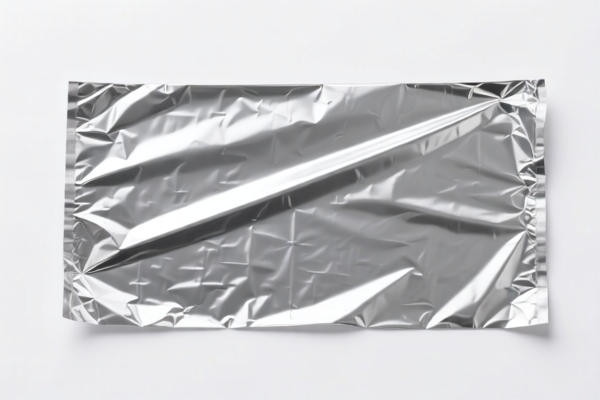
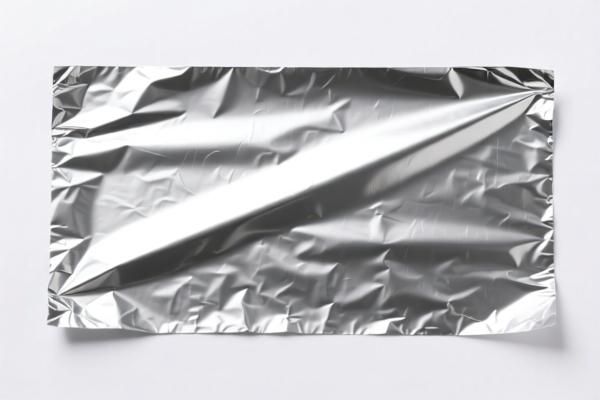
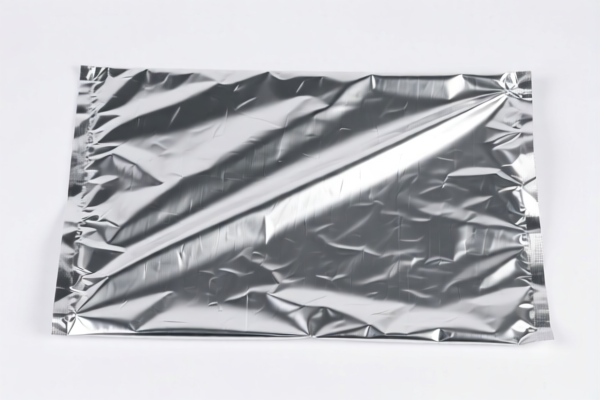
AI Analysis
🧪 Other Polyvinyl Chloride (PVC) Plastic Foil
🌐 HS Code Reference & Customs Clearance Guide | 2026 Latest Tariff Analysis | Professional Compliance Strategy 📌 I. Product Definition & Classification: Understanding "PVC Foil"
Polyvinyl Chloride (PVC) plastic foil (often referred to as PVC film or sheet) is a versatile industrial material used in packaging, construction, signage, and consumer goods. In international trade, it is primarily categorized under Chapter 39: Plastics and Articles Thereof.
Key Characteristics: * Material: Polyvinyl Chloride (PVC). * Form: Thin, flexible sheets (foils/films) or plates/sheets. * State: Usually non-foamed, non-reinforced, and uncombined with other materials.
⚠️ Critical Distinction:
- If the product is a simple plastic film/foil (flexible, thin), it typically falls under Heading 3920 (Plate, Sheet, Film, Foil and Strip, of Plastics, Uncombined with Other Materials).
- If the product is a stiffer plate/sheet or combined with other layers, it may fall under Heading 3921 (Plate, Sheet, Film, Foil and Strip, of Plastics, Combined with Other Materials).
- Note on "Other": The term "Other" in HS codes generally excludes items specifically listed elsewhere (e.g., reinforced, cellular/foamed, or used for specific technical purposes like electrical insulation).
📦 II. HS Code Classification Details (Based on Provided Data)
The provided data indicates that this PVC foil is subject to significant additional tariffs (likely US import duties from China, given the "122 Clause" and "Section 301" references). Below are the five possible classifications and their associated tax structures.
| HS Code | Summary Description | Total Tax Rate | Tax Detail Breakdown |
|---|---|---|---|
| 3920.99.20.00 | Matches PVC material & foil form; classified as Other plastic products. | 39.2% | Base: 4.2% + Add-on: 25.0% + 122 Clause: 10% |
| 3920.99.50.00 | Matches PVC material & foil form; fits Non-foamed, non-reinforced plastic film category. | 40.8% | Base: 5.8% + Add-on: 25.0% + 122 Clause: 10% |
| 3921.90.40.10 | Matches PVC material & foil form; classified as Other plastic plates, sheets, film, foil, and strip. | 39.2% | Base: 4.2% + Add-on: 25.0% + 122 Clause: 10% |
| 3921.90.50.50 | Matches PVC material & foil form; fits Other plastic plates, sheets, film, foil, and strip category. | 39.8% | Base: 4.8% + Add-on: 25.0% + 122 Clause: 10% |
| 3920.99.20.00 | Matches PVC material & foil form; classified as Other plastic flexible film. | 39.2% | Base: 4.2% + Add-on: 25.0% + 122 Clause: 10% |
🔍 Key Observation:
- The majority of classifications (3920.99.20.00) result in a 39.2% total tax rate.
- One variant (3920.99.50.00) has a slightly higher base rate (5.8%), leading to a 40.8% total.
- Another variant (3921.90.50.50) falls under a different heading (3921) with a base of 4.8%, totaling 39.8%.
- Common Element: All include a 25% add-on tariff (likely Section 301) and a 10% "122 Clause" tariff (often associated with specific trade remedy measures or bilateral agreements).
💰 III. 2026 Latest Tariff Rate Detailed Breakdown
✅ Applicable Context: Based on the "122 Clause" and "Add-on Tariff" structure, this data reflects US Import Tariffs on Chinese-origin goods.
✅ Product: Other PVC Plastic Foil.
✅ Effective Time: Current applicable rates (subject to change per US Trade Representative updates).
🎯 Scenario A: Most Common Classification (3920.99.20.00)
| Item | Content |
|---|---|
| Base Tariff (MFN) | 4.2% |
| Section 301 Add-on Tariff | +25.0% |
| "122 Clause" / Other Add-on | +10.0% |
| Total Effective Tax Rate | 39.2% |
| Calculation | CIF Value × 39.2% |
| De Minimis Eligibility | ❌ No (Likely denied due to high total rate and product type) |
📌 Explanation:
- Base (4.2%): Standard Most Favored Nation (MFN) rate for other plastic films/sheets.
- Add-on (25%): Tariff imposed under Section 301 of the Trade Act of 1974 on Chinese goods.
- 122 Clause (10%): Likely refers to a specific bilateral agreement tariff, anti-dumping/countervailing duty adjustment, or a specific US Customs directive for certain plastic imports from China.
- Total (39.2%): High cost burden. Importers must factor this into pricing strategies.
🎯 Scenario B: Non-foamed/Non-reinforced Film (3920.99.50.00)
| Item | Content |
|---|---|
| Base Tariff (MFN) | 5.8% |
| Section 301 Add-on Tariff | +25.0% |
| "122 Clause" / Other Add-on | +10.0% |
| Total Effective Tax Rate | 40.8% |
| Calculation | CIF Value × 40.8% |
| De Minimis Eligibility | ❌ No |
📌 Note: Slightly higher due to a higher base rate. This classification is often used for general-purpose PVC films that don't fit more specific subheadings.
🎯 Scenario C: Other Plastic Plates/Sheets (3921.90.40.10 & 3921.90.50.50)
| Item | Content |
|---|---|
| Base Tariff (MFN) | 4.2% - 4.8% |
| Section 301 Add-on Tariff | +25.0% |
| "122 Clause" / Other Add-on | +10.0% |
| Total Effective Tax Rate | 39.2% - 39.8% |
| Calculation | CIF Value × 39.2-39.8% |
| De Minimis Eligibility | ❌ No |
📌 Note: Heading 3921 applies if the PVC foil is combined with other materials (e.g., paper, metal, other plastics) or is stiffer than standard film. The tax impact is similar to 3920 classifications.
🛠️ IV. Customs Clearance Practical Advice (Avoiding Pitfalls)
✅ 1. Preparation Checklist (Essential Documents)
| Document | Required? | Notes |
|---|---|---|
| ✅ Product Specification Sheet | ✔️ | Must specify: PVC content, thickness, width, flexibility, and whether it is foamed/reinforced. |
| ✅ Certificate of Origin (CO) | ✔️ | Critical for confirming Chinese origin (which triggers the 25% + 10% tariffs). |
| ✅ Commercial Invoice | ✔️ | Clearly state: "PVC Plastic Foil, Not Foamed, Not Reinforced" or similar precise description. |
| ✅ Packing List | ✔️ | Detail dimensions and weight to ensure accurate valuation. |
| ✅ Customs Ruling (if available) | ✔️ | If previously classified, reference the ruling number. |
✅ 2. Declaration Tips (Key Mnemonics)
🔥 "Be Precise: 'PVC' is not enough! Specify 'Foil', 'Film', or 'Sheet'."
| Situation | Correct Declaration | Risk of Incorrect Declaration |
|---|---|---|
| Flexible PVC Roll | 3920.99.20.00 ("Other plastic products") |
Misclassification → Delay, fines, or higher tax (40.8%). |
| Stiff PVC Sheet | 3921.90.40.10 ("Other plastic plates...") |
Misclassification → Wrong heading, potential duty evasion claims. |
| Foamed PVC | Not in data (Likely different HS) | If declared as non-foamed, it could be rejected. |
| Reinforced PVC | Not in data (Likely different HS) | If declared as non-reinforced, severe penalties. |
✅ 3. Special Considerations
| Situation | Handling Advice |
|---|---|
| Mixed Material | If the PVC foil is laminated with paper or foil, it likely falls under 3921, not 3920. Ensure documentation reflects this. |
| Origin Shifting | If shipped from Vietnam or Mexico, verify if it qualifies for USMCA or other FTAs to potentially avoid the 25%+10% add-ons. Note: Simple processing may not be enough. |
| De Minimis | Do not rely on $800 de minimis exemption if the goods are high-value or if CBP suspects circumvention. PVC foils are often scrutinized. |
| Anti-Dumping/Countervailing Duties (AD/CVD) | Check if PVC foils from China are subject to AD/CVD orders. The "122 Clause" may be related, but separate AD/CVD cases exist. |
🌍 V. Global Market Comparison (2026)
| Country/Region | Recommended HS Code | Estimated Tariff (China Origin) | Certification Required | Notes |
|---|---|---|---|---|
| 🇺🇸 USA | 3920.99.20.00 / 3921.90.40.10 |
39.2% - 40.8% | None specific for PVC foil | High tariffs due to Section 301 & 122 Clause. |
| 🇨🇳 China | 3920.99.20.00 |
~5-6% (Import Duty) | CCC (if applicable) | Lower entry barrier for domestic use. |
| 🇪🇺 EU | 3920.20.00 |
~6.5% | REACH, RoHS | No major punitive tariffs on PVC foil from China. |
| 🇯🇵 Japan | 3920.20.00 |
~6% | JIS Standards | Stable tariff structure. |
| 🇦🇺 Australia | 3920.20.00 |
~5% | ACCC Compliance | Moderate tariffs. |
📌 Conclusion:
- The USA imposes the highest cost on Chinese PVC foils due to multiple layers of tariffs.
- EU, Japan, and Australia offer more favorable rates for similar products.
- Supply Chain Strategy: Consider sourcing PVC foils from non-China countries (e.g., Thailand, Vietnam, Malaysia) to mitigate US tariff risks, provided rules of origin are met.
📌 VI. Common Errors & Pitfalls (Lessons Learned)
❌ Error 1: Declaring PVC Foil as "Plastic Wrap" without specifying PVC.
👉 Consequence: Misclassification under a different heading, leading to incorrect tax assessment and potential audits.
❌ Error 2: Ignoring the "122 Clause" Tariff.
👉 Consequence: Unexpected 10% charge at customs, causing cash flow issues and delayed release.
❌ Error 3: Assuming all plastic films are classified under 3920.
👉 Consequence: If the film is combined with other materials (e.g., adhesive, backing), it should be 3921. Misclassification can lead to penalties.
❌ Error 4: Failing to provide thickness/foam details.
👉 Consequence: Customs may reclassify the product, resulting in a higher tax rate (e.g., 40.8% instead of 39.2%).
✅ Correct Practice:
"Polyvinyl Chloride (PVC) Plastic Foil, Non-foamed, Non-reinforced, Uncombined with Other Materials, Width: XX cm, Thickness: XX mm, Model: XYZ, Origin: China"
🎯 VII. Conclusion: Professional Declaration, Cost Control
🎯 Remember Mnemonic:
🔹 "PVC Foil: Check 3920 or 3921.
🔹 Base + 25% + 10% = ~39% Tax.
🔹 Origin Matters: China High Cost, Others Lower.
🔹 Documentation is Key: Specify 'Non-foamed', 'Non-reinforced'."
📌 Tip:
If your PVC foil is shipped from Vietnam, Thailand, or Malaysia, check if it qualifies for preferential tariff treatment under US free trade agreements or general tariffs. This could reduce the 35-40% burden significantly.
Consider applying for a US Customs Ruling in advance to lock in the correct HS Code and avoid surprise duties.
📣 Immediate Action:
📞 Consult with a licensed customs broker.
📄 Provide detailed product specs (thickness, flexibility, composition).
🚀 Optimize supply chain to mitigate US tariff impact.
✨ Precise Classification Saves Money!
💼 Every Percent of Tariff Counts!
Customer Reviews
About HS Code Classification
The Harmonized System (HS) is an internationally standardized nomenclature developed by the World Customs Organization (WCO) to classify traded products. Over 200 countries use the HS system as the basis for customs tariffs, trade statistics, and import/export regulations.
Each HS code follows a hierarchical structure:
- Chapter (2 digits) — Broad category of goods (e.g., Chapter 84: Machinery and Mechanical Appliances)
- Heading (4 digits) — More specific grouping within the chapter
- Subheading (6 digits) — Internationally standardized breakdown, used by all WCO member countries
- National subdivisions (8-10 digits) — Country-specific extensions for further classification, such as US HTSUS 10-digit codes
Correct HS code classification is essential for smooth customs clearance, accurate duty payment, and compliance with trade regulations. Misclassification can lead to customs delays, overpayment of duties, or penalties.
When importing from CN to US, the applicable tariff rates may include:
- Most-Favored-Nation (MFN) rate — The standard duty rate applied to WTO members
- General rate — Applied to countries without trade agreements
- Trade remedy duties — Additional tariffs such as Section 301 (anti-dumping), Section 232 (national security), or countervailing duties
The information provided on this page is for reference purposes only. For official classification, please consult with your local customs authority or a licensed customs broker.