Other Primary Forms of Acrylic Polymers
CN → US| HS Code | Tariff Rate | Origin | Destination | Doc |
|---|---|---|---|---|
| 3921190090 | 41.5% | CN | US | Official Doc |
| 3920591000 | 41.0% | CN | US | Official Doc |
| 3920598000 | 41.5% | CN | US | Official Doc |
| 3921905050 | 39.8% | CN | US | Official Doc |
| 3926909989 | 22.8% | CN | US | Official Doc |
Product Images
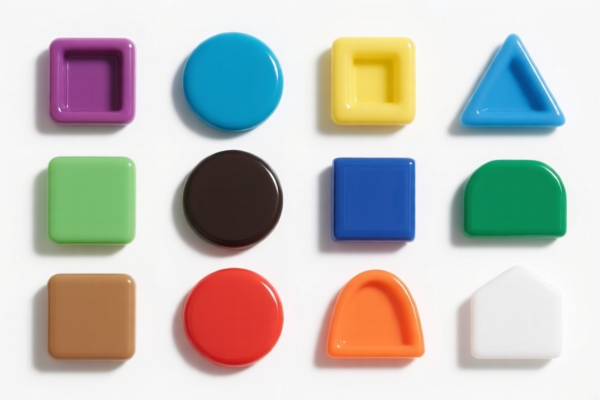

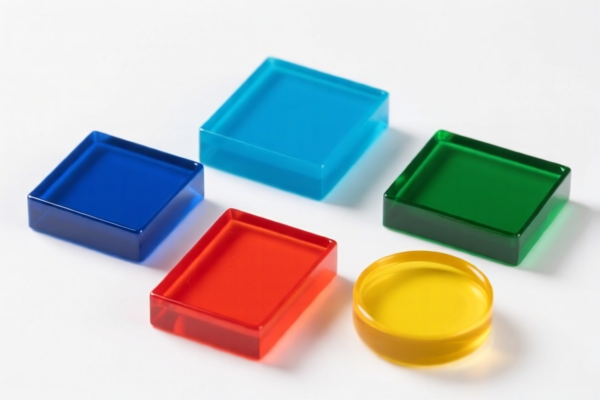

AI Analysis
Based on the provided dataset, here is the detailed breakdown for Acrylic Polymer Plastic Boards/Plates and their corresponding HS Codes, tax structures, and customs clearance strategies.
🖥️ Acrylic Polymer Plastic Plates & Sheets (Other Primary Forms)
Category: Plastics and Articles Thereof (Chapter 39)
Material: Acrylic Polymers (PMMA, Cast/Acrylic Sheets)
🌐 HS Code Reference & Customs Clearance Guide | 2026 Latest Tariff Analysis | Professional Clearance Strategy
📌 一、Product Definition & Classification: What Exactly Are "Acrylic Polymer Plates"?
Acrylic polymers (commonly known as PMMA or Plexiglas) in "primary forms" refer to solid sheets, plates, rods, or tubes produced by manufacturers. In international trade, these are categorized based on their structure, specific use, and physical morphology.
Key Classification Distinctions: 1. Specific Micro-porous vs. Non-Micro-porous: Some plates have specific micro-porous structures (rare), while most are dense solids. 2. "Plates/Sheets" vs. "Other": The distinction between being classified under specific "plates/sheets" headings versus general "other plastics" items. 3. End-Use Specificity: Whether the item fits into a more specific sub-heading (e.g., specific to a machine part) or remains a general plastic material.
⚠️ Key Classification Point:
- If the item is a simple solid sheet/plate without complex micro-porous structures → Likely falls under 3920 or 3921.
- If the item is a specialized plate/sheet form explicitly described in 3921.90 → It may qualify for a lower base rate.
- If the item is a generic plastic article not specified elsewhere → It may fall under 3926 (Other articles of plastics).
📦 二、HS Code Classification Details (2026 Latest Tariff Authority Mapping)
| HS Code | Product Description | Applicable Scenario | Tax Rate (Total) |
|---|---|---|---|
3921.19.00.90 |
Acrylic polymer plastic boards, classified under "other" for non-specific micro-porous structures | General solid acrylic sheets, no specific micro-porous feature | 41.5% |
3920.59.10.00 |
Acrylic polymer plastic boards, categorized as "other" under this heading | Standard acrylic sheets, general purpose | 41.0% |
3920.59.80.00 |
Acrylic polymer plastic boards, material and form fully meet classification requirements | Fully compliant standard acrylic plates/sheets | 41.5% |
3921.90.50.50 |
Acrylic polymer plastic boards, classified under specific "plates, sheets" morphology | Acrylic plates/sheets explicitly listed under 3921.90 | 39.8% |
3926.90.99.89 |
Acrylic polymer plastic boards, classified as "other plastic articles" (not elsewhere specified) | Generic plastic acrylic items not fitting specific plate/sheet definitions | 22.8% |
🔍 Key Reminder:
- The base tariff varies significantly (4.8% to 6.5%), but the additional tariffs are the main driver of cost.
-3926.90.99.89offers the lowest total tax (22.8%) but requires the product to be classified as a generic "other plastic article," which may not be accurate for standard raw acrylic sheets.
-3921.90.50.50offers a competitive rate (39.8%) if the product is explicitly a "plate/sheet" under this sub-heading.
💰 三、2026 Latest Tariff Rate Breakdown (Including Additional Taxes & Policy Add-ons)
✅ Applicable Country: United States (US)
✅ Origin: China (CN)
✅ Effective Date: Current applicable rates (including Section 301 & 122 Tariffs)
🎯 1. 3921.19.00.90 – Acrylic Boards (Non-Micro-porous "Other")
| Item | Content |
|---|---|
| Base Tariff | 6.5% |
| Section 301 Additional Tariff | +25.0% |
| Section 122 Tariff | +10.0% |
| Total Tax Rate | 41.5% |
| Tax Calculation | CIF Value × 41.5% |
| De Minimis Exemption? | ❌ Not Eligible (High tariff threshold excludes small shipments) |
| Legal Basis Path | HTS:3921.19.00.90 → Section 301: Footnote 9903.88.01 → Section 122: IEEPA Authority |
📌 Explanation:
- The 6.5% base tariff is standard for non-specified plastic plates.
- The 25% Section 301 tariff applies to Chinese-origin plastics.
- The 10% Section 122 tariff is an additional levy on certain plastic articles.
- Total 41.5% is a high-cost category. Misclassification here can significantly impact profitability.
🎯 2. 3920.59.10.00 & 3920.59.80.00 – Standard Acrylic Boards
| Item | Content |
|---|---|
| Base Tariff | 6.0% (for .10) / 6.5% (for .80) |
| Section 301 Additional Tariff | +25.0% |
| Section 122 Tariff | +10.0% |
| Total Tax Rate | 41.0% (.10) / 41.5% (.80) |
| Tax Calculation | CIF Value × Total Rate |
| De Minimis Exemption? | ❌ Not Eligible |
| Legal Basis Path | HTS:3920.59.x0.x0 → Section 301 → Section 122 |
📌 Note:
- These codes are very similar. The difference lies in the specific sub-classification under 3920.59.
- If your acrylic board is a standard cast or extruded sheet, it likely falls here.
- Risk: If customs determines it should be classified under 3921.19 or 3921.90, you may face back taxes or penalties.
🎯 3. 3921.90.50.50 – Acrylic Plates/Sheets (Specific Morphology)
| Item | Content |
|---|---|
| Base Tariff | 4.8% |
| Section 301 Additional Tariff | +25.0% |
| Section 122 Tariff | +10.0% |
| Total Tax Rate | 39.8% |
| Tax Calculation | CIF Value × 39.8% |
| De Minimis Exemption? | ❌ Not Eligible |
| Legal Basis Path | HTS:3921.90.50.50 → Section 301 → Section 122 |
📌 Optimization Tip:
- This code has a lower base tariff (4.8%) compared to the 6.0–6.5% range of 3920 codes.
- Condition: The product must be explicitly classified as a "plate, sheet" under the 3921.90 sub-heading.
- Benefit: Saves 1.7% - 2.0% in total duty compared to 3920 classifications.
🎯 4. 3926.90.99.89 – Other Plastic Articles (Generic)
| Item | Content |
|---|---|
| Base Tariff | 5.3% |
| Section 301 Additional Tariff | +7.5% |
| Section 122 Tariff | +10.0% |
| Total Tax Rate | 22.8% |
| Tax Calculation | CIF Value × 22.8% |
| De Minimis Exemption? | ❌ Not Eligible (But lower total rate) |
| Legal Basis Path | HTS:3926.90.99.89 → Section 301: Footnote 9903.88.01 (Note: Lower Section 301 rate applies) → Section 122 |
📌 Critical Warning:
- This code offers the lowest total tax (22.8%), saving ~19% compared to the 3920/3921 codes.
- However, Section 301 tariff is only +7.5% instead of 25%.
- Risk: This classification is for "Other plastic articles" not specified elsewhere. If you import standard acrylic sheets, customs may reject this classification as it is meant for finished plastic goods (e.g., acrylic signs, containers) rather than raw polymer plates.
- Strategy: Use this only if the product is a finished article made of acrylic, not raw sheets/plates.
🛠️ 四、Customs Clearance Practical Advice (Pitfall Avoidance Guide)
✅ 1. Required Documentation Checklist (All Mandatory)
| Document | Must Provide | Description |
|---|---|---|
| ✅ Product Specification Sheet | ✔️ | Dimensions, thickness, transparency, brand, model |
| ✅ Material Composition Certificate | ✔️ | Confirm 100% Acrylic Polymer (PMMA) |
| ✅ Commercial Invoice | ✔️ | Clearly state "Acrylic Polymer Plastic Plate/Sheet" |
| ✅ Packing List | ✔️ | Detail weight, dimensions, number of packages |
| ✅ Product Photos | ✔️ | Show label, packaging, and product form (sheet vs. finished item) |
| ✅ Certificate of Origin (CO) | ✔️ | Required for tariff determination (China origin) |
✅ 2. Declaration Strategy (Key Mantra)
🔥 "Form Determines Code, Code Determines Tax! Be Precise!"
| Scenario | Correct Declaration | Wrong Declaration | Consequence |
|---|---|---|---|
| Raw Acrylic Sheets | 3920.59.10.00 or 3921.90.50.50 |
3926.90.99.89 |
Audit Risk: Customs may reclassify and charge higher tariffs + penalties |
| Finished Acrylic Signs/Boxes | 3926.90.99.89 |
3920.59.10.00 |
Underpayment Risk: You pay less tax, but customs will demand back taxes |
| Special Micro-porous Plates | 3921.19.00.90 |
3920.59.80.00 |
Misclassification: May lead to delays if structure doesn't match |
| Standard Solid Plates | 3921.90.50.50 (if eligible) |
3920.59.10.00 |
Cost Inefficiency: Paying 41.5% instead of 39.8% |
✅ 3. Special Circumstances Handling
| Situation | Handling Advice |
|---|---|
| Mixed Containers | Declare raw sheets and finished articles separately. Do not mix 3920 and 3926 codes in one line item. |
| OEM Custom Acrylic Parts | Provide design drawings. If it's a finished part (e.g., a display stand), use 3926.90.99.89 for lower tax, but ensure it's not a simple sheet. |
| High-Value Industrial Plates | Consider applying for an Advance Ruling from CBP to confirm if 3921.90.50.50 is applicable. This saves legal costs later. |
| Small Sample Shipments | Even under $800, high tariffs (22.8%-41.5%) mean De Minimis exemption is often ignored for these specific HS codes due to Section 301 rules. Verify with your broker. |
🌍 五、Global Market Comparison (2026 Latest)
| Country/Region | Recommended HS Code | Total Tariff (China Origin) | Notes |
|---|---|---|---|
| 🇺🇸 USA | 3921.90.50.50 or 3920.59.10.00 |
39.8% - 41.5% | High tariffs due to Section 301 & 122 |
| 🇺🇸 USA (Generic) | 3926.90.99.89 |
22.8% | Only for finished articles, not raw sheets |
| 🇪🇺 EU | 3920.59.00 or 3921.90 |
~6.5% + VAT | No Section 301 equivalent; lower base tariffs |
| 🇨🇳 China (Import) | 3920.59 |
~6% + VAT | Standard tariff, no additional trade war tariffs |
📌 Conclusion:
- The US market is the most challenging due to Section 301 (25%) and Section 122 (10%) tariffs.
- Total cost can exceed 40% for raw acrylic sheets.
- Optimization: If your product is a finished article (not a raw sheet),3926.90.99.89at 22.8% is a significant saving, but must be compliant with US Customs definitions.
📌 六、Common Mistakes & Pitfalls (Lessons Learned)
❌ Mistake 1: Declaring raw acrylic sheets as "Plastic Articles" (3926) to avoid high tariffs
👉 Consequence: Customs rejects the declaration, reclassifies to 3920 or 3921, and charges back taxes + interest + penalties.
❌ Mistake 2: Ignoring the "Section 122" 10% tariff
👉 Consequence: Under-budgeting by 10%. Total tax is Base + 301 + 122.
❌ Mistake 3: Assuming all acrylic plates are the same
👉 Consequence: Missing the 3921.90.50.50 code (39.8%) and paying 41.5%. A 1.7% difference adds up on large volumes.
✅ Correct Practice:
"Acrylic Polymer Plate, 4mm Thick, Clear, Cast PMMA, Unworked, Model XYZ, Country of Origin: China"
🎯 七、Conclusion: Precision Classification Saves Money!
🎯 Remember the Mantra:
🔹 "Raw Sheets: 3920/3921 (~40%), Finished Articles: 3926 (~23%)."
🔹 "Don't misclassify raw materials as finished goods – the risk is too high!"
🔹 "Total Tax = Base (4.8-6.5%) + 301 (25% or 7.5%) + 122 (10%)."
📌 Pro Tip:
If you are importing large volumes, consider applying for a Binding Ruling from US CBP. This provides legal certainty and protects you from future audits.
📣 Take Action Now:
📞 Contact a licensed customs broker to review your product specs.
🚀 Accurate classification is the key to reducing your landed cost!
✨ Professional Customs Clearance Starts with Accurate Classification!
💼 Every percentage point of tax savings impacts your bottom line!
Customer Reviews
About HS Code Classification
The Harmonized System (HS) is an internationally standardized nomenclature developed by the World Customs Organization (WCO) to classify traded products. Over 200 countries use the HS system as the basis for customs tariffs, trade statistics, and import/export regulations.
Each HS code follows a hierarchical structure:
- Chapter (2 digits) — Broad category of goods (e.g., Chapter 84: Machinery and Mechanical Appliances)
- Heading (4 digits) — More specific grouping within the chapter
- Subheading (6 digits) — Internationally standardized breakdown, used by all WCO member countries
- National subdivisions (8-10 digits) — Country-specific extensions for further classification, such as US HTSUS 10-digit codes
Correct HS code classification is essential for smooth customs clearance, accurate duty payment, and compliance with trade regulations. Misclassification can lead to customs delays, overpayment of duties, or penalties.
When importing from CN to US, the applicable tariff rates may include:
- Most-Favored-Nation (MFN) rate — The standard duty rate applied to WTO members
- General rate — Applied to countries without trade agreements
- Trade remedy duties — Additional tariffs such as Section 301 (anti-dumping), Section 232 (national security), or countervailing duties
The information provided on this page is for reference purposes only. For official classification, please consult with your local customs authority or a licensed customs broker.