Other Raw Goat Skin
CN → USProduct Images
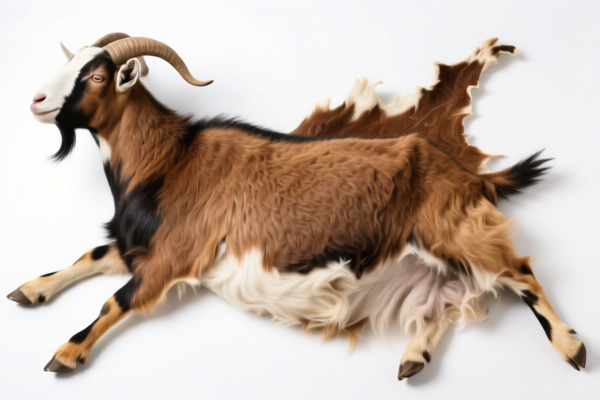
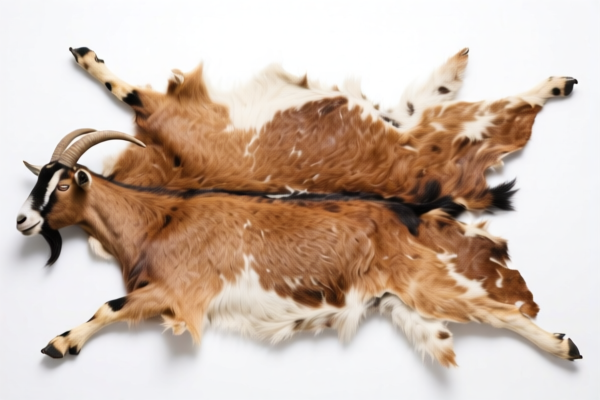
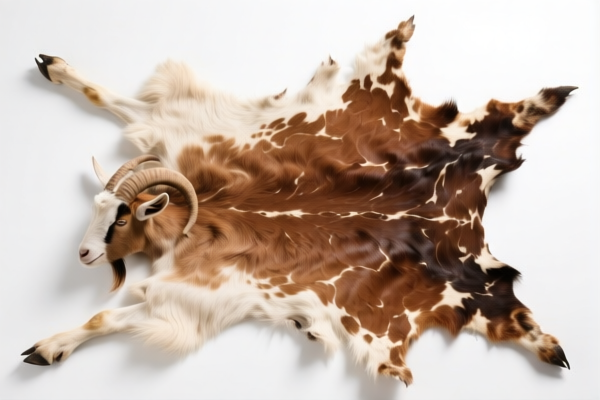
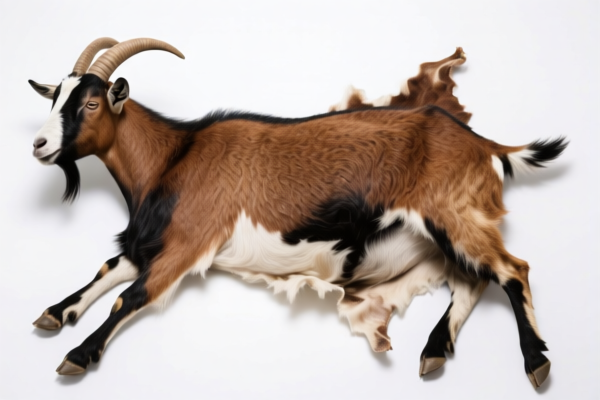
AI Analysis
🐐 Raw Goat Skins (Tanned or Untanned? The Critical Distinction)
🌐 HS Code Reference & Customs Clearance Guide | 2026 Latest Tariff Analysis | Professional Clearance Strategy
📌 I. Product Definition & Classification: What Exactly is "Raw Goat Skin"?
"Raw Goat Skin" is a broad term that can refer to skins in different stages of processing. In international trade, the classification depends entirely on whether the skin has been preserved (salted/dried) or tanned (processed into leather). The HS Code classification differs significantly between these two states, leading to vastly different tax implications.
1. Raw/Preserved Skins (Untanned):
Skins that have been removed from the animal and preserved by salting, drying, or liming, but not yet tanned. These are often referred to as "Greens" or "Preserved Skins."
2. Tanned/Chrome-Dyed Skins:
Skins that have undergone the tanning process (vegetable or chrome tanning) to become leather. These are classified under Chapter 41, not Chapter 51.
⚠️ Key Distinction Point:
- If the skin is untanned, merely salted or dried → Classified under Chapter 51 (Wool, Fine or Coarse Animal Hair; Yarn and Woven Fabric).
- If the skin is tanned or further prepared → Classified under Chapter 41 (Raw Hides and Skins of Bovine or Equine Animals; Leather).
- Note: Despite the name "Raw," if it's tanned, it's not Chapter 51.
📦 II. HS Code Classification Details (2026 Latest Tariff Authority Comparison)
| HS Code | Product Description | Application Scenario | Tanning Status |
|---|---|---|---|
5103.30.00.00 |
Waste of animal hair, including noils (This is often where small/defective raw skins end up if not fit for textile use) | Defective raw skins, shavings, waste | ❌ No |
5103.20.00.00 |
Other waste of fine animal hair | Similar to above, specific to fine hair | ❌ No |
4103.30.00.00 |
Goat and kid goat skins, tanned or crusted, other than skins of heading 4102 or 4103 | Tanned goat skins (Chrome-tanned, Vegetable-tanned) | ✅ Yes |
4103.90.00.00 |
Other hides and skins, tanned or crusted, other than of heading 4102, 4103 or 4104 | Tanned skins of other animals (if misclassified as goat) | ✅ Yes |
0502.90.00.00 |
Hog bristles and hair; badger and other such hairs; waste thereof | If the "skin" includes hair and is being used for brushes | ✅ No (Chapter 5) |
4107.21.00.00 |
Goat and kid goat skins, dressed (other than crusted), half-tanned or crust-tanned | Partially tanned skins (Crust leather) | ⚠️ Partial |
🔍 Critical Reminder:
- "Raw" usually implies Untanned. If the supplier says "Raw Goat Skin" but it is actually chrome-tanned, it must be declared under 4103.30.00.00.
- If it is salted, dried, or limed but not tanned, it typically falls under Chapter 51 or Chapter 5 depending on the exact preservation method and intended use (textile vs. leather).
- Do not assume "Raw" means "Untanned." In common trade parlance, "Raw Leather" often means "Chrome-Soft Wet Blue," which is technically tanned.
💰 III. 2026 Latest Tariff Rate Details (Including Surtaxes, Policy Add-ons)
✅ Applicable Country: United States (US)
✅ Origin: China (CN)
✅ Effective Date: From November 10, 2025 (for subsequent imports)
🎯 1. 4103.30.00.00 —— Goat Skins, Tanned or Crusted (The Most Common Misclassification)
| Item | Content |
|---|---|
| Base Rate | 0% (ad valorem) for general MFN, but see below |
| USITC Surtax | +25% (Under USITC Footnote 9903.41.00) |
| IEEPA Surtax | +10% (Against China/HK products, effective Nov 10, 2025) |
| Total Rate | 35% |
| Tax Calculation | CIF Value × 35% |
| De Minimis Eligibility | ❌ No (deny_de_minimis) |
| Legal Basis Path | IEEPA:9903.01.24 → USITC:4103.30.00.00 → FOOTNOTE:9903.41.00 |
📌 Explanation:
- If the "Raw Goat Skin" is actually tanned (e.g., Wet Blue, Crust, Fully Tanned), it falls under Chapter 41.
- The 25% USITC surtax applies to most leather products from China.
- The 10% IEEPA surtax applies specifically to Chinese-origin goods.
- Total 35% is a significant cost driver. Many traders try to misclassify tanned skins as "waste" or "raw materials" to avoid this, which is illegal and risky.
🎯 2. 5103.30.00.00 —— Waste of Animal Hair (Including Defective Raw Skins)
| Item | Content |
|---|---|
| Base Rate | 0% |
| USITC Surtax | 0% (Usually exempt or low) |
| IEEPA Surtax | +10% (If deemed a textile waste from China) |
| Total Rate | 10% (Potential) |
| Tax Calculation | CIF Value × 10% |
| De Minimis Eligibility | ❌ No |
| Legal Basis Path | IEEPA:9901.25 → USITC:5103.30.00.00 |
📌 Note:
- This code is for waste or defective skins not suitable for leather production.
- If the skins are high-quality and intended for leather, declaring them as "waste" is fraud.
- If the skins are untanned but fit for textile use (e.g., for felting), they might fall under other textile codes, but goat hair is rarely used for textiles compared to sheep/camel.
🛠️ IV. Customs Clearance Practical Advice (Battlefield Pitfall Avoidance Guide)
✅ 1. Preparation Checklist (Missing Items Are Not Allowed)
| Document | Must Provide | Explanation |
|---|---|---|
| ✅ Product Specification Sheet | ✔️ | Clearly state: Tanned or Untanned?, Preservation method (Salted/Dried), Moisture content |
| ✅ Photos (With Label) | ✔️ | Show texture, color, and any branding. Wet blue is blue; vegetable-tanned is brown/pink |
| ✅ Third-Party Inspection Report | ✔️ | SGS/BV report confirming tanning status and origin |
| ✅ Commercial Invoice | ✔️ | Must specify "Goat Skins, Tanned" or "Goat Skins, Raw/Salted" accurately |
| ✅ Packing List | ✔️ | Detail weight, quantity, and packaging type (e.g., wooden crates, plastic bags) |
| ✅ Certificate of Origin | ✔️ | Required for tariff calculation and compliance |
✅ 2. Declaration Tips (Key Mantra)
🔥 "Don't Say 'Raw' If It's Tanned! Clarify Tanning Status First!"
| Scenario | Correct Declaration | Wrong Action |
|---|---|---|
| Tanned Goat Skins (Wet Blue, Crust) | HS 4103.30.00.00 |
Declare as "Raw" or "Textile Waste" → 35% vs 10%/0% + Fraud Risk |
| Salted/Dried Untanned Skins | HS 5103.30.00.00 (if waste) or specific Chapter 5 code |
Declare as "Tanned Leather" → Unnecessary 35% |
| Defective/Broken Skins | HS 5103.30.00.00 (Waste) |
Declare as "Prime Tanned Skins" → Overpay Taxes |
| Goat Hair (Shed) | HS 0502.90.00.00 |
Declare as "Skins" → Wrong Chapter |
✅ 3. Special Situations Handling
| Situation | Handling Advice |
|---|---|
| "Raw Leather" Ambiguity | If the supplier says "Raw Leather," ask for Tanning Certificate. If chrome-tanned, it's Chapter 41. If only salted, it's Chapter 51/5. |
| Mixed Lots | If a shipment contains both tanned and untanned skins, must be separated in declaration. Mixed declaration leads to higher audit risk. |
| OEM/Custom Tanning | If you are sending raw skins to be tanned abroad, declare as "Raw Skins for Further Processing". Ensure proper documentation for temporary import/export if applicable. |
| Sustainable/Eco-Friendly Claims | If claiming "Vegetable Tanned," provide LWG Certification to avoid anti-dumping or environmental compliance checks. |
🌍 V. Global Major Market Clearance Comparison (2026 Latest)
| Country/Region | Recommended HS Code | Tariff (CN Origin) | Certification Requirements | Notes |
|---|---|---|---|---|
| 🇺🇸 USA | 4103.30.00.00 |
35% (25% USITC + 10% IEEPA) | None for basic import | High tariff on tanned leather. Raw/Salted is lower but rare. |
| 🇨🇳 China | 4103.30.00.00 |
5% | None | No surtax. Raw/salted also ~5-10%. |
| 🇪🇺 EU | 4103.30.00.00 |
6.5% (Standard) | None | No US-style surtax. But strict environmental regulations on tanning chemicals. |
| 🇦🇺 Australia | 4103.30.00.00 |
5% | None | Moderate tariff. |
| 🇯🇵 Japan | 4103.30.00.00 |
4.8% | None | Moderate tariff. |
📌 Conclusion:
- USA is the hardest market for Chinese-origin tanned goat skins due to 35% total tariffs.
- Raw/Salted Skins (if truly untanned) may qualify for lower duties in some markets, but the 10% IEEPA surtax in the US still applies to many Chinese goods.
- EU and Japan are more accessible for tanned leather, but environmental compliance (REACH in EU) is critical.
📌 VI. Common Errors & Pitfalls (Blood & Tears Lessons)
❌ Mistake 1: Declaring Tanned Skins as "Raw Skins" to avoid the 25% USITC surtax
👉 Consequence: Customs audit, fines, seizure, and blacklisting.
❌ Mistake 2: Using "Goat Hair" HS Code for Whole Skins
👉 Consequence: Rejection at border. Skins are not hair.
❌ Mistake 3: Not distinguishing between Wet Blue and Dry Tanned
👉 Consequence: Moisture content issues. Wet blue may require sanitary certificates or special handling.
❌ Mistake 4: Ignoring Origin Marking
👉 Consequence: If not marked "Made in China," de minimis may be denied, and tariffs applied retroactively.
✅ Correct Practice:
"Goat Skins, Chrome-Tanned, Wet Blue, 20-25 sq ft, Origin: China, HS 4103.30.00.00"
🎯 VII. Conclusion: Professional Declaration, Save Money, Save Time!
🎯 Remember the Mantra:
🔹 "Raw ≠ Untanned. Tanned = Chapter 41. Untanned = Chapter 51/5."
🔹 "In the US, Tanned Leather from China = 35%. Think Twice!"
🔹 "If in doubt, Ask for the Tanning Certificate!"
📌 Tip:
If your goat skins are sourced from Vietnam, Bangladesh, or India, you may qualify for lower or zero tariffs in the US under GSP (if applicable) or FTAs. Check your supplier's origin certificate carefully.
📣 Immediate Action:
📞 Contact a Professional Customs Broker
📄 Request Tanning Status Documentation from Supplier
🔍 Apply for Pre-Ruling if unsure about the HS Code
✨ Professional Clearance Starts with Accurate Classification!
💼 Every Penny Counts in Global Trade!
Customer Reviews
About HS Code Classification
The Harmonized System (HS) is an internationally standardized nomenclature developed by the World Customs Organization (WCO) to classify traded products. Over 200 countries use the HS system as the basis for customs tariffs, trade statistics, and import/export regulations.
Each HS code follows a hierarchical structure:
- Chapter (2 digits) — Broad category of goods (e.g., Chapter 84: Machinery and Mechanical Appliances)
- Heading (4 digits) — More specific grouping within the chapter
- Subheading (6 digits) — Internationally standardized breakdown, used by all WCO member countries
- National subdivisions (8-10 digits) — Country-specific extensions for further classification, such as US HTSUS 10-digit codes
Correct HS code classification is essential for smooth customs clearance, accurate duty payment, and compliance with trade regulations. Misclassification can lead to customs delays, overpayment of duties, or penalties.
When importing from CN to US, the applicable tariff rates may include:
- Most-Favored-Nation (MFN) rate — The standard duty rate applied to WTO members
- General rate — Applied to countries without trade agreements
- Trade remedy duties — Additional tariffs such as Section 301 (anti-dumping), Section 232 (national security), or countervailing duties
The information provided on this page is for reference purposes only. For official classification, please consult with your local customs authority or a licensed customs broker.