Other Recycled Paperboard (Bleached Chemical Pulp, Uncolored)
CN → US| HS Code | Tariff Rate | Origin | Destination | Doc |
|---|---|---|---|---|
| 4805247000 | 12.0% | CN | US | Official Doc |
| 4805245000 | 35.0% | CN | US | Official Doc |
| 4703290040 | 35.0% | CN | US | Official Doc |
| 4703210040 | 35.0% | CN | US | Official Doc |
| 4705000000 | 35.0% | CN | US | Official Doc |
Product Images
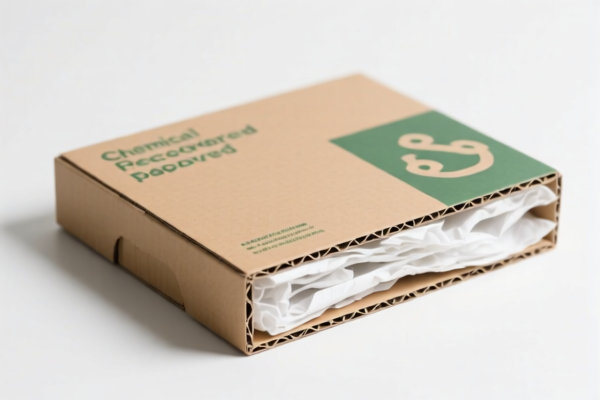
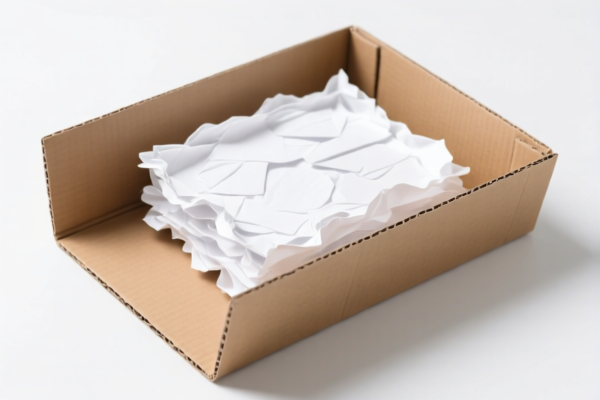
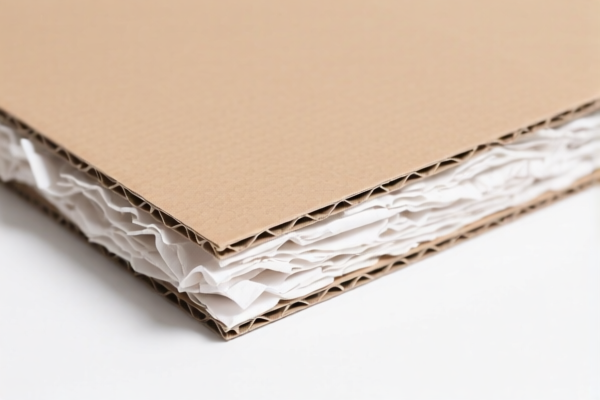
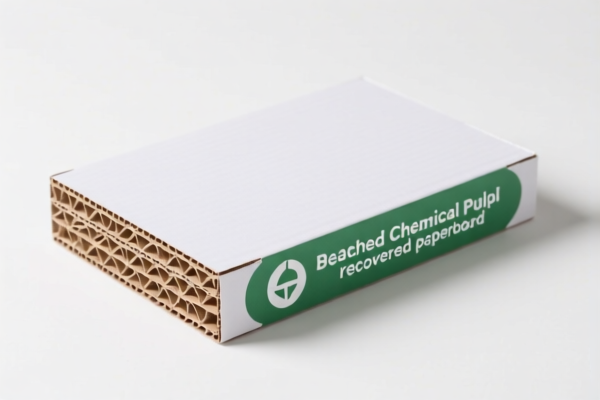
AI Analysis
📦 Other Recycled Paperboard (Bleached Chemical Pulp, Uncolored)
🌐 HS Code Reference & Customs Clearance Guide | 2026 Latest Tariff Analysis | Professional通关 Strategy
"Other Recycled Paperboard" is a critical industrial material used in packaging, carton manufacturing, and sustainable paper products. In international trade, its classification depends heavily on its physical state (coated vs. uncoated) and chemical composition.
⚠️ Key Classification Distinction: - Uncolored/Bleached Chemical Pulp Recycled Board: Must be distinguished by whether it is coated (glossy, functional surface) or uncoated (raw, absorbent surface). - HS Code
4805.24.70.00: Applies to Other Recycled Linerboard/Board (often interpreted as coated or specific structural recycled board). - HS Code4805.24.50.00: Applies to Other Uncoated Paper & Paperboard (raw recycled board). - ⚠️ CRITICAL WARNING: Raw Bleached Chemical Wood Pulp (not yet formed into paperboard) is classified under4703..., NOT4805.... Do not confuse the material (pulp) with the product (board).
📦 二、HS Code Classification Details (2026 Latest Tariff Authority Cross-Reference)
| HS Code | Product Description | Application Scenario | Tax Category |
|---|---|---|---|
4805.24.70.00 |
Other Recycled Linerboard/Board, Bleached Chemical Pulp, Uncolored | Coated recycled board, high-strength packaging liner | 🟡 Medium Risk |
4805.24.50.00 |
Other Uncoated Paper & Paperboard, Bleached Chemical Pulp, Uncolored | Raw recycled cardboard, uncoated packaging board | 🔴 High Risk |
4703.29.00.40 |
Bleached Chemical Wood Pulp, Non-Coniferous/Other | Raw Pulp Only (Not Paperboard) | 🔴 High Risk |
4703.21.00.40 |
Bleached Chemical Wood Pulp, Other Categories | Raw Pulp Only (Not Paperboard) | 🔴 High Risk |
4705.00.00.00 |
Wood Pulp, Other Categories | Raw Pulp Only (Not Paperboard) | 🔴 High Risk |
🔍 Important Note: - If your product is final paperboard (foldable, usable for boxes), it belongs in Chapter 48 (
4805). - If your product is raw pulp (wet, fibrous mass, not yet dried/formed into sheets), it belongs in Chapter 47 (4703or4705). - Misclassifying raw pulp as paperboard (or vice versa) leads to severe penalties.
💰 三、2026 Latest Tariff Rate Breakdown (Including Surcharges & Policy Add-ons)
✅ Applicable Country: United States (US) ✅ Origin: China (CN) ✅ Effective Date: November 10, 2025 (and subsequent imports)
🎯 1. 4805.24.70.00 – Other Recycled Linerboard (Coated/Specialized)
| Item | Content |
|---|---|
| Base Tariff | 0.0% |
| Section 301 Surcharge | 2.0% |
| Section 122 Tariff | 10.0% |
| Total Tariff Rate | 12.0% |
| Tax Calculation | CIF Value × 12.0% |
| De Minimis Exemption | ❌ Not Applicable |
| Legal Basis Path | Section 301 → Section 122 → HS:4805.24.70.00 |
📌 Explanation: - This category enjoys a relatively lower tax burden (12%) compared to uncoated board. - The 2% Section 301 surcharge is minimal. - The 10% Section 122 tariff applies specifically to certain recycled materials under current trade policies. - Strategy: If your product can be technically classified here (e.g., it has a coated surface or specific functional lining), it is significantly cheaper than uncoated alternatives.
🎯 2. 4805.24.50.00 – Other Uncoated Paper & Paperboard
| Item | Content |
|---|---|
| Base Tariff | 0.0% |
| Section 301 Surcharge | 25.0% |
| Section 122 Tariff | 10.0% |
| Total Tariff Rate | 35.0% |
| Tax Calculation | CIF Value × 35.0% |
| De Minimis Exemption | ❌ Not Applicable |
| Legal Basis Path | Section 301 → Section 122 → HS:4805.24.50.00 |
📌 Explanation: - High Tariff Alert: This is the standard classification for raw, uncoated recycled paperboard. - The 25% Section 301 surcharge is the dominant cost driver. - Combined with the 10% Section 122 tariff, the total burden is 35%. - Strategy: This is the "standard" but expensive route. Consider if product modification (coating/lamination) could shift classification to
4805.24.70.00to save 23%.
🎯 3. Raw Bleached Chemical Wood Pulp (4703.29.00.40, 4703.21.00.40, 4705.00.00.00)
| Item | Content |
|---|---|
| Base Tariff | 0.0% |
| Section 301 Surcharge | 25.0% |
| Section 122 Tariff | 10.0% |
| Total Tariff Rate | 35.0% |
| Tax Calculation | CIF Value × 35.0% |
| De Minimis Exemption | ❌ Not Applicable |
| Legal Basis Path | Section 301 → Section 122 → HS:4703/4705 |
📌 Explanation: - These codes apply ONLY if you are importing raw pulp, not paperboard. - Tax rate is identical to uncoated paperboard (35%). - Critical Warning: Do NOT use these codes for finished paperboard products. Customs will reject the declaration and assess penalties for incorrect classification.
🛠️ 四、Customs Clearance Practical Advice (Pitfall Avoidance Guide)
✅ 1. Documentation Checklist (All Mandatory)
| Document | Required | Explanation |
|---|---|---|
| ✅ Product Specification Sheet | ✔️ | Must clearly state: "Bleached Chemical Pulp," "Recycled," "Uncolored," and Coating Status (Coated vs. Uncoated). |
| ✅ Technical Data Sheet (TDS) | ✔️ | Shows basis weight (gsm), tensile strength, and surface treatment. |
| ✅ Product Photos | ✔️ | Clear images showing surface texture (glossy/coated vs. matte/uncoated). |
| ✅ Bill of Lading / Commercial Invoice | ✔️ | Must match HS Code description precisely. Avoid vague terms like "Paper." |
| ✅ Certificate of Origin (CO) | ✔️ | If applicable for non-US origins, though surcharges still apply. |
| ✅ Processing Declaration | ✔️ | Confirm if the product is "Recycled" to ensure correct chapter classification. |
✅ 2. Declaration Tips (Key Mantras)
🔥 "Surface Defines Code, Pulp vs. Board is King, 12% vs. 35%, Think Before You Ring!"
| Scenario | Correct HS Code | Common Mistake |
|---|---|---|
| Recycled Box Board, Smooth Surface | 4805.24.70.00 (12%) |
Declaring as Uncoated (4805.24.50.00) → Overpaying 23% |
| Recycled Kraft Board, Raw/Matte Surface | 4805.24.50.00 (35%) |
Declaring as "Coated" to avoid tax → Fraud/Penalty |
| Raw Wet Pulp in Bags | 4703.29.00.40 or 4705.00.00.00 (35%) |
Declaring as "Paperboard" → Customs Rejection |
| Paperboard Rolls vs. Cut Sheets | Same Code (4805.24.xx) |
Splitting declaration unnecessarily → Complexity/Errors |
✅ 3. Special Cases Handling
| Situation | Handling Advice |
|---|---|
| Hybrid Products (Coated + Uncoated) | Declare based on primary commercial use. If mostly coated, use 4805.24.70.00. |
| OEM Custom Paperboard | Provide customer design specs to prove coating/application. |
| Recycled Content Certification | Provide "Recycled Percentage" report to justify Chapter 48 (Recycled) over Chapter 47 (Virgin). |
| Misclassification Risk | If unsure, request an Advance Ruling from US CBP. Cost: ~$200-$500; Saves thousands in duties. |
🌍 五、Global Market Customs Comparison (2026 Latest)
| Country/Region | Recommended HS Code | Tariff (China Origin) | Certification Requirements | Notes |
|---|---|---|---|---|
| 🇺🇸 USA | 4805.24.70.00 |
12% (Coated) | EPA Guidelines, TSCA | High risk for 4805.24.50.00 (35%) |
| 🇨🇳 China | 4805.24.70.00 |
5-13% (Standard) | GB Standards | Lower domestic tax burden |
| 🇪🇺 EU | 4805.24.70.00 |
6.5% (Approx.) | REACH, FSC/PEFC | No Section 301/122 surcharges |
| 🇯🇵 Japan | 4805.24.70.00 |
3.2% (Approx.) | JIS Standards | Lower tariffs, strict quality checks |
📌 Conclusion: - USA is the highest cost market due to Section 301 and Section 122 tariffs. - Coated/Functional Recycled Board (
4805.24.70.00) is the strategic choice for US imports to save 23% in duties. - Raw Pulp (4703) is not a substitute for Paperboard; they are legally distinct.
📌 六、Common Errors & Pitfall Guide (Lessons Learned)
❌ Error 1: Declaring Coated Board as Uncoated to avoid tax? 👉 Consequence: Customs inspection reveals glossy surface → Penalty + Back Taxes + Possible Fraud Investigation.
❌ Error 2: Declaring Raw Pulp as Paperboard? 👉 Consequence: Shipment held, returned, or fined for incorrect chapter classification (Ch. 47 vs. Ch. 48).
❌ Error 3: Ignoring Section 122 Tariff? 👉 Consequence: Underpayment by 10% on all recycled paper products → Debt Collection from Importer of Record.
❌ Error 4: Vague Description "Paperboard"? 👉 Consequence: Customs officer assigns arbitrary code → Highest possible duty (35%).
✅ Correct Practice:
"Recycled Paperboard, Bleached Chemical Pulp, Uncolored, Surface Coated, 300 GSM, Roll Format, Model XYZ, 100% Recycled Content"
🎯 七、Conclusion: Precise Classification Saves 23%!
🎯 Remember the Mantra:
🔹 "Coated = 12%, Uncoated = 35%. Pulp ≠ Board. Think Before You Ship!" 🔹 "Section 301 & 122 are real. Don't guess the HS Code, or you pay the price!"
📌 Pro Tip:
If your paperboard originates from Vietnam, Mexico, or Canada, you may qualify for USMCA or zero-duty rates under certain conditions, bypassing the 35% surcharge. Recommendation: Apply for USCBP Advance Ruling 30-60 days before shipment to lock in the 12% rate if applicable.
📣 Immediate Action:
📞 Consult Customs Broker + Provide Product Samples + Request HS Code Pre-Ruling 🚀 Let your paperboard clear smoothly, save 23% in duties, and boost margins!
✨ Professional Clearance Starts with Accurate Classification! 💼 Every Percent of Tax Saved is Pure Profit!
Customer Reviews
About HS Code Classification
The Harmonized System (HS) is an internationally standardized nomenclature developed by the World Customs Organization (WCO) to classify traded products. Over 200 countries use the HS system as the basis for customs tariffs, trade statistics, and import/export regulations.
Each HS code follows a hierarchical structure:
- Chapter (2 digits) — Broad category of goods (e.g., Chapter 84: Machinery and Mechanical Appliances)
- Heading (4 digits) — More specific grouping within the chapter
- Subheading (6 digits) — Internationally standardized breakdown, used by all WCO member countries
- National subdivisions (8-10 digits) — Country-specific extensions for further classification, such as US HTSUS 10-digit codes
Correct HS code classification is essential for smooth customs clearance, accurate duty payment, and compliance with trade regulations. Misclassification can lead to customs delays, overpayment of duties, or penalties.
When importing from CN to US, the applicable tariff rates may include:
- Most-Favored-Nation (MFN) rate — The standard duty rate applied to WTO members
- General rate — Applied to countries without trade agreements
- Trade remedy duties — Additional tariffs such as Section 301 (anti-dumping), Section 232 (national security), or countervailing duties
The information provided on this page is for reference purposes only. For official classification, please consult with your local customs authority or a licensed customs broker.