Other Retreaded Rubber Tires for Aircraft
CN → US| HS Code | Tariff Rate | Origin | Destination | Doc |
|---|---|---|---|---|
| 4012130010 | 10.0% | CN | US | Official Doc |
| 4011300050 | 35.0% | CN | US | Official Doc |
| 4013905050 | 38.7% | CN | US | Official Doc |
| 4011300010 | 35.0% | CN | US | Official Doc |
| 4013901000 | 35.0% | CN | US | Official Doc |
Product Images
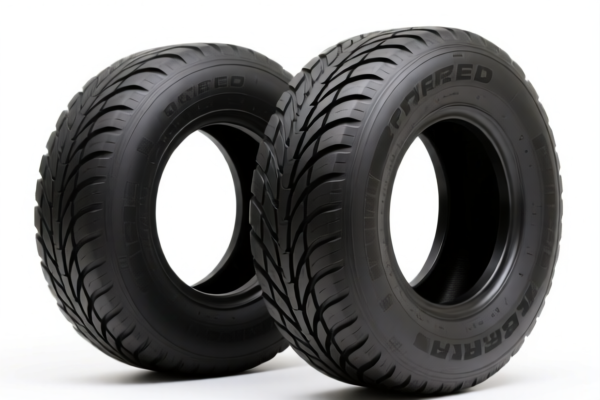
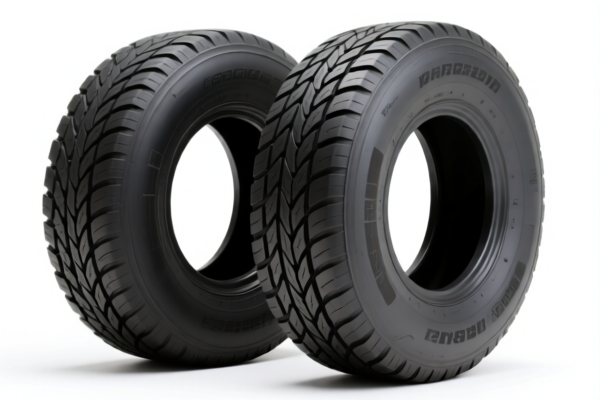
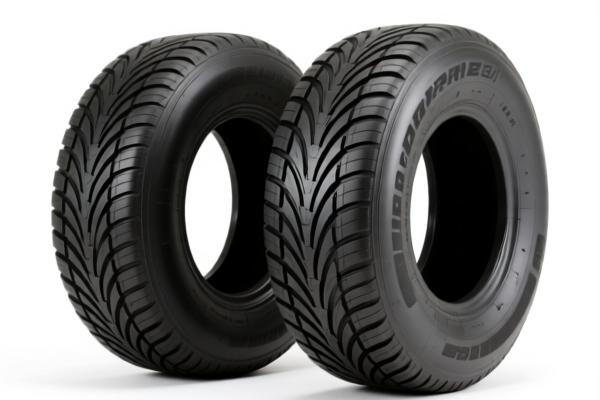
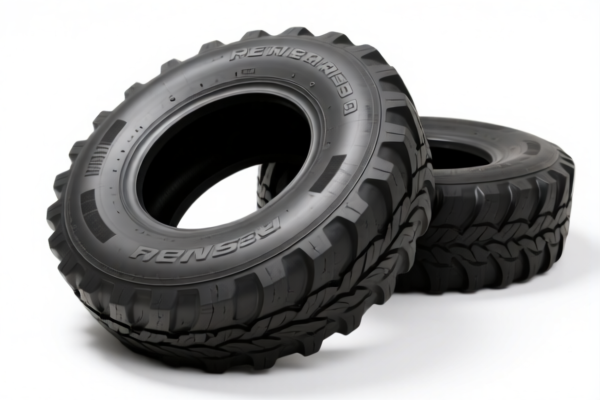
AI Analysis
🛩️ Other Retreaded Rubber Tires for Aircraft
🌐 HS Code Reference & Customs Clearance Guide | 2026 Latest Tariff Analysis | Professional Clearance Strategy
📌 Part I: Product Definition & Classification: Do You Really Understand "Retreaded Aircraft Tires"?
Retreaded rubber tires for aircraft are specialized aviation components where the original tire carcass is inspected, repaired, and recapped with new tread rubber to extend service life. In international trade, they are strictly classified based on structural form (pneumatic vs. non-pneumatic) and functional category (tire vs. inner tube). Misclassification here triggers significantly different tariff liabilities due to US trade policies (Section 301 and IEEPA).
⚠️ Key Distinction Point:
- Retreaded Pneumatic Tires (充气轮胎翻新): Classified under 4012.13.00.10 → 10% Total Tax.
- Reserve/Backup Pneumatic Tires (备胎/充气轮胎): Classified under 4011.30.00.10 / .50 → 35% Total Tax.
- Inner Tubes (内胎): Classified under 4013.90.10.00 / .50 → 35%–38.7% Total Tax.
📦 Part II: HS Code Classification Details (2026 Latest Tariff Authority Reference)
| HS Code | Product Description | Applicable Scenario | Tax Category Logic |
|---|---|---|---|
4012.13.00.10 |
Retreaded Aircraft Tires (Refurbished Pneumatic) | Aviation rubber retreaded or used pneumatic tires (Aircraft-specific) | Lowest Tax Bracket (Category: Retreaded) |
4011.30.00.10 |
Rubber Reserve Tires for Aircraft (Pneumatic) | Matches definition of rubber pneumatic tires for civil aircraft | High Tax Bracket (Category: New/Reserve Pneumatic) |
4011.30.00.50 |
Rubber Reserve Tires for Aircraft (Pneumatic) | Alternative sub-code for aircraft pneumatic reserve tires | High Tax Bracket (Category: New/Reserve Pneumatic) |
4013.90.10.00 |
Rubber Inner Tubes (Specific) | Rubber inner tubes matching specific aviation inner tube logic | High Tax Bracket (Category: Inner Tube) |
4013.90.50.50 |
Other Rubber Inner Tubes (Fallback) | "Other" category rubber inner tubes (Fallback logic) | Highest Tax Bracket (Category: Other Inner Tube) |
🔍 Critical Reminder:
- Retreaded vs. New/Reserve: Even if the tire is used, if it is explicitly declared as "Retreaded" (翻新) and fits the aviation-specific retread category, it may qualify for the lower4012rate.
- Reserve Tires: Often misclassified. If these are pneumatic tires intended as reserves, they often fall under4011.30, triggering the higher 35% rate.
- Inner Tubes: If the shipment includes separate inner tubes, they are classified under4013, not4011or4012.
💰 Part III: 2026 Latest Tariff Rate Breakdown (Including Additional Taxes & Policy Surcharges)
✅ Applicable Country: United States (US)
✅ Origin: China (CN)
✅ Effective Time: Post-2025.11.10 (Including subsequent imports)
🎯 1. 4012.13.00.10 —— Retreaded Aircraft Tires (Best Case Scenario)
| Item | Content |
|---|---|
| Base Duty Rate | 0% (ad valorem) |
| Section 301 / Additional Duty | 0% (Specifically exempted or lower tier for this sub-code in some contexts, but note the IEEPA below) |
| IEEPA Section 122 Surcharge | +10% (Targeting China/HK products) |
| Total Tax Rate | 10.0% |
| Tax Calculation | CIF Value × 10% |
| De Minimis Eligibility | ❌ No (deny_de_minimis) |
| Legal Basis Path | IEEPA:9903.01.24 (10% surcharge) → USITC:4012.13.00.10 |
📌 Explanation:
- This is the only code in the dataset with a 0% Additional Duty component from Section 301, but it still carries the 10% IEEPA surcharge.
- Total Cost Impact: Only 10%. This makes4012.13.00.10the most cost-effective classification if the product truly qualifies as "Retreaded."
- Risk: Customs may challenge this if the tire is not properly documented as "Retreaded" or if it is deemed a "New Reserve Tire."
🎯 2. 4011.30.00.10 & 4011.30.00.50 —— Rubber Reserve Tires for Aircraft (Pneumatic)
| Item | Content |
|---|---|
| Base Duty Rate | 0% |
| Section 301 / Additional Duty | +25% |
| IEEPA Section 122 Surcharge | +10% |
| Total Tax Rate | 35.0% |
| Tax Calculation | CIF Value × 35% |
| De Minimis Eligibility | ❌ No (deny_de_minimis) |
| Legal Basis Path | IEEPA:9903.01.24 → USITC:4011.30.00.10/.50 → FOOTNOTE:9903.88.01 |
📌 Explanation:
- These codes cover pneumatic tires for aircraft, often categorized as "reserve" or general aviation tires.
- Total Cost Impact: 35%. This is a 3.5x higher tax burden compared to the retreaded category.
- Common Pitfall: Importers mistakenly label "Retreaded Tires" as "New Reserve Tires" to avoid complexity, but this incurs a massive penalty. Conversely, mislabeling "New Tires" as "Retreaded" leads to fraud accusations.
🎯 3. 4013.90.10.00 & 4013.90.50.50 —— Rubber Inner Tubes (Aviation Specific)
| Item | Content |
|---|---|
| Base Duty Rate | 0% (4013.90.10.00) / 3.7% (4013.90.50.50) |
| Section 301 / Additional Duty | +25% |
| IEEPA Section 122 Surcharge | +10% |
| Total Tax Rate | 35.0% (4013.90.10.00) / 38.7% (4013.90.50.50) |
| Tax Calculation | CIF Value × 35% or 38.7% |
| De Minimis Eligibility | ❌ No (deny_de_minimis) |
| Legal Basis Path | IEEPA:9903.01.24 → USITC:4013.90.xx.xx |
📌 Explanation:
- These codes apply to inner tubes (the rubber bladder inside the tire), not the tire itself.
-4013.90.50.50has a 3.7% base duty, making the total 38.7%, the highest rate in this dataset.
- Common Pitfall: If a tire assembly includes an inner tube, and they are shipped separately, the inner tube must be declared separately at this high rate.
🛠️ Part IV: Customs Clearance Practical Advice (Real-World Pitfall Avoidance)
✅ 1. Required Documentation Checklist (Non-Negotiable)
| Document | Must Provide | Purpose |
|---|---|---|
| ✅ Product Specification Sheet | ✔️ | Clearly states "Retreaded," "Pneumatic," or "Inner Tube"; includes tread depth, air pressure ratings, and aviation compliance (e.g., FAA/EASA). |
| ✅ Manufacturer’s Certificate of Conformity | ✔️ | Proves the tire meets aviation safety standards for retreading. |
| ✅ Commercial Invoice | ✔️ | Must explicitly use terms: "Retreaded Aircraft Tire" for 4012 or "Pneumatic Aircraft Tire" for 4011. Do not use generic "Rubber Tire." |
| ✅ Packing List | ✔️ | Detailing contents: Tire vs. Inner Tube vs. Valve Stems. Avoid mixing categories in one line item. |
| ✅ Origin Certificate (CO) | ✔️ | Essential for verifying Chinese origin to apply accurate IEEPA/Section 301 rates. |
| ✅ Third-Party Inspection Report | ✔️ | Proof of retreading process quality and aviation-grade rubber material. |
✅ 2. Declaration Tips (Key Mantras)
🔥 "Retreaded is 10%, Reserve is 35%, Inner Tube is 38%! Declare Precisely!"
| Scenario | Correct Declaration | Wrong Declaration | Consequence |
|---|---|---|---|
| Retreaded Aviation Tire | 4012.13.00.10 |
"Aircraft Tire" (Generic) | Risk of reclassification to 4011 → Tax jumps from 10% to 35% |
| New Aviation Reserve Tire | 4011.30.00.10 |
"Retreaded Tire" | Fraud Penalty + Back Taxes + Seizure |
| Separate Inner Tube | 4013.90.10.00 |
Included in "Tire" cost | Undervaluation risk; separate duty calculation failure |
| Mixed Shipment (Tire + Tube) | Split Line Items | Single Line Item "Tire Kit" | Customs may apply highest rate to entire shipment |
✅ 3. Special Handling for Aviation Parts
| Situation | Handling Advice |
|---|---|
| OEM Retreaded Tires | Provide OEM authorization and retreading process logs. |
| Used/Recycled Tires | If not officially "Retreaded" per aviation standards, do not use 4012. Use general used tire codes (higher risk). |
| Valve Stems & Accessories | Declare separately as "Parts & Accessories" (4017.00) to avoid being lumped into higher tire rates. |
| Pre-Clearance Ruling | Apply for an Advance Ruling from CBP if unsure whether your product qualifies as "Retreaded." |
🌍 Part V: Global Market Clearance Comparison (2026 Latest)
| Country/Region | Recommended HS Code | Tariff (China Origin) | Certification Requirements | Notes |
|---|---|---|---|---|
| 🇺🇸 USA | 4012.13.00.10 (Retreaded) |
10% (IEEPA only) | FAA/EASA Compliance, IEEPA 122 | Best for Retreaded. Reserve tires (4011) hit 35%. |
| 🇺🇸 USA | 4011.30.00.10 (Reserve) |
35% (25% + 10%) | FAA/EASA Compliance, IEEPA 122 | High tariff on pneumatic aviation tires. |
| 🇨🇳 China | 4012.13.00.10 |
~5-10% (VAT 13%) | CCC (if applicable) | Lower entry barriers, but export to US faces high duties. |
| 🇪🇺 EU | 4012.13.00.10 |
0% (if eligible) | EASA Certification | No Section 301/IEEPA equivalent; lower trade barriers. |
| 🇦🇺 Australia | 4012.13.00.10 |
5% | SAA Standards | Moderate tariff, no major surcharges. |
📌 Conclusion:
- The USA is the most punitive market for Chinese-origin rubber products due to IEEPA 10% + Section 301 25% stacking.
- Retreaded Tires (4012) enjoy a significant 25% tariff advantage over New/Reserve Tires (4011) in the US.
- Inner Tubes (4013) are the most expensive, with rates up to 38.7%.
📌 Part VI: Common Mistakes & Pitfall Guide (Lessons from Blood & Tears)
❌ Mistake 1: Calling "Retreaded Tires" as "Aircraft Tires" without specifying "Retreaded"
👉 Consequence: Customs may classify under 4011.30 → Tax jumps from 10% to 35%.
❌ Mistake 2: Declaring "Reserve Tires" as "Retreaded" to save tax
👉 Consequence: Fraud detection → Back taxes, penalties, and potential criminal charges.
❌ Mistake 3: Shipping Inner Tubes separately but declaring as "Tire Parts"
👉 Consequence: Incorrect HS code (4017 vs 4013) → Audit risk and incorrect duty calculation.
❌ Mistake 4: Ignoring IEEPA 122 Surcharge in cost calculations
👉 Consequence: Profit margin erosion → 10% extra cost on all China-origin rubber goods.
✅ Correct Practice:
"Retreaded Aircraft Tire, Pneumatic, Aviation Grade, FAA Compliant, HS Code 4012.13.00.10, Origin: China"
🎯 Part VII: Conclusion: Precision Classification Saves 25% in Taxes!
🎯 Remember the Mantra:
🔹 "Retreaded 10%, Reserve 35%, Tube 38%! Declare Accurately!"
🔹 "HS Code Determines Cost, 25% Difference, Declaration Error, Profit Lost!"
📌 Pro Tip:
If your tires are originating from Vietnam, Malaysia, or Thailand, you may avoid IEEPA surcharges entirely.
Recommendation:
- Apply for Advance Ruling from CBP if the "Retreaded" status is complex.
- Separate Line Items for Tires, Inner Tubes, and Accessories.
- Use Precise Descriptions in Commercial Invoices to prevent reclassification.
📣 Immediate Action:
📞 Consult a licensed customs broker + Provide Product Specs + Apply for HS Code Advance Ruling
🚀 Ensure your aircraft tires clear customs smoothly, avoid penalties, and maximize profit!
✨ Professional Clearance Starts with Accurate Classification!
💼 Every Percent of Tax Saved is Pure Profit!
Customer Reviews
About HS Code Classification
The Harmonized System (HS) is an internationally standardized nomenclature developed by the World Customs Organization (WCO) to classify traded products. Over 200 countries use the HS system as the basis for customs tariffs, trade statistics, and import/export regulations.
Each HS code follows a hierarchical structure:
- Chapter (2 digits) — Broad category of goods (e.g., Chapter 84: Machinery and Mechanical Appliances)
- Heading (4 digits) — More specific grouping within the chapter
- Subheading (6 digits) — Internationally standardized breakdown, used by all WCO member countries
- National subdivisions (8-10 digits) — Country-specific extensions for further classification, such as US HTSUS 10-digit codes
Correct HS code classification is essential for smooth customs clearance, accurate duty payment, and compliance with trade regulations. Misclassification can lead to customs delays, overpayment of duties, or penalties.
When importing from CN to US, the applicable tariff rates may include:
- Most-Favored-Nation (MFN) rate — The standard duty rate applied to WTO members
- General rate — Applied to countries without trade agreements
- Trade remedy duties — Additional tariffs such as Section 301 (anti-dumping), Section 232 (national security), or countervailing duties
The information provided on this page is for reference purposes only. For official classification, please consult with your local customs authority or a licensed customs broker.