Other Rubber Tire Treads
CN → US| HS Code | Tariff Rate | Origin | Destination | Doc |
|---|---|---|---|---|
| 4012904500 | 39.2% | CN | US | Official Doc |
| 4005910000 | 35.0% | CN | US | Official Doc |
| 4006901000 | 35.0% | CN | US | Official Doc |
| 4012909000 | 37.7% | CN | US | Official Doc |
| 4006100000 | 20.4% | CN | US | Official Doc |
Product Images
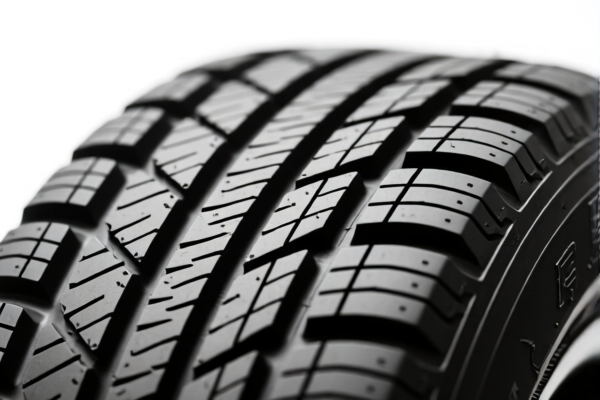
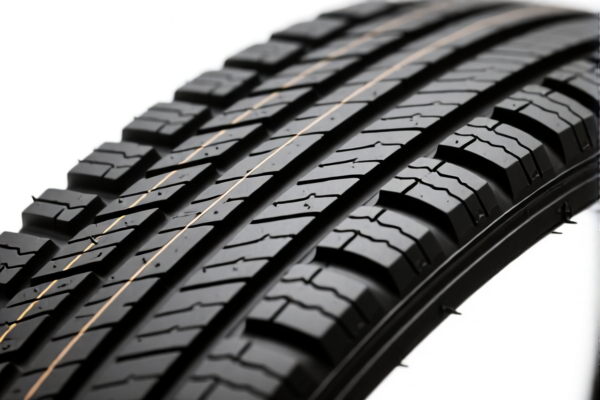
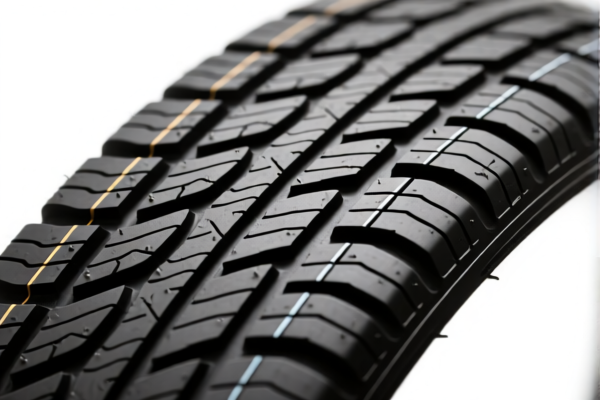

AI Analysis
🚛 Other Rubber Tire Treads (Retreading Stock)
🌐 HS Code Reference & Customs Clearance Guide | 2026 Latest Tariff Analysis | Professional-Level Customs Strategy
📌 I. Product Definition & Classification: What Exactly Are "Other Rubber Tire Treads"?
Rubber Tire Treads, specifically those intended for retreading, are the critical replacement component of a tire. Unlike new tires, these treads are essentially raw or semi-processed rubber components designed to be vulcanized onto an existing tire casing (retread base).
In international trade, they are classified based on two key factors: 1. State of Processing: Are they unvulcanized (raw/intermediate) or finished goods? 2. Form: Are they in the specific shape of a "tread" (curved/strip) or generic rubber shapes?
⚠️ Key Distinction Point:
- If the product is explicitly described as a "Tread for Retreading" and is in its final shape before vulcanization → It often falls under Chapter 40 (Unvulcanized Rubber) as an intermediate good OR Chapter 4012 (Retreading Goods).
- If it is a finished tire tread already attached or fully processed as a replaceable unit → It may fall under 4012.90.
- Crucial Note: The term "Other" implies these are not the standard pneumatic tire treads commonly listed elsewhere, often covering industrial, aircraft, or specific heavy-duty truck treads.
📦 II. HS Code Classification Details (2026 Latest Tariff Authority Comparison)
| HS Code | Product Description | Application Scenario | Tax Rate (Total) | Tax Detail Breakdown |
|---|---|---|---|---|
4012.90.45.00 |
Retreading Goods: Tire Treads Specifically matches the form (tread) and purpose (for retreading). Material inferred as rubber. |
Standard truck/bus tire treads ready for retreading; specific sub-heading for tread types. | 39.2% | Base: 4.2% Section 301 (25%): $25.0\%$ Section 122 (10%): $10.0\%$ |
4005.91.00.00 |
Unvulcanized Rubber in Plates, Sheets, or Strips Material: Rubber; Form: Tread (basic shape/strip). Fits the "unvulcanized mixed rubber" characteristic. |
Raw rubber treads in basic form; considered an intermediate unvulcanized rubber good. | 35.0% | Base: 0.0% Section 301 (25%): $25.0\%$ Section 122 (10%): $10.0\%$ |
4006.90.10.00 |
Other Unvulcanized Rubber Articles Material: Rubber; Form: Tread (intermediate rubber product/shape). |
Unvulcanized rubber shapes not specifically classified elsewhere; generic rubber intermediate goods. | 35.0% | Base: 0.0% Section 301 (25%): $25.0\%$ Section 122 (10%): $10.0\%$ |
4012.90.90.00 |
Retreading Goods: Other Matches material (rubber) and purpose (tread/retreading related). Fits specific sub-features of "Other Retreading Goods." |
Treads or retreading supplies that do not fit the specific "45" sub-heading; general retreading category. | 37.7% | Base: 2.7% Section 301 (25%): $25.0\%$ Section 122 (10%): $10.0\%$ |
4006.10.00.00 |
Unvulcanized Rubber Belts, Bands, Strips (Note: Summary mentions "Hump-shaped" strips) Material: Rubber; Purpose: Tire retreading; Form: "Hump-shaped" strips. |
Specific unvulcanized rubber strips used in retreading processes (e.g., apex seals, filler strips, or specific tread components). | 20.4% | Base: 2.9% Section 301 (7.5%): $7.5\%$ Section 122 (10%): $10.0\%$ |
🔍 Critical Reminder:
- The classification hinges heavily on the legal description vs. physical form.
-4012.90.45.00is the most direct match for "Tire Treads" intended for retreading.
-4006.10.00.00offers the lowest tax rate (20.4%) but requires strict proof that the goods are "unvulcanized belts/bands/strips" and not finished treads. Misclassification here carries high risk.
💰 III. 2026 Latest Tariff Rate Details (Including Surtaxes & Policy Add-ons)
✅ Applicable Country: United States (US)
✅ Country of Origin: China (CN)
✅ Effective Date: From November 10, 2025 (including subsequent imports)
🎯 1. 4012.90.45.00 —— Tire Treads for Retreading
| Item | Content |
|---|---|
| Base Duty Rate | 4.2% (ad valorem) |
| USITC Surtax (Section 301) | +25.0% |
| IEEPA Surtax (Section 122) | +10.0% |
| Total Duty Rate | 39.2% |
| Tax Calculation | CIF Value × 39.2% |
| De Minimis Eligibility | ❌ No (Denied due to Section 301/122 surcharges) |
| Legal Basis Path | USITC:4012.90.45.00 → FOOTNOTE:301 (25%) → IEEPA:9903.01.25 (10%) |
📌 Explanation:
- This is the standard classification for tire treads meant for retreading.
- The 39.2% rate is high due to the combination of base duty, Section 301 tariffs, and Section 122 tariffs.
- Section 122 (10%) is specifically applied to certain Chinese goods, including rubber products, as of Nov 2025.
🎯 2. 4005.91.00.00 & 4006.90.10.00 —— Unvulcanized Rubber Goods
| Item | Content |
|---|---|
| Base Duty Rate | 0.0% |
| USITC Surtax (Section 301) | +25.0% |
| IEEPA Surtax (Section 122) | +10.0% |
| Total Duty Rate | 35.0% |
| Tax Calculation | CIF Value × 35.0% |
| De Minimis Eligibility | ❌ No |
| Legal Basis Path | USITC:4005.91.00.00 or 4006.90.10.00 → FOOTNOTE:301 (25%) → IEEPA:9903.01.25 (10%) |
📌 Note:
- These codes apply if the treads are considered unvulcanized rubber intermediates rather than finished retreading goods.
- The 35.0% rate is slightly lower than4012.90.45.00, but requires convincing customs that the goods are "unvulcanized" and not "finished retreading items."
🎯 3. 4012.90.90.00 —— Other Retreading Goods
| Item | Content |
|---|---|
| Base Duty Rate | 2.7% |
| USITC Surtax (Section 301) | +25.0% |
| IEEPA Surtax (Section 122) | +10.0% |
| Total Duty Rate | 37.7% |
| Tax Calculation | CIF Value × 37.7% |
| De Minimis Eligibility | ❌ No |
| Legal Basis Path | USITC:4012.90.90.00 → FOOTNOTE:301 (25%) → IEEPA:9903.01.25 (10%) |
📌 Explanation:
- This is a fallback category for retreading goods that do not fit the specific "Tread" sub-heading.
- It is cheaper than4012.90.45.00but still carries significant tariffs.
🎯 4. 4006.10.00.00 —— Unvulcanized Rubber Belts, Bands, Strips
| Item | Content |
|---|---|
| Base Duty Rate | 2.9% |
| USITC Surtax (Section 301) | +7.5% (Note: Lower rate for this specific sub-category) |
| IEEPA Surtax (Section 122) | +10.0% |
| Total Duty Rate | 20.4% |
| Tax Calculation | CIF Value × 20.4% |
| De Minimis Eligibility | ❌ No |
| Legal Basis Path | USITC:4006.10.00.00 → FOOTNOTE:301 (7.5%) → IEEPA:9903.01.25 (10%) |
📌 Critical Alert:
- This code offers the lowest total duty rate (20.4%).
- However, it is only applicable if the goods are legally classified as "Belts, Bands, or Strips" (e.g., unvulcanized rubber strips used in retreading, such as filler strips or apex seals) and NOT as full "Tire Treads."
- Misusing this code for actual tire treads can lead to heavy penalties, back taxes, and shipment holds.
🛠️ IV. Customs Clearance Practical Advice (Battle-Tested Pitfall Guide)
✅ 1. Documentation Checklist (Missing One = Delay)
| Document | Must Provide? | Explanation |
|---|---|---|
| ✅ Product Specification Sheet | ✔️ | Must detail: Unvulcanized vs. Vulcanized, Dimensions, Rubber Compound, Intended Use (Retreading). |
| ✅ Commercial Invoice | ✔️ | Clearly state "Rubber Treads for Retreading" or "Unvulcanized Rubber Strips." Avoid vague terms like "Rubber Parts." |
| ✅ Packing List | ✔️ | Show packaging details to confirm no finished tires are included. |
| ✅ Certificate of Origin (CO) | ✔️ | Essential for verifying Chinese origin and applying correct Surtaxes. |
| ✅ Photos of Goods | ✔️ | Clear images showing the shape. If claiming 4006.10, photos must look like strips/bands, not tire-shaped treads. |
| ✅ Third-Party Test Report | ✔️ | Proof of vulcanization state (if disputed). |
✅ 2. Declaration Strategy (Key Mantra)
🔥 “Shape Determines Code, Purpose Defines HS, Be Specific to Save Money!”
| Scenario | Correct Declaration | Wrong Declaration | Consequence |
|---|---|---|---|
| Full Tire Tread (for Retreading) | 4012.90.45.00 |
4006.10.00.00 |
Audit Risk: High. Customs may reclassify and charge 39.2% + penalties. |
| Unvulcanized Rubber Strips (Filler/Apex) | 4006.10.00.00 |
4012.90.90.00 |
Savings: Lower tax (20.4% vs 37.7%), if accurate. |
| Unvulcanized Rubber Sheets/Blocks | 4005.91.00.00 |
4012.90.45.00 |
Risk: If shape is clearly tread-like, misclassification applies. |
| Finished Retreaded Tires | 4011.20.00.00 (New Tires) |
4012.90.45.00 |
Error: Treads are intermediates, not final tires. |
✅ 3. Special Handling Tips
| Situation | Handling Advice |
|---|---|
| OEM Custom Treads | Provide client order + design specs. Prove they are "retreading goods" to use Chapter 4012. |
| "Hump-Shaped" Components | If the product is a specific strip used in retreading (not the full tread), consider 4006.10.00.00 for tax savings. |
| Mixed Containers | If container has both treads and strips, declare separately. Do not mix codes. |
| Vulcanized vs. Unvulcanized | Unvulcanized = Chapter 40 (4005/4006). Vulcanized Retreading Goods = Chapter 4012. This is the biggest classification pivot point. |
🌍 V. Global Market Clearance Comparison (2026 Latest)
| Country/Region | Recommended HS Code | Tariff (China Origin) | Certification Required | Notes |
|---|---|---|---|---|
| 🇺🇸 USA | 4012.90.45.00 |
39.2% | None specific, but accurate classification critical | High tariffs due to Section 301 & 122. |
| 🇨🇳 China | 4012.90.45.00 |
~5-8% | CCC (if applicable) | Lower base duty, no Section 301. |
| 🇪🇺 EU | 4012.90.00 |
~3-5% | CE (if applicable) | No major US-style surtaxes. |
| 🇦🇺 Australia | 4012.90.00 |
~5% | RCM | No Section 301. |
| 🇯🇵 Japan | 4012.90.00 |
~0-3% | PSE | Favorable tariff environment. |
📌 Conclusion:
- The US market is the most expensive for rubber tire treads due to layered surtaxes.
- EU/Asia markets have significantly lower duties, making them attractive alternatives if supply chain allows.
- For US imports, accurate classification is vital to avoid overpaying or facing penalties.
📌 VI. Common Errors & Pitfall Guide (Lessons Learned)
❌ Error 1: Classifying full tire treads as 4006.10.00.00 (Rubber Strips) to save tax.
👉 Consequence: Customs audits reveal the product is a "Tread" (Chapter 4012). Back taxes (39.2% - 20.4% = 18.8% difference) + penalties.
❌ Error 2: Declaring Vulcanized Treads under Unvulcanized Rubber codes (4005/4006).
👉 Consequence: Legal definition mismatch. Vulcanized goods are finished articles (4012), not raw materials. Shipment rejected or re-classified.
❌ Error 3: Vague Description "Rubber Parts" on Invoice.
👉 Consequence: Customs cannot determine the specific HS Code. Delay for additional documentation, potential random inspection.
❌ Error 4: Ignoring Section 122 (10%).
👉 Consequence: Underpayment of duties. Section 122 applies to many Chinese rubber goods. Must be added to all calculations.
✅ Correct Practice:
"Rubber Tire Treads for Retreading, Unvulcanized, Specific Model XYZ, For Heavy-Duty Trucks"
- Clearly state "For Retreading" → Points to 4012.
- Clearly state "Unvulcanized" → If it is a strip, points to 4006.
- Match Physical Shape → If it looks like a tire tread, use 4012.90.45.00.
🎯 VII. Conclusion: Professional Declaration, Save Costs, Avoid Risks!
🎯 Remember the Mantra:
🔹 "Treads for Retreading = 4012.90.45.00 (39.2%)"
🔹 "Rubber Strips/Bands = 4006.10.00.00 (20.4%)"
🔹 "Don't Mix Shapes, Don't Hide Purpose, Save Money with Accuracy!"
📌 Pro Tip:
If your product is a specific component of the retreading process (e.g., filler strips, apex seals) and not the full tread, aggressively pursue
4006.10.00.00with supporting photos and specs. It can save you nearly 20% in duties.
For actual treads, prepare for 39.2% and build it into your cost structure.
📣 Immediate Action:
📞 Consult a licensed customs broker.
📸 Take clear photos of your product.
📄 Apply for a Binding Ruling from US Customs if the classification is ambiguous.
🚀 Ensure your invoice matches the HS Code description exactly.
✨ Professional Customs Clearance Starts with Precise Classification!
💼 Every Percentage Point of Duty Saved is Pure Profit!
Customer Reviews
About HS Code Classification
The Harmonized System (HS) is an internationally standardized nomenclature developed by the World Customs Organization (WCO) to classify traded products. Over 200 countries use the HS system as the basis for customs tariffs, trade statistics, and import/export regulations.
Each HS code follows a hierarchical structure:
- Chapter (2 digits) — Broad category of goods (e.g., Chapter 84: Machinery and Mechanical Appliances)
- Heading (4 digits) — More specific grouping within the chapter
- Subheading (6 digits) — Internationally standardized breakdown, used by all WCO member countries
- National subdivisions (8-10 digits) — Country-specific extensions for further classification, such as US HTSUS 10-digit codes
Correct HS code classification is essential for smooth customs clearance, accurate duty payment, and compliance with trade regulations. Misclassification can lead to customs delays, overpayment of duties, or penalties.
When importing from CN to US, the applicable tariff rates may include:
- Most-Favored-Nation (MFN) rate — The standard duty rate applied to WTO members
- General rate — Applied to countries without trade agreements
- Trade remedy duties — Additional tariffs such as Section 301 (anti-dumping), Section 232 (national security), or countervailing duties
The information provided on this page is for reference purposes only. For official classification, please consult with your local customs authority or a licensed customs broker.