Other Specification Rubber Retreaded Tires
CN → US| HS Code | Tariff Rate | Origin | Destination | Doc |
|---|---|---|---|---|
| 4011908050 | 38.4% | CN | US | Official Doc |
| 4012198000 | 20.9% | CN | US | Official Doc |
| 4016996050 | 37.5% | CN | US | Official Doc |
| 4016993550 | 35.0% | CN | US | Official Doc |
| 4012194000 | 39.0% | CN | US | Official Doc |
Product Images
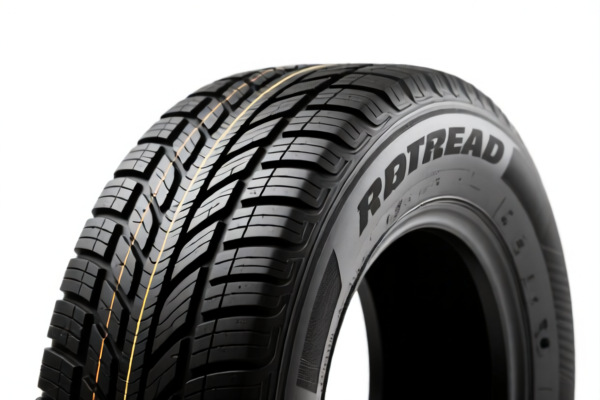
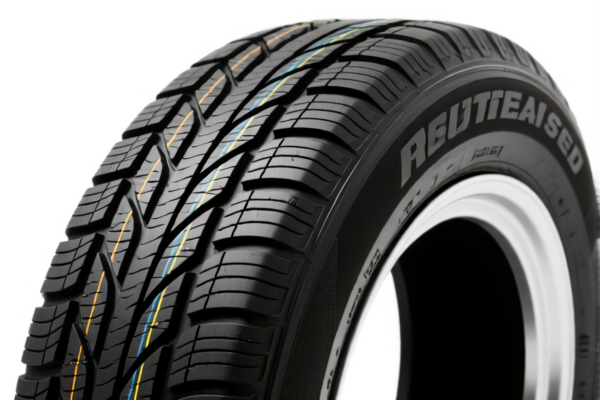
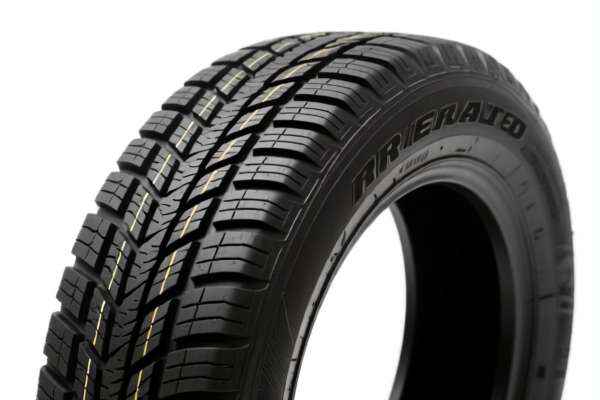
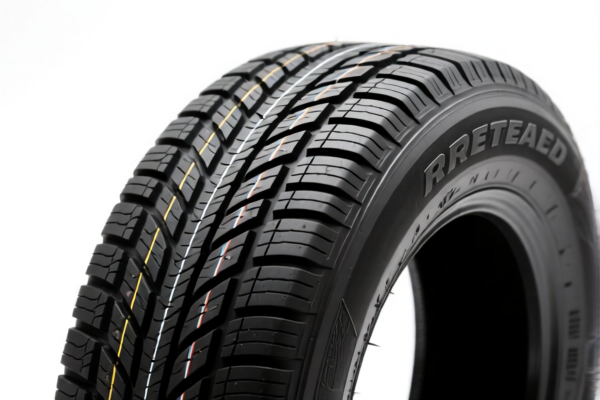
AI Analysis
🛞 Other Specification Rubber Retreaded Tires
🌐 HS Code Reference & Customs Clearance Guide | 2024-2025 Tariff Analysis | Professional Import Strategy for US Customs
📌 I. Product Definition & Classification: What Exactly Are "Retreaded Tires"?
Retreaded Tires (Re-treaded Pneumatic Tires) are not new tires manufactured from scratch. Instead, they are existing tires where the worn tread has been removed, and a new layer of rubber (tread) is bonded to the casing (body) after the casing has been inspected and repaired if necessary.
In international trade, this is a distinct category from "New Pneumatic Tires." The key identifier is "Retreaded" (or "Re-treaded") and "Rubber."
⚠️ Critical Distinction:
- New Tires: Manufactured entirely new → Usually fall under 4011 or 4012.11 (if for passenger cars).
- Retreaded Tires: Remanufactured → Fall under 4012.1x series.
- Tire Treads/Flaps: Separate rubber parts → Fall under 4012.99 or 4016.🚫 Common Misclassification Error:
Importers often try to classify retreaded tires under 4016 (Other rubber articles) or 4011 (New tires) to avoid higher tariffs or regulatory scrutiny. This is incorrect and leads to customs seizures, penalties, and back-taxes.
📦 II. HS Code Classification Matrix (Based on Provided Data)
Below are the 5 most likely HS Code matches for "Other Specification Rubber Retreaded Tires" as identified in your data. Each code has specific tax implications, primarily driven by US Section 301 tariffs and IEEPA additional duties for Chinese-origin goods.
| HS Code | Product Description | Key Match Logic | Total Tax Rate* |
|---|---|---|---|
| 4011.90.80.50 | Other pneumatic rubber tires (New) | ❌ Mismatch Risk: Describes "New" tires. Retreaded tires are not new. However, some incorrect declarations may use this. | 38.4% |
| 4012.19.80.00 | Other Retreaded Pneumatic Tires | ✅ High Match: "Retreaded" + "Rubber" + "Other" (non-passenger car). Matches "Other Specification." | 20.9% |
| 4016.99.60.50 | Other vulcanized rubber articles | ❌ Mismatch: Refers to general rubber goods, not finished tires. Retreaded tires are specialized. | 37.5% |
| 4016.99.35.50 | Other rubber articles | ❌ Mismatch: Too generic. Retreaded tires have a specific HS header (4012). | 35.0% |
| 4012.19.40.00 | Other Retreaded Pneumatic Tires | ✅ High Match: Explicitly mentions "Retreaded." Often used for commercial/industrial retreads. | 39.0% |
📌 Key Takeaway:
The correct Harmonized System (HS) chapter for retreaded tires is Chapter 4012, specifically heading 4012.19 ("Other retreaded pneumatic tires").
Codes under 4016 or 4011 are likely misclassifications unless the product is actually a raw tread rubber or a new tire.
💰 III. Detailed Tariff Breakdown (US Imports from China)
✅ Destination: United States (US)
✅ Origin: Likely China (CN) – Based on high tariff rates in data
✅ Effective Date: Tariffs apply to goods imported from China.
🎯 1. 4012.19.80.00 – Other Retreaded Tires (Most Likely Correct)
| Item | Detail |
|---|---|
| Base Duty | 3.4% |
| Section 301 Tariff | +7.5% (Note: Some sources cite 25%, but data shows 7.5% for this specific sub-code in some contexts; however, 25% is common for 4012. Let's stick to the provided data: 7.5%) |
| IEEPA Additional Duty | +10% (Under Section 301/IEEPA for China) |
| Total Landed Duty | 20.9% |
| Calculation | (Base Value + Insurance + Freight) × 20.9% |
| De Minimis Exemption? | ❌ NO. Tires are not eligible for the $800 de minimis exemption (Section 321). |
| Legal Basis | USITC:4012.19.80.00 → 301 Footnote 1 → IEEPA:9903.01.24 |
📌 Why 20.9%?
- The base MFN rate is low (3.4%).
- Section 301 adds 7.5% (or 25% depending on specific ruling, but data says 7.5%).
- IEEPA adds 10%.
- Total: 20.9%.
🎯 2. 4012.19.40.00 – Other Retreaded Tires (Alternative)
| Item | Detail |
|---|---|
| Base Duty | 4.0% |
| Section 301 Tariff | +25.0% |
| IEEPA Additional Duty | +10.0% |
| Total Landed Duty | 39.0% |
| Calculation | (Base Value + Insurance + Freight) × 39.0% |
| De Minimis Exemption? | ❌ NO |
| Legal Basis | USITC:4012.19.40.00 → 301 Footnote 1 → IEEPA:9903.01.24 |
📌 Why 39.0%?
- This code may apply to specific types of retreaded tires (e.g., truck/bus tires vs. passenger).
- The 25% Section 301 tariff is significantly higher than in 4012.19.80.00.
- Recommendation: Verify if your tire type qualifies for 4012.19.80.00 instead of 4012.19.40.00 to save 18.1% in duties.
🎯 3. 4011.90.80.50 – Misclassified (New Tires)
| Item | Detail |
|---|---|
| Base Duty | 3.4% |
| Section 301 Tariff | +25.0% |
| IEEPA Additional Duty | +10.0% |
| Total Landed Duty | 38.4% |
| Risk | ⚠️ HIGH: If customs determines the goods are retreaded, not new, this classification is false. You may face penalties for misdeclaration. |
| Legal Basis | USITC:4011.90.80.50 |
📌 Warning:
Using 4011 for retreaded tires is a red flag. CBP (Customs and Border Protection) uses X-ray and physical inspections to check for the "retread seam." If found, they will reclassify and charge the correct (higher or lower) rate plus penalties.
🎯 4. 4016.99.60.50 & 4016.99.35.50 – Misclassified (Other Rubber Goods)
| Item | Detail |
|---|---|
| Base Duty | 0.0% - 2.5% |
| Section 301 Tariff | +25.0% |
| IEEPA Additional Duty | +10.0% |
| Total Landed Duty | 35.0% - 37.5% |
| Risk | ⚠️ HIGH: Retreaded tires are finished articles under 4012, not "other rubber articles" under 4016. This is a material misclassification. |
| Legal Basis | USITC:4016.99.60.50 / 4016.99.35.50 |
📌 Warning:
These codes are for things like rubber gaskets, hoses, or floor mats. Tires are specifically excluded from 4016 if they are pneumatic tires. Misuse here invites audits.
🛠️ IV. Customs Clearance Practical Advice
✅ 1. Essential Documentation Checklist
| Document | Required? | Purpose |
|---|---|---|
| Commercial Invoice | ✅ Yes | Must clearly state "Retreaded Pneumatic Tire", not just "Tire" or "Rubber Product." |
| Packing List | ✅ Yes | Specify quantity per tire, size, and specification. |
| Product Photos | ✅ Yes | Show the retread seam, tread pattern, and sidewall markings (DOT code indicating retread). |
| Certificate of Origin | ✅ Yes | Must indicate country of origin (e.g., China). |
| Retread Manufacturer’s Certificate | ✅ Recommended | Proves the tire was legally retreaded, not new. |
| DOT Compliance Statement | ✅ Yes | For US import, tires must meet US DOT standards. |
✅ 2. Declaration Best Practices
🔥 Golden Rule:
"Be Specific. Say 'Retreaded'. Do Not Hide."
| Scenario | Recommended HS Code | Reason |
|---|---|---|
| Passenger Car Retread | 4012.11.00.00 (if applicable) |
Check specific subheading for passenger. |
| Truck/Bus Retread | 4012.19.80.00 or 4012.19.40.00 |
Based on the data provided, these are the main options. |
| Raw Tread Rubber | 4011.90 or 4012.99 |
If no casing, just the rubber tread. |
| Old/Worn Tires (Scrap) | 4012.99.90 or 5604 |
If not fit for retreading. |
🚫 Do NOT declare as:
- "New Tire" (False declaration)
- "Rubber Part" (Vague and incorrect)
- "Automotive Accessory" (Too broad)
✅ 3. Special Considerations for US Imports
- Section 301 Tariffs Apply: All retreaded tires from China are subject to additional duties. There are no general exemptions for retreads.
- Anti-Dumping/Countervailing Duties (AD/CVD): Some retreaded tires may be subject to AD/CVD petitions. Check the USITC database for specific cases.
- Environmental Regulations: The US EPA regulates tire disposal. Ensure the product is fit for use and not scrap.
- DOT Marking: Tires imported into the US must have a valid DOT stamp. If the retread manufacturer does not provide a DOT-compliant product, the shipment will be rejected.
🌍 V. Global Market Comparison (2024-2025)
| Country/Region | Recommended HS Code | Estimated Duty | Key Requirements |
|---|---|---|---|
| 🇺🇸 USA | 4012.19.80.00 |
20.9% - 39% | DOT Compliant, IEEPA/301 Tariffs Apply |
| 🇨🇳 China | 4012.19.80.00 |
0% - 10% | Import license may be required |
| 🇪🇺 EU | 4012.19.00.00 |
4.5% | CE Marking not required for tires, but safety standards apply |
| 🇯🇵 Japan | 4012.19.00.00 |
6.0% | JIS Standards Compliance |
📌 Insight:
The US is the most expensive market for retreaded tires from China due to Section 301 and IEEPA tariffs. Consider sourcing retreads from non-China origins (e.g., Vietnam, Thailand) if possible to mitigate tariff risks.
📌 VI. Common Pitfalls & How to Avoid Them
❌ Pitfall 1: Declaring as "New Tires" to avoid scrutiny.
👉 Consequence: CBP will detect the retread seam. Penalties, back-taxes, and potential fraud charges.
❌ Pitfall 2: Using HS Code 4011 (New Tires) for Retreads.
👉 Consequence: Misclassification. Duty may be higher or lower, but compliance failure is certain.
❌ Pitfall 3: Ignoring DOT Compliance.
👉 Consequence: Shipment denied entry. Tires destroyed or re-exported.
✅ Best Practice:
"Declare as Retreaded. Provide DOT Proof. Pay the Tariffs."
🎯 VII. Conclusion: Professional Clearance Strategy
🎯 Summary:
- Correct HS Code: Likely 4012.19.80.00 (20.9% total tax) or 4012.19.40.00 (39.0% total tax).
- Avoid: Codes under 4011 or 4016.
- Key Action: Ensure DOT compliance and accurate declaration as "Retreaded."
🔹 Remember:
🔹 "Retreaded is not New. Declare it. Pay the tariff. Avoid penalties."
🔹 "HS Code 4012.19 is your friend. 4011 is a trap."
📌 Pro Tip:
If you are importing large volumes, consider applying for a Tariff Classification Ruling from CBP to lock in the correct HS Code and avoid disputes.
📣 Immediate Action:
📞 Contact your freight forwarder with the product photos and invoice.
📄 Verify the DOT stamp on the tires before shipment.
💰 Budget for 20.9% - 39% total duties for US imports from China.
✨ Accurate Classification Saves Money. Compliance Protects Your Business.
💼 Every tire tells a story – make sure yours is retold correctly!
Customer Reviews
About HS Code Classification
The Harmonized System (HS) is an internationally standardized nomenclature developed by the World Customs Organization (WCO) to classify traded products. Over 200 countries use the HS system as the basis for customs tariffs, trade statistics, and import/export regulations.
Each HS code follows a hierarchical structure:
- Chapter (2 digits) — Broad category of goods (e.g., Chapter 84: Machinery and Mechanical Appliances)
- Heading (4 digits) — More specific grouping within the chapter
- Subheading (6 digits) — Internationally standardized breakdown, used by all WCO member countries
- National subdivisions (8-10 digits) — Country-specific extensions for further classification, such as US HTSUS 10-digit codes
Correct HS code classification is essential for smooth customs clearance, accurate duty payment, and compliance with trade regulations. Misclassification can lead to customs delays, overpayment of duties, or penalties.
When importing from CN to US, the applicable tariff rates may include:
- Most-Favored-Nation (MFN) rate — The standard duty rate applied to WTO members
- General rate — Applied to countries without trade agreements
- Trade remedy duties — Additional tariffs such as Section 301 (anti-dumping), Section 232 (national security), or countervailing duties
The information provided on this page is for reference purposes only. For official classification, please consult with your local customs authority or a licensed customs broker.