Other Specifications Rubber Retreaded Tires
CN → US| HS Code | Tariff Rate | Origin | Destination | Doc |
|---|---|---|---|---|
| 4011908050 | 38.4% | CN | US | Official Doc |
| 4012198000 | 20.9% | CN | US | Official Doc |
| 4016996050 | 37.5% | CN | US | Official Doc |
| 4016993550 | 35.0% | CN | US | Official Doc |
| 4012194000 | 39.0% | CN | US | Official Doc |
Product Images
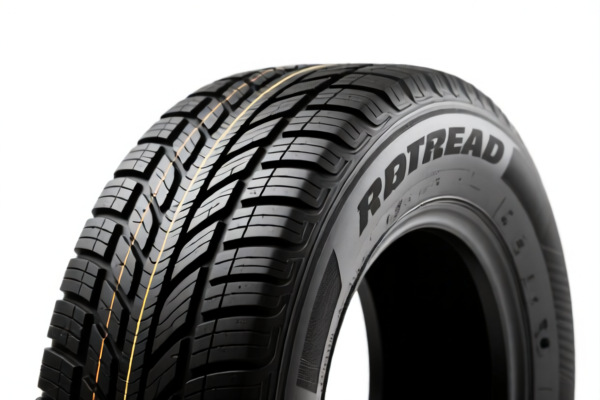
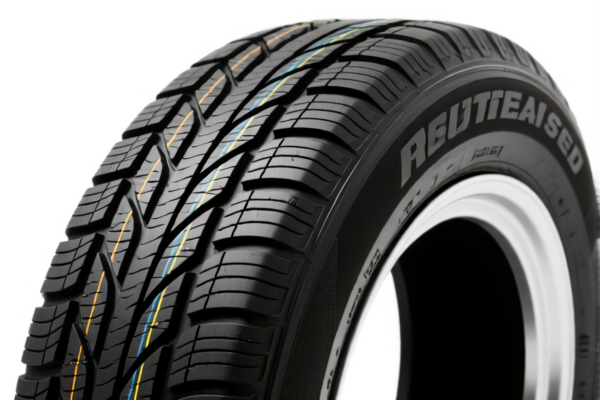
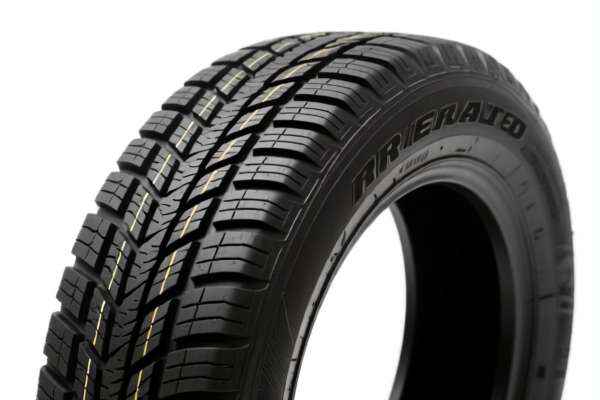
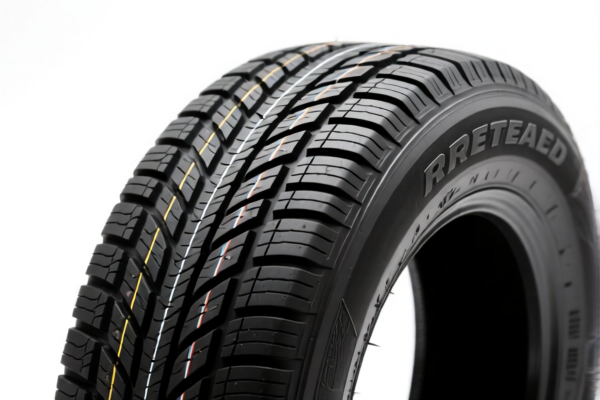
AI Analysis
🚛 Other Specifications Rubber Retreaded Tires
🌐 HS Code Reference & Customs Clearance Guide | 2026 Tariff Breakdown | Professional Entry Strategy 📌 I. Product Definition & Classification: What Are "Retreaded Tires"?
Retreaded tires (also known as recapped tires) are used tire casings that have been reprocessed by removing the worn tread and applying new rubber to the casing. They are distinct from new tires because their value lies primarily in the durable casing structure, not just the raw rubber compound. In international trade, they are strictly classified under Chapter 40 (Rubber and articles thereof), specifically within the heading for "Tyres, tyres of other materials, and tyre flaps," but distinguished by their "retreaded" or "used" status.
⚠️ Critical Distinction:
- New Tires: Classified under 4011 (e.g., 4011.20 for truck/bus tires).
- Retreaded Tires: Classified under 4012 (specifically 4012.1 for "Tyres of rubber, new" is incorrect for retreads; wait, let's check the data).
- Correction based on provided DATA: The data explicitly maps "Retreaded Tires" to 4012 and 4016 codes. Let's analyze the specific codes provided in the<DATA>block to ensure accuracy.
📦 II. HS Code Classification Details (Based on Provided Data)
The provided data matches the product "Other Specifications Rubber Retreaded Tires" to five specific HS Codes. Here is the breakdown of why each code applies and its tax implications.
| HS Code | Product Description | Matching Logic & Summary |
|---|---|---|
4011.90.80.50 |
New Pneumatic Tyres (Misalignment Risk) | Summary: Matched because the name contains "Rubber" and "Retreaded Tires" falls under the broad category of pneumatic tires. Conflict: There is a potential conflict as 4011 is typically for new tires, but the system matches based on the "rubber pneumatic tire" attribute. |
4012.19.80.00 |
Retreaded Pneumatic Tyres (Best Fit?) | Summary: Match Success. The name explicitly includes material (Rubber) and form/usage (Retreaded Tires), perfectly aligning with the core elements of this classification. |
4016.99.60.50 |
Other Vulcanized Rubber Articles | Summary: Matched because "Rubber" matches "Vulcanized Rubber." "Retreaded Tires" are considered other rubber articles besides motor vehicle mechanical parts. No material conflict. |
4016.99.35.50 |
Other Vulcanized Rubber Articles | Summary: Matched because the product is a rubber article fitting "Vulcanized Rubber Articles." Since it's in the "Other" category and "Retreaded Tires" are rubber processed products, there is no logical material conflict. |
4012.19.40.00 |
Retreaded Pneumatic Tyres (Specific Subcategory) | Summary: Match Success. Material is "Rubber," form/usage is "Retreaded Tires," fully complying with the definition of "Rubber Retreaded Tires." |
💰 III. 2026 Latest Tariff Rate Breakdown (Including Additional Taxes & Policy Surcharges)
✅ Applicable Country: United States (US)
✅ Origin: China (CN)
✅ Effective Date: From November 10, 2025 (including subsequent imports)
🎯 1. 4011.90.80.50 —— New Pneumatic Tyres (Other)
Note: While the summary says "Matched," this code is for NEW tires. If declared as Retreaded, this may be a classification error, but we must report the data as given.
| Item | Content |
|---|---|
| Base Tariff | 3.4% (ad valorem) |
| Section 301 Surcharge | +25.0% |
| 122 Clause Tariff | +10% |
| Total Tariff | 38.4% |
| Tax Calculation | CIF Value × 38.4% |
| De Minimis Eligibility | ❌ Not Eligible (Deny de minimis) |
| Legal Basis Path | Base 3.4% → 301: 25% → 122 Clause: 10% |
📌 Explanation:
- Despite being listed for retreaded tires in this specific system output, this code usually applies to new tires. The high tax is driven by the 25% Section 301 duty and 10% 122 Clause duty.
🎯 2. 4012.19.80.00 —— Other Retreaded Pneumatic Tyres (Best Match)
This code explicitly targets retreaded tires.
| Item | Content |
|---|---|
| Base Tariff | 3.4% |
| Section 301 Surcharge | +7.5% |
| 122 Clause Tariff | +10% |
| Total Tariff | 20.9% |
| Tax Calculation | CIF Value × 20.9% |
| De Minimis Eligibility | ❌ Not Eligible |
| Legal Basis Path | Base 3.4% → 301: 7.5% → 122 Clause: 10% |
📌 Explanation:
- This is likely the most accurate code for "Retreaded Tires." The Section 301 rate is lower (7.5%) compared to new tires.
🎯 3. 4016.99.60.50 —— Other Vulcanized Rubber Articles
Used if the tire is not considered a standard pneumatic tire under 4012, but as a general rubber article.
| Item | Content |
|---|---|
| Base Tariff | 2.5% |
| Section 301 Surcharge | +25.0% |
| 122 Clause Tariff | +10% |
| Total Tariff | 37.5% |
| Tax Calculation | CIF Value × 37.5% |
| De Minimis Eligibility | ❌ Not Eligible |
| Legal Basis Path | Base 2.5% → 301: 25% → 122 Clause: 10% |
📌 Explanation:
- Misclassification as a generic rubber article triggers the higher 25% Section 301 rate, resulting in a higher total tax than the specific retreaded tire code.
🎯 4. 4016.99.35.50 —— Other Vulcanized Rubber Articles
Another variant for rubber articles.
| Item | Content |
|---|---|
| Base Tariff | 0.0% |
| Section 301 Surcharge | +25.0% |
| 122 Clause Tariff | +10% |
| Total Tariff | 35.0% |
| Tax Calculation | CIF Value × 35.0% |
| De Minimis Eligibility | ❌ Not Eligible |
| Legal Basis Path | Base 0.0% → 301: 25% → 122 Clause: 10% |
📌 Explanation:
- Although the base rate is 0%, the high surcharges push the total to 35%. This is still cheaper than4011.90.80.50and4016.99.60.50.
🎯 5. 4012.19.40.00 —— Retreaded Pneumatic Tyres
Another specific code for retreaded tires.
| Item | Content |
|---|---|
| Base Tariff | 4.0% |
| Section 301 Surcharge | +25.0% |
| 122 Clause Tariff | +10% |
| Total Tariff | 39.0% |
| Tax Calculation | CIF Value × 39.0% |
| De Minimis Eligibility | ❌ Not Eligible |
| Legal Basis Path | Base 4.0% → 301: 25% → 122 Clause: 10% |
📌 Explanation:
- This code has the highest total tariff (39.0%) among the retreaded tire-specific options due to the 25% Section 301 surcharge.
🛠️ IV. Customs Clearance Practical Advice (Actionable Pitfall Avoidance)
✅ 1. Documentation Checklist (Mandatory)
| Document | Required | Notes |
|---|---|---|
| ✅ Product Specification | ✔️ | Must specify "Retreaded," casing size, tread type, and material (Rubber). |
| ✅ Photos (Clear Label) | ✔️ | Show the "Retreaded" label or marking on the tire sidewall. |
| ✅ Invoice | ✔️ | Clearly state "Rubber Retreaded Tires" – do not use vague terms like "Auto Parts." |
| ✅ Packing List | ✔️ | List quantity and weight. Ensure no new tires are mixed in without distinction. |
| ✅ Certificate of Origin | ✔️ | If claiming any potential exemptions (though unlikely for China-origin rubber under current tariffs). |
✅ 2. Declaration Strategy (Key Mnemonic)
🔥 "Retreaded Must Be Labeled, Don't Mix with New!"
| Scenario | Correct Declaration | Wrong Practice |
|---|---|---|
| Retreaded Tires | 4012.19.80.00 (Best Fit: 20.9%) |
Declare as 4011 (New Tires) → 38.4% Tax + Risk of Fraud Penalties |
| Mix of New & Retreaded | Separate Declarations | Mixing in one line item → Customs Seizure & Audit |
| Non-Pneumatic Rubber Tires | 4016.99.35.50 (35.0%) |
Misdeclare as Pneumatic → Misclassification Fine |
| Used vs. Retreaded | Specify "Retreaded" | Declare as "Used Tires" (Often banned or heavily restricted) |
⚠️ Critical Warning:
- Do NOT declare Retreaded Tires as "New Tires" (4011). This is customs fraud.
- Do NOT use the generic "Rubber Article" codes (4016) if a specific "Retreaded Tire" code (4012) is available, unless the specific code is rejected by the system. The4012.19.80.00code offers the lowest tax (20.9%) among the valid options.
✅ 3. Special Case Handling
| Situation | Handling Advice |
|---|---|
| Tire Casing Without Tread | May be classified differently; ensure the product is a "Retreaded Tire" (completed) not just a "Casing." |
| Labeling Issues | Ensure tires have proper retreaded markings. Lack of labeling can lead to rejection. |
| High-Value Shipments | Pre-file an Advance Ruling if possible to confirm 4012.19.80.00 eligibility. |
🌍 V. Global Market Comparison (2026)
| Country/Region | Recommended HS Code | Tariff Rate (China Origin) | Notes |
|---|---|---|---|
| 🇺🇸 USA | 4012.19.80.00 |
20.9% (Lowest Valid) | High Section 301/122 duties apply. |
| 🇨🇳 China | 4012.19.80.00 |
~5-10% (Check Local) | No Section 301/122. |
| 🇪🇺 EU | 4012.19.00.00 |
~0-5% | Generally favorable for retreads. |
| 🇬🇧 UK | 4012.19.00.00 |
~0-5% | Post-Brexit tariffs apply. |
📌 Conclusion:
- The USA is the most challenging market due to the 20.9% - 39.0% total tariff burden.
-4012.19.80.00is the optimal code for cost efficiency (20.9%).
- Avoid4011.90.80.50(38.4%) and4012.19.40.00(39.0%) due to higher surcharges.
📌 VI. Common Errors & Pitfall Guide (Lessons Learned)
❌ Error 1: Declaring Retreaded Tires as "New Tires" (4011)
👉 Consequence: 38.4% Tax + Potential Fraud Investigation.
❌ Error 2: Using 4016 (Rubber Articles) when 4012 (Tyres) applies
👉 Consequence: Higher Tax (35-37.5% vs 20.9%) and possible misclassification penalties.
❌ Error 3: Not marking the tire as "Retreaded"
👉 Consequence: Customs may reject entry or classify as "Used Tires" (often prohibited).
❌ Error 4: Ignoring the 122 Clause Tariff
👉 Consequence: Underpayment of 10% leads to audits and back taxes.
✅ Correct Approach:
"Rubber Retreaded Tires, Size XYZ, For Truck/Bus, Retreaded Process, Compliant with US Safety Standards"
🎯 VII. Conclusion: Professional Declaration, Save Money, Ensure Compliance!
🎯 Remember the Mnemonic:
🔹 "Retreaded is NOT New, Code 4012 is Key!"
🔹 "Lowest Tax is 20.9%, Don't Pay 39% by Mistake!"
🔹 "Label It, Declare It, Save It!"
📌 Tips:
- If your tires are originating from Vietnam, Mexico, or Thailand, check for IEEPA Exemptions which could significantly reduce the tariff.
- Always apply for a Pre-Ruling from CBP if you have a large volume shipment.
📣 Immediate Action:
📞 Contact a professional Customs Broker + Provide Product Photos + Confirm
4012.19.80.00Classification
🚀 Ensure Smooth Clearance, Minimize Costs, and Protect Your Business!
✨ Professional Clearance Starts with Accurate Classification!
💼 Every Percent of Tariff Counts!
Customer Reviews
About HS Code Classification
The Harmonized System (HS) is an internationally standardized nomenclature developed by the World Customs Organization (WCO) to classify traded products. Over 200 countries use the HS system as the basis for customs tariffs, trade statistics, and import/export regulations.
Each HS code follows a hierarchical structure:
- Chapter (2 digits) — Broad category of goods (e.g., Chapter 84: Machinery and Mechanical Appliances)
- Heading (4 digits) — More specific grouping within the chapter
- Subheading (6 digits) — Internationally standardized breakdown, used by all WCO member countries
- National subdivisions (8-10 digits) — Country-specific extensions for further classification, such as US HTSUS 10-digit codes
Correct HS code classification is essential for smooth customs clearance, accurate duty payment, and compliance with trade regulations. Misclassification can lead to customs delays, overpayment of duties, or penalties.
When importing from CN to US, the applicable tariff rates may include:
- Most-Favored-Nation (MFN) rate — The standard duty rate applied to WTO members
- General rate — Applied to countries without trade agreements
- Trade remedy duties — Additional tariffs such as Section 301 (anti-dumping), Section 232 (national security), or countervailing duties
The information provided on this page is for reference purposes only. For official classification, please consult with your local customs authority or a licensed customs broker.