Other Sulfurized Rubber Automotive Parts
CN → US| HS Code | Tariff Rate | Origin | Destination | Doc |
|---|---|---|---|---|
| 4016931020 | 37.5% | CN | US | Official Doc |
| 8708990300 | 35.0% | CN | US | Official Doc |
| 8708995500 | 37.5% | CN | US | Official Doc |
| 4016931050 | 37.5% | CN | US | Official Doc |
| 4017000000 | 37.7% | CN | US | Official Doc |
Product Images
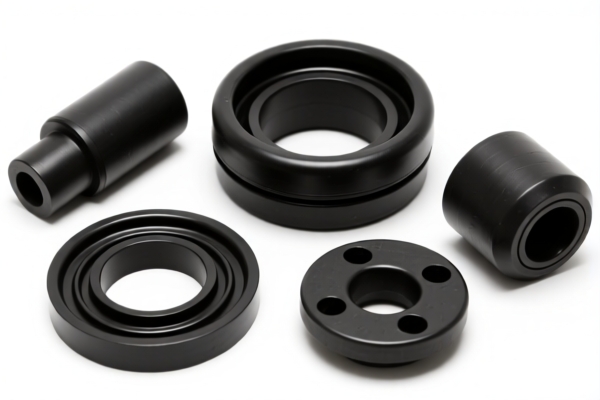
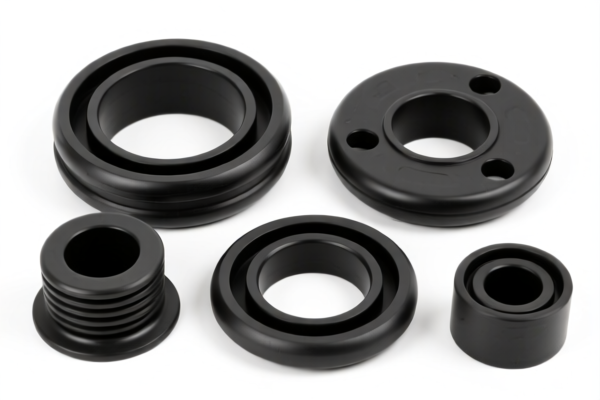
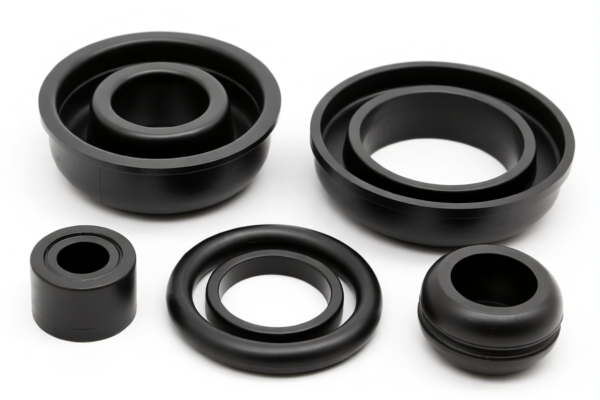
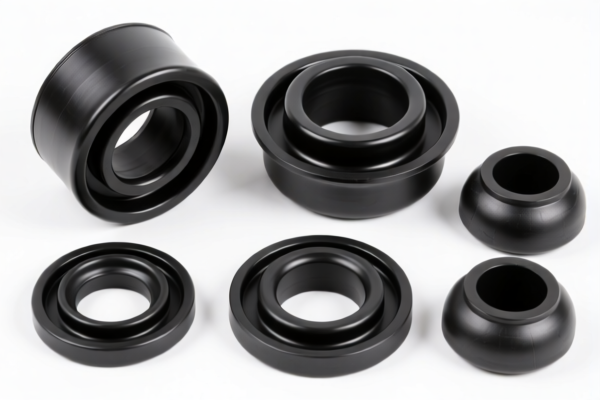
AI Analysis
🚗 Other Sulfurized Rubber Automotive Parts
🌐 HS Code Reference & Customs Clearance Guide | 2026 Latest Tariff Analysis | Professional Clearance Strategy
📌 Part 1: Product Definition & Classification: Do You Really Understand "Sulfurized Rubber Auto Parts"?
Sulfurized rubber (Vulcanized Rubber) automotive parts are critical components used for sealing, cushioning, and noise reduction in vehicles. In international trade, these parts are generally classified into two main categories based on their specific function and structure:
- General Rubber Seals/Gaskets (4016): Including sealing strips, gaskets, washers, and other rubber sealing elements not specifically identified as exclusive automotive parts in Chapter 87.
- Automotive Parts & Accessories (8708): Specific parts belonging to motor vehicles, including rubber sealing strips, bumper parts, and other accessories.
⚠️ Key Distinction Point:
- If the item is primarily a general-purpose sealing strip or gasket made of vulcanized rubber, it often falls under Chapter 40.
- If the item is explicitly recognized as a part of a motor vehicle (e.g., car door seals, trunk seals), it may fall under Chapter 87.
- Misclassification Risk: Classifying a generic rubber seal as an auto part (or vice versa) can lead to different duty rates due to Section 301 tariffs and "Section 122" rules.
📦 Part 2: HS Code Classification Details (2026 Latest Tariff Authority Reference)
| HS Code | Product Description | Application Scenario | Classification Basis |
|---|---|---|---|
4016.93.10.20 |
Other vulcanized rubber articles; Sealing strips; Gaskets/Washers | Sealing strips for doors/trunks, rubber gaskets for engines | Matches: Material: Sulfurized rubber; Form: Sealing strip; Category: Gaskets/Seals |
8708.99.03.00 |
Parts and accessories of motor vehicles; Other parts | Sealing strips classified as vehicle accessories/parts | Matches: Material: Sulfurized rubber; Form: Sealing strip (Auto part); Category: Other parts & accessories |
8708.99.55.00 |
Parts and accessories of motor vehicles; Other | Vehicle sealing strips specifically designated as auto parts | Matches: Material: Sulfurized rubber; Use: Car sealing strip; Category: Parts & accessories |
4016.93.10.50 |
Other vulcanized rubber articles; Sealing components | Automotive seals falling under general rubber seals | Matches: Material: Sulfurized rubber; Use: Auto sealing; Form: Sealing component |
4017.00.00.00 |
Hard rubber (ebonite) and articles of hard rubber | Sealing strips made of hard rubber (if applicable) | Matches: Material: Sulfurized rubber (Hard rubber category); Form: Sealing strip |
🔍 Important Reminder:
-4016.93series is for general rubber sealing articles.
-8708.99series is for specific automotive parts.
-4017.00is for hard rubber, which is a more rigid form of sulfurized rubber.
- The choice between Chapter 40 and Chapter 87 depends on the primary function and industry recognition of the part.
💰 Part 3: 2026 Latest Tariff Rate Details (Including Surtaxes, Policy Surcharges)
✅ Applicable Country: United States (US)
✅ Origin: China (CN)
✅ Effective Date: From November 10, 2025 (including subsequent imports)
🎯 1. 4016.93.10.20 & 4016.93.10.50 — Vulcanized Rubber Sealing Articles (Gaskets/Seals)
| Item | Content |
|---|---|
| Base Tariff Rate | 2.5% (ad valorem) |
| Section 301 Surcharge (USITC) | +25.0% (Under USITC Footnote 9903.88.01) |
| Section 122 Tariff (IEEPA) | +10% (Targeting China/HK products, effective from Nov 10, 2025) |
| Total Tariff Rate | 37.5% |
| Tax Calculation | CIF Value × 37.5% |
| De Minimis Exemption Eligible | ❌ No (deny_de_minimis) |
| Legal Basis Path | IEEPA:9903.01.25 → IEEPA:9903.01.24 → USITC:4016.93.10.20 → FOOTNOTE:9903.88.01 |
📌 Explanation:
- "USITC Surcharge 25%": From the "Additional Tariffs" under Section 301 of the US Trade Act;
- "Section 122 Tariff 10%": Additional tariff imposed under the International Emergency Economic Powers Act (IEEPA);
- Total 37.5%: Considered a high tariff, must be anticipated in advance!
🎯 2. 8708.99.03.00 & 8708.99.55.00 — Automotive Parts & Accessories
| Item | Content |
|---|---|
| Base Tariff Rate | 0.0% (8708.99.03.00) / 2.5% (8708.99.55.00) |
| Section 301 Surcharge (USITC) | +25.0% |
| Section 122 Tariff (IEEPA) | +10% |
| Total Tariff Rate | 35.0% (8708.99.03.00) / 37.5% (8708.99.55.00) |
| Tax Calculation | CIF Value × Rate |
| De Minimis Exemption Eligible | ❌ No (deny_de_minimis) |
| Legal Basis Path | IEEPA:9901.25 → IEEPA:9903.01.24 → USITC:8708.99.xxxx → FOOTNOTE:9903.88.01 |
📌 Note:
-8708.99.03.00has a lower base rate (0%), resulting in a total of 35%;
-8708.99.55.00has a base rate of 2.5%, resulting in a total of 37.5%;
- Both are subject to the same Section 301 (25%) and Section 122 (10%) surcharges.
🎯 3. 4017.00.00.00 — Hard Rubber Articles
| Item | Content |
|---|---|
| Base Tariff Rate | 2.7% (ad valorem) |
| Section 301 Surcharge (USITC) | +25.0% |
| Section 122 Tariff (IEEPA) | +10% |
| Total Tariff Rate | 37.7% |
| Tax Calculation | CIF Value × 37.7% |
| De Minimis Exemption Eligible | ❌ No (deny_de_minimis) |
| Legal Basis Path | IEEPA:9903.01.25 → IEEPA:9903.01.24 → USITC:4017.00.00.00 → FOOTNOTE:9903.88.01 |
📌 Note:
- Hard rubber is a more rigid form of sulfurized rubber;
- Slightly higher base rate leads to a total of 37.7%;
- Applicable if the rubber product is specifically classified as "hard rubber" (ebonite).
🛠️ Part 4: Customs Clearance Practical Advice (Field Anti-Pitfall Guide)
✅ 1. Preparation Checklist (Essential Documents)
| Document | Required | Description |
|---|---|---|
| ✅ Product Specification Sheet | ✔️ | Dimensions, material composition (sulfurized rubber content), hardness, temperature resistance |
| ✅ Product Photos (with Label) | ✔️ | Clear display of model, brand, intended use (e.g., "Car Door Seal") |
| ✅ Commercial Invoice | ✔️ | Must clearly state "Sulfurized Rubber Sealing Strip for Automotive Use" |
| ✅ Packing List | ✔️ | Details on packaging to avoid split declarations |
| ✅ Certificate of Origin (CO) | ✔️ | If non-China origin, can apply for preferential rates |
| ✅ Third-Party Test Report | ✔️ | ISO, REACH, RoHS (if applicable) |
✅ 2. Declaration Techniques (Key Mnemonics)
🔥 "Material First, Use Second, Name Precise, Tax Lowered!"
| Situation | Correct Declaration Method | Wrong Practice |
|---|---|---|
| General Rubber Seal Strip | 4016.93.10.20 or 4016.93.10.50 |
Misclassified as auto part → 35-37.5% |
| Specific Auto Part (e.g., Door Seal) | 8708.99.03.00 or 8708.99.55.00 |
Misclassified as general rubber → 37.5-37.7% |
| Hard Rubber Seal | 4017.00.00.00 |
Misclassified as soft rubber → Different base rate |
| Generic "Rubber Part" | ❌ Avoid | Vague description leads to delays/seizures |
📌 Tip:
- If the part is custom-made for a specific car model, declare as8708.99(Auto Parts).
- If the part is generic and used in multiple industries, declare as4016.93(General Rubber Articles).
✅ 3. Special Case Handling
| Situation | Handling Advice |
|---|---|
| OEM Custom Seals | Provide client orders + design drawings to prove automotive use |
| Mixed Shipment (Rubber + Metal) | Separate declaration if components are significant; otherwise, declare as rubber assembly |
| Non-Chinese Origin | Check for IEEPA exemptions if produced in Vietnam, Mexico, etc. |
| Pre-Ruling Application | Apply for Advance Ruling to confirm HS Code and avoid clearance risks |
🌍 Part 5: Global Main Market Clearance Comparison (2026 Latest)
| Country/Region | Recommended HS Code | Tariff Rate | Certification Requirements | Notes |
|---|---|---|---|---|
| 🇺🇸 USA | 4016.93.10.20 / 8708.99.03.00 |
35%~37.7% (China Origin) | None specific for rubber | High additional tariffs apply |
| 🇨🇳 China | 4016.93.10.20 / 8708.99.03.00 |
0%~2.5% (Export) | None for export | Low import tariff for domestic use |
| 🇪🇺 EU | 4016.93 / 8708.99 |
0%~4.5% (Most FTA) | REACH, RoHS | No Section 301/122 equivalent |
| 🇦🇺 Australia | 4016.93 / 8708.99 |
0%~5% | RCM (if electrical) | Low tariffs under AHTO |
| 🇯🇵 Japan | 4016.93 / 8708.99 |
0%~2.5% | PSE (if applicable) | Low tariffs under EPA |
📌 Conclusion:
- USA has the highest tariff burden for Chinese-origin rubber automotive parts due to Section 301 and Section 122;
- EU, AU, JP have significantly lower tariffs, especially with Free Trade Agreements (FTAs);
- Supply Chain Adjustment: Consider sourcing from non-China countries to avoid US surcharges.
📌 Part 6: Common Errors & Pitfalls (Blood & Tears Lessons)
❌ Error 1: Declaring "Generic Rubber Seal" as "Auto Part" without proof
👉 Consequence: Customs may reclassify to 4016.93 or 4017.00, leading to duty differences and penalties.
❌ Error 2: Vague description "Rubber Part"
👉 Consequence: Customs delay, request for additional documents, potential inspection.
❌ Error 3: Ignoring "Section 122" Tariff
👉 Consequence: Unexpected 10% surcharge on top of 301 tariffs, increasing costs significantly.
❌ Error 4: Misidentifying "Hard Rubber" vs. "Soft Rubber"
👉 Consequence: 4017.00.00.00 has a different base rate (2.7% vs 2.5%), though total difference is small, accuracy is key.
✅ Correct Approach:
"Vulcanized Rubber Sealing Strip, Model XYZ, For Car Door Seal, HS Code: 4016.93.10.20/8708.99.03.00, Origin: China"
🎯 Part 7: Conclusion: Professional Declaration, Save Time & Cost!
🎯 Remember the Mnemonic:
🔹 "Rubber Seal, Auto Part, Chapter 40 vs 87, Duty is Key!"
🔹 "Section 301 + 122 = High Cost, Clear Classification Saves Money!"
📌 Small Tip:
If your rubber parts are originated in Vietnam, Mexico, Thailand, or Malaysia, you may apply for IEEPA Exemption, with tariffs as low as 0%~5%;
It is recommended to apply for Advance Ruling (Pre-classification) to avoid clearance risks.
📣 Take Action Now:
📞 Contact Professional Customs Broker + Provide Product Photos + Apply for HS Code Advance Ruling
🚀 Ensure Smooth Clearance, Efficient Export, and Maximize Profits!
✨ Professional Clearance Starts with Accurate Classification!
💼 Every Cent of Your Cost Deserves to Be Calculated Precisely!
Customer Reviews
About HS Code Classification
The Harmonized System (HS) is an internationally standardized nomenclature developed by the World Customs Organization (WCO) to classify traded products. Over 200 countries use the HS system as the basis for customs tariffs, trade statistics, and import/export regulations.
Each HS code follows a hierarchical structure:
- Chapter (2 digits) — Broad category of goods (e.g., Chapter 84: Machinery and Mechanical Appliances)
- Heading (4 digits) — More specific grouping within the chapter
- Subheading (6 digits) — Internationally standardized breakdown, used by all WCO member countries
- National subdivisions (8-10 digits) — Country-specific extensions for further classification, such as US HTSUS 10-digit codes
Correct HS code classification is essential for smooth customs clearance, accurate duty payment, and compliance with trade regulations. Misclassification can lead to customs delays, overpayment of duties, or penalties.
When importing from CN to US, the applicable tariff rates may include:
- Most-Favored-Nation (MFN) rate — The standard duty rate applied to WTO members
- General rate — Applied to countries without trade agreements
- Trade remedy duties — Additional tariffs such as Section 301 (anti-dumping), Section 232 (national security), or countervailing duties
The information provided on this page is for reference purposes only. For official classification, please consult with your local customs authority or a licensed customs broker.