Other Tanned Animal Leather, Exquisite Leather Handicrafts
CN → US| HS Code | Tariff Rate | Origin | Destination | Doc |
|---|---|---|---|---|
| 4205006000 | 39.9% | CN | US | Official Doc |
| 4107994000 | 12.5% | CN | US | Official Doc |
| 4205008000 | 35.0% | CN | US | Official Doc |
| 4107998000 | 12.4% | CN | US | Official Doc |
| 4205006000 | 39.9% | CN | US | Official Doc |
Product Images
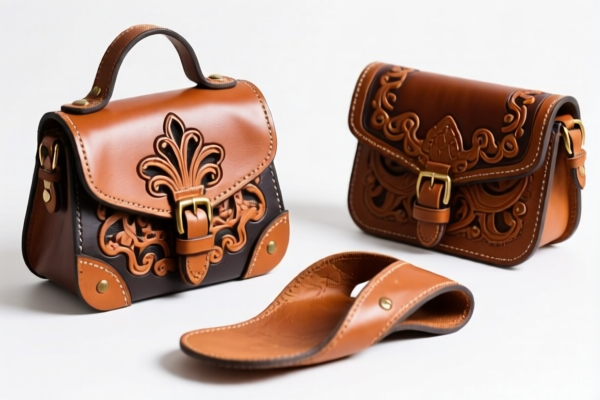
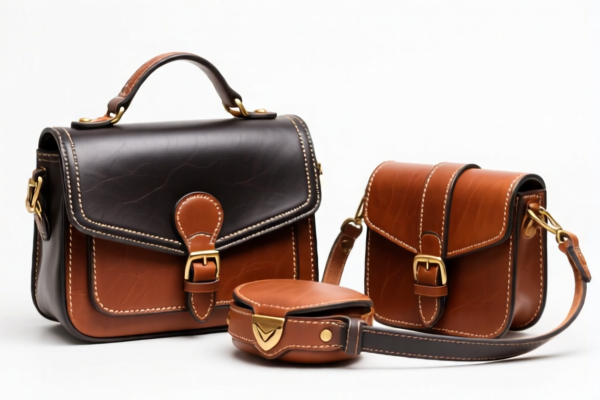
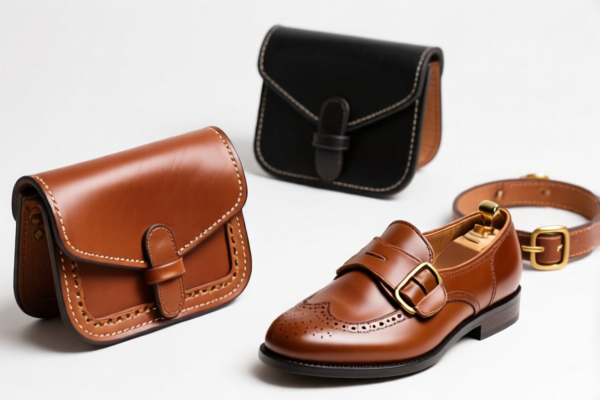
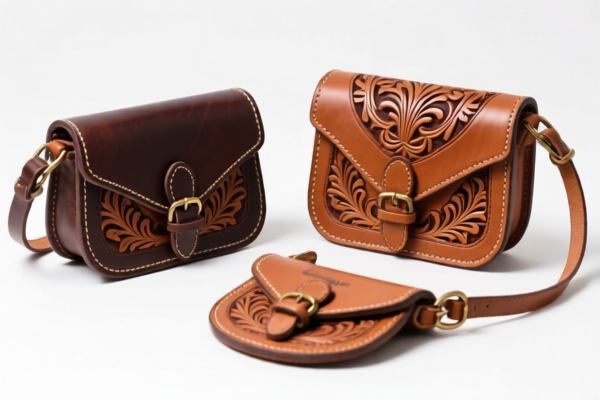
AI Analysis
🧵 Exquisite Leather Handicrafts (Other Tanned Animal Leather)
🌐 HS Code Reference & Customs Clearance Guide | 2026 Latest Tariff Analysis | Professional Clearance Strategy
📌 1. Product Definition: What Are "Exquisite Leather Handicrafts"?
"Other Tanned Animal Leather, Exquisite Leather Handicrafts" refers to processed animal hides that have undergone tanning (removal of hair) and are fashioned into specific models, patterns, or finished goods. The classification hinges on two critical factors: 1. Material State: Is it raw tanned leather (Chapter 41) or a finished leather article (Chapter 42)? 2. Form/Shape: Is it a flat skin/model (often falling under "Other") or a recognizable manufactured item?
⚠️ Critical Distinction:
- Chapter 41 (Raw/Tanned Leather): If the product is primarily valued as the material itself (e.g., specific cut skins, unstructured models retaining the hide's natural form for further manufacturing), it may fall here.
- Chapter 42 (Leather Articles): If the product is a finished good or a specific leather item/model that is clearly a manufactured article rather than just a raw material, it falls here.
📦 2. HS Code Classification Details (2026 Latest Tariff Authority Comparison)
Based on the provided data, here are the four potential HS Code classifications for "Other Tanned Animal Leather, Exquisite Leather Handicrafts," ranked by tax liability and logical fit.
| HS Code | Product Description (Summary from Data) | Total Tax Rate | Key Classification Logic |
|---|---|---|---|
4205.00.60.00 |
Other animal tanned leather (exhair), exquisite leather models. Material: Tanned leather; Form: Model/Article. Fits "Other Leather Articles" attribute. | 39.9% | Classifies as a Leather Article. High base tariff (4.9%) + Section 301 (25%) + Section 122 (10%). |
4205.00.80.00 |
Other animal tanned leather (exhair), exquisite leather models. Material: Tanned leather; Form: Leather Model. Fits leather article material requirement, classified as "Other". | 35.0% | Classifies as a Leather Article. Zero base tariff (0.0%) + Section 301 (25%) + Section 122 (10%). |
4107.99.40.00 |
Other animal tanned leather (exhair), exquisite leather models. Material: Tanned leather; Form: Other category. Fits the "Other/n.e.s." (not elsewhere specified) catch-all rule. | 12.5% | Classifies as Tanned Leather (Raw/Material). Low base tariff (2.5%) + No Section 301 + Section 122 (10%). |
4107.99.80.00 |
Other animal tanned leather (exhair), exquisite leather models. Material: Tanned leather; Form: Exquisite Leather. Highly consistent with bovine/Equine leather and exquisite leather categories. | 12.4% | Classifies as Tanned Leather (Raw/Material). Lowest base tariff (2.4%) + No Section 301 + Section 122 (10%). |
🔍 Key Insight:
- The biggest tax difference lies in Chapter 41 vs. Chapter 42.
- Chapter 41 (4107.99...) is treated as tanned leather material, resulting in significantly lower taxes (~12.4-12.5%).
- Chapter 42 (4205.00...) is treated as leather articles/manufactured goods, resulting in much higher taxes (35.0-39.9%) due to higher base duties and Section 301 tariffs.
💰 3. 2026 Latest Tariff Rate Breakdown (Including Additional Taxes & Policy Add-ons)
✅ Applicable Country: United States (US)
✅ Origin: China (CN) (Inferred from "Section 122" and high tariffs typical for CN-US trade in this context)
✅ Effective Time: Current 2026 Tariff Schedule
🎯 1. 4107.99.80.00 & 4107.99.40.00 —— Tanned Animal Leather (Material Classification)
| Item | Content |
|---|---|
| Base Duty | 2.4% - 2.5% (Ad valorem) |
| Section 301 Duty (USITC) | 0.0% (No additional 25% tariff applied to these specific subheadings) |
| Section 122 Duty | +10% (Specific add-on tariff) |
| Total Tax Rate | 12.4% - 12.5% |
| Tax Calculation | CIF Value × 12.4-12.5% |
| De Minimis Eligibility | ❌ No (Section 122 duties typically negate de minimis exemptions for certain categories) |
| Legal Basis Path | USITC:4107.99.80.00 → SECTION122:10% OR USITC:4107.99.40.00 → SECTION122:10% |
📌 Explanation:
- These codes are classified under Chapter 41 (Animal Skins and Hides), treated as processed materials rather than finished goods.
- Crucially, Section 301 (25% tariff) does NOT apply to these specific subheadings, which is the main driver for the low total rate.
- The 10% Section 122 tariff still applies, adding a baseline cost.
🎯 2. 4205.00.80.00 —— Leather Articles (Material: Tanned Leather)
| Item | Content |
|---|---|
| Base Duty | 0.0% |
| Section 301 Duty (USITC) | +25% |
| Section 122 Duty | +10% |
| Total Tax Rate | 35.0% |
| Tax Calculation | CIF Value × 35.0% |
| De Minimis Eligibility | ❌ No |
| Legal Basis Path | USITC:4205.00.80.00 → SECTION301:25% → SECTION122:10% |
📌 Explanation:
- Classified under Chapter 42 (Articles of Leather).
- Even with a 0% base duty, the 25% Section 301 tariff significantly increases the cost.
- Total burden is nearly 3x higher than Chapter 41 classifications.
🎯 3. 4205.00.60.00 —— Leather Articles (Model/Article)
| Item | Content |
|---|---|
| Base Duty | 4.9% |
| Section 301 Duty (USITC) | +25% |
| Section 122 Duty | +10% |
| Total Tax Rate | 39.9% |
| Tax Calculation | CIF Value × 39.9% |
| De Minimis Eligibility | ❌ No |
| Legal Basis Path | USITC:4205.00.60.00 → SECTION301:25% → SECTION122:10% |
📌 Explanation:
- Also classified under Chapter 42.
- Has a 4.9% base duty plus the 25% Section 301 and 10% Section 122.
- This is the most expensive classification option, nearly 3.2x higher than the cheapest Chapter 41 option.
🛠️ 4. Customs Clearance Practical Advice (Real-World Pitfall Guide)
✅ 1. Documentation Checklist (Essential for Classification)
| Document | Required? | Purpose |
|---|---|---|
| ✅ Product Specifications | ✔️ | Must detail if the item is "Tanned Leather Skin" (Chapter 41) or "Leather Article/Model" (Chapter 42). |
| ✅ Material Composition | ✔️ | Confirm "Animal Tanned Leather (Exhair)" to rule out synthetic or unfinished skins. |
| ✅ Product Photos (Front/Back/Details) | ✔️ | Visual proof of shape: Flat skin vs. Structured model/article. |
| ✅ Commercial Invoice | ✔️ | Clear description: "Exquisite Leather Model" vs. "Tanned Leather Hide." |
| ✅ Bill of Lading | ✔️ | Consistency in weight and volume. |
✅ 2. Declaration Strategy (Key Mantra)
🔥 “Material vs. Article: Choose Chapter 41 to Save Big!”
| Scenario | Correct Declaration | Incorrect Declaration | Risk |
|---|---|---|---|
| Flat Tanned Skins/Models | 4107.99.80.00 or 4107.99.40.00 |
Declared as "Leather Bag/Article" | Avoids 25% Section 301. Saves ~23-27%. |
| Structured Leather Goods | 4205.00.60.00 or 4205.00.80.00 |
Declared as "Raw Leather" | Misclassification risk: CBP may assess 39.9% + penalties. |
| Hybrid Items (Part Model, Part Material) | Evaluate primary character | Vague description "Leather Product" | High audit risk. Requires strong justification for Chapter 41. |
📌 Critical Note:
- If your "Exquisite Leather Handicraft" is essentially a tanned hide shaped into a model but still fundamentally a raw material for further crafting, argue for Chapter 41.
- If it is a finished consumer good (e.g., a leather figurine, finished decorative piece), it likely falls under Chapter 42.
✅ 3. Special Handling Tips
| Situation | Advice |
|---|---|
| OEM Custom Leather Models | Provide design files showing the item is a "model" of the leather, not a finished article, to support Chapter 41 classification. |
| Mixed Shipments (Leather + Non-Leather Parts) | Ensure the leather component is clearly separated or declared to avoid misclassification of the entire shipment. |
| Origin Marking | Clearly mark "Made in China" as Section 122 (10%) applies regardless of Chapter. |
🌍 5. Global Market Comparison (2026 Latest)
| Market | Recommended HS Code | Est. Total Tax | Key Requirement | Note |
|---|---|---|---|---|
| 🇺🇸 USA | 4107.99.80.00 |
12.4% | Detailed Material Spec | Avoid Chapter 42 to save 25% Sec 301. |
| 🇨🇳 China | 4107.99.80.00 |
~2-5% | CCC/Quality Cert | Lower base duty, no US-style Section 301. |
| 🇪🇺 EU | 4107.99.80.00 |
~5-10% | CE/Ecolabel (if applicable) | No Section 301/122 equivalent. |
| 🇬🇧 UK | 4107.99.80.00 |
~5-10% | UKCA Mark | Post-Brexit tariffs similar to EU pre-2021. |
📌 Conclusion:
- USA is the most challenging market due to Section 301 (25%) and Section 122 (10%).
- Strategic Goal: Classify under4107.99.xxxx(Chapter 41) to avoid the 25% Section 301 tariff.
- Risk: If CBP deems the product a "finished article," you will face 35-40% total duty.
📌 6. Common Errors & Pitfalls (Lessons Learned)
❌ Error 1: Declaring structured leather models as "Tanned Leather" without proof.
👉 Result: CBP reclassifies to Chapter 42 → 39.9% tax + back duties + penalties.
❌ Error 2: Ignoring Section 122 (10%) in cost calculation.
👉 Result: Under-budgeting clearance costs by 10% regardless of Chapter 41/42 choice.
❌ Error 3: Using vague terms like "Leather Craft" in customs declaration.
👉 Result: Audit flag. CBP may select for manual examination, causing delays.
✅ Correct Action:
For Chapter 41 Claim: "Tanned Animal Leather, Exhair, Model Form, Material: Bovine Leather, Flat/Semi-Flat Structure."
For Chapter 42 Claim: "Finished Leather Article, Exquisite Model, Material: Tanned Leather, 3D Structure."
🎯 7. Conclusion: Precision Classification for Cost Efficiency
🎯 Remember the Mantra:
🔹 "Chapter 41 = Material (12.4%), Chapter 42 = Article (35-40%)"
🔹 "Avoid Section 301 by proving it's leather, not a leather good!"
🔹 "Documentation is key: Photos and Specs dictate your tax rate."
📌 Pro Tip:
If your "Exquisite Leather Handicraft" is borderline (e.g., a leather model that looks like a finished toy), consult a customs broker for a Pre-Ruling (ACE Online Ruling) before shipping. This can save thousands in duties and avoid detention fees.
📣 Immediate Action:
📞 Contact Customs Broker
📤 Submit Product Photos + Material Spec
📋 Apply for HS Code Pre-Ruling (Optional but Recommended for Large Shipments)🚀 Clear Customs Smoothly, Minimize Tariff Burden, Maximize Profit!
✨ Professional Clearance Starts with Accurate Classification!
💼 Every percentage point matters in international trade!
Customer Reviews
About HS Code Classification
The Harmonized System (HS) is an internationally standardized nomenclature developed by the World Customs Organization (WCO) to classify traded products. Over 200 countries use the HS system as the basis for customs tariffs, trade statistics, and import/export regulations.
Each HS code follows a hierarchical structure:
- Chapter (2 digits) — Broad category of goods (e.g., Chapter 84: Machinery and Mechanical Appliances)
- Heading (4 digits) — More specific grouping within the chapter
- Subheading (6 digits) — Internationally standardized breakdown, used by all WCO member countries
- National subdivisions (8-10 digits) — Country-specific extensions for further classification, such as US HTSUS 10-digit codes
Correct HS code classification is essential for smooth customs clearance, accurate duty payment, and compliance with trade regulations. Misclassification can lead to customs delays, overpayment of duties, or penalties.
When importing from CN to US, the applicable tariff rates may include:
- Most-Favored-Nation (MFN) rate — The standard duty rate applied to WTO members
- General rate — Applied to countries without trade agreements
- Trade remedy duties — Additional tariffs such as Section 301 (anti-dumping), Section 232 (national security), or countervailing duties
The information provided on this page is for reference purposes only. For official classification, please consult with your local customs authority or a licensed customs broker.