Other Tanned Animal Leather, Upper Leather
CN → US| HS Code | Tariff Rate | Origin | Destination | Doc |
|---|---|---|---|---|
| 4205006000 | 39.9% | CN | US | Official Doc |
| 4107994000 | 12.5% | CN | US | Official Doc |
| 4205008000 | 35.0% | CN | US | Official Doc |
| 4107998000 | 12.4% | CN | US | Official Doc |
| 4107994000 | 12.5% | CN | US | Official Doc |
Product Images
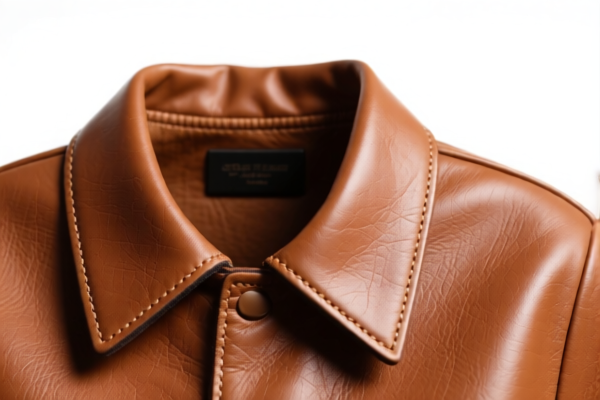
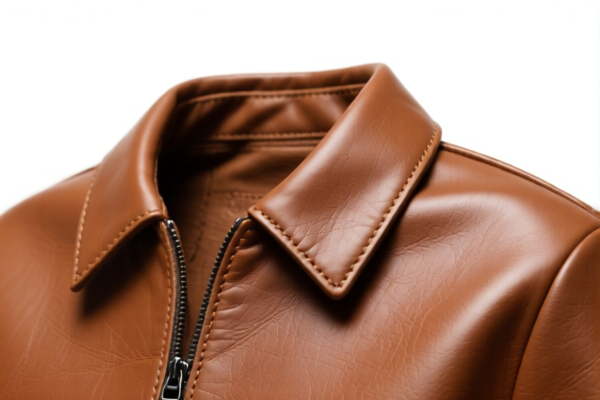
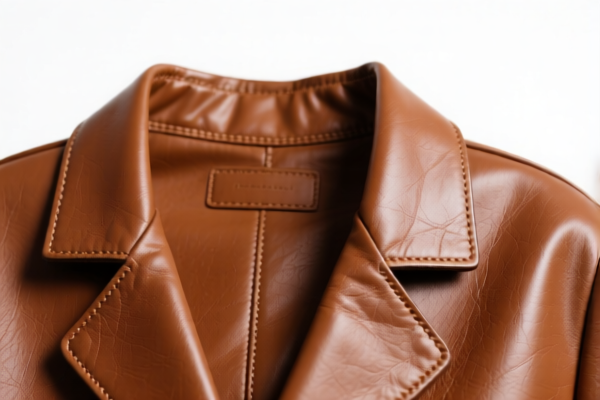
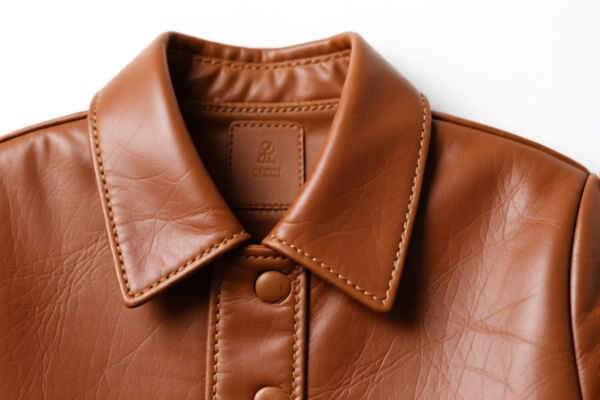
AI Analysis
🐂 Other Tanned Animal Leather, Upper Leather
🌐 HS Code Reference & Clearance Guide | 2026 Latest Tariff Analysis | Professional Customs Strategy
📌 I. Product Definition & Classification: Is It Leather or a Leather Product?
Other Tanned Animal Leather, Upper Leather refers to cured animal hides or skins (excluding those with hair on, such as fur skins) intended specifically for use in making upper parts of footwear or other leather goods. In international trade, the critical distinction lies between raw tanned leather (Chapter 41) and finished leather articles/products (Chapter 42).
- Tanned Leather (Chapter 41): The material itself, processed but not yet fashioned into a final product. Key HS codes often fall under
4107(Other tanned leather). - Leather Articles (Chapter 42): Items made from leather, such as belts, gloves, or cut pieces specifically shaped for articles. Key HS codes often fall under
4205.
⚠️ Key Distinction Point:
- If the item is a whole hide/skin or cut panels that are still essentially "material" → Classify under Chapter 41 (e.g.,4107.99.40.00or4107.99.80.00).
- If the item is pre-cut, shaped, or processed specifically as an accessory/article (e.g., specific moldings, bands, or items fitting the definition of "other articles of leather") → Classify under Chapter 42 (e.g.,4205.00.60.00or4205.00.80.00).
📦 II. HS Code Classification Details (2026 Latest Tariff Authority Comparison)
| HS Code | Product Description | Applicable Scenario | Classification Logic |
|---|---|---|---|
4107.99.40.00 |
Other tanned animal leather, upper leather (n.e.s. category) | Other category of tanned leather; generic "n.e.s." classification | ✅ Chapter 41 (Raw/Processed Material) |
4107.99.40.00 |
Other tanned animal leather, upper leather (consistent with cattle/horse category) | Consistent with cattle/horse leather classification rules | ✅ Chapter 41 (Raw/Processed Material) |
4107.99.80.00 |
Other tanned animal leather, upper leather (consistency with cattle/horse leather) | Other tanned leather items; consistent with general cattle/horse rules | ✅ Chapter 41 (Raw/Processed Material) |
4205.00.60.00 |
Other animal tanned leather (skinned surface), fancy leather model, conforms to leather product attributes | Finished leather article attributes; "fancy" or specialized models | ✅ Chapter 42 (Finished Product/Article) |
4205.00.80.00 |
Other animal tanned leather (skinned surface), fancy leather model, fits other leather goods scope | Other leather goods category; general "other article" classification | ✅ Chapter 42 (Finished Product/Article) |
🔍 Key Reminder:
- All "Upper Leather" that remains as tanned hides/skins or cut blanks must be classified under Chapter 41 (4107.xxxxxxxx). Misclassifying these as Chapter 42 items can lead to severe penalties.
- If the leather has been further processed into specific shapes, patterns, or "models" that fit the definition of a leather article (not just a raw material), it may fall under Chapter 42 (4205.xxxxxxxx).
💰 III. 2026 Latest Tariff Rate Details (Including Additional Taxes, Policy Add-ons)
✅ Applicable Country: United States (US)
✅ Country of Origin: China (CN)
✅ Effective Date: 2025/2026 (Current Tariff Structure)
🎯 1. 4205.00.60.00 —— Other Animal Tanned Leather (Skinned Surface), Fancy Leather Model, Conforms to Leather Product Attributes
| Item | Content |
|---|---|
| Base Duty Rate | 4.9% (ad valorem) |
| Section 301 Additional Duty | +25.0% (USITC Footnote for Chapter 42/China) |
| Section 122 Duty | +10.0% (Specific provision for this category) |
| Total Duty Rate | 39.9% |
| Tax Calculation | CIF Value × 39.9% |
| De Minimis Eligibility | ❌ No (High duty rates typically exclude de minimis benefits for B2B imports) |
| Legal Basis Path | USITC:4205.00.60.00 → Section 301: 25% → Section 122: 10% |
📌 Explanation:
- "Base 4.9%": Standard MFN tariff for this specific leather article.
- "Section 301 25%": The standard additional tariff imposed on Chinese goods under Trade Act Section 301.
- "Section 122 10%": A specific additional duty applicable to certain leather products from China.
- Total 39.9%: This is a very high tariff. Importers must factor this heavily into landed cost calculations.
🎯 2. 4107.99.40.00 —— Other Tanned Animal Leather (Skinned Surface), Fancy Leather Model, Based on Other/n.e.s. Category
| Item | Content |
|---|---|
| Base Duty Rate | 2.5% (ad valorem) |
| Section 301 Additional Duty | 0.0% (Specific exemption or lower rate for this subheading under certain conditions) |
| Section 122 Duty | +10.0% |
| Total Duty Rate | 12.5% |
| Tax Calculation | CIF Value × 12.5% |
| De Minimis Eligibility | ❌ No |
| Legal Basis Path | USITC:4107.99.40.00 → Section 301: 0% → Section 122: 10% |
📌 Note:
- Despite being "tanned leather," this specific subheading (4107.99.40) has a 0% Section 301 rate. This makes it significantly cheaper than Chapter 42 articles.
- However, it is still subject to the 10% Section 122 duty.
- Crucial: Ensure the product truly fits "Other/n.e.s." and not "Cattle/Horse" specific categories which might have different rules.
🎯 3. 4205.00.80.00 —— Other Animal Tanned Leather (Skinned Surface), Fancy Leather Model, Fits Other Leather Goods Scope
| Item | Content |
|---|---|
| Base Duty Rate | 0.0% (ad valorem) |
| Section 301 Additional Duty | +25.0% |
| Section 122 Duty | +10.0% |
| Total Duty Rate | 35.0% |
| Tax Calculation | CIF Value × 35.0% |
| De Minimis Eligibility | ❌ No |
| Legal Basis Path | USITC:4205.00.80.00 → Section 301: 25% → Section 122: 10% |
📌 Note:
- Base rate is 0%, but the Section 301 25% add-on is applied.
- Total 35.0% is still high, though slightly lower than4205.00.60.00(39.9%).
- This classification is for "Other" leather goods that don't fit the "Fancy/Model" definition of4205.00.60.
🎯 4. 4107.99.80.00 —— Other Tanned Animal Leather (Skinned Surface), Fancy Leather Model, Consistent with Cattle/Horse Category
| Item | Content |
|---|---|
| Base Duty Rate | 2.4% (ad valorem) |
| Section 301 Additional Duty | 0.0% |
| Section 122 Duty | +10.0% |
| Total Duty Rate | 12.4% |
| Tax Calculation | CIF Value × 12.4% |
| De Minimis Eligibility | ❌ No |
| Legal Basis Path | USITC:4107.99.80.00 → Section 301: 0% → Section 122: 10% |
📌 Note:
- Similar to4107.99.40, this subheading has 0% Section 301 duty.
- Total 12.4% is the lowest tariff among all options provided.
- Strategy: If your product can be legitimately classified under Chapter 41 (as tanned leather material rather than a finished article), this is the most cost-effective classification.
🛠️ IV. Customs Clearance Practical Advice (Real-World Pitfall Guide)
✅ 1. Document Preparation Checklist (All Required)
| Document | Mandatory | Description |
|---|---|---|
| ✅ Product Specification Sheet | ✔️ | Detailed description: Animal type (cattle, horse, other), tanning method, thickness, dimensions, whether hair-side or flesh-side. |
| ✅ Photos of Product | ✔️ | Clear images showing the leather surface, edges, and any markings. Must distinguish between "raw hide" and "finished article." |
| ✅ Commercial Invoice | ✔️ | Must clearly state "Tanned Animal Leather" and describe nature (e.g., "Upper Leather for Footwear"). |
| ✅ Packing List | ✔️ | Weight, quantity, and packaging details. |
| ✅ Origin Certificate (if applicable) | ✔️ | If not China-origin, may qualify for lower duties under FTAs (though Section 301/122 may still apply depending on rules of origin). |
| ✅ Third-Party Lab Test (Optional but Recommended) | ✔️ | To confirm tanning process and animal origin if challenged. |
✅ 2. Classification Strategy (Key Mantra)
🔥 “Chapter 41 for Material, Chapter 42 for Article! 301 Exemption is King!”
| Scenario | Correct Classification | Incorrect Practice |
|---|---|---|
| Whole Hides/Skins or Cut Blanks | 4107.99.40.00 or 4107.99.80.00 (12.4-12.5%) |
Classifying as 4205 (35-39.9%) → Overpaying 25%! |
| Pre-cut, Shaped, or Finished Accessories | 4205.00.60.00 or 4205.00.80.00 (35-39.9%) |
Classifying as 4107 → Misclassification Penalty! |
| Specific "Fancy" Models | 4205.00.60.00 (39.9%) |
Generalizing as 4205.00.80.00 (35%) → Potential Audit Risk |
✅ 3. Special Cases & Handling
| Scenario | Handling Advice |
|---|---|
| Mixed Shipments | If a shipment contains both raw tanned leather and finished leather articles, separate the HS Codes. Do not lump them under one code to simplify. |
| OEM Custom Leather | If the leather is customized for a specific client (e.g., pre-cut for a shoe brand), it may still be considered "material" (Chapter 41) if it retains the character of leather. Provide design specs to justify Chapter 41. |
| Section 122 Duty | Note that Section 122 duty (10%) applies to all four HS codes in this dataset. There is no avoidance for this specific duty. Focus on minimizing the Section 301 (25%) portion by choosing Chapter 41 if possible. |
| De Minimis (Section 321) | Not Applicable. These goods have duty rates >0% and are subject to Section 301/122, so they cannot enter under the $800 de minimis threshold without duty payment. |
🌍 V. Global Market Comparison (2026 Latest)
| Country/Region | Recommended HS Code | Tariff Rate | Certification Requirements | Notes |
|---|---|---|---|---|
| 🇺🇸 USA | 4107.99.80.00 |
12.4% | None specific for leather | Lowest US Tariff if Chapter 41 applies. |
| 🇨🇳 China | 4107.99.40.00 |
~5-10% | None | Import duties into China are lower; check for anti-dumping if applicable. |
| 🇪🇺 EU | 4107.99.40.00 |
6.5% | REACH Compliance | EU has different HS structure (8-digit). Section 301/122 do not apply. |
| 🇬🇧 UK | 4107.99.40.00 |
6.5% | UK REACH | Post-Brexit rules apply. |
| 🇨🇦 Canada | 4107.99.40.00 |
0% (if under CUSMA) | None | Free trade with US/Mexico origin goods. |
📌 Conclusion:
- USA is the most challenging market due to Section 301 (25%) and Section 122 (10%) tariffs.
- Strategy: Maximize use of Chapter 41 (4107.xxxx) classifications to avoid the 25% Section 301 tariff.
- EU/Canada/UK are more favorable due to lower or zero tariffs and absence of US-specific punitive duties.
📌 VI. Common Mistakes & Pitfall Guide (Lessons Learned)
❌ Mistake 1: Classifying all "leather" as 4107.99.40.00 to save money.
👉 Consequence: If the goods are actually finished articles (Chapter 42), Customs will reclassify, charge 35-39.9%, and impose penalties.
❌ Mistake 2: Assuming "De Minimis" applies because the item is small.
👉 Consequence: Leather goods are subject to high duties and Section 122. No $800 exemption.
❌ Mistake 3: Ignoring "Section 122 Duty".
👉 Consequence: All four HS codes carry a 10% Section 122 duty. If your cost model doesn't include this, you will lose margin.
✅ Correct Approach:
"Determine Product Nature: Material vs. Article. If Material → Chapter 41 (12.4-12.5%). If Article → Chapter 42 (35-39.9%). Always Include Section 122 10%."
🎯 VII. Conclusion: Precision Classification Saves Money!
🎯 Key Takeaways:
🔹 "Chapter 41 is King for Cost Savings" – If your "Upper Leather" is just tanned hides/cuts, aim for
4107.99.80.00(12.4%) or4107.99.40.00(12.5%).
🔹 "Chapter 42 is for Finished Goods" – If it's shaped, modeled, or ready for use as an article, expect 35-39.9%.
🔹 "Section 122 is Inescapable" – Budget for an extra 10% on top of the total rate for all these codes.
📌 Pro Tip:
If your product can be argued as "Tanned Leather Material" (Chapter 41) rather than a "Leather Article" (Chapter 42), do it. The 25% Section 301 tariff difference is massive. Consult a customs broker with product samples to justify Chapter 41 classification.
📣 Immediate Action:
📞 Contact a Certified Customs Broker
📦 Submit Product Photos & Specs for Pre-Ruling
💰 Calculate Landed Cost with 12.4-39.9% Duty + 10% Section 122
✨ Professional Clearance, Starts with Precise Classification!
💼 Your Bottom Line Depends on This HS Code!
Customer Reviews
About HS Code Classification
The Harmonized System (HS) is an internationally standardized nomenclature developed by the World Customs Organization (WCO) to classify traded products. Over 200 countries use the HS system as the basis for customs tariffs, trade statistics, and import/export regulations.
Each HS code follows a hierarchical structure:
- Chapter (2 digits) — Broad category of goods (e.g., Chapter 84: Machinery and Mechanical Appliances)
- Heading (4 digits) — More specific grouping within the chapter
- Subheading (6 digits) — Internationally standardized breakdown, used by all WCO member countries
- National subdivisions (8-10 digits) — Country-specific extensions for further classification, such as US HTSUS 10-digit codes
Correct HS code classification is essential for smooth customs clearance, accurate duty payment, and compliance with trade regulations. Misclassification can lead to customs delays, overpayment of duties, or penalties.
When importing from CN to US, the applicable tariff rates may include:
- Most-Favored-Nation (MFN) rate — The standard duty rate applied to WTO members
- General rate — Applied to countries without trade agreements
- Trade remedy duties — Additional tariffs such as Section 301 (anti-dumping), Section 232 (national security), or countervailing duties
The information provided on this page is for reference purposes only. For official classification, please consult with your local customs authority or a licensed customs broker.