Other Tanned Animal Leather (Flesh Side), Decorative Leather
CN → US| HS Code | Tariff Rate | Origin | Destination | Doc |
|---|---|---|---|---|
| 4107115000 | 12.8% | CN | US | Official Doc |
| 4202110030 | 43.0% | CN | US | Official Doc |
| 4202316000 | 43.0% | CN | US | Official Doc |
| 4205000500 | 37.9% | CN | US | Official Doc |
| 4107998000 | 12.4% | CN | US | Official Doc |
Product Images
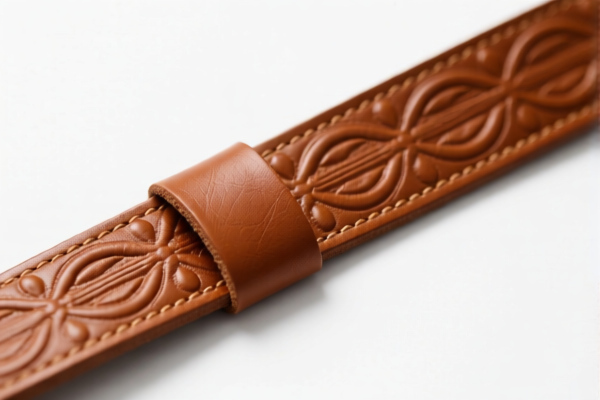
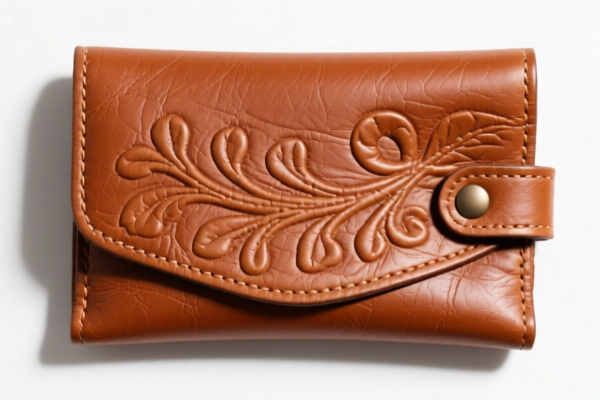
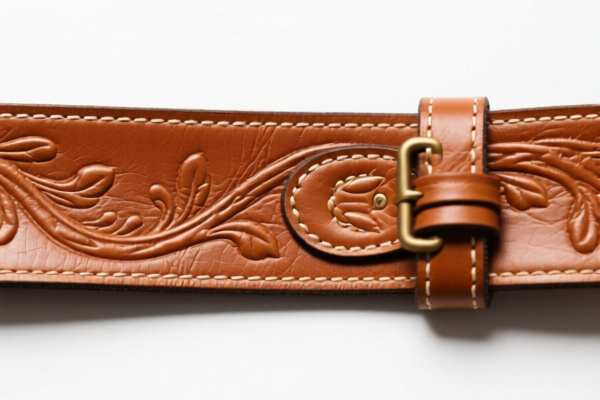
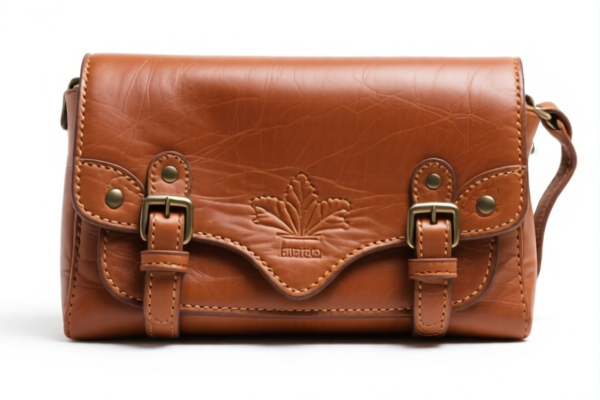
AI Analysis
🧵 Other Tanned Animal Leather (Flesh Side) – Decorative Leather
🌐 HS Code Reference & Customs Clearance Guide | 2026 Latest Tariff Analysis | Professional Compliance Strategy
📌 I. Product Definition & Classification: What Exactly Is "Decorative Leather"?
"Other Tanned Animal Leather (Flesh Side), Decorative Leather" refers to tanned animal hides or skins that have been processed for decorative or furnishing purposes, specifically where the flesh side is visible or unfinished. In international trade, the classification hinges on two critical factors: 1. Material: Tanned animal leather (not synthetic or plasticized). 2. Form & Use: Sold as raw materials for furniture, upholstery, or interior decoration (not yet made into final goods like bags or shoes).
⚠️ Key Distinction Point:
- If the leather is unprocessed or partially processed but clearly intended for furniture/upholstery →归类 to Chapter 41 (Leather).
- If the leather is cut into specific accessories (e.g., straps, patches, small decorative items) or integrated into finished containers/products →归类 to Chapter 42 (Articles of Leather).
📦 II. HS Code Classification Details (2026 Latest Tariff Authorities)
Based on the provided data, here are the 5 most relevant HS codes for this product, ranked by logical fit and tax efficiency:
| HS Code | Product Description | Logical Fit Summary | Total Tax Rate | Tax Breakdown |
|---|---|---|---|---|
4107.11.50.00 |
Furniture Leather | ✅ Perfect Match: Material is tanned animal leather; form/usage is specifically for furniture. Fits "Decorative Leather" definition perfectly. | 12.8% | Base: 2.8%, Section 301: 0%, 122 Clause: 10% |
4107.99.80.00 |
Other Tanned Leather (Accessories/Finish) | ✅ Strong Match: Material is tanned leather; form is accessories/finishing. Fits "Other" category under tanned leather with decorative attributes. | 12.4% | Base: 2.4%, Section 301: 0%, 122 Clause: 10% |
4205.00.05.00 |
Other Leather Articles (Accessories) | ⚠️ Partial Match: Material is tanned leather; form is "accessories." Fits if the "decorative" aspect is considered an accessory rather than raw material. | 37.9% | Base: 2.9%, Section 301: 25%, 122 Clause: 10% |
4202.31.60.00 |
Other Leather Accessories/Items | ⚠️ Partial Match: Material is tanned leather; form is accessories. Fits if the product is seen as a finished accessory item. | 43.0% | Base: 8.0%, Section 301: 25%, 122 Clause: 10% |
4202.11.00.30 |
Luggage/Handbags with Leather Surface | ❌ Mismatch Risk: Matches if the leather is part of a container/accessory. High tax due to Section 301. Only applicable if sold as part of a bag/case. | 43.0% | Base: 8.0%, Section 301: 25%, 122 Clause: 10% |
🔍 Critical Analysis:
- Chapters 41 vs. 42: The core debate is whether the leather is a material (Ch. 41) or a finished article (Ch. 42).
- Tax Impact: Chapter 41 codes (4107.xxxx) carry NO Section 301 tariffs (25%), resulting in ~12-13% total duty. Chapter 42 codes (4202.xxxx) incur the 25% Section 301 tariff, pushing total duties to 37-43%.
- Recommendation: Aim for HS Code4107.11.50.00or4107.99.80.00to minimize tax liability, provided the product is shipped as raw/semi-finished leather for decorative use, not as a finished accessory.
💰 III. 2026 Latest Tariff Rate Breakdown (Including Surcharges & Policy Add-ons)
✅ Applicable Country: United States (US)
✅ Origin: China (CN)
✅ Effective Date: November 10, 2025 (and subsequent imports)
🎯 1. 4107.11.50.00 — Furniture Leather (Best Fit)
| Item | Content |
|---|---|
| Base Tariff | 2.8% (ad valorem) |
| Section 301 Surcharge | 0% (Exempt for this subheading under current trade policy) |
| Section 122 Surcharge | 10% (针对中国/香港产品,自2025年11月10日起生效) |
| Total Rate | 12.8% |
| Calculation Method | CIF Value × 12.8% |
| De Minimis Eligibility | ❌ Not Eligible (deny_de_minimis applies to most leather goods under these codes) |
| Legal Path | USITC:4107.11.50.00 → SECTION_122:9903.01.24 |
📌 Explanation:
- This code benefits from 0% Section 301 tariff, making it the most cost-effective option.
- The 10% Section 122 tariff is a specific levy on certain Chinese-origin goods, but it is significantly lower than the 25% Section 301 tariff.
- Total duty is only 12.8%, offering substantial savings compared to Chapter 42 classifications.
🎯 2. 4107.99.80.00 — Other Tanned Leather Accessories/Finish
| Item | Content |
|---|---|
| Base Tariff | 2.4% |
| Section 301 Surcharge | 0% |
| Section 122 Surcharge | 10% |
| Total Rate | 12.4% |
| Calculation Method | CIF Value × 12.4% |
| De Minimis Eligibility | ❌ Not Eligible |
| Legal Path | USITC:4107.99.80.00 → SECTION_122:9903.01.24 |
📌 Note:
- Nearly identical tax treatment to4107.11.50.00.
- Use this if the leather is not strictly "furniture" but has decorative/finishing characteristics.
🎯 3. 4205.00.05.00 — Other Leather Articles (Accessories)
| Item | Content |
|---|---|
| Base Tariff | 2.9% |
| Section 301 Surcharge | 25% |
| Section 122 Surcharge | 10% |
| Total Rate | 37.9% |
| Calculation Method | CIF Value × 37.9% |
| De Minimis Eligibility | ❌ Not Eligible |
| Legal Path | USITC:4205.00.05.00 → SECTION_301:9903.01.25 → SECTION_122:9903.01.24 |
📌 Warning:
- This code incurs the 25% Section 301 tariff, nearly tripling the duty cost compared to Chapter 41 codes.
- Only use if the product is clearly a finished accessory and not raw/semi-finished leather.
🎯 4. 4202.31.60.00 & 4202.11.00.30 — Finished Leather Articles
| Item | Content |
|---|---|
| Base Tariff | 8.0% |
| Section 301 Surcharge | 25% |
| Section 122 Surcharge | 10% |
| Total Rate | 43.0% |
| Calculation Method | CIF Value × 43.0% |
| De Minimis Eligibility | ❌ Not Eligible |
📌 Note:
- Highest tax burden.
- Applies only if the leather is integrated into luggage, handbags, or other containers.
- Misclassification here can lead to severe penalties if goods are actually raw leather.
🛠️ IV. Customs Clearance Practical Advice (Live Pitfall Avoidance Guide)
✅ 1. Required Documentation (Non-Negotiable)
| Document | Required | Explanation |
|---|---|---|
| ✅ Product Specification Sheet | ✔️ | Must state: "Tanned Animal Leather," "Flesh Side Visible," "For Decorative/Furniture Use." |
| ✅ Photos (Including Flesh Side) | ✔️ | Crucial to prove it is leather, not synthetic. Show flesh side texture. |
| ✅ Commercial Invoice | ✔️ | Description must match HS code logic. Avoid terms like "Bag" or "Shoe" if using Ch. 41 codes. |
| ✅ Certificate of Origin (CO) | ✔️ | To verify Chinese origin for Section 122/301 application. |
| ✅ Packing List | ✔️ | Must not suggest finished goods (e.g., no "set of 12 decorative covers" if claiming raw leather). |
| ✅ Test Report | ✔️ | Animal hide verification (DNA or histological) if requested by CBP to rule out synthetic materials. |
✅ 2. Declaration Tips (Key Mnemonics)
🔥 “Raw Leather = Ch.41 (Low Tax); Finished Article = Ch.42 (High Tax)”
| Scenario | Correct Declaration | Wrong Practice |
|---|---|---|
| Leather rolls/sheets for upholstery | 4107.11.50.00 (12.8%) |
Declare as "Furniture Cover" → 4202.xxxx (43%) |
| Cut leather patches for DIY decoration | 4107.99.80.00 (12.4%) |
Declare as "Accessories" → 4205.00.05.00 (37.9%) |
| Leather already sewn into a bag | 4202.11.00.30 (43%) |
Declare as "Leather Material" → Illegal Misclassification |
| Unfinished leather straps | 4202.31.60.00 (43%) |
Declare as "Raw Leather" → High Risk of Audit |
📌 Crucial Rule:
- If the leather is not yet assembled into a final product, it is Material (Ch. 41).
- If the leather is cut, sewn, or finished into a specific item, it is Article (Ch. 42).
✅ 3. Special Case Handling
| Scenario | Handling Advice |
|---|---|
| OEM Custom Decorative Panels | Provide design specs showing it is a material component, not a finished product. Use 4107.11.50.00. |
| "Decorative Leather" with Metal Studs | If studs are pre-attached, CBP may view it as a finished article (4202.xxxx). Remove studs or declare separately if possible. |
| Mixed Shipment (Leather + Non-Leather Parts) | Declare the leather under 4107.xxxx and other parts separately. Do not bundle as one "Kit." |
| Flesh Side Unfinished | Clearly state "Flesh Side Unfinished" in description. This supports Ch. 41 classification. |
🌍 V. Global Market Comparison (2026 Latest)
| Country/Region | Recommended HS Code | Tariff (China Origin) | Notes |
|---|---|---|---|
| 🇺🇸 USA | 4107.11.50.00 |
12.8% (Best) | High tariffs apply to Ch. 42. Avoid Ch. 42 unless necessary. |
| 🇨🇳 China | 4107.11.50.00 |
5% | No Section 301/122. Standard import duty. |
| 🇪🇺 EU | 4107.11.50.00 |
6.4% | No additional surcharges. Standard EU tariff. |
| 🇬🇧 UK | 4107.11.50.00 |
6.4% | Post-Brexit, similar to EU rates. |
| 🇦🇺 Australia | 4107.11.50.00 |
5% | Free Trade Agreement benefits may apply. |
📌 Conclusion:
- USA is the highest-cost market due to Section 301 & 122 tariffs.
- Classification is critical: A shift from Ch. 41 to Ch. 42 increases tax by ~30 percentage points.
- China, EU, UK, and Australia offer stable, lower tariffs with no major surcharges.
📌 VI. Common Mistakes & Pitfalls (Lessons Learned)
❌ Mistake 1: Calling "Decorative Leather" a "Furniture Accessory"
👉 Result: CBP reclassifies to 4202.xxxx → Tax jumps from 12.8% to 43%.
❌ Mistake 2: Shipping cut leather pieces and declaring as "Raw Leather"
👉 Result: If pieces are shaped for specific use, CBP may deem them "Finished Articles" → Penalty for Misclassification.
❌ Mistake 3: Ignoring Section 122 Tariff
👉 Result: Even Ch. 41 codes incur 10% surcharge. Budget accordingly. Do not assume "Base Duty" is total duty.
❌ Mistake 4: Mixing Leather with Synthetic Materials in One Shipment
👉 Result: If not separated, CBP may apply the highest tariff of the mixed components to the entire shipment.
✅ Correct Approach:
"Tanned Animal Leather, Flesh Side Visible, Raw/Unfinished, For Decorative Upholstery Use, Model ABC"
HS Code:4107.11.50.00
Duty: 12.8%
🎯 VII. Conclusion: Precision Classification, Profit Protection!
🎯 Remember the Mantra:
🔹 "Raw Leather = Ch.41 (12.8%); Finished = Ch.42 (43%)."
🔹 "Section 301 is the killer. Avoid it by staying in Chapter 41."
🔹 "Flesh side visible? Declare it. It supports 'Raw Material' status."
📌 Pro Tip:
If your leather is partially finished (e.g., dyed but not assembled), it likely still qualifies for Chapter 41. Provide pre-assembly photos and design specs to CBP to justify Ch. 41 classification.
📣 Immediate Action:
📞 Contact a licensed customs broker to file an Advance Ruling (Pre-Ruling) for your specific "Decorative Leather" product.
🚀 Secure the 12.8% rate instead of risking the 43% rate. Your profit margin depends on it!
✨ Professional clearance starts with accurate classification!
💼 Every percentage point of duty saved is profit earned!
Customer Reviews
About HS Code Classification
The Harmonized System (HS) is an internationally standardized nomenclature developed by the World Customs Organization (WCO) to classify traded products. Over 200 countries use the HS system as the basis for customs tariffs, trade statistics, and import/export regulations.
Each HS code follows a hierarchical structure:
- Chapter (2 digits) — Broad category of goods (e.g., Chapter 84: Machinery and Mechanical Appliances)
- Heading (4 digits) — More specific grouping within the chapter
- Subheading (6 digits) — Internationally standardized breakdown, used by all WCO member countries
- National subdivisions (8-10 digits) — Country-specific extensions for further classification, such as US HTSUS 10-digit codes
Correct HS code classification is essential for smooth customs clearance, accurate duty payment, and compliance with trade regulations. Misclassification can lead to customs delays, overpayment of duties, or penalties.
When importing from CN to US, the applicable tariff rates may include:
- Most-Favored-Nation (MFN) rate — The standard duty rate applied to WTO members
- General rate — Applied to countries without trade agreements
- Trade remedy duties — Additional tariffs such as Section 301 (anti-dumping), Section 232 (national security), or countervailing duties
The information provided on this page is for reference purposes only. For official classification, please consult with your local customs authority or a licensed customs broker.