Other Tanned Animal Leather (Flesh Side), Processed Leather
CN → US| HS Code | Tariff Rate | Origin | Destination | Doc |
|---|---|---|---|---|
| 4107998000 | 12.4% | CN | US | Official Doc |
| 4205000500 | 37.9% | CN | US | Official Doc |
| 4205008000 | 35.0% | CN | US | Official Doc |
| 4107918000 | 12.4% | CN | US | Official Doc |
| 4107998000 | 12.4% | CN | US | Official Doc |
Product Images
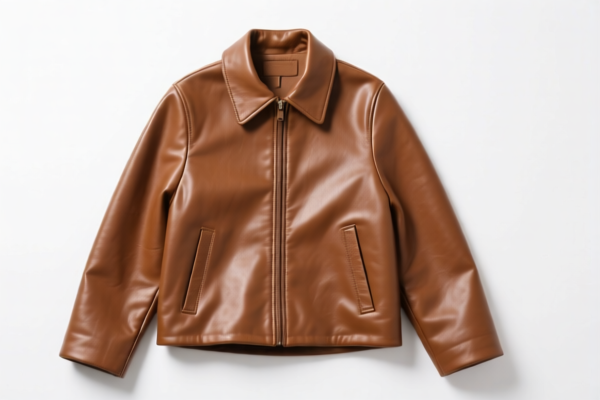

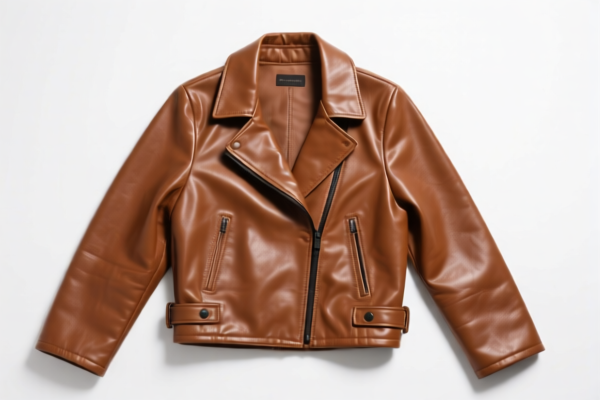
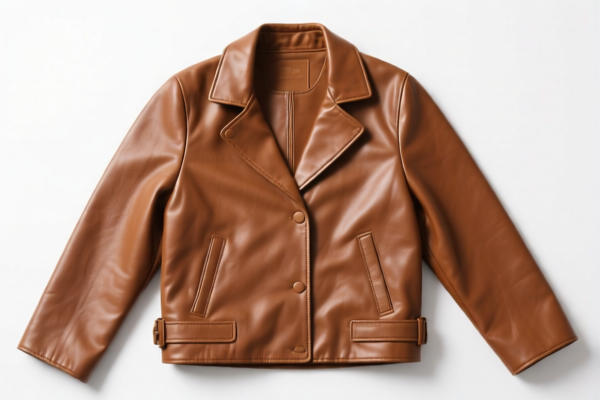
AI Analysis
🧥 Other Tanned Animal Leather (Flesh Side), Processed Leather
🌐 HS Code Reference & Customs Clearance Guide | 2026 Latest Tariff Analysis | Professional Clearance Strategy
📌 I. Product Definition & Classification: What Exactly Is "Processed Leather"?
In international trade, "Other Tanned Animal Leather" and "Processed Leather Articles" are broad categories often leading to significant tariff discrepancies. The key distinction lies in form, utility, and processing depth:
- Raw/Tanned Leather (Chapters 41): Leather that has been tanned but retains its natural hide shape, is not cut into specific shapes for final use, or is merely surface-treated. It is considered a material.
- Leather Articles/Accessories (Chapter 42): Leather that has been cut, shaped, assembled, or processed into specific components (like straps, patches, bags, or specialized accessories). It is considered a product.
⚠️ Critical Distinction Point:
- If the item is a flat hide, sheet, or patterned panel intended for further manufacturing (e.g., making bags, shoes) → Classify under Chapter 41 (Lower Duty).
- If the item is a finished accessory, strap, patch, or component ready for use → Classify under Chapter 42 (Higher Duty due to USITC & Section 301 taxes).
📦 II. HS Code Classification Details (Based on Provided Data)
| HS Code | Product Description | Application Scenario | Tax Category | Duty Rate |
|---|---|---|---|---|
4107.99.80.00 |
Tanned animal leather, form: Fancy patterned leather models; fits material & shape characteristics | Decorative leather panels, patterned hides for upholstery, non-specific cut leather | Chapter 41 | 12.4% |
4205.00.05.00 |
Tanned animal leather, form: Accessories, use: Other; fits accessory category | Leather straps, specific patches, non-bag accessories, industrial leather parts | Chapter 42 | 37.9% |
4205.00.80.00 |
Tanned animal leather, form: Accessories, belongs to "Other" category under Chapter 42 | Miscellaneous leather accessories not specified elsewhere, general leather goods parts | Chapter 42 | 35.0% |
4107.91.80.00 |
Tanned animal leather;精致 leather accessories & decorative leather logic align | High-end decorative leather, specialized tanned hides for decorative purposes | Chapter 41 | 12.4% |
4107.99.80.00 |
Tanned animal leather; fits specific subdivision logic under "Other" | General tanned leather not elsewhere specified, standard tanned hides | Chapter 41 | 12.4% |
🔍 Key Insight:
- Chapter 41 Codes (4107...): Generally have a 12.4% total tax. This is significantly lower because they are classified as raw materials.
- Chapter 42 Codes (4205...): Have 35.0% - 37.9% total tax. These are classified as finished goods/accessories, attracting heavy USITC and Section 301 tariffs.
💰 III. 2026 Latest Tariff Rate Breakdown (Including Add-ons, Policy Add-ons)
✅ Applicable Country: United States (US)
✅ Origin: China (CN)
✅ Effective Date: Post-November 2025 (Including subsequent imports)
🎯 1. 4107.99.80.00 & 4107.91.80.00 —— Tanned Animal Leather (Chapter 41)
| Item | Detail |
|---|---|
| Base Duty Rate | 2.4% (ad valorem) |
| USITC Add-on Duty | 0.0% (No Section 301 tariff for this specific leather subtype under current interpretation) |
| Section 122 / IEEPA Add-on | +10% (China-specific tariff) |
| Total Duty Rate | 12.4% |
| Tax Calculation | CIF Value × 12.4% |
| De Minimis Eligibility | ❌ No (Deny de_minimis for high-value leather imports) |
| Legal Basis Path | IEEPA:122 → USITC:4107.99.80.00 |
📌 Explanation:
- The base duty is low (2.4%).
- The 10% add-on is the primary additional cost, likely under Section 122 or specific IEEPA provisions for Chinese leather goods.
- Crucially, there is NO 25% USITC tariff for these specific HS codes, making them significantly cheaper than Chapter 42 alternatives.
🎯 2. 4205.00.05.00 —— Leather Accessories (Chapter 42, Specific)
| Item | Detail |
|---|---|
| Base Duty Rate | 2.9% (ad valorem) |
| USITC Add-on Duty | +25.0% (Section 301 Tariff for Chinese-made leather articles) |
| Section 122 / IEEPA Add-on | +10% (China-specific tariff) |
| Total Duty Rate | 37.9% |
| Tax Calculation | CIF Value × 37.9% |
| De Minimis Eligibility | ❌ No |
| Legal Basis Path | USITC:4205.00.05.00 → IEEPA:122 |
📌 Warning:
- The 25% USITC tariff is the main driver here. This is a standard penalty for many leather goods from China.
- Total 37.9% is very high. Misclassifying a Chapter 41 item as Chapter 42 can cost an extra 25.5% in duties.
🎯 3. 4205.00.80.00 —— Other Leather Accessories (Chapter 42, General)
| Item | Detail |
|---|---|
| Base Duty Rate | 0.0% (ad valorem) |
| USITC Add-on Duty | +25.0% (Section 301 Tariff) |
| Section 122 / IEEPA Add-on | +10% (China-specific tariff) |
| Total Duty Rate | 35.0% |
| Tax Calculation | CIF Value × 35.0% |
| De Minimis Eligibility | ❌ No |
| Legal Basis Path | USITC:4205.00.80.00 → IEEPA:122 |
📌 Note:
- Even with a 0% base duty, the 25% USITC + 10% Add-on = 35% total.
- This is still 22.6% higher than Chapter 41 classification.
🛠️ IV. Customs Clearance Practical Advice (Real-World Pitfall Guide)
✅ 1. Documentation Checklist (Non-negotiable)
| Document | Required | Description |
|---|---|---|
| ✅ Product Photos | ✔️ | Clear images showing if the leather is a raw hide, patterned panel, or cut accessory. |
| ✅ Detailed Description | ✔️ | Specify: "Tanned leather, no specific shape" (for Ch 41) vs. "Cut leather straps" (for Ch 42). |
| ✅ Bill of Lading / Invoice | ✔️ | Ensure HS Code matches the physical product exactly. |
| ✅ Processing Report | ✔️ | If claiming Ch 41, provide evidence that no further assembly/cutting was done. |
| ✅ Origin Certificate | ✔️ | Essential for proving Chinese origin to apply correct tariffs. |
✅ 2. Declaration Strategy (Key Mnemonics)
🔥 “Shape Determines Tax! Raw Hide = 12.4%, Finished Part = 35%+!”
| Scenario | Correct HS Code | Wrong Approach | Consequence |
|---|---|---|---|
| Patterned leather panels (e.g., for bags, not cut) | 4107.99.80.00 |
Declaring as "Leather Accessories" | Pay extra 25% USITC + 10% base diff |
| Leather straps, patches, ready-to-use parts | 4205.00.05.00 |
Declaring as "Raw Leather" | Customs rejection, fines, retroactive tax |
| General tanned hides | 4107.91.80.00 |
Declaring as "Other Accessories" | Overpayment by ~22.6% |
| Miscellaneous leather goods | 4205.00.80.00 |
Declaring as "Raw Leather" | Severe penalty for misclassification |
✅ 3. Special Case Handling
| Situation | Handling Advice |
|---|---|
| Leather with embossed patterns | If the pattern is the main feature and it’s sold as a panel/hide → Chapter 41 (4107.99.80.00). Do NOT declare as accessory. |
| Leather components for assembly | If it’s cut to size for a specific machine but not a final product → Chapter 41. Provide engineering drawings to prove it’s a material. |
| Mixed Shipments | Clearly separate Chapter 41 and Chapter 42 items on the invoice. Do not bundle them under one vague description. |
| OEM Custom Leather | If you are making parts for a client, ensure the description reflects the form at import. If it’s just tanned skin, use Ch 41. |
🌍 V. Global Market Comparison (2026 Latest)
| Country/Region | Recommended HS Code | Duty Rate | Certification | Notes |
|---|---|---|---|---|
| 🇺🇸 USA | 4107.99.80.00 |
12.4% | None | Best for raw/patterned leather. |
| 🇺🇸 USA | 4205.00.05.00 |
37.9% | None | High tariff for accessories. |
| 🇨🇳 China | 4107.99.80.00 |
3.5% | RoHS | Lower import duty to China. |
| 🇪🇺 EU | 4107.99.80.00 |
6.5% | REACH | Standard EU duty for tanned leather. |
| 🇬🇧 UK | 4107.99.80.00 |
6.5% | UKCA | Post-Brexit aligned with EU rates. |
📌 Conclusion:
- USA imposes the heaviest burden on leather accessories due to USITC Section 301 tariffs.
- Classifying as Chapter 41 (Raw/Patterned Leather) saves ~25% in duties.
- Always ensure the product description emphasizes "material" over "finished good" if applicable.
📌 VI. Common Errors & Pitfalls (Lessons Learned)
❌ Error 1: Calling "Patterned Leather Panels" "Leather Bags Parts"
👉 Result: Customs reclassifies to 4205.00.05.00 → Pay 25.5% more duty.
❌ Error 2: Using "Leather" as a generic description
👉 Result: Customs chooses the highest applicable rate (4205...) by default → Unexpected high costs.
❌ Error 3: Not distinguishing between "Tanned" and "Processed Accessories"
👉 Result: Misclassification leads to audit flags, delays, and potential fines.
✅ Correct Approach:
"Tanned Animal Leather, Patterned Design, For Upholstery, Not Cut to Final Shape, HS 4107.99.80.00"
🎯 VII. Conclusion: Precise Classification, Significant Savings!
🎯 Remember the Mantra:
🔹 "Panel = 12.4%, Accessory = 35%+, Misclassify = Pain!"
🔹 "If it’s not a finished bag or strap, fight for Chapter 41!"
📌 Pro Tip:
If your product is embossed or patterned, provide high-res images to customs brokers to prove it’s a decorative material (4107.99.80.00), not a finished accessory. This single step can save 25.5% on every shipment.
📣 Immediate Action:
📞 Consult a licensed customs broker + Provide clear product photos + Confirm HS Code before shipping
🚀 Avoid 25% USITC Tariffs, Keep Your Margins Healthy!
✨ Professional Clearance Starts with Accurate Classification!
💼 Every Percent Counts in Leather Trade!
Customer Reviews
About HS Code Classification
The Harmonized System (HS) is an internationally standardized nomenclature developed by the World Customs Organization (WCO) to classify traded products. Over 200 countries use the HS system as the basis for customs tariffs, trade statistics, and import/export regulations.
Each HS code follows a hierarchical structure:
- Chapter (2 digits) — Broad category of goods (e.g., Chapter 84: Machinery and Mechanical Appliances)
- Heading (4 digits) — More specific grouping within the chapter
- Subheading (6 digits) — Internationally standardized breakdown, used by all WCO member countries
- National subdivisions (8-10 digits) — Country-specific extensions for further classification, such as US HTSUS 10-digit codes
Correct HS code classification is essential for smooth customs clearance, accurate duty payment, and compliance with trade regulations. Misclassification can lead to customs delays, overpayment of duties, or penalties.
When importing from CN to US, the applicable tariff rates may include:
- Most-Favored-Nation (MFN) rate — The standard duty rate applied to WTO members
- General rate — Applied to countries without trade agreements
- Trade remedy duties — Additional tariffs such as Section 301 (anti-dumping), Section 232 (national security), or countervailing duties
The information provided on this page is for reference purposes only. For official classification, please consult with your local customs authority or a licensed customs broker.