Other Tanned Animal Leather Flesh Side, Patterned Leather Models
CN → US| HS Code | Tariff Rate | Origin | Destination | Doc |
|---|---|---|---|---|
| 4205006000 | 39.9% | CN | US | Official Doc |
| 4107994000 | 12.5% | CN | US | Official Doc |
| 4205008000 | 35.0% | CN | US | Official Doc |
| 4107998000 | 12.4% | CN | US | Official Doc |
| 4205006000 | 39.9% | CN | US | Official Doc |
Product Images
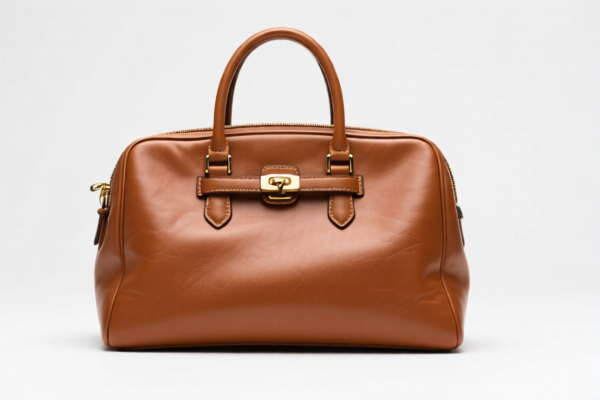
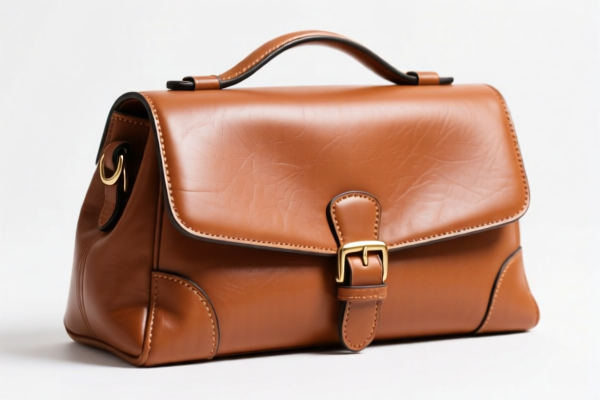
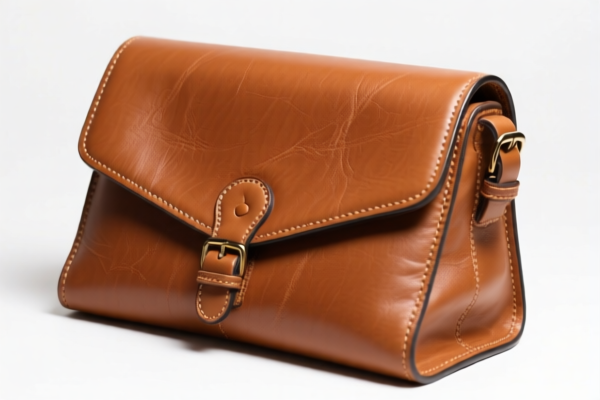
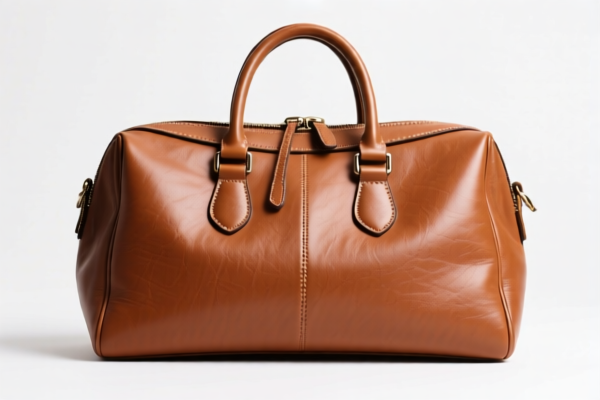
AI Analysis
🐄 Other Tanned Animal Leather (Flesh Side), Patterned Leather Models
🌐 HS Code Reference & Customs Clearance Guide | 2026 Latest Tariff Analysis | Professional Strategy
📌 I. Product Definition: What Are "Patterned Leather Models"?
In international trade, "Other Tanned Animal Leather (Flesh Side), Patterned Leather Models" refers to processed animal hides where the flesh side has been tanned, but the product is shaped, embossed, or modeled into specific forms (models) rather than being sold merely as flat hides.
The classification hinges on two critical factors: 1. State of Processing: Is it treated as a raw material (Chapter 41) or a manufactured good (Chapter 42)? 2. Physical Form: Is it a "patterned leather" sheet/roll (Chapter 41) or a "leather model/article" with specific utility or shape (Chapter 42)?
⚠️ Key Distinction Point: - If the item is simply embossed, grained, or textured leather sheets/rolls without a specific functional shape → It is likely Chapter 41 (Raw Material). - If the item is cut, molded, or formed into a specific model, shape, or article (even if unfinished) → It is likely Chapter 42 (Leather Articles).
📦 II. HS Code Classification Details (2026 Latest Tariff Authority)
Based on the provided data, there are four distinct classification paths with significant tariff differences.
| HS Code | Product Description | Category Logic | Tax Rate |
|---|---|---|---|
4107.99.80.00 |
Other Tanned Animal Leather (Flesh Side), Patterned Leather | Chapter 41 (Raw Material): Classified as "Other" tanned leather, fitting the "patterned/n.e.s." fallback rule. | 12.4% |
4107.99.40.00 |
Other Tanned Animal Leather (Flesh Side), Patterned Leather | Chapter 41 (Raw Material): "Other" category, n.e.s. (Not Elsewhere Specified) rule. | 12.5% |
4205.00.80.00 |
Other Tanned Animal Leather (Flesh Side), Leather Models | Chapter 42 (Leather Articles): Classified as "Leather Models," fitting the "Other Leather Articles" requirement. | 35.0% |
4205.00.60.00 |
Other Tanned Animal Leather (Flesh Side), Models/Articles | Chapter 42 (Leather Articles): Classified as "Models/Articles," fitting the "Other Leather Articles" attribute. | 39.9% |
🔍 Critical Insight: - Chapter 41 Codes (
4107...): Apply to leather that is still largely in its sheet/roll form, merely patterned or textured. Lower tariff burden. - Chapter 42 Codes (4205...): Apply to leather that has been processed into models or articles. Higher tariff burden due to manufacturing value addition. - Price Difference: The tariff gap between Chapter 41 (~12.5%) and Chapter 42 (35%-40%) is massive. Misclassification can lead to severe penalties.
💰 III. 2026 Latest Tariff Rate Breakdown (Including Surtaxes & Policy Add-ons)
✅ Applicable Country: United States (US)
✅ Origin: China (CN)
✅ Effective Date: 2025 November 10 onwards
🎯 1. Chapter 41 Classifications (Low Tariff Path)
A. 4107.99.80.00 – Other Tanned Animal Leather (Patterned)
| Item | Detail |
|---|---|
| Base Tariff | 2.4% (ad valorem) |
| Section 301 Surtax | 0.0% |
| IEEPA Surcharge | +10% (Targeting China-origin products) |
| Total Tariff | 12.4% |
| Tax Calculation | CIF Value × 12.4% |
| De Minimis Eligibility | ❌ No (Deny de minimis for leather goods from China) |
| Legal Basis Path | IEEPA:9903.01.25 → USITC:4107.99.80.00 |
📌 Explanation:
- This is the most cost-effective classification for patterned leather sheets/rolls. - The 10% IEEPA surcharge is the only additional cost; Section 301 (25%) does not apply here.
B. 4107.99.40.00 – Other Tanned Animal Leather (N.E.S.)
| Item | Detail |
|---|---|
| Base Tariff | 2.5% (ad valorem) |
| Section 301 Surtax | 0.0% |
| IEEPA Surcharge | +10% |
| Total Tariff | 12.5% |
| Tax Calculation | CIF Value × 12.5% |
| De Minimis Eligibility | ❌ No |
| Legal Basis Path | IEEPA:9903.01.25 → USITC:4107.99.40.00 |
📌 Note:
- Almost identical to4107.99.80.00, but may be used for "Other" leather not specifically covered under "Patterned." - Use4107.99.80.00if the "Patterned" characteristic is dominant.
🎯 2. Chapter 42 Classifications (High Tariff Path)
C. 4205.00.80.00 – Other Leather Models
| Item | Detail |
|---|---|
| Base Tariff | 0.0% (ad valorem) |
| Section 301 Surtax | +25.0% |
| IEEPA Surcharge | +10% |
| Total Tariff | 35.0% |
| Tax Calculation | CIF Value × 35.0% |
| De Minimis Eligibility | ❌ No |
| Legal Basis Path | IEEPA:9903.01.25 → Section 301:9903.88.01 → USITC:4205.00.80.00 |
📌 Explanation:
- Classified as "Leather Models" → Subject to Section 301 (25%) AND IEEPA (10%). - High Risk: If your product is actually just patterned leather sheeting, classifying it here results in a ~22.5% higher tax burden unnecessarily.
D. 4205.00.60.00 – Other Models/Articles
| Item | Detail |
|---|---|
| Base Tariff | 4.9% (ad valorem) |
| Section 301 Surtax | +25.0% |
| IEEPA Surcharge | +10% |
| Total Tariff | 39.9% |
| Tax Calculation | CIF Value × 39.9% |
| De Minimis Eligibility | ❌ No |
| Legal Basis Path | IEEPA:9903.01.25 → Section 301:9903.88.01 → USITC:4205.00.60.00 |
📌 Warning:
- This is the highest tax rate in the dataset. - Only use if the item is definitively a "Model/Article" under Chapter 42 and does not fit the "Leather Model" subcategory. - Avoid unless necessary; the cost impact is severe.
🛠️ IV. Customs Clearance Practical Advice (Pitfall Avoidance Guide)
✅ 1. Preparation Checklist (Must-Haves)
| Document | Required | Purpose |
|---|---|---|
| ✅ Product Photos | ✔️ | Must clearly show Flesh Side texture and Pattern details. |
| ✅ Technical Specification Sheet | ✔️ | Define if it is a "Sheet/Roll" (Ch 41) or "Molded Model" (Ch 42). |
| ✅ Bill of Materials | ✔️ | Confirm origin and processing steps (tanning, embossing, cutting). |
| ✅ Commercial Invoice | ✔️ | Description must match HS Code logic (e.g., "Patterned Leather Sheet" vs. "Leather Model"). |
| ✅ Certify of Origin | ✔️ | Mandatory for China-origin goods to confirm IEEPA applicability. |
✅ 2. Classification Strategy (Key Mantra)
🔥 "Sheets go to 41, Models go to 42. Check the shape, not just the material!"
| Scenario | Correct HS Code | Wrong Code | Consequence |
|---|---|---|---|
| Embossed/Patterned Leather Sheets/Rolls | 4107.99.80.00 (12.4%) |
4205.00.60.00 |
Overpaid ~27.5% |
| Unfinished Leather Goods (e.g., wallet shape, cut out) | 4205.00.80.00 (35.0%) |
4107.99.80.00 |
Underpaid ~22.6% → Penalty |
| Fully Finished Leather Articles | (Not in list, likely Ch 42 Other) | N/A | Must declare properly |
✅ 3. Special Case Handling
| Situation | Recommendation |
|---|---|
| "Patterned" vs. "Textured" | If the pattern is surface-level (embossing) → Chapter 41. If the pattern is formed into a 3D model → Chapter 42. |
| Mixed Shipments | Do NOT mix Ch 41 and Ch 42 items in one line item. Separate shipments or clear lines to avoid audit flags. |
| Customs Inquiry | Provide side-by-side photos: One showing the flesh side texture, one showing the overall shape (flat vs. 3D). |
🌍 V. Global Market Comparison (2026)
| Market | Recommended HS Code | Tariff (China Origin) | Key Requirement |
|---|---|---|---|
| 🇺🇸 USA | 4107.99.80.00 (if sheet) |
12.4% | IEEPA 10% applies. No 301 for Ch 41. |
| 🇺🇸 USA | 4205.00.80.00 (if model) |
35.0% | Section 301 (25%) + IEEPA (10%) applies. |
| 🇪🇺 EU | 41.07 or 42.05 | Varies (0-8%) | CE/RoHS not applicable, but REACH may apply. |
| 🇨🇳 China | 41.07 or 42.05 | 0-5% | Import duties vary by specific subheading. |
📌 Conclusion:
- USA is the most critical market due to high surtaxes. - Classification is everything: A $10,000 shipment saved $2,750 in tariffs by correctly identifying as Ch 41 vs Ch 42.
📌 VI. Common Errors & Pitfalls (Lessons Learned)
❌ Error 1: Calling "Embossed Leather Rolls" "Leather Models"
👉 Result: Paying 39.9% instead of 12.4% → Loss of Profit Margin.
❌ Error 2: Declaring "Leather Wallet Blanks" as "Raw Leather"
👉 Result: Customs rejects declaration → Detention, Storage Fees, and Penalties.
❌ Error 3: Ignoring IEEPA 10% on Ch 41 Goods
👉 Result: Under-declaration → Audit and Back Taxes.
✅ Correct Declaration Example:
"Tanned Cowhide Leather, Flesh Side Exposed, Embossed Pattern, Sold in Rolls, For Further Manufacturing" →
4107.99.80.00
"Cut Leather Pieces, Shaped for Wallets, Not Further Worked" →4205.00.80.00
🎯 VII. Conclusion: Precision Saves Money
🎯 Remember the Rule:
🔹 "If it’s flat or rolled, it’s Ch 41 (12.4%). If it’s shaped or molded, it’s Ch 42 (35-40%)."
🔹 "Check the Shape, Not Just the Skin."
📌 Pro Tip:
If your product is on the border (e.g., lightly shaped leather), consult a Customs Broker for a Pre-Ruling before shipment. The cost of a ruling is far less than the cost of misclassification penalties.
📣 Immediate Action:
📞 Verify Product Form
📄 Submit Pre-Ruling Request
🚀 Optimize Tariff Liability
✨ Professional Classification is Your Competitive Advantage!
💼 Don’t Let Classification Errors Eat Your Margins!
Customer Reviews
About HS Code Classification
The Harmonized System (HS) is an internationally standardized nomenclature developed by the World Customs Organization (WCO) to classify traded products. Over 200 countries use the HS system as the basis for customs tariffs, trade statistics, and import/export regulations.
Each HS code follows a hierarchical structure:
- Chapter (2 digits) — Broad category of goods (e.g., Chapter 84: Machinery and Mechanical Appliances)
- Heading (4 digits) — More specific grouping within the chapter
- Subheading (6 digits) — Internationally standardized breakdown, used by all WCO member countries
- National subdivisions (8-10 digits) — Country-specific extensions for further classification, such as US HTSUS 10-digit codes
Correct HS code classification is essential for smooth customs clearance, accurate duty payment, and compliance with trade regulations. Misclassification can lead to customs delays, overpayment of duties, or penalties.
When importing from CN to US, the applicable tariff rates may include:
- Most-Favored-Nation (MFN) rate — The standard duty rate applied to WTO members
- General rate — Applied to countries without trade agreements
- Trade remedy duties — Additional tariffs such as Section 301 (anti-dumping), Section 232 (national security), or countervailing duties
The information provided on this page is for reference purposes only. For official classification, please consult with your local customs authority or a licensed customs broker.