Other Tanned Animal Leather Meat Surface, Patterned Leather Model
CN → US| HS Code | Tariff Rate | Origin | Destination | Doc |
|---|---|---|---|---|
| 4205006000 | 39.9% | CN | US | Official Doc |
| 4107994000 | 12.5% | CN | US | Official Doc |
| 4205008000 | 35.0% | CN | US | Official Doc |
| 4107998000 | 12.4% | CN | US | Official Doc |
| 4107994000 | 12.5% | CN | US | Official Doc |
Product Images
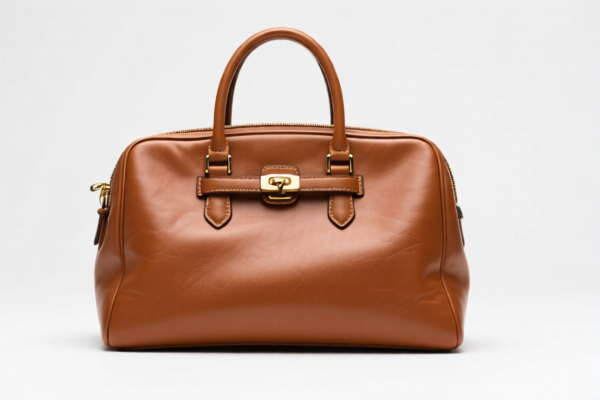
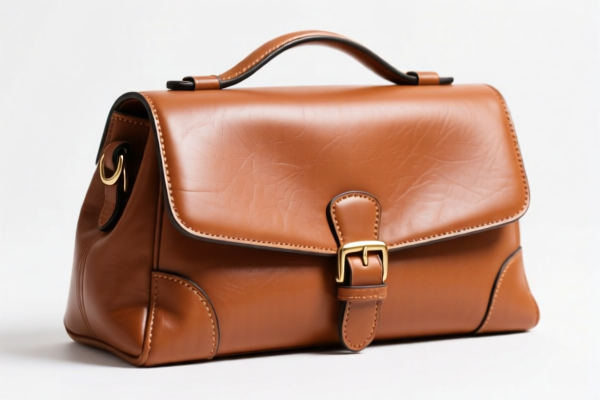
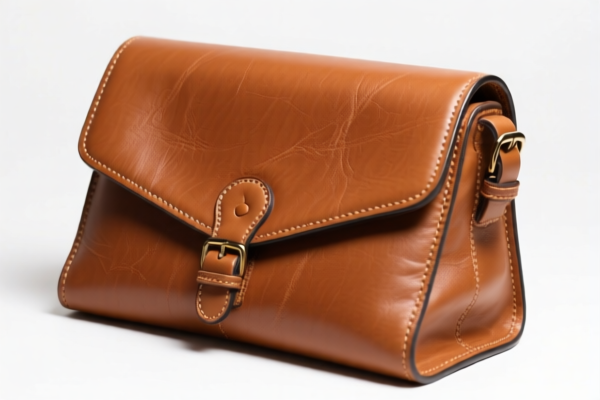
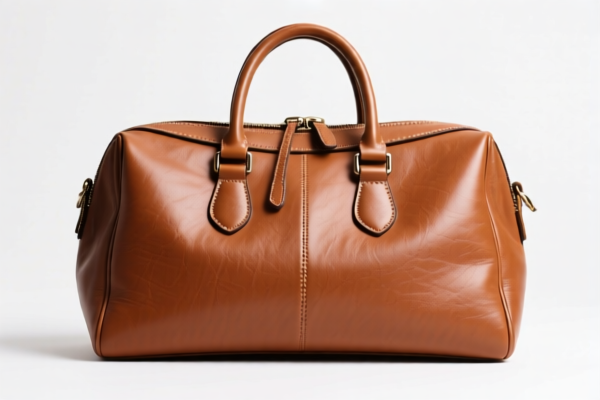
AI Analysis
🧵 Other Tanned Animal Leather (Dehaired Surface), Patterned Leather Model
🌐 HS Code Reference & Customs Clearance Guide | 2026 Latest Tariff Structure | Professional Compliance Strategy 📌 I. Product Definition & Classification: What Exactly Is This Leather?
"Other Tanned Animal Leather (Dehaired Surface), Patterned Leather Model" refers to processed animal hides or skins where the hair has been removed (dehaired), and the surface has been embossed, printed, or textured (patterned). Unlike standard vegetable-tanned or chrome-tanned leathers used directly, this material often implies a finished state or a specific sub-category within leather goods or raw leather.
In international trade, the classification hinges on a critical distinction: Is it classified as "Raw Leather" (Chapter 41) or "Leather Article/Good" (Chapter 42)?
⚠️ Key Distinction Point: - If the product is processed leather intended for further manufacturing (e.g., shoe uppers, bag panels) and retains its character as a material, it often falls under Chapter 41 (Section XI). - If the product is considered a finished article or falls under specific "other" categories of leather products, it may fall under Chapter 42 (Section XI). - Note: The provided data shows HS Codes from both 4205 (Leather articles; saddlery and harness) and 4107 (Other raw leather). This suggests the classification is nuanced based on the exact physical state and intended use described in customs declarations.
📦 II. HS Code Classification Details (2026 Latest Tariff Authority Comparison)
| HS Code | Product Description | Applicable Scenario | Key Feature |
|---|---|---|---|
4205.00.60.00 |
Other articles of leather; Patterned/Dehaired leather models | Leather articles, fashion accessories, or specific finished leather goods | ✅ Fits "Leather Goods/Articles" attribute |
4107.99.40.00 |
Other tanned animal leather (dehaired), patterned models | Raw leather category, general tanned leather | ✅ Belongs to "Other Tanned Leather" class |
4205.00.80.00 |
Other articles of leather; Other leather categories | General leather articles, unspecified finished leather | ✅ Fits "Other Leather Goods" scope |
4107.99.80.00 |
Other tanned animal leather (dehaired), highly consistent with patterned leather | Raw leather category, specific patterned dehaired hides | ✅ High consistency with "Patterned Leather" |
🔍 Critical Reminder: - Chapter 41 (4107): Focuses on the material itself (leather as a commodity). Lower tariff rates usually apply here. - Chapter 42 (4205): Focuses on articles made of leather or specific sub-categories of leather products. Higher tariff rates often apply here due to added value or specific trade restrictions. - Do not mix: Declaring raw leather as an "article" can lead to overpayment; declaring an article as "raw leather" can lead to penalties for misclassification.
💰 III. 2026 Latest Tariff Rate Breakdown (Detailed Taxes & Policy Add-ons)
✅ Applicable Country: United States (US)
✅ Origin: China (CN)
✅ Effective Date: Post-2025 Import (Includes Section 301 & IEEPA)
🎯 1. 4205.00.60.00 — Leather Articles / Patterned Leather Models
| Item | Content |
|---|---|
| Base Tariff | 4.9% (ad valorem) |
| Section 301 Add-on | +25.0% |
| IEEPA Add-on (Section 122/Other) | +10.0% |
| Total Tariff Rate | 39.9% |
| Tax Calculation | CIF Value × 39.9% |
| De Minimis Eligibility | ❌ Not Eligible |
| Legal Basis Path | USITC:4205.00.60.00 → 301:4.9+25 → IEEPA:+10 |
📌 Explanation: - This code attracts a very high total tariff due to the combination of base duty and multiple trade war-related add-ons. - The 25% Section 301 tariff is standard for many Chinese-origin goods. - The 10% IEEPA tariff further increases the cost for Chinese-origin leather products. - Cost Impact: For every $1,000 of CIF value, you pay $399 in duties.
🎯 2. 4107.99.40.00 — Other Tanned Leather (Raw Material Category)
| Item | Content |
|---|---|
| Base Tariff | 2.5% |
| Section 301 Add-on | 0.0% |
| IEEPA Add-on (Section 122) | +10.0% |
| Total Tariff Rate | 12.5% |
| Tax Calculation | CIF Value × 12.5% |
| De Minimis Eligibility | ❌ Not Eligible |
| Legal Basis Path | USITC:4107.99.40.00 → IEEPA:+10 |
📌 Note: - This code benefits from a much lower total tariff because the Section 301 add-on is 0% for this specific sub-category of tanned leather. - Only the 10% IEEPA tariff applies. - Cost Impact: For every $1,000 of CIF value, you pay $125 in duties. - Strategy: If the product can be legally classified under Chapter 41 (raw tanned leather) rather than Chapter 42 (leather goods), the savings are massive (27.4% difference).
🎯 3. 4205.00.80.00 — Other Leather Articles (Other Scope)
| Item | Content |
|---|---|
| Base Tariff | 0.0% |
| Section 301 Add-on | +25.0% |
| IEEPA Add-on (Section 122) | +10.0% |
| Total Tariff Rate | 35.0% |
| Tax Calculation | CIF Value × 35.0% |
| De Minimis Eligibility | ❌ Not Eligible |
| Legal Basis Path | USITC:4205.00.80.00 → 301:25 → IEEPA:+10 |
📌 Warning: - While the base tariff is 0%, the 35% total rate is still very high. - The lack of a Section 301 add-on does not compensate for the high IEEPA and general duty structure in some cases. - Cost Impact: For every $1,000 of CIF value, you pay $350 in duties.
🎯 4. 4107.99.80.00 — Other Tanned Leather (Patterned Consistency)
| Item | Content |
|---|---|
| Base Tariff | 2.4% |
| Section 301 Add-on | 0.0% |
| IEEPA Add-on (Section 122) | +10.0% |
| Total Tariff Rate | 12.4% |
| Tax Calculation | CIF Value × 12.4% |
| De Minimis Eligibility | ❌ Not Eligible |
| Legal Basis Path | USITC:4107.99.80.00 → IEEPA:+10 |
📌 Optimization Note: - This is the most tax-efficient classification in the provided data. - Similar to
4107.99.40.00, it avoids the 25% Section 301 tariff. - Cost Impact: For every $1,000 of CIF value, you pay $124 in duties. - Strategy: This is the preferred HS Code if the product can be definitively proven to be "Tanned Animal Leather" (Chapter 41) rather than a "Leather Article" (Chapter 42).
🛠️ IV. Customs Clearance Practical Advice (Avoid Pitfalls)
✅ 1. Documentation Checklist (Non-negotiable)
| Document | Must Provide | Description |
|---|---|---|
| ✅ Product Specification Sheet | ✔️ | Detailed description: Animal type (cow, pig, etc.), tanning method (chrome/veg), surface treatment (patterned/embossed), dehaired status. |
| ✅ Photos (Front/Back/Edge) | ✔️ | Clear images showing the "dehaired" surface and "patterned" texture. Prove it is not a raw hide with hair. |
| ✅ Material Composition Statement | ✔️ | Confirm 100% animal leather. No fabric backing that might shift it to Chapter 59 or 63. |
| ✅ Commercial Invoice | ✔️ | Must clearly state: "Tanned Animal Leather, Dehaired Surface, Patterned Model." Avoid vague terms like "Leather Bag" if declaring as raw leather. |
| ✅ Packing List | ✔️ | Weight and dimensions. Ensure packaging does not suggest finished goods. |
✅ 2. Declaration Strategy (Key Mantra)
🔥 “Classify as Raw Leather (Ch. 41) to Save 25%: Avoid Chapter 42 unless It’s a Finished Article!”
| Scenario | Correct Declaration | Wrong Practice |
|---|---|---|
| Bulk rolls of patterned dehaired leather | HS 4107.99.40/80 | Declaring as "Leather Bag Material" → 35-40% |
| Cut pieces for shoe uppers | HS 4107.99.40/80 | Declaring as "Finished Leather Goods" → 35-40% |
| Finished leather pouches/bags | HS 4205.00.60/80 | Declaring as "Raw Leather" → Misclassification Penalty |
✅ 3. Special Handling Tips
| Situation | Recommendation |
|---|---|
| Pattern Definition | If the pattern is merely embossed (not painted), it remains Chapter 41. If it is painted/coated extensively, it might still be Ch. 41, but check USITC notes. |
| Dehaired vs. Hair-On | Must be 100% dehaired. If any hair remains, it falls under different subheadings (e.g., 4104/4105/4106), which may have different tax rules. |
| China Origin | Even with lower base rates, the 10% IEEPA tariff applies. No exemption for Chinese origin in these codes. |
| Pre-Ruling | HIGHLY RECOMMENDED: Apply for an Advance Ruling from US Customs (CBP) to confirm whether your specific "Patterned Leather Model" is Ch. 41 or Ch. 42. The 27.5% tax difference is too significant to guess. |
🌍 V. Global Market Comparison (2026 Latest)
| Country/Region | Recommended HS Code | Tariff Rate | Certification | Notes |
|---|---|---|---|---|
| 🇺🇸 USA | 4107.99.40/80 |
12.5% | No specific | Best for raw leather import. |
| 🇺🇸 USA | 4205.00.60/80 |
35.0-39.9% | No specific | Avoid unless finished goods. |
| 🇨🇳 China | 4107.99.40/80 |
~2.5% | None | Low import duty for raw leather. |
| 🇪🇺 EU | 4107.99.40/80 |
~10-12% | REACH (if chemicals used) | VAT applies on top. |
| 🇬🇧 UK | 4107.99.40/80 |
~10-12% | UKCA (if goods) | Post-Brexit tariffs similar to EU. |
📌 Conclusion: - USA is the most complex market due to the stark contrast between Chapter 41 (12.5%) and Chapter 42 (35-40%) rates. - Misclassification risk is high. If you are importing raw leather materials, insist on Chapter 41. - If you are importing finished leather products (bags, belts), you must accept the higher Chapter 42 rates.
📌 VI. Common Errors & Pitfalls (Blood Lessons)
❌ Error 1: Declaring "Patterned Leather Rolls" as "Finished Leather Bags" (4205)
👉 Result: Paying 39.9% instead of 12.5%. Overpayment of $274 per $1,000.
❌ Error 2: Declaring "Finished Leather Wallets" as "Raw Tanned Leather" (4107)
👉 Result: Customs Penalty + Back Duties + Fraud Allegations. The product is clearly an article, not raw material.
❌ Error 3: Ignoring the "Dehaired" Status 👉 Result: If the leather has hair, it may fall under 4104/4105 (Goat/Sheep or Bovine). Misclassification leads to delays and re-inspection.
❌ Error 4: Assuming "Patterned" means "Finished Good" 👉 Result: Patterned/Embroidered/Printed raw leather is still Chapter 41. Only sewing/stitching into a final shape makes it Chapter 42.
✅ Correct Approach:
"100% Cowhide, Chrome Tanned, Dehaired, Embossed Pattern, In Rolls, For Further Manufacturing" → HS 4107.99.40/80
🎯 VII. Conclusion: Precision Saves Money!
🎯 Remember the Mantra:
🔹 "Raw Leather (Ch. 41) is King: 12.5% Total Tax!"
🔹 "Finished Goods (Ch. 42) are Expensive: 35-40% Total Tax!"
🔹 "Patterned ≠ Finished. Embossed ≠ Stitched. Know the Difference!"
📌 Pro Tip: If your leather is originating from Vietnam, Mexico, or Thailand, you may be eligible for IEEPA exemptions or lower Section 301 rates. Always verify the Country of Origin and apply for Free Trade Agreement (FTA) benefits if available.
📣 Immediate Action Required:
📞 Contact your freight forwarder to provide photos and specs.
📄 Request an HS Code Pre-Ruling from US Customs if the classification is ambiguous.
🚀 Optimize your supply chain by declaring raw leather correctly to save 27%+ in duties.
✨ Professional Clearance Starts with Accurate Classification! 💼 Your Profit Margin Depends on Getting the HS Code Right!
Customer Reviews
About HS Code Classification
The Harmonized System (HS) is an internationally standardized nomenclature developed by the World Customs Organization (WCO) to classify traded products. Over 200 countries use the HS system as the basis for customs tariffs, trade statistics, and import/export regulations.
Each HS code follows a hierarchical structure:
- Chapter (2 digits) — Broad category of goods (e.g., Chapter 84: Machinery and Mechanical Appliances)
- Heading (4 digits) — More specific grouping within the chapter
- Subheading (6 digits) — Internationally standardized breakdown, used by all WCO member countries
- National subdivisions (8-10 digits) — Country-specific extensions for further classification, such as US HTSUS 10-digit codes
Correct HS code classification is essential for smooth customs clearance, accurate duty payment, and compliance with trade regulations. Misclassification can lead to customs delays, overpayment of duties, or penalties.
When importing from CN to US, the applicable tariff rates may include:
- Most-Favored-Nation (MFN) rate — The standard duty rate applied to WTO members
- General rate — Applied to countries without trade agreements
- Trade remedy duties — Additional tariffs such as Section 301 (anti-dumping), Section 232 (national security), or countervailing duties
The information provided on this page is for reference purposes only. For official classification, please consult with your local customs authority or a licensed customs broker.