Other Tights and Pantyhose
CN → US| HS Code | Tariff Rate | Origin | Destination | Doc |
|---|---|---|---|---|
| 6115999000 | 27.4% | CN | US | Official Doc |
| 3926204010 | 16.5% | CN | US | Official Doc |
| 3926201050 | 10.0% | CN | US | Official Doc |
| 6115298040 | 26.0% | CN | US | Official Doc |
Product Images
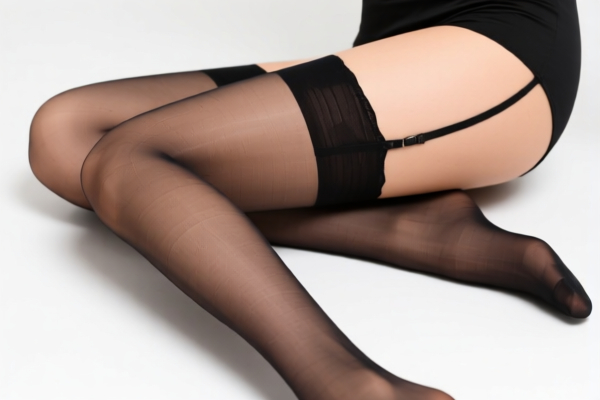
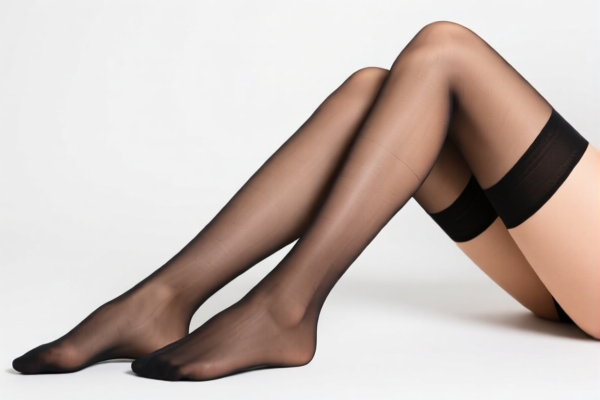
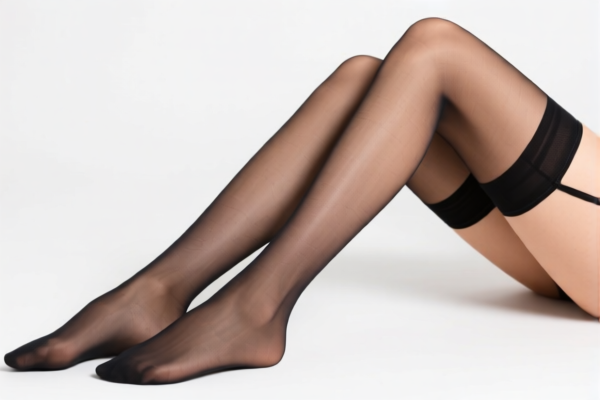
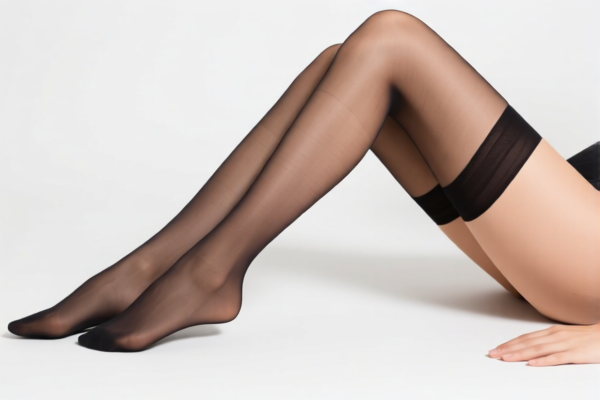
AI Analysis
🧦 Other Tights and Pantyhose: HS Code Classification & Duty Breakdown (US Customs 2026)
🌐 HS Code Reference & Clearance Guide | 2026 Latest Tariff Analysis | Professional Clearance Strategy
📌 1. Product Definition & Classification: What are "Other Tights" Actually?
Tights and pantyhose are generally defined as hosiery that covers the legs and, in the case of tights, the waist. However, in international trade, the material composition is the single most critical factor determining the HS Code and the resulting duty rate.
⚠️ Key Distinction Point:
- Textile/Hosiery Category (Ch. 61): Made of knitted or crocheted fabrics (nylon, polyester, cotton, wool, etc.). These are classified under heading 6115.
- Plastic/Artificial Materials Category (Ch. 39): Made of solid plastic, rubber, or specific synthetic sheets that do not meet the "textile" definition. These are classified under heading 3926.
The "Other" category in the prompt implies materials other than standard cotton or wool, but the physical form (knitted fabric vs. plastic sheet) dictates whether you pay ~27% or ~10%.
📦 2. HS Code Classification Details (2026 Latest Tariff Alignment)
Based on the provided data, here is the breakdown for "Other Tights and Pantyhose":
| HS Code | Product Description | Material/Composition | Key Characteristic |
|---|---|---|---|
| 6115.99.90.00 | Other tights and pantyhose, of other textiles | Other textile materials (e.g., nylon/polyester blends, spandex) | Meets hosiery definition; knitted fabric. |
| 6115.29.80.40 | Other tights and pantyhose, excluding cotton, wool, fine animal hair | Non-cotton/non-wool textiles | Specifically excludes natural fibers; falls under "other textiles." |
| 3926.20.40.10 | Other tights and pantyhose, classified as plastic articles | Plastic or synthetic fibers (solid/plastic form) | Classified as a plastic product, not textile hosiery. |
| 3926.20.10.50 | Other tights and pantyhose, classified as plastic articles | Plastic or synthetic fibers (specific plastic type) | Specific plastic classification, different subheading. |
🔍 Critical Insight:
- If the product is a knitted sock-like garment, it belongs to 6115.
- If the product is made of plastic sheets, foams, or non-textile synthetics that do not qualify as hosiery, it belongs to 3926.
- Misclassifying textile tights as plastic (or vice versa) leads to severe penalties and duty underpayment/overpayment issues.
💰 3. 2026 Latest Tariff Rate Breakdown (Including Add-ons)
✅ Applicable Country: United States (US)
✅ Origin: China (CN) (Implied by Section 122 and specific duty structures in data)
✅ Effective Date: Current 2026 Tariff Schedule
🎯 1. 6115.99.90.00 – Other Textile Tights/Pantyhose
| Item | Detail |
|---|---|
| Base Tariff | 9.9% |
| Section 301 Add-on | 7.5% |
| Section 122 Tariff | 10.0% |
| Total Effective Rate | 27.4% |
| Calculation Basis | CIF Value × 27.4% |
| De Minimis Exemption | ❌ Not Eligible (High duty rates disqualify this from $800 de minimis) |
| Legal Path | HTSUS:6115.99.90 → Sec 301: Footnote 4 → Sec 122: Enacted 2025/2026 |
📌 Explanation:
- This is the standard rate for most non-cotton/non-wool knitted tights (e.g., nylon/spandex).
- The 27.4% total includes the base US MFN rate, the Section 301 tariffs (trade war levies), and the Section 122 tariffs (specifically targeting certain Chinese imports).
- High Cost Alert: This is a high-duty item for China-origin goods.
🎯 2. 6115.29.80.40 – Other Textile Tights (Excluding Cotton/Wool)
| Item | Detail |
|---|---|
| Base Tariff | 16.0% |
| Section 301 Add-on | 0.0% |
| Section 122 Tariff | 10.0% |
| Total Effective Rate | 26.0% |
| Calculation Basis | CIF Value × 26.0% |
| De Minimis Exemption | ❌ Not Eligible |
| Legal Path | HTSUS:6115.29.80 → Sec 122: Enacted 2025/2026 |
📌 Explanation:
- This code applies if the product is specifically excluded from "cotton" or "wool" categories but is still textile-based.
- The base tariff is higher (16%) than code 6115.99.90.00 (9.9%), but it avoids the Section 301 add-on (0% vs 7.5%).
- Net Result: Slightly cheaper than 6115.99.90.00 (26% vs 27.4%), but requires precise material confirmation.
🎯 3. 3926.20.40.10 – Plastic Tights/Pantyhose (Class I)
| Item | Detail |
|---|---|
| Base Tariff | 6.5% |
| Section 301 Add-on | 0.0% |
| Section 122 Tariff | 10.0% |
| Total Effective Rate | 16.5% |
| Calculation Basis | CIF Value × 16.5% |
| De Minimis Exemption | ❌ Not Eligible (Due to Sec 122/301 rules) |
| Legal Path | HTSUS:3926.20.40 → Sec 122 |
📌 Explanation:
- Only applicable if the tights are not considered hosiery (e.g., plastic rain pants, protective plastic leg coverings).
- Lower Duty: 16.5% is significantly lower than textile options.
- Risk: If customs determines these are actually "hosiery" (knitted), they will reclassify to Chapter 61 and charge ~27%.
🎯 4. 3926.20.10.50 – Plastic Tights/Pantyhose (Class II)
| Item | Detail |
|---|---|
| Base Tariff | 0.0% |
| Section 301 Add-on | 0.0% |
| Section 122 Tariff | 10.0% |
| Total Effective Rate | 10.0% |
| Calculation Basis | CIF Value × 10.0% |
| De Minimis Exemption | ❌ Not Eligible |
| Legal Path | HTSUS:3926.20.10 → Sec 122 |
📌 Explanation:
- Lowest Duty: Only 10% total.
- Strict Conditions: Must strictly qualify as "Plastic Articles" under 3926.20.10.50.
- Warning: This classification is narrow. It typically applies to specific plastic sheets or non-textile items. If the product is knit fabric, this code is invalid.
🛠️ 4. Clearance Practical Advice (Avoiding Pitfalls)
✅ 1. Material Verification is Crucial
| Material Type | Correct HS Chapter | Risk of Misclassification |
|---|---|---|
| Knitted Nylon/Polyester/Spandex | Ch 61 (6115.xxxx) | High. If declared as plastic (3926), penalty for misdeclaration. |
| Cotton Tights | Ch 61 (6115.xxxx) | Medium. Different base rate, but still textile. |
| Solid Plastic Leg Coverings | Ch 39 (3926.20.xxxx) | Low, if truly non-textile. |
📌 Rule: If it stretches like fabric and is knitted/crocheted, it is Chapter 61. If it is rigid, foamed, or a non-knitted sheet, it is Chapter 39.
✅ 2. Documentation Requirements
| Document | Purpose |
|---|---|
| Material Composition Sheet | Must specify % of Nylon, Polyester, Spandex, etc. |
| Technical Data Sheet | Proof of knitting method (if Ch 61) or plastic formulation (if Ch 39). |
| Product Photos | Show texture, elasticity, and construction (knit vs. molded). |
| Bill of Lading/Invoice | Clearly state "Tights" or "Pantyhose" and material. |
✅ 3. Duty Optimization Strategy
- For Textile Tights:
- Compare
6115.99.90.00(27.4%) vs.6115.29.80.40(26.0%). - If your product can be classified under
6115.29.80.40(e.g., explicitly not cotton/wool), you save 1.4% on duties. -
Action: Ensure your product specification excludes cotton/wool to qualify for the lower total rate.
-
For "Plastic" Items:
- If you are importing plastic leg guards or non-hosiery items,
3926.20.10.50(10%) is the best option. - Action: Ensure the product does not meet the "hosiery" definition (i.e., it is not worn as underwear or fashion tights). If it is worn as fashion tights, customs will likely reject Ch 39.
🌍 5. Market Comparison & Final Recommendations
| Market | Recommended HS Code | Total Duty Rate | Notes |
|---|---|---|---|
| 🇺🇸 USA | 6115.99.90.00 |
27.4% | High duty due to Sec 301 + Sec 122. |
| 🇺🇸 USA | 6115.29.80.40 |
26.0% | Slightly better if material qualifies. |
| 🇺🇸 USA | 3926.20.10.50 |
10.0% | Only for non-hosiery plastic items. |
📌 Conclusion:
- For Fashion Tights/Pantyhose: You will almost certainly be classified under Chapter 61. The best rate is 26.0% (6115.29.80.40) if you can exclude cotton/wool.
- For Functional/Protective Plastic Leg Coverings: You can aim for 10.0% (3926.20.10.50) if they are strictly non-textile.
📌 6. Common Mistakes & Pitfalls
❌ Mistake 1: Declaring knitted nylon tights as "Plastic Products" (3926) to save duty.
👉 Result: Customs will reclassify to 6115 and apply ~27% + penalties.
❌ Mistake 2: Ignoring Section 122 Tariffs.
👉 Result: Missing the 10% add-on in your cost calculation leads to unexpected expenses.
❌ Mistake 3: Assuming "Other" means "No Duty".
👉 Result: "Other" refers to material/sub-category, not tax exemption. All items here have duties ≥10%.
✅ Correct Action:
Confirm Material % → Choose Ch 61 for Knit, Ch 39 for Plastic → Apply Section 122 Add-on → Calculate Total Duty (26-27.4%).
🎯 7. Conclusion: Precision Classification Saves Money
🎯 Key Takeaway:
🔹 Textile Tights = ~26-27.4% Duty (Chapter 61)
🔹 Plastic Coverings = ~10-16.5% Duty (Chapter 39)
🔹 Section 122 (10%) applies to ALL categories in this data.
📌 Pro Tip:
If you are importing from China, the Section 122 tariff is unavoidable for these goods. Plan your margin accordingly. For textile tights, aim for 6115.29.80.40 to minimize the base rate.
📣 Immediate Action:
📞 Verify Material Composition
📦 Confirm if Product is Hosiery (Ch 61) or Plastic (Ch 39)
💰 Budget for 26-27.4% Duty for Textiles
✨ Accurate Classification is the Key to Cost Control!
💼 Don’t let misclassification eat your profits!
Customer Reviews
About HS Code Classification
The Harmonized System (HS) is an internationally standardized nomenclature developed by the World Customs Organization (WCO) to classify traded products. Over 200 countries use the HS system as the basis for customs tariffs, trade statistics, and import/export regulations.
Each HS code follows a hierarchical structure:
- Chapter (2 digits) — Broad category of goods (e.g., Chapter 84: Machinery and Mechanical Appliances)
- Heading (4 digits) — More specific grouping within the chapter
- Subheading (6 digits) — Internationally standardized breakdown, used by all WCO member countries
- National subdivisions (8-10 digits) — Country-specific extensions for further classification, such as US HTSUS 10-digit codes
Correct HS code classification is essential for smooth customs clearance, accurate duty payment, and compliance with trade regulations. Misclassification can lead to customs delays, overpayment of duties, or penalties.
When importing from CN to US, the applicable tariff rates may include:
- Most-Favored-Nation (MFN) rate — The standard duty rate applied to WTO members
- General rate — Applied to countries without trade agreements
- Trade remedy duties — Additional tariffs such as Section 301 (anti-dumping), Section 232 (national security), or countervailing duties
The information provided on this page is for reference purposes only. For official classification, please consult with your local customs authority or a licensed customs broker.