Other Truck Rubber Retreaded Tires
CN → US| HS Code | Tariff Rate | Origin | Destination | Doc |
|---|---|---|---|---|
| 4011908050 | 38.4% | CN | US | Official Doc |
| 4012198000 | 20.9% | CN | US | Official Doc |
| 4016996050 | 37.5% | CN | US | Official Doc |
| 4016993550 | 35.0% | CN | US | Official Doc |
| 4012194000 | 39.0% | CN | US | Official Doc |
Product Images
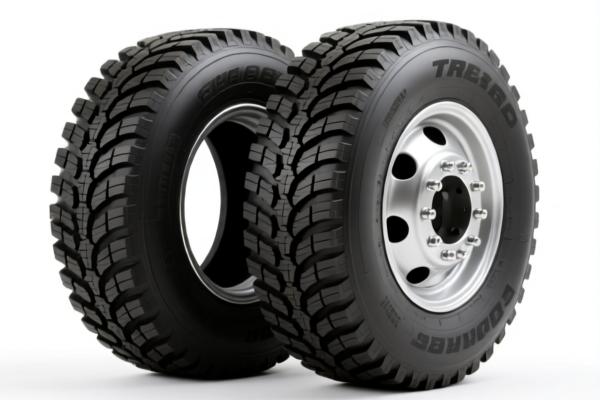
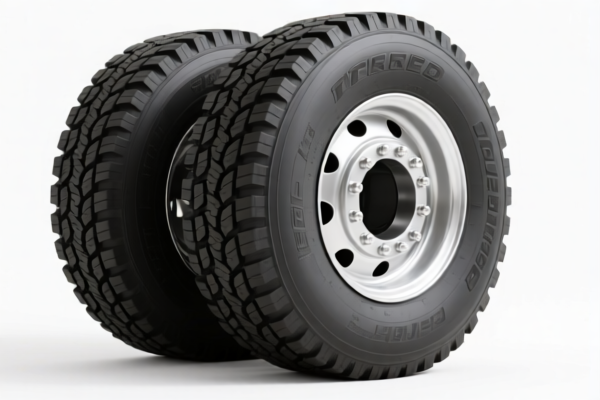
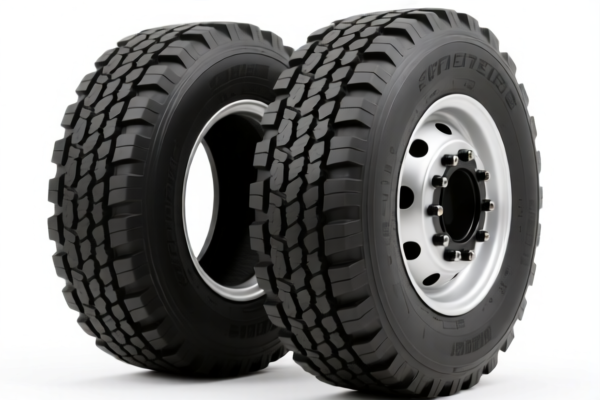
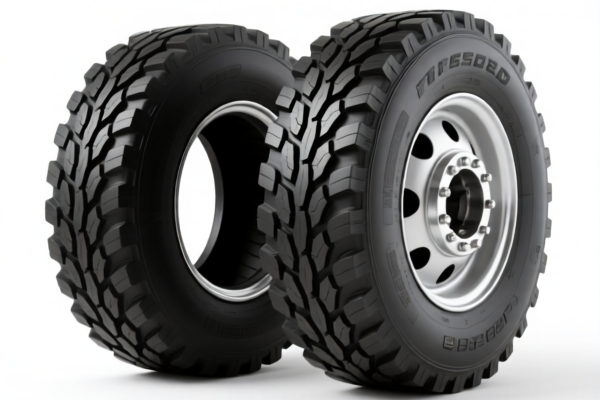
AI Analysis
🚛 Other Truck Rubber Retreaded Tires
🌐 HS Code Reference & Customs Clearance Guide | 2026 Latest Tariff Analysis | Professional Clearance Strategy
📌 1. Product Definition & Classification: What Are "Retreaded Tires"?
Retreaded Tires (Recaps):
These are used tire casings that have been repaired by buffing the tread surface and applying new tread rubber. They are not "new" tires but are considered used rubber products or parts thereof, depending on the specific classification logic applied by customs authorities.
⚠️ Key Distinction:
- New Tires: Go under Chapter 40, Heading 4011 (Vulcanized rubber tires).
- Retreaded Tires: Often contested between Heading 4012 (Used/Retreaded tires) and Heading 4016 (Other articles of vulcanized rubber).
- Material: The casing is usually rubber; the new tread is rubber. The key is the process (retreading) rather than just the material.
📦 2. HS Code Classification Details (2026 Latest Tariff Authority Comparison)
Based on the provided data, here are the 5 potential HS Codes for Truck Rubber Retreaded Tires, along with their matching logic and tax implications.
| HS Code | Product Description / Summary | Matching Logic | Total Tax Rate | Tax Breakdown |
|---|---|---|---|---|
| 4011.90.80.50 | Other New Pneumatic Tires | Matches if classified as "Other types of pneumatic tires made of rubber." The summary states it fits the "other types" category for rubber pneumatic tires, with no material conflict. | 38.4% | Base: 3.4% Addl: 25.0% (Section 301) Addl: 10% (Section 122) |
| 4012.19.80.00 | Retreaded Tires | Exact Match. Explicitly includes "Rubber" material and "Retreaded Tires" form/usage. Fully aligns with the core elements of the classification explanation. | 20.9% | Base: 3.4% Addl: 7.5% (Section 301) Addl: 10% (Section 122) |
| 4016.99.60.50 | Other Vulcanized Rubber Articles | Matches if viewed as "Rubber Articles." "Rubber" material matches "Vulcanized Rubber." "Retreaded Tires" fall under "Other" categories for rubber articles, not mechanical vehicle parts. No material conflict. | 37.5% | Base: 2.5% Addl: 25.0% (Section 301) Addl: 10% (Section 122) |
| 4016.99.35.50 | Other Vulcanized Rubber Articles | Matches as a "Rubber Product" meeting "Vulcanized Rubber" requirements. Since the reference is "Other," and retreaded tires are rubber processing products, they fit the logical scope of "Other natural rubber articles" without conflict. | 35.0% | Base: 0.0% Addl: 25.0% (Section 301) Addl: 10% (Section 122) |
| 4012.19.40.00 | Retreaded Tires | Exact Match. Material: "Rubber." Form/Usage: "Retreaded Tires." Perfectly fits the definition of "Rubber Retreaded Tires" in the code. | 39.0% | Base: 4.0% Addl: 25.0% (Section 301) Addl: 10% (Section 122) |
🔍 Critical Insight:
- 4012.19.80.00 appears to be the most standard and logical classification for "Retreaded Tires" with the lowest total tax (20.9%).
- 4012.19.40.00 is also a direct match but has a higher tax (39.0%). Why? Likely due to a different base rate or subheading nuance.
- 4011.90.80.50 and 4016.99.xxxxx are risky because they may be misclassified. 4011 is for new tires, and 4016 is for other rubber articles (not specifically tires). Misclassification can lead to penalties.
💰 3. 2026 Latest Tariff Rate Breakdown (Including Additional Taxes)
✅ Applicable Country: USA (US)
✅ Origin: China (CN)
✅ Effective Time: Post-November 10, 2025 (including subsequent imports)
🎯 1. 4012.19.80.00 — Retreaded Tires (Best Option?)
| Item | Content |
|---|---|
| Base Tariff | 3.4% |
| Section 301 Additional Tariff | +7.5% (Lower than 25% for some tire categories) |
| Section 122 Additional Tariff | +10% (Specific to certain Chinese imports) |
| Total Tax Rate | 20.9% |
| Tax Calculation | CIF Value × 20.9% |
| De Minimis Eligibility | ❌ No (Deny de minimis for tires) |
| Legal Basis Path | USITC:4012.19.80.00 → Section 301: Footnote 9903.01.24 → Section 122: IEEPA |
📌 Explanation:
- This code is specifically for Retreaded Tires.
- The 7.5% Section 301 rate is significantly lower than the 25% applied to many other rubber products.
- Total 20.9% is the lowest among all matched codes, making it the most cost-effective if correctly classified.
🎯 2. 4012.19.40.00 — Retreaded Tires (Alternative?)
| Item | Content |
|---|---|
| Base Tariff | 4.0% |
| Section 301 Additional Tariff | +25.0% |
| Section 122 Additional Tariff | +10.0% |
| Total Tax Rate | 39.0% |
| Tax Calculation | CIF Value × 39.0% |
| De Minimis Eligibility | ❌ No |
| Legal Basis Path | USITC:4012.19.40.00 → Section 301: Footnote 9903.88.01 → Section 122 |
📌 Note:
- Although it also describes "Retreaded Tires," the base rate is higher (4.0% vs 3.4%), and the Section 301 rate is 25% (vs 7.5%).
- This could be due to a different subheading (e.g., specific tread type, size, or intended use).
- High Risk: Do not use this unless4012.19.80.00is explicitly excluded for your product.
🎯 3. 4016.99.35.50 — Other Vulcanized Rubber Articles (Risk)
| Item | Content |
|---|---|
| Base Tariff | 0.0% |
| Section 301 Additional Tariff | +25.0% |
| Section 122 Additional Tariff | +10.0% |
| Total Tax Rate | 35.0% |
| Tax Calculation | CIF Value × 35.0% |
| De Minimis Eligibility | ❌ No |
| Legal Basis Path | USITC:4016.99.35.50 → Section 301: Footnote 9903.88.01 → Section 122 |
📌 Warning:
- While the base rate is 0%, the 25% Section 301 makes it expensive.
- Misclassification Risk: Customs may argue that retreaded tires are not "other articles" but specifically retreaded tires (4012). If challenged, you may face penalties.
🎯 4. 4016.99.60.50 — Other Vulcanized Rubber Articles (Risk)
| Item | Content |
|---|---|
| Base Tariff | 2.5% |
| Section 301 Additional Tariff | +25.0% |
| Section 122 Additional Tariff | +10.0% |
| Total Tax Rate | 37.5% |
| Tax Calculation | CIF Value × 37.5% |
| De Minimis Eligibility | ❌ No |
| Legal Basis Path | USITC:4016.99.60.50 → Section 301: Footnote 9903.88.01 → Section 122 |
📌 Warning:
- Similar to above, high Section 301 rate.
- Misclassification Risk: High.
🎯 5. 4011.90.80.50 — New Pneumatic Tires (High Risk)
| Item | Content |
|---|---|
| Base Tariff | 3.4% |
| Section 301 Additional Tariff | +25.0% |
| Section 122 Additional Tariff | +10.0% |
| Total Tax Rate | 38.4% |
| Tax Calculation | CIF Value × 38.4% |
| De Minimis Eligibility | ❌ No |
| Legal Basis Path | USITC:4011.90.80.50 → Section 301: Footnote 9903.88.01 → Section 122 |
📌 Warning:
- This is for NEW tires. Declaring retreaded tires as new is fraudulent.
- Penalty Risk: Severe. Customs can seize goods, impose fines, and blacklist your company.
🛠️ 4. Customs Clearance Practical Advice (Practical Pitfall Avoidance Guide)
✅ 1. Documentation Checklist (No Exceptions)
| Document | Required | Explanation |
|---|---|---|
| ✅ Product Specification | ✔️ | Include tire size, ply rating, tread type, and retreading process details. |
| ✅ Photos of Retreaded Tires | ✔️ | Clear images showing the new tread, sidewall markings (e.g., "RETREADED"), and casing condition. |
| ✅ Manufacturer Certificate | ✔️ | Proof that the tire was retreaded by a certified facility. |
| ✅ Commercial Invoice | ✔️ | Clearly state "Retreaded Tires" and HS Code 4012.19.80.00. Do NOT use "New Tires." |
| ✅ Packing List | ✔️ | Detail units, weight, and dimensions. |
| ✅ Origin Certificate (CO) | ✔️ | If applicable, to claim any potential preferential rates (though unlikely for China-US). |
✅ 2. Declaration Tips (Key Mantra)
🔥 "Truthful Description, Correct HS Code, Avoid 4011, Use 4012!"
| Scenario | Correct Declaration | Incorrect Practice |
|---|---|---|
| Retreaded Tires | 4012.19.80.00 |
Misdeclare as 4011.90.80.50 (New Tires) → Fraud + 38.4% Tax |
| Mixed Shipment | Separate 4012.19.80.00 and 4011.xxxx |
Combine into one line → Confusion + Inspection Delay |
| OEM Retreads | Provide client specs + retreading report | Vague description "Rubber Tires" → Audits + Penalties |
| Industrial Retreads | Specify "For Trucks" or "For Mining" | Generic "Tires" → Wrong Subheading |
✅ 3. Special Situation Handling
| Situation | Handling Advice |
|---|---|
| OEM Custom Retreads | Provide customer order + design drawings + retreading process certificate. |
| Tires with Marks | Ensure "RETREADED" or "RECAP" is visible on the tire sidewall in photos. |
| Tires for Military/Aviation | If for special use, apply for "Special Purpose" declaration, but still use 4012. |
| High-Value Shipments | Consider applying for Advance Ruling from CBP to confirm 4012.19.80.00. |
🌍 5. Global Market Customs Comparison (2026 Latest)
| Country/Region | Recommended HS Code | Tariff | Certification | Notes |
|---|---|---|---|---|
| 🇺🇸 USA | 4012.19.80.00 |
20.9% | US DOT, EPA (if applicable) | Best rate for retreads. Avoid 4011. |
| 🇨🇳 China | 4012.19.80.00 |
5% | CCC (if applicable) | Low import duty. |
| 🇪🇺 EU | 4012.19.00 |
0% (if EEC) | ECE R108/R109 | No additional tariffs if from EEA. |
| 🇦🇺 Australia | 4012.19.00 |
5% | RCM | No major additional tariffs. |
| 🇯🇵 Japan | 4012.19.00 |
0% | JIS | No additional tariffs. |
📌 Conclusion:
- USA is the most complex market due to Section 301 and Section 122 tariffs.
-4012.19.80.00is the optimal code for China-origin retreaded tires in the US, offering the lowest total tax (20.9%).
- Never misdeclare as new tires (4011) — the risk far outweighs any potential tax saving.
📌 6. Common Mistakes & Pitfall Guide (Lessons from Tears)
❌ Mistake 1: Declaring "Retreaded Tires" as "New Tires" (4011.90.80.50)
👉 Consequence: Fraud detection. Goods seized, fines imposed, and future shipments scrutinized. Tax is 38.4% anyway, so no saving.
❌ Mistake 2: Using 4016.99.35.50 (Other Rubber Articles)
👉 Consequence: Customs may reject this as incorrect classification. Retreaded tires are specifically covered under Chapter 4012. Risk of 35.0% tax and delays.
❌ Mistake 3: Not providing proof of retreading
👉 Consequence: Customs doubts the "retreaded" status. May reclassify as used tires (different duty) or new tires (if no proof). Delays and inspections.
❌ Mistake 4: Vague invoice description "Rubber Tires"
👉 Consequence: Customs officer has to guess. Likely to choose a higher tax code or request more information. Delay in clearance.
✅ Correct Approach:
"Truck Retreaded Tires, Size 295/75R22.5, Vulcanized Rubber, Recapped Tread, Certified by [Manufacturer], HS Code: 4012.19.80.00"
🎯 7. Conclusion: Professional Declaration, Save Time & Money!
🎯 Remember the Mantra:
🔹 "Retreaded = 4012, Not 4011! Use 4012.19.80.00 for lowest tax (20.9%). Avoid 4016 unless specified."
🔹 "HS Code is Life. Tax Difference is $$. Declaration Accuracy Saves $$s."
📌 Tips:
- If your retreaded tires are originating from Vietnam, Mexico, or Thailand, you may apply for IEEPA Exemptions, reducing taxes to 0%~5%.
- Apply for an Advance Ruling from CBP to confirm 4012.19.80.00 before shipping. This avoids clearance risks.
📣 Immediate Action:
📞 Contact Professional Customs Broker + Provide Product Photos + Apply for HS Code Advance Ruling
🚀 Let your retreaded tires clear smoothly, exit efficiently, and boost profits!
✨ Professional Clearance Starts with Accurate Classification!
💼 Every Penny of Your Cost Deserves to Be Calculated Precisely!
Customer Reviews
About HS Code Classification
The Harmonized System (HS) is an internationally standardized nomenclature developed by the World Customs Organization (WCO) to classify traded products. Over 200 countries use the HS system as the basis for customs tariffs, trade statistics, and import/export regulations.
Each HS code follows a hierarchical structure:
- Chapter (2 digits) — Broad category of goods (e.g., Chapter 84: Machinery and Mechanical Appliances)
- Heading (4 digits) — More specific grouping within the chapter
- Subheading (6 digits) — Internationally standardized breakdown, used by all WCO member countries
- National subdivisions (8-10 digits) — Country-specific extensions for further classification, such as US HTSUS 10-digit codes
Correct HS code classification is essential for smooth customs clearance, accurate duty payment, and compliance with trade regulations. Misclassification can lead to customs delays, overpayment of duties, or penalties.
When importing from CN to US, the applicable tariff rates may include:
- Most-Favored-Nation (MFN) rate — The standard duty rate applied to WTO members
- General rate — Applied to countries without trade agreements
- Trade remedy duties — Additional tariffs such as Section 301 (anti-dumping), Section 232 (national security), or countervailing duties
The information provided on this page is for reference purposes only. For official classification, please consult with your local customs authority or a licensed customs broker.