Other Unsaturated Polyester Resin
CN → US| HS Code | Tariff Rate | Origin | Destination | Doc |
|---|---|---|---|---|
| 3907915000 | 41.5% | CN | US | Official Doc |
| 3907914000 | 40.8% | CN | US | Official Doc |
| 3909400000 | 41.5% | CN | US | Official Doc |
Product Images
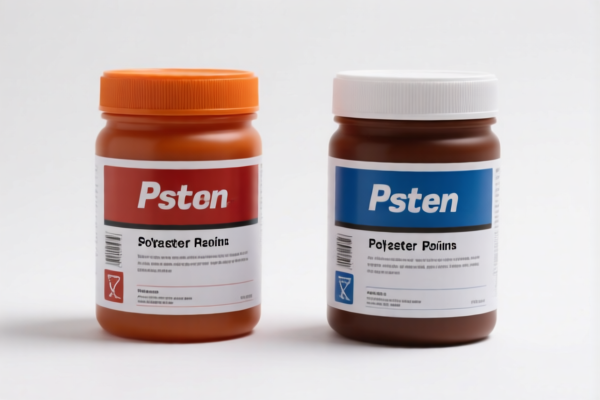
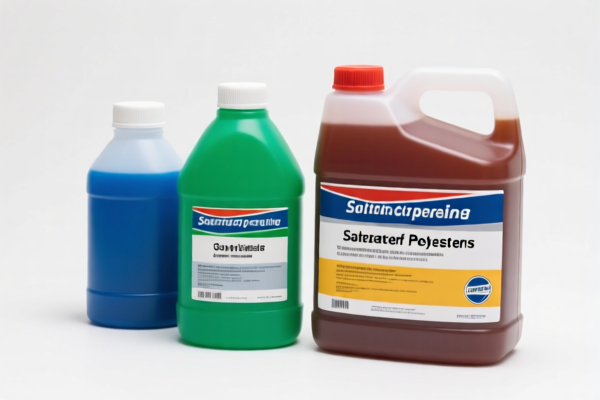
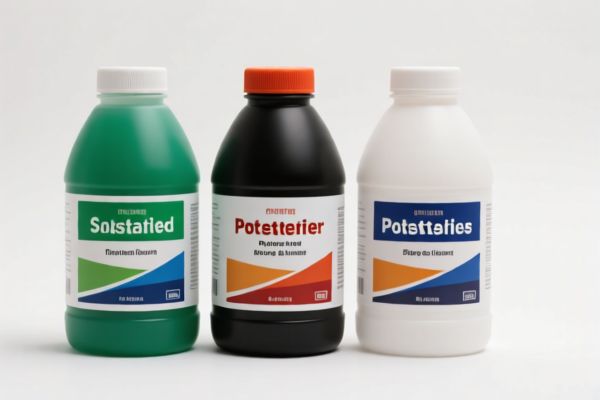
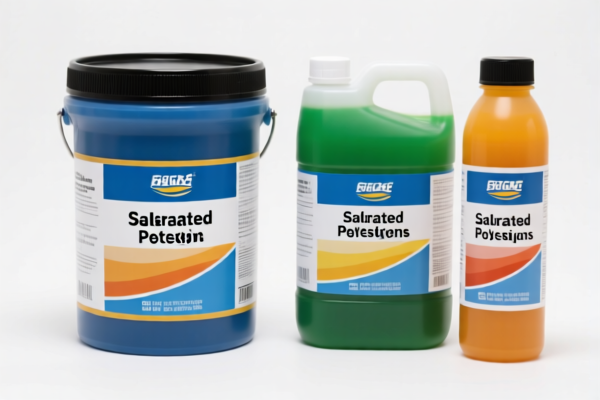
AI Analysis
🧪 Other Unsaturated Polyester Resin (UP Resin)
🌐 HS Code Reference & Customs Clearance Guide | 2026 Latest Tariff Analysis | Professional Clearance Strategy
📌 I. Product Definition & Classification: What Exactly Is "Unsaturated Polyester Resin"?
Unsaturated Polyester Resin (UP Resin) is a thermosetting polymer formed by the reaction of polyols and unsaturated dibasic acids (such as maleic anhydride). It is the primary matrix material for Fiberglass Reinforced Plastics (FRP), commonly known as fiberglass.
In international trade, UP Resin is categorized primarily under Chapter 39 (Plastics and Articles Thereof), specifically within the Polyesters section. The classification depends heavily on: 1. Form: Granules, flakes, paste, or liquid (Primary shape vs. Prepared). 2. Application: Industrial grade (composites) vs. Research grade. 3. Chemical Structure: Whether it meets the specific chemical definition of "Unsaturated Polyester" under HTSUSA Heading 3907.
⚠️ Key Distinction:
- If the resin is in primary shapes (granules, flakes, powders, liquids) and meets the chemical definition → Heading 3907.
- If it is a prepared product for specific uses (e.g., specific coating formulations) that deviates from standard polyester definitions → Potential misclassification risk; stick to 3907 unless explicitly ruled otherwise.
- Research Grade: Often falls under the same chemical heading but may have different descriptive summaries in customs systems.
📦 II. HS Code Classification Details (2026 Latest Tariff Alignment)
Based on the provided data, the following HS Codes apply to "Other Unsaturated Polyester Resin." Note that these codes reflect specific US HTSUSA classifications with associated tariff burdens.
| HS Code | Product Description & Summary | Form/State | Application/Note |
|---|---|---|---|
3907.91.50.00 |
Other Unsaturated Polyester Resins, granules or flakes | Primary Shape (Granules/Flakes) | Standard industrial feedstock. Material matches code. |
3907.91.40.00 |
Other Unsaturated Polyester Resins, granules or flakes | Primary Shape (Granules/Flakes) | Material: Unsaturated Polyester. Fits primary shape classification. |
3909.40.00.00 |
Other Unsaturated Polyester Resins, for research purposes | Liquid/Powder (Variable) | Research grade. Summarized as resin raw material, possibly liquid or powder. |
🔍 Critical Clarification:
- 3907.91.xxxxxx: This subheading specifically covers Unsaturated Polyesters. The "91" indicates they are in primary shapes (not in forms for direct use like paints or adhesives, which might fall under 3907.99).
- Difference between .40 and .50: The distinction often lies in the specific chemical composition or intended industrial use defined by customs rulings. .40 is often the default "Other" for granules/flakes, while .50 may refer to specific variants or are simply different entry points in the tariff schedule with identical or near-identical tax implications.
- 3909.40.00.00: Note the shift to Heading 3909. This is unusual for standard UP resin and is specifically flagged here for Research Grade materials. Ensure the shipment is genuinely for R&D (not commercial production) to justify this code.
💰 III. 2026 Latest Tariff Rate Breakdown (Including Surtaxes & Policy Add-ons)
✅ Applicable Country: United States (US)
✅ Origin: China (CN)
✅ Effective Date: Current tariffs apply (Section 301 & 122)
🎯 1. 3907.91.50.00 & 3907.91.40.00 —— Primary Shape Unsaturated Polyester Resin
These two codes share nearly identical tax structures because they are both subject to the same trade remedies.
| Item | Content |
|---|---|
| Base Tariff Rate | 6.5% (for .50) / 5.8% (for .40) |
| Section 301 Surtax | +25.0% (List 3/4) |
| Section 122 Surtax | +10.0% (Specific provision for certain plastics/polymers) |
| Total Tax Rate | ~41.5% (Code .50) ~40.8% (Code .40) |
| Tax Calculation | CIF Value × Total Rate |
| De Minimis Eligibility | ❌ Not Eligible (Value > $800 triggers full duty) |
| Legal Basis Path | HTSUSA:3907.91 → Section 301: Footnote 9903.03.01 → Section 122: Authority |
📌 Explanation:
- Base Tariff: The standard Most Favored Nation (MFN) rate for polyesters.
- Section 301 (+25%): Imposed on Chinese goods under the Trade Act of 1974. Most plastic resins are on this list.
- Section 122 (+10%): A temporary authority allowing the President to adjust tariffs for national security reasons, often applied to polymers.
- Total Burden: Over 40% of the CIF value. This significantly impacts the landed cost of FRP materials.
🎯 2. 3909.40.00.00 —— Research Grade Unsaturated Polyester Resin
| Item | Content |
|---|---|
| Base Tariff Rate | 6.5% |
| Section 301 Surtax | +25.0% |
| Section 122 Surtax | +10.0% |
| Total Tax Rate | 41.5% |
| Tax Calculation | CIF Value × 41.5% |
| De Minimis Eligibility | ❌ Not Eligible |
| Legal Basis Path | HTSUSA:3909.40 → Section 301 → Section 122 |
📌 Note:
- Although the heading is 3909, the tariff burden is identical to 3907.91.50.00.
- Risk: Misdeclaring commercial production resin as "Research Grade" to seek potential (but unverified) exemptions is a customs violation. Ensure proper documentation (e.g., Research Department PO, University/Institution label).
🛠️ IV. Customs Clearance Practical Advice (Avoiding Pitfalls)
✅ 1. Documentation Checklist (Mandatory)
| Document | Required | Description |
|---|---|---|
| ✅ Product Specification Sheet | ✔️ | Must list chemical composition (e.g., % maleic anhydride, styrene content), viscosity, and gel time. |
| ✅ Safety Data Sheet (SDS) | ✔️ | Critical for hazardous materials. UP Resin often contains styrene (flammable/hazardous). |
| ✅ Certificate of Analysis (COA) | ✔️ | Proves the resin meets the "Unsaturated Polyester" definition (not a polyester copolymer or terpolymer that might fall elsewhere). |
| ✅ Commercial Invoice | ✔️ | Must clearly state "Unsaturated Polyester Resin" and the HS Code. Avoid vague terms like "Plastic Raw Material." |
| ✅ Packing List | ✔️ | Specify form: Granules, Flakes, or Liquid. This affects the HS Code choice (.40/.50 vs others). |
| ✅ Research Declaration (if applicable) | ✔️ | For 3909.40.00.00, provide proof of research use (e.g., label on container: "For Research Use Only - Not For Sale"). |
✅ 2. Classification Strategy (Key Tips)
🔥 “Form Determines Code, Origin Determines Tax!”
| Scenario | Correct HS Code | Wrong Code | Consequence |
|---|---|---|---|
| Industrial Grade Granules/Flakes | 3907.91.40.00 or .50.00 |
3907.99 (Prepared products) |
Misclassification → Potential penalty + higher tax if prepared products are taxed differently. |
| Liquid Resin for Molding | 3907.91.40.00 or .50.00 |
3907.99 |
Ensure it's not a "finished adhesive" (which might be 3906). If it's a base resin, 3907 is correct. |
| Research Lab Sample | 3909.40.00.00 |
3907.91 |
Risk of audit if volume is large. Must be clearly marked and documented for R&D. |
| Polyester Resin in Powder Form | 3907.91.40.00 or .50.00 |
3907.99 |
Primary shape = 3907.91. Do not classify as "other plastics" in 3907.99. |
✅ 3. Special Handling & Compliance
| Issue | Action Item |
|---|---|
| Styrene Content | If styrene > 0.1%, it may be classified as hazardous. Ensure IMDG/IATA compliance for sea/air freight. |
| Section 301 Exclusions | Check current USITC exclusion lists. Some UP resins may have been excluded, but many have expired or were never included. Assume 41.5% unless confirmed otherwise. |
| Anti-Dumping (AD/CVD) | Verify if specific Chinese UP resins are subject to Anti-Dumping duties. Some polyester resins have AD/CVD orders. Check the CBP AD/CVD database. |
| Research Grade | Keep samples sealed and labeled. Do not mix commercial and research lots in the same container without clear segregation. |
🌍 V. Global Market Comparison (2026)
| Country/Region | Recommended HS Code | Base Tariff | Total Impact on China | Notes |
|---|---|---|---|---|
| 🇺🇸 USA | 3907.91.40.00 / .50.00 |
5.8-6.5% | ~41.5% (High) | Section 301 + 122 apply. |
| 🇨🇳 China | 3907.91.40.00 / .50.00 |
6.5% | 6.5% | No import duty for exports to China. |
| 🇪🇺 EU | 3907.91 |
6.5% | 6.5% | No Section 301 equivalent. |
| 🇬🇧 UK | 3907.91 |
6.5% | 6.5% | Post-Brexit tariff schedule aligns with EU. |
| 🇻🇳 Vietnam | 3907.91 |
0-5% | Low | Potential for ASEAN-China FTA benefits if processed locally. |
📌 Conclusion:
- USA is the most expensive market due to Section 301 and 122 tariffs.
- EU/UK have stable, lower base tariffs.
- Consider Supply Chain Diversification: If shipping to the US, consider sourcing from Vietnam, Mexico, or Thailand to mitigate 40%+ duties (ensure substantial transformation rules are met).
📌 VI. Common Mistakes & Pitfalls (Lessons Learned)
❌ Mistake 1: Declaring "Resin" generically without specifying "Unsaturated Polyester."
👉 Result: Customs may assign a higher duty rate under "Other Plastics" (e.g., 3907.99) or request clarification, causing delays.
❌ Mistake 2: Ignoring Section 122 surcharges.
👉 Result: Budgeting only for Section 301 (25%) leads to a 10% cost shortfall.
❌ Mistake 3: Misclassifying Research Grade as Commercial.
👉 Result: No cost savings (tariffs are same) but adds administrative burden. Conversely, misclassifying Commercial as Research leads to fraud penalties.
❌ Mistake 4: Forgetting Styrene Hazard Classification.
👉 Result: Freight rejection or fines. UP Resin is often Class 3 Flammable Liquid.
✅ Correct Declaration Example:
"Unsaturated Polyester Resin, Primary Shape, Granules, CAS No. 25082-00-6, For FRP Manufacturing, Origin: China, HS: 3907.91.40.00"
🎯 VII. Conclusion: Professional Classification Saves Money!
🎯 Remember These Key Points:
🔹 "Form Matters": Granules/Flakes → 3907.91. Liquid/Paste for molding → 3907.91 (if primary shape).
🔹 "China to US = 41.5%": Budget for the full burden. Section 301 + 122 are currently active.
🔹 "Research is Not a Loophole": Only use3909.40.00.00for genuine R&D with proper documentation.
🔹 "Check for AD/CVD": Some polyester resins have additional Anti-Dumping duties. Always verify.
📌 Pro Tip:
If your volume is high, consider Section 321 (De Minimis) for small shipments (<$800) to avoid duties entirely. For bulk shipments, apply for a Binding Ruling from US Customs and Border Protection (CBP) to lock in the HS Code and tariff rate.
📣 Immediate Action:
📞 Consult a licensed customs broker.
📄 Request a Section 301 Exclusion List check for your specific product.
🚀 Ensure your SDS and COA are up-to-date and match the HS Code description.
✨ Accurate Classification is the Key to Profitable Trade!
💼 Don't Let 40% Duties Eat Your Margins!
Customer Reviews
About HS Code Classification
The Harmonized System (HS) is an internationally standardized nomenclature developed by the World Customs Organization (WCO) to classify traded products. Over 200 countries use the HS system as the basis for customs tariffs, trade statistics, and import/export regulations.
Each HS code follows a hierarchical structure:
- Chapter (2 digits) — Broad category of goods (e.g., Chapter 84: Machinery and Mechanical Appliances)
- Heading (4 digits) — More specific grouping within the chapter
- Subheading (6 digits) — Internationally standardized breakdown, used by all WCO member countries
- National subdivisions (8-10 digits) — Country-specific extensions for further classification, such as US HTSUS 10-digit codes
Correct HS code classification is essential for smooth customs clearance, accurate duty payment, and compliance with trade regulations. Misclassification can lead to customs delays, overpayment of duties, or penalties.
When importing from CN to US, the applicable tariff rates may include:
- Most-Favored-Nation (MFN) rate — The standard duty rate applied to WTO members
- General rate — Applied to countries without trade agreements
- Trade remedy duties — Additional tariffs such as Section 301 (anti-dumping), Section 232 (national security), or countervailing duties
The information provided on this page is for reference purposes only. For official classification, please consult with your local customs authority or a licensed customs broker.