Other Wood Inlay
CN → US| HS Code | Tariff Rate | Origin | Destination | Doc |
|---|---|---|---|---|
| 4419909100 | 20.7% | CN | US | Official Doc |
| 4419199000 | 13.2% | CN | US | Official Doc |
| 4421999880 | 38.3% | CN | US | Official Doc |
| 4421919880 | 38.3% | CN | US | Official Doc |
| 4420908000 | 38.2% | CN | US | Official Doc |
Product Images
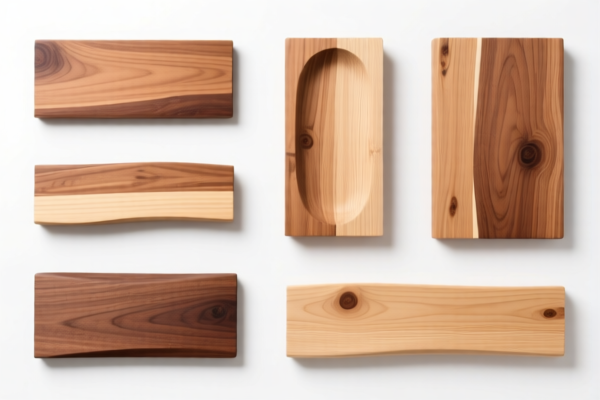
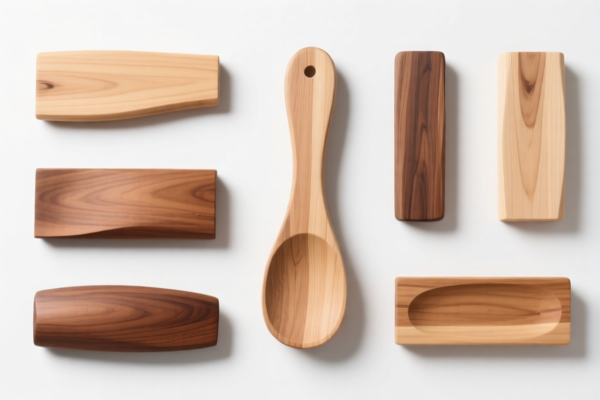
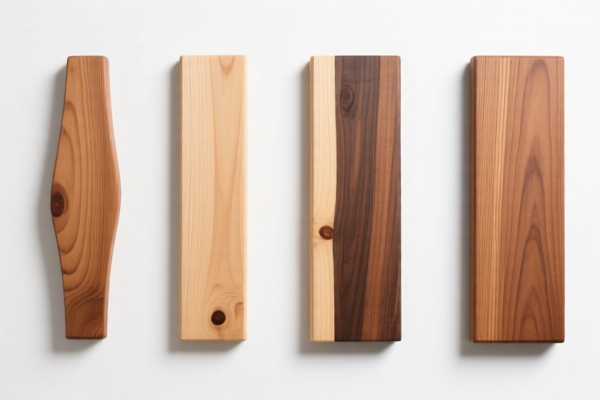
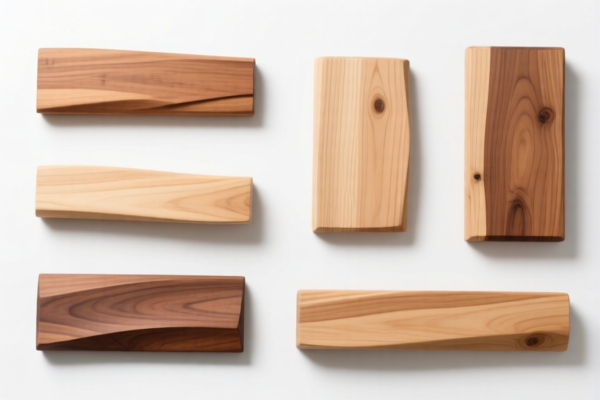
AI Analysis
🪵 Other Wood Inlay (Other Wooden Articles)
🌐 HS Code Reference & Customs Clearance Guide | 2026 Latest Tariff Analysis | Professional Clearance Strategy
📌 Part I: Product Definition & Classification: Do You Really Understand "Wood Inlay"?
"Other Wood Inlay" generally refers to small decorative wooden items, veneers, or wooden inserts that do not fall under specific categories like furniture, woodenware of a kind used for domestic purposes, or wooden parquet flooring. In international trade, these items are typically classified under Chapter 44 (Wood and articles of wood), specifically within the sub-heading 44.21 (Other articles of wood) or 44.19 (Tableware and kitchenware).
The key distinction lies in the specificity of the item: * Furniture/Structural Items: If the item is part of a larger wooden structure or furniture, it may not be "inlay." * Domestic Woodenware (4419): If the item is used for tableware or kitchenware (e.g., wooden spoons, cutting boards), it falls here. * Other Wooden Articles (4421/4420): If it is a decorative inlay, a small wooden craft, or a generic "other" wooden item not specified elsewhere, it usually falls under 4421.99 or 4420.90.
⚠️ Key Distinction Point:
- If the item is strictly for decorative inlay/veneer and not functional tableware → Go to 4421.99 or 4420.90.
- If the item is woodenware for domestic use (even if small) → Go to 4419.
- Misclassification can lead to massive tax differences (e.g., 13.2% vs. 38.3%).
📦 Part II: HS Code Classification Details (2026 Latest Tariff Authority Comparison)
Based on the provided data, here are the potential HS Codes for "Other Wood Inlay," sorted by tax efficiency and classification logic.
| HS Code | Product Description | Summary / Matching Logic | Total Tax Rate |
|---|---|---|---|
4419.19.90.00 |
Tableware/Kitchenware, Wooden, Other | Lowest Tax Match. Material is wood; "Other" matches the generic nature. Fits if the inlay has any domestic/utility function. | 13.2% |
4419.90.91.00 |
Tableware/Kitchenware, Wooden, Other | Low Tax Match. Similar to above but a different sub-code. Explicitly matches "Wooden" and "Other." | 20.7% |
4420.90.80.00 |
Wooden Statuettes/Ornaments, Other | High Tax Match. Classified under "Wooden statuettes and other ornamental articles." Matches "Wood" and "Other." | 38.2% |
4421.91.98.80 |
Other Wood Articles (Veneers/Plywood) | Highest Tax Match. Core material is wood. Classified under "Other" remaining items. | 38.3% |
4421.99.98.80 |
Other Wood Articles, Other | Highest Tax Match. Exact semantic match: "Other wooden articles." | 38.3% |
🔍 Key Insight:
- The biggest tax savings come from Class 4419. If your "Wood Inlay" can be argued as a domestic utensil or kitchen-related item, you pay 13.2% instead of 38.3%.
- If it is purely decorative (ornamental), it likely falls under 4420 or 4421, leading to ~38% tax.
- Note on "122 Section Tariff": All codes above include a 10% additional tariff under Section 122 (Trade Remedy/Countervailing duties).
💰 Part III: 2026 Latest Tariff Rate Breakdown (Including Surtaxes & Policy Add-ons)
✅ Applicable Country: United States (US)
✅ Origin: China (CN)
✅ Effective Date: From November 10, 2025 (including subsequent imports)
🎯 1. 4419.19.90.00 – Wooden Tableware/Kitchenware (Other)
| Item | Content |
|---|---|
| Base Tariff | 3.2% (ad valorem) |
| Section 301 Surtax | 0.0% (Exempt from major 301 list) |
| Section 122 Tariff | 10% (Countervailing/Trade remedy) |
| Total Tax Rate | 13.2% |
| Tax Calculation | CIF Value × 13.2% |
| De Minimis Eligibility | ❌ No (denied for Chinese origin under trade remedies) |
| Legal Basis Path | USITC:4419.19.90.00 → Section 122: 10% |
📌 Explanation:
- This is the most favorable classification if the product can be described as "woodenware" (e.g., wooden inlay tiles for kitchen counters, wooden decorative trivets).
- No 25% Section 301 tariff applies here, saving significant cost compared to other codes.
🎯 2. 4419.90.91.00 – Wooden Tableware/Kitchenware (Other)
| Item | Content |
|---|---|
| Base Tariff | 3.2% |
| Section 301 Surtax | 7.5% |
| Section 122 Tariff | 10% |
| Total Tax Rate | 20.7% |
| Tax Calculation | CIF Value × 20.7% |
| De Minimis Eligibility | ❌ No |
| Legal Basis Path | USITC:4419.90.91.00 → Section 301: 7.5% → Section 122: 10% |
📌 Note:
- Slightly higher than4419.19.90.00due to the 7.5% Section 301 add-on.
- Still much cheaper than the 38%+ categories.
🎯 3. 4420.90.80.00 – Wooden Statuettes/Ornaments (Other)
| Item | Content |
|---|---|
| Base Tariff | 3.2% |
| Section 301 Surtax | 25.0% |
| Section 122 Tariff | 10% |
| Total Tax Rate | 38.2% |
| Tax Calculation | CIF Value × 38.2% |
| De Minimis Eligibility | ❌ No |
| Legal Basis Path | USITC:4420.90.80.00 → Section 301: 25% → Section 122: 10% |
📌 Warning:
- Classified as "ornamental articles." If your "inlay" is purely decorative (e.g., wall hangings, figurines), this is likely the correct code.
- High Tax Impact: 25% Section 301 tariff is fully applied.
🎯 4. 4421.99.98.80 & 4421.91.98.80 – Other Wooden Articles
| Item | Content |
|---|---|
| Base Tariff | 3.3% |
| Section 301 Surtax | 25.0% |
| Section 122 Tariff | 10% |
| Total Tax Rate | 38.3% |
| Tax Calculation | CIF Value × 38.3% |
| De Minimis Eligibility | ❌ No |
| Legal Basis Path | USITC:4421.xx.xx.xx → Section 301: 25% → Section 122: 10% |
📌 Note:
- These are "catch-all" categories for wooden items not specified elsewhere.
- If the product is a wooden inlay strip or decorative veneer not intended for tableware, this is the default fallback.
- Highest Tax Burden: Combine of base, 25% surtax, and 10% remedial duty.
🛠️ Part IV: Practical Customs Clearance Advice (Real-World Pitfall Avoidance)
✅ 1. Document Checklist (All Required)
| Document | Must Provide | Explanation |
|---|---|---|
| ✅ Product Specification Sheet | ✔️ | Must detail: Material (Wood type), Dimensions, Usage (Decorative vs. Domestic), Finish. |
| ✅ Product Photos (Clear) | ✔️ | Show the item in context. Is it a kitchen item? A wall decoration? A craft? |
| ✅ Commercial Invoice | ✔️ | Description must match HS code logic (e.g., "Wooden Kitchen Inlay" vs. "Wooden Decorative Inlay"). |
| ✅ Packing List | ✔️ | Detail weight and volume. |
| ✅ Material Certificate | ✔️ | Proof of wood species (if exotic, may trigger CITES or additional scrutiny). |
✅ 2. Declaration Tips (Key Mantra)
🔥 “Define Use First, Classify Tax Second! ‘Kitchen’ Saves 25%!”
| Scenario | Correct Declaration | Wrong Practice |
|---|---|---|
| Wooden Inlay for Countertops/Kitchen | Use 4419.19.90.00 (13.2%) | Declare as "Decorative Item" → 38.3% |
| Wooden Decorative Wall Plaque | Use 4420.90.80.00 (38.2%) | Declare as "Tableware" → Customs Seizure/Fine |
| General Wooden Craft/Inlay | Use 4421.99.98.80 (38.3%) | Use vague terms like "Wood Parts" → Delay |
| OEM Custom Inlay | Provide Client Design Drawings | Generic description → Risk of Misclassification |
⚠️ Critical Warning:
- Do NOT declare decorative items as "tableware" to save taxes. If customs inspect and find it’s not for food/drink use, you will face fraud penalties and back taxes.
- Do NOT declare tableware as "decorative." You will overpay taxes unnecessarily.
✅ 3. Special Case Handling
| Situation | Recommendation |
|---|---|
| Is the "Inlay" a Veneer Sheet? | Check if it’s for Laminates (4412) or Furniture (4420). If generic, 4421. |
| Is it Part of a Set? | If sold with a wooden box, declare the set as the primary item. |
| Origin Labeling | Must clearly state "Made in China" on product and package. Failure can lead to additional penalties. |
| Pre-Ruling (Advance Ruling) | Highly Recommended. For large shipments, apply for an Advance Ruling from US Customs (CBP) to lock in the 13.2% rate if applicable. |
🌍 Part V: Global Market Comparison (2026 Latest)
| Country/Region | Recommended HS Code | Tariff Rate | Certification | Note |
|---|---|---|---|---|
| 🇺🇸 USA | 4419.19.90.00 (if domestic) |
13.2% | None specific | High tax (38.3%) if decorative. Section 122 applies to all. |
| 🇨🇳 China | 4419.19.90.00 / 4421.99.98.80 |
5-15% | CCC (if applicable) | Lower base tariffs. No Section 301/122 for exports. |
| 🇪🇺 EU | 4421.99.98 (NTR) |
6.8% | FSC/PEFC (Sustainability) | No surtaxes. Strict FSC certification often required. |
| 🇬🇧 UK | 4421.99.98 |
6.8% | FSC/PEFC | Post-Brexit rules apply. Similar to EU. |
| 🇦🇺 Australia | 4421.99.98 |
5% | FSC | Low tariff. No major surtaxes. |
📌 Conclusion:
- USA is the most expensive market for wooden goods due to Section 301 and Section 122 tariffs.
- Strategy: If possible, redefine the product’s use as "domestic/tableware" to access the 13.2% rate. If it’s purely decorative, accept the 38.3% rate or consider alternative markets (EU/AU) for better margins.
📌 Part VI: Common Errors & Pitfalls (Lessons Learned)
❌ Error 1: Declaring a "Decorative Wooden Inlay" as "Wooden Spoon" or "Cutting Board" to save tax.
👉 Consequence: Customs Audit & Fraud Penalties. CBP uses AI and physical inspections to detect misuse of 4419 codes for non-domestic items.
❌ Error 2: Ignoring Section 122 Tariff.
👉 Consequence: Even if you get the base rate right, missing the 10% Section 122 duty leads to short payments and seizure.
❌ Error 3: Vague Description "Wood Parts."
👉 Consequence: Customs Delay. CBP will request more info, holding your cargo for weeks, incurring demurrage fees.
❌ Error 4: Not Marking "Made in China."
👉 Consequence: Detention & Return. US law requires strict country-of-origin marking.
✅ Correct Practice:
"Wooden Kitchen Backsplash Inlay Tiles, 3x3 inch, Decorative Veneer for Countertop, FSC Certified, Made in China"
🎯 Part VII: Conclusion: Professional Declaration, Save Cost, Smooth Clearance!
🎯 Remember the Mantra:
🔹 "Use Determines Code: Kitchen (13.2%) vs. Decor (38.3%)!"
🔹 "Section 122 Adds 10% Everywhere!"
🔹 "Don’t Guess the HS Code, Get a Pre-Ruling!"
📌 Pro Tip:
If your "Wood Inlay" is not for domestic use, consider:
1. Product Redesign: Can it be marketed as a "Wooden Trivet" or "Kitchen Mat"? This moves it to 4419.
2. Pre-Ruling: Submit a Binding Ruling Request to US CBP with product photos and specs to get a legal determination on the 13.2% vs. 38.3% rate.
📣 Immediate Action:
📞 Contact a Licensed Customs Broker + Provide Product Photos + Request HS Code Pre-Ruling
🚀 Ensure Your Wood Inlay Cleares US Customs Smoothly, Compliantly, and Profitably!
✨ Professional Clearance Starts with Accurate Classification!
💼 Every Percent of Tax Saved is Pure Profit!
Customer Reviews
About HS Code Classification
The Harmonized System (HS) is an internationally standardized nomenclature developed by the World Customs Organization (WCO) to classify traded products. Over 200 countries use the HS system as the basis for customs tariffs, trade statistics, and import/export regulations.
Each HS code follows a hierarchical structure:
- Chapter (2 digits) — Broad category of goods (e.g., Chapter 84: Machinery and Mechanical Appliances)
- Heading (4 digits) — More specific grouping within the chapter
- Subheading (6 digits) — Internationally standardized breakdown, used by all WCO member countries
- National subdivisions (8-10 digits) — Country-specific extensions for further classification, such as US HTSUS 10-digit codes
Correct HS code classification is essential for smooth customs clearance, accurate duty payment, and compliance with trade regulations. Misclassification can lead to customs delays, overpayment of duties, or penalties.
When importing from CN to US, the applicable tariff rates may include:
- Most-Favored-Nation (MFN) rate — The standard duty rate applied to WTO members
- General rate — Applied to countries without trade agreements
- Trade remedy duties — Additional tariffs such as Section 301 (anti-dumping), Section 232 (national security), or countervailing duties
The information provided on this page is for reference purposes only. For official classification, please consult with your local customs authority or a licensed customs broker.