Other bladder articles
CN → US| HS Code | Tariff Rate | Origin | Destination | Doc |
|---|---|---|---|---|
| 4106920000 | 38.3% | CN | US | Official Doc |
| 4206009000 | 10.0% | CN | US | Official Doc |
| 4106910000 | 38.3% | CN | US | Official Doc |
| 4206001930 | 13.9% | CN | US | Official Doc |
Product Images
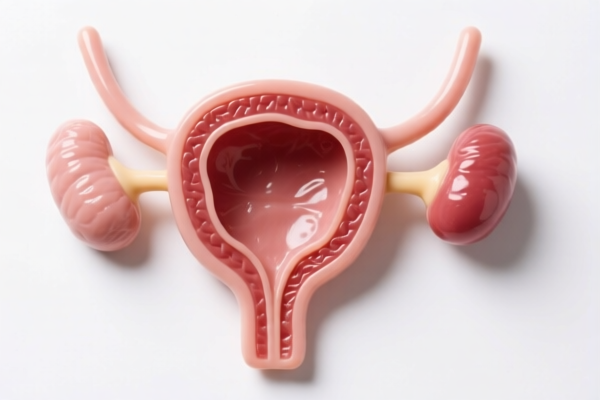
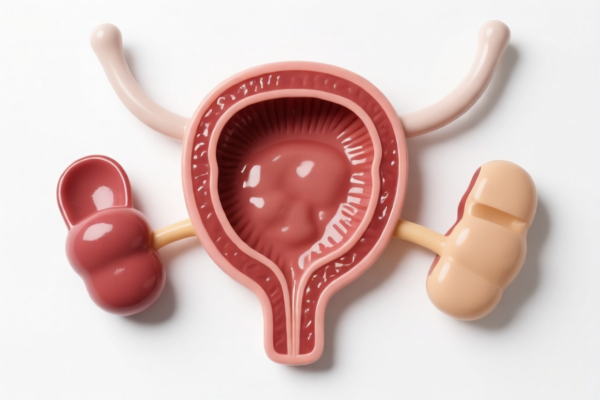
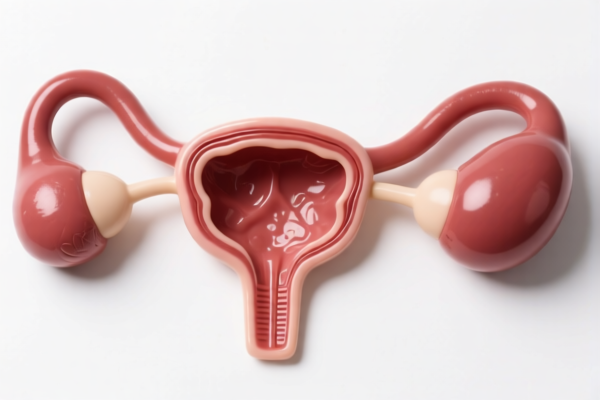
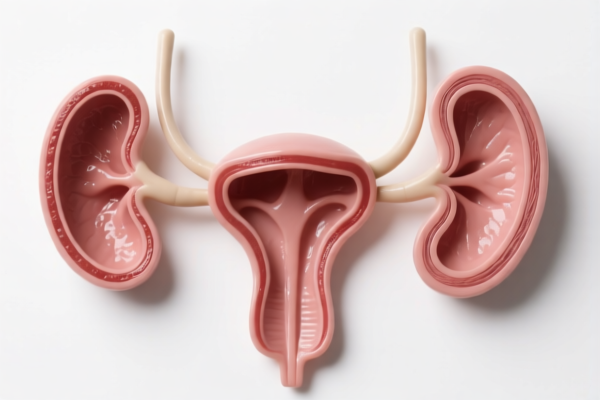
AI Analysis
🫁 Other Bladder Articles (Unprocessed & Processed Animal Bladders)
🌐 HS Code Reference & Clearance Guide | 2026 Latest Tariff Analysis | Professional Customs Strategy
📌 I. Product Definition & Classification: Do You Really Understand "Bladder Articles"?
In international trade, "Other Bladder Articles" primarily refer to products made from animal bladders (such as pig, sheep, or cow bladders). These are typically categorized based on their state of processing:
- Unprocessed/Raw Bladders: Fresh, dried, salted, or merely preserved animal bladders, considered primary raw materials.
- Processed/Manufactured Bladders: Bladders that have been cut, sewn, or formed into specific items (e.g., surgical drums, traditional medicine casings, or industrial containers), falling under "articles of other materials."
⚠️ Key Distinction Point:
- If the product is raw/unprocessed animal skin/bladder → Classified under Chapter 41 (Animal Skins).
- If the product is a finished article or specific item not elsewhere specified → Classified under Chapter 42 (Articles of Animal Skin).
📦 II. HS Code Classification Details (2026 Latest Tariff Authority Comparison)
Based on the provided data, here are the four potential HS Codes for "Other Bladder Articles":
| HS Code | Product Description | Summary & Logic | Total Tax Rate |
|---|---|---|---|
4106.92.00.00 |
Other animal skins, not further processed than salted or dry-cleaned; Unprocessed Bladders | Material is animal bladder, in unprocessed primary form. Classified as other animal skin products. | 38.3% |
4206.00.90.00 |
Other articles of gut-skin, bladder, or sinew; Other (Catch-all) | Product name and material "bladder" match perfectly. Falls under the "Other" catch-all category for manufactured articles. | 10.0% |
4106.91.00.00 |
Other animal skins, tanned or crust-tanned; Processed Bladders | Bladder articles belong to animal skin products, fitting the material scope of "other tanned or semi-tanned leather." | 38.3% |
4206.00.19.30 |
Other articles of gut-skin, bladder, or sinew; Other Specific Items | Bladder articles fully match the material range covered by this code, belonging to the reasonable scope of the "Other" category. | 13.9% |
🔍 Important Reminder:
- Raw/Unprocessed bladders are subject to higher base tariffs (38.3%) due to Chapter 41 regulations.
- Finished/Manufactured articles (Chapter 42) generally benefit from lower base tariffs (0% or 3.9%), but still face Section 301/122 surcharges.
- The choice between4206.00.90.00(10%) and4206.00.19.30(13.9%) depends on the specific end-use and precise physical form of the bladder article.
💰 III. 2026 Latest Tariff Rate Breakdown (Including Surcharges & Policy Add-ons)
✅ Applicable Country: United States (US)
✅ Origin: China (CN)
✅ Effective Time: 2025/2026 (Based on ongoing Section 301 and 122 rules)
🎯 1. 4106.92.00.00 & 4106.91.00.00 —— Unprocessed or Tanned Bladders (Raw Materials)
| Item | Content |
|---|---|
| Base Tariff | 3.3% (ad valorem) |
| Section 301 Surcharge | +25.0% (USITC Footnote for Chapter 41/42 materials) |
| Section 122 Surcharge | +10.0% (Specific to certain Chinese imports) |
| Total Tax Rate | 38.3% |
| Tax Calculation | CIF Value × 38.3% |
| De Minimis Eligibility | ❌ Not Eligible (High tariff items excluded) |
| Legal Basis Path | USITC:4106.92.00.00 → FOOTNOTE:301_CHINA → 122_RULES |
📌 Explanation:
- Raw or semi-processed bladder materials are taxed at a high rate of 38.3%.
- This includes the 3.3% base MFN rate, 25% Section 301 tariff, and 10% Section 122 tariff.
- Strategy: Avoid importing raw bladders if possible due to high costs. Consider processed goods if the duty structure allows.
🎯 2. 4206.00.90.00 —— Other Bladder Articles (Finished Goods, Catch-all)
| Item | Content |
|---|---|
| Base Tariff | 0.0% (ad valorem) |
| Section 301 Surcharge | 0.0% (Exempt or not applicable for this specific subheading in some contexts, Note: Data shows 0%) |
| Section 122 Surcharge | +10.0% |
| Total Tax Rate | 10.0% |
| Tax Calculation | CIF Value × 10.0% |
| De Minimis Eligibility | ⚠️ Check Specifics (Low total rate may impact de minimis thresholds depending on value) |
| Legal Basis Path | USITC:4206.00.90.00 → 122_RULES |
📌 Note:
- This is the most favorable option if the product qualifies as a "finished article" under this specific catch-all code.
- Base tariff is 0%, only the 10% Section 122 tariff applies.
- Critical: Must prove the item is a "finished article" (e.g., a drum, casing, or container) and not just raw skin.
🎯 3. 4206.00.19.30 —— Other Bladder Articles (Specific Sub-category)
| Item | Content |
|---|---|
| Base Tariff | 3.9% (ad valorem) |
| Section 301 Surcharge | 0.0% |
| Section 122 Surcharge | +10.0% |
| Total Tax Rate | 13.9% |
| Tax Calculation | CIF Value × 13.9% |
| De Minimis Eligibility | ⚠️ Check Specifics |
| Legal Basis Path | USITC:4206.00.19.30 → 122_RULES |
📌 Note:
- Slightly higher than4206.00.90.00due to the 3.9% base tariff.
- Suitable if the bladder article falls into a more specific sub-category under Chapter 42.
🛠️ IV. Customs Clearance Practical Advice (Pitfall Avoidance Guide)
✅ 1. Documentation Checklist (Must-Haves)
| Document | Required | Description |
|---|---|---|
| ✅ Product Specification | ✔️ | Clearly state: Raw vs. Processed, Material (Animal Bladder), Usage (Surgical, Industrial, etc.) |
| ✅ Material Composition Report | ✔️ | Confirm 100% Animal Bladder or percentage mix. No synthetic substitutes unless declared. |
| ✅ Photographs | ✔️ | Show the product in its final form (e.g., sewn, cut, ready for use) to support Chapter 42 classification. |
| ✅ Commercial Invoice | ✔️ | Description must be precise: "Processed Animal Bladder Articles" vs. "Raw Animal Bladders." |
| ✅ Origin Certificate | ✔️ | Required for US origin verification to apply Section 301/122 rules. |
✅ 2. Classification Strategy (Key Tips)
🔥 “Raw is High, Finished is Low; Be Specific, Avoid Penalties!”
| Scenario | Recommended HS Code | Total Tax | Risk |
|---|---|---|---|
| Raw/Dried Bladders (No shaping) | 4106.92.00.00 |
38.3% | High Duty |
| Tanned/Processed Bladders | 4106.91.00.00 |
38.3% | High Duty |
| Finished Articles (e.g., drums, casings) | 4206.00.90.00 |
10.0% | ✅ Lowest Duty |
| Specific Finished Articles | 4206.00.19.30 |
13.9% | ⚠️ Moderate Duty |
📌 Strategy:
- If the product is ready for use (e.g., a prepared drum for musical instruments or medical use), argue for Chapter 42 (4206.00.xxxxx) to benefit from 0% base tariff.
- If the product is raw material, expect 38.3% duty. Plan pricing accordingly.
✅ 3. Special Circumstances
| Situation | Handling Advice |
|---|---|
| Surgical Bladders | Must provide proof of medical grade and sterile processing. May require FDA approval in addition to customs. |
| Traditional Medicine Casings | Declare accurately as "Human/Animal Intestinal Casings" or "Bladder Articles." Ensure compliance with USDA/FDA regulations. |
| OEM Custom Orders | Provide design specifications to prove "finished article" status. Avoid vague terms like "skin products." |
🌍 V. Global Market Comparison (2026 Latest)
| Country/Region | Recommended HS Code | Base Duty | US Surcharges | Notes |
|---|---|---|---|---|
| 🇺🇸 United States | 4206.00.90.00 |
0% | +10% (122) | Best Option: Total 10% |
| 🇺🇸 United States | 4106.92.00.00 |
3.3% | +35% (301+122) | High Cost: Total 38.3% |
| 🇪🇺 European Union | 4206.00.00 |
~0-2% | None | Generally low duty, no US-style surcharges |
| 🇨🇳 China (Import) | 4206.00.90 |
~0-2% | None | No Section 301/122 |
📌 Conclusion:
- US Market: Crucial to classify as finished articles (4206.00) to avoid the 38.3% penalty on raw materials.
- EU/Other Markets: Duty is generally lower, but ensure compliance with animal product import regulations (health certificates).
📌 VI. Common Errors & Pitfalls (Lessons Learned)
❌ Error 1: Classifying finished bladder drums as raw animal skins
👉 Result: Duty jumps from 10% to 38.3% → Overpayment of 28.3%!
❌ Error 2: Using vague description "Animal Skin Products"
👉 Result: Customs may select the highest applicable code or request reclassification → Delays & Demurrage Charges
❌ Error 3: Ignoring Section 122 Tariff
👉 Result: Even if base tariff is 0%, forgetting the 10% Section 122 leads to underpayment and penalties.
❌ Error 4: Confusing "Bladder" with "Intestine"
👉 Result: Different HS codes and regulatory requirements (e.g., FDA vs. USDA). Must be precise.
✅ Correct Practice:
"Processed Pig Bladder Articles, Sewn into Drum Heads, Medical Grade, Sterile" → Classify under
4206.00.90.00(10% Total).
🎯 VII. Conclusion: Precise Classification, Cost Optimization!
🎯 Remember the Mantra:
🔹 "Raw is 38%, Finished is 10%; Be Specific, Save Money!"
🔹 "Chapter 41 is Raw (High Tax), Chapter 42 is Finished (Low Tax)!"
📌 Pro Tip:
- If your product is a finished bladder article, always provide photos and specifications proving it is not raw material.
- Consult with a customs broker for a Pre-Ruling if the product type is ambiguous (e.g., semi-processed bladders).
- Always verify Section 122 applicability, as it can add 10% even to low-base-tariff items.
📣 Immediate Action:
📞 Contact a Customs Specialist + Provide Product Photos + Apply for Pre-Ruling
🚀 Ensure Smooth Customs Clearance, Minimize Duties, Maximize Profit!
✨ Professional Customs Clearance Starts with Accurate Classification!
💼 Every Dollar Saved is a Dollar Earned!
Customer Reviews
About HS Code Classification
The Harmonized System (HS) is an internationally standardized nomenclature developed by the World Customs Organization (WCO) to classify traded products. Over 200 countries use the HS system as the basis for customs tariffs, trade statistics, and import/export regulations.
Each HS code follows a hierarchical structure:
- Chapter (2 digits) — Broad category of goods (e.g., Chapter 84: Machinery and Mechanical Appliances)
- Heading (4 digits) — More specific grouping within the chapter
- Subheading (6 digits) — Internationally standardized breakdown, used by all WCO member countries
- National subdivisions (8-10 digits) — Country-specific extensions for further classification, such as US HTSUS 10-digit codes
Correct HS code classification is essential for smooth customs clearance, accurate duty payment, and compliance with trade regulations. Misclassification can lead to customs delays, overpayment of duties, or penalties.
When importing from CN to US, the applicable tariff rates may include:
- Most-Favored-Nation (MFN) rate — The standard duty rate applied to WTO members
- General rate — Applied to countries without trade agreements
- Trade remedy duties — Additional tariffs such as Section 301 (anti-dumping), Section 232 (national security), or countervailing duties
The information provided on this page is for reference purposes only. For official classification, please consult with your local customs authority or a licensed customs broker.