Other dehaired tanned animal leather, patterned leather models
CN → US| HS Code | Tariff Rate | Origin | Destination | Doc |
|---|---|---|---|---|
| 4205006000 | 39.9% | CN | US | Official Doc |
| 4107994000 | 12.5% | CN | US | Official Doc |
| 4205008000 | 35.0% | CN | US | Official Doc |
| 4107998000 | 12.4% | CN | US | Official Doc |
Product Images
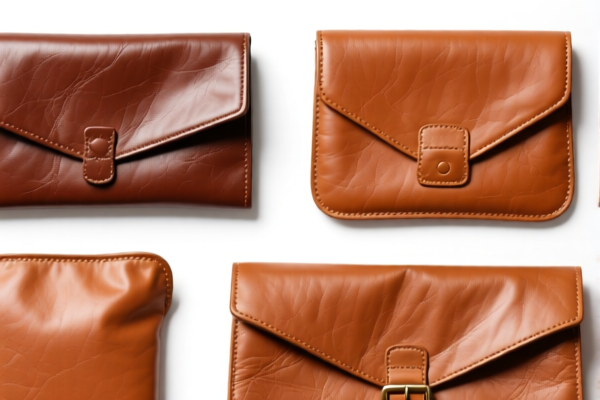
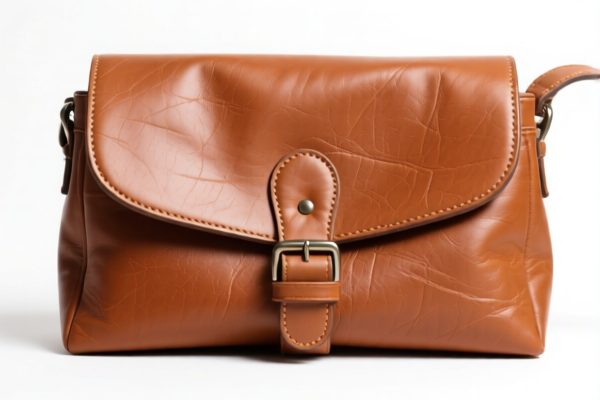
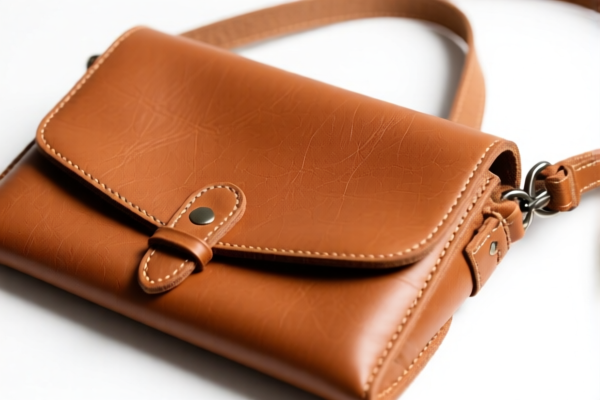
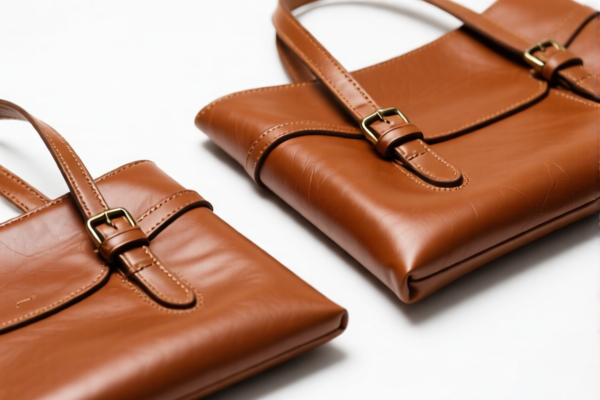
AI Analysis
🐂 Other Dehaired Tanned Animal Leather, Patterned Leather Models
🌐 HS Code Reference & Customs Clearance Guide | 2026 Latest Tariff Analysis | Professional Import Strategy
📌 I. Product Definition & Classification: Do You Really Understand "Patterned Tanned Leather"?
"Other dehaired tanned animal leather, patterned leather models" refers to animal hides or skins that have undergone tanning to prevent decay, with the hair removed (dehaired), and which possess specific surface textures, grains, or designs (patterned). Unlike smooth, plain-grain leather, these models often feature embossed, stamped, or naturally varied textures suitable for high-end fashion goods, luxury accessories, automotive interiors, and upholstery.
In international trade, classification is critical because patterned leather often falls under different sub-headings than plain leather, impacting both duty rates and regulatory requirements.
⚠️ Key Distinction:
- If the leather is processed into specific articles (e.g., gloves, belts, jackets) → It is classified as Leather Articles (Chapter 42).
- If the leather is still in the form of hides/skins (raw or semi-finished) → It is classified as Tanned Leather (Chapter 41).
- "Patterned" vs. "Plain": Many patterned leathers fall under specific "other" sub-headings within Chapter 41, while others might still be considered general "other tanned leather" depending on the degree of processing.
📦 II. HS Code Classification Details (2026 Latest Tariff Authority Comparison)
Based on the provided data, there are four potential HS Codes for this product description. The classification depends on whether the item is considered a raw material (tanned leather) or a finished article (leather product).
| HS Code | Product Description (Summary) | Classification Logic | Total Tax Rate (China Origin → US) |
|---|---|---|---|
4205.00.60.00 |
Other tanned leather articles; patterned leather models classified as Other Leather Articles | ✅ Finished Product: The leather has been cut, stitched, or manufactured into a specific item (e.g., a bag, belt, or glove). | 39.9% |
4107.99.40.00 |
Other dehaired tanned animal leather; patterned leather models classified as Other Tanned Leather | ✅ Raw/Semi-Finished: The leather is tanned and patterned but not yet made into a specific article. It falls under "other" tanned leathers of bovine/Equidae. | 12.5% |
4205.00.80.00 |
Other tanned leather articles; patterned leather models classified as Other Leather Articles | ✅ Finished Product: Similar to 4205.00.60.00, but potentially different sub-category for "other" leather articles not specified elsewhere. |
35.0% |
4107.99.80.00 |
Other dehaired tanned animal leather; patterned leather models classified as Patterned Leather | ✅ Raw/Semi-Finished: Specifically identified as "patterned leather" (often embossed or specially treated surface) in its raw/hide form. | 12.4% |
🔍 Key Clarification:
- Chapter 41 (4107...) covers tanned leather hides and skins (the material itself).
- Chapter 42 (4205...) covers articles of leather (the manufactured product).
- Patterned Leather (4107.99.80.00) often has a slightly lower base duty than other "other" tanned leathers (4107.99.40.00) due to specific trade definitions, but both are raw materials.
- Leather Articles (4205...) are subject to significantly higher duties because they are finished goods.
💰 III. 2026 Latest Tariff Rate Breakdown (Including Surtaxes & Policy Surcharges)
✅ Applicable Country: United States (US)
✅ Country of Origin: China (CN)
✅ Effective Date: November 10, 2025 (and subsequent imports)
🎯 1. 4107.99.40.00 & 4107.99.80.00 —— Tanned Leather (Raw Material)
| Item | Content |
|---|---|
| Base Tariff | 2.4% - 2.5% (Ad Valorem) |
| USITC Surtax (Section 301) | +0.0% (Note: Many tanned leather products are excluded or have lower rates in Section 301) |
| IEEPA Surtax (Section 122) | +10% (Targeting Chinese products, effective Nov 10, 2025) |
| Total Effective Rate | 12.4% - 12.5% |
| Tax Calculation | CIF Value × 12.4%/12.5% |
| De Minimis Eligibility | ❌ No (High value goods typically excluded; verify per shipment value) |
| Legal Path | IEEPA:122 → USITC:4107.99.40.00 / 4107.99.80.00 |
📌 Explanation:
- These codes are for tanned leather skins/hides.
- Section 301 Surtax is 0%, which is a significant advantage for raw material imports.
- However, the 10% IEEPA surtax still applies.
- Difference between .40 and .80:.80is specifically for "patterned leather" (embossed/textured), while.40is "other" tanned leather. The base rate is nearly identical.
🎯 2. 4205.00.60.00 & 4205.00.80.00 —— Leather Articles (Finished Products)
| Item | Content |
|---|---|
| Base Tariff | 0.0% - 4.9% (Varies by specific article type) |
| USITC Surtax (Section 301) | +25.0% (Standard Section 301 surtax for many consumer goods) |
| IEEPA Surtax (Section 122) | +10% (Targeting Chinese products, effective Nov 10, 2025) |
| Total Effective Rate | 35.0% - 39.9% |
| Tax Calculation | CIF Value × 35.0%/39.9% |
| De Minimis Eligibility | ❌ No |
| Legal Path | IEEPA:122 → USITC:4205.00.60.00 / 4205.00.80.00 → FOOTNOTE:301 |
📌 Explanation:
- These codes are for finished leather goods (e.g., bags, wallets, belts).
- Section 301 Surtax is 25%, which is a major cost driver.
- Base rates vary:.60has a 4.9% base rate, while.80has 0.0%.
- Total Cost is High: Importing finished leather goods from China to the US is significantly more expensive than raw leather due to the 25% Section 301 tariff.
🛠️ IV. Customs Clearance Practical Advice (Pitfall Avoidance Guide)
✅ 1. Documentation Checklist (Missing Docs = Delays)
| Document | Required | Notes |
|---|---|---|
| ✅ Commercial Invoice | ✔️ | Must clearly state "Tanned Leather" or "Leather Article" and HS Code. |
| ✅ Packing List | ✔️ | Detail weight, volume, and number of hides/packages. |
| ✅ Certificate of Origin (CO) | ✔️ | To confirm China origin (triggers IEEPA 10%). |
| ✅ Product Photos | ✔️ | Show the pattern/texture clearly. Critical for distinguishing 4107.99.80.00 (patterned) from 4107.99.40.00 (other). |
| ✅ Tanning Process Description | ✔️ | For raw leather: Specify vegetable, chrome, or other tanning agents. |
| ✅ Bill of Lading/Air Waybill | ✔️ | Standard shipping docs. |
✅ 2. Declaration Tips (Key Mnemonics)
🔥 "Raw Leather = Chapter 41; Finished Goods = Chapter 42; Patterned Matters!"
| Scenario | Correct HS Code | Wrong Code | Consequence |
|---|---|---|---|
| Importing rolls/sheets of tanned, textured leather | 4107.99.80.00 (Patterned) or 4107.99.40.00 (Other) |
4205.00.60.00 |
Overpayment: 39.9% vs 12.4%. Huge cost increase! |
| Importing finished leather handbags | 4205.00.60.00 or 4205.00.80.00 |
4107.99.40.00 |
Underpayment: 12.5% vs 39.9%. Risk of penalty + back taxes. |
| Importing leather belts | 4205.00.60.00 |
4107.99.40.00 |
Penalty: Belts are finished articles, not raw leather. |
| Unspecified "Leather" | ❌ Avoid | Use generic term | Audit Risk: CBP will classify incorrectly, likely at the highest rate. |
✅ 3. Special Cases
| Scenario | Handling Advice |
|---|---|
| Embossed vs. Natural Pattern | If the pattern is embossed (mechanically created), it may still be 4107.99.80.00. If it is natural grain, it may fall under 4107.99.40.00. Be precise in description. |
| Mixed Shipments (Raw + Finished) | Separate Entries: Declare raw leather under Chapter 41 and finished goods under Chapter 42. Do not combine. |
| OEM Custom Leather | Provide design specs. If it’s a specific article (e.g., "custom shoe uppers"), it may be classified as an article (4205), not raw leather. |
| Re-exported Leather | If the leather was imported raw, processed in a third country, and then shipped to the US, the origin may change. Verify with a trade specialist. |
🌍 V. Global Market Comparison (2026 Latest)
| Country/Region | Recommended HS Code | Tariff (China Origin) | Certification Requirements | Notes |
|---|---|---|---|---|
| 🇺🇸 USA | 4107.99.80.00 (Raw) / 4205.00.60.00 (Article) |
12.4% (Raw) / 39.9% (Article) | No specific certification for leather, but EPA/VOC rules may apply. | High duty on finished goods. |
| 🇨🇳 China | 4107.99.80.00 |
Low (Check local rate) | China RoHS (if applicable) | Often lower duties for raw materials. |
| 🇪🇺 EU | 4107.99.80.00 |
0% (if no anti-dumping) | REACH Compliance (chemicals in tanning) | Strict chemical regulations. |
| 🇯🇵 Japan | 4107.99.80.00 |
0% (if FTA) | JIS Standards | Consider CEPA for reduced tariffs. |
📌 Conclusion:
- USA is the most expensive market for finished leather articles due to the 25% Section 301 surtax.
- Raw leather is relatively cheaper (12.4%) but still subject to the 10% IEEPA surtax.
- EU and Japan may offer better opportunities for finished goods if chemical compliance (REACH/JIS) is met.
📌 VI. Common Mistakes & Pitfalls (Lessons Learned)
❌ Mistake 1: Declaring finished leather bags as raw leather (4107...) to avoid the 25% Section 301 tariff.
👉 Consequence: CBP audit, seizure of goods, heavy fines, and loss of import privileges.
❌ Mistake 2: Not specifying "Patterned" in the description.
👉 Consequence: CBP may classify under 4107.99.40.00 or higher, leading to delays in clearance.
❌ Mistake 3: Assuming all leather is subject to the same Section 301 rate.
👉 Consequence: Raw leather (4107) often has a 0% Section 301 rate, while articles (4205) have 25%. Misclassification leads to massive cost differences.
❌ Mistake 4: Ignoring Chemical Compliance (REACH, Prop 65).
👉 Consequence: Goods rejected at border if tanning chemicals exceed allowable limits.
✅ Correct Practice:
"Tanned Bovine Leather, Dehaired, Embossed Grain Pattern, 2.0mm Thickness, Raw Hides, HS Code 4107.99.80.00"
OR
"Leather Handbag, Full Grain, Embossed Pattern, Made in China, HS Code 4205.00.60.00"
🎯 VII. Conclusion: Professional Classification, Cost Efficiency, Risk Mitigation!
🎯 Remember the Mnemonic:
🔹 "Raw Leather = Ch. 41 = 12.4%; Finished Goods = Ch. 42 = 35%+; Patterned = Specific Sub-heading!"
🔹 "HS Code Determines Duty, 25% Difference is Critical, Misclassification Costs Thousands!"
📌 Pro Tip:
If your leather is not of Chinese origin (e.g., from Italy, Brazil, or Argentina), you may avoid the 10% IEEPA surtax and potentially the 25% Section 301 surtax (if eligible under FTA or general rates).
Recommendation: Always apply for a Customs Ruling (Advance Ruling) before shipping high-value leather goods to the US to ensure correct classification and duty calculation.
📣 Immediate Action:
📞 Consult a licensed customs broker + Provide Product Samples/Photos + Request HS Code Pre-Ruling
🚀 Ensure your leather shipments clear customs smoothly, avoid penalties, and maximize profit margins!
✨ Professional Clearance Starts with Accurate Classification!
💼 Every Percent of Duty Counts!
Customer Reviews
About HS Code Classification
The Harmonized System (HS) is an internationally standardized nomenclature developed by the World Customs Organization (WCO) to classify traded products. Over 200 countries use the HS system as the basis for customs tariffs, trade statistics, and import/export regulations.
Each HS code follows a hierarchical structure:
- Chapter (2 digits) — Broad category of goods (e.g., Chapter 84: Machinery and Mechanical Appliances)
- Heading (4 digits) — More specific grouping within the chapter
- Subheading (6 digits) — Internationally standardized breakdown, used by all WCO member countries
- National subdivisions (8-10 digits) — Country-specific extensions for further classification, such as US HTSUS 10-digit codes
Correct HS code classification is essential for smooth customs clearance, accurate duty payment, and compliance with trade regulations. Misclassification can lead to customs delays, overpayment of duties, or penalties.
When importing from CN to US, the applicable tariff rates may include:
- Most-Favored-Nation (MFN) rate — The standard duty rate applied to WTO members
- General rate — Applied to countries without trade agreements
- Trade remedy duties — Additional tariffs such as Section 301 (anti-dumping), Section 232 (national security), or countervailing duties
The information provided on this page is for reference purposes only. For official classification, please consult with your local customs authority or a licensed customs broker.