Other dehaired tanned animal leather, patterned leather rolls
CN → US| HS Code | Tariff Rate | Origin | Destination | Doc |
|---|---|---|---|---|
| 4205006000 | 39.9% | CN | US | Official Doc |
| 4107994000 | 12.5% | CN | US | Official Doc |
| 4205008000 | 35.0% | CN | US | Official Doc |
| 4107998000 | 12.4% | CN | US | Official Doc |
| 4107994000 | 12.5% | CN | US | Official Doc |
Product Images
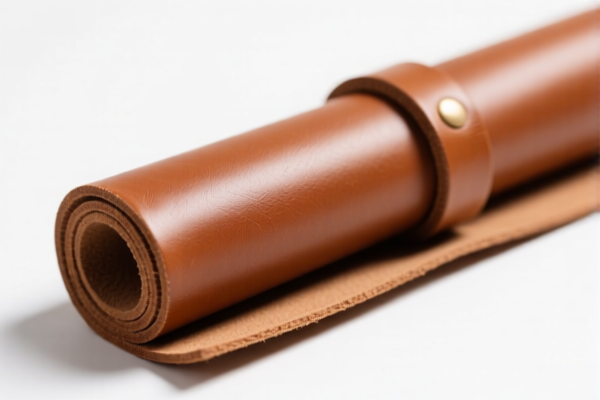
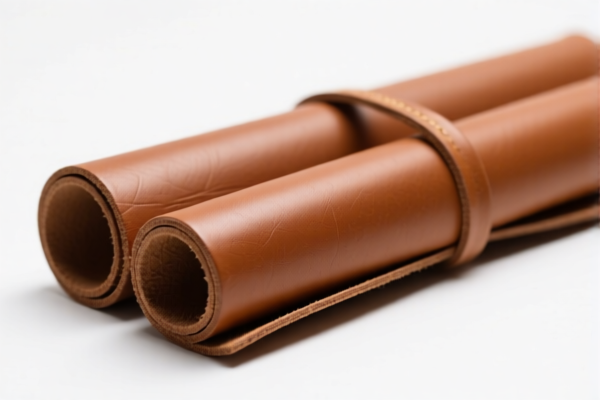
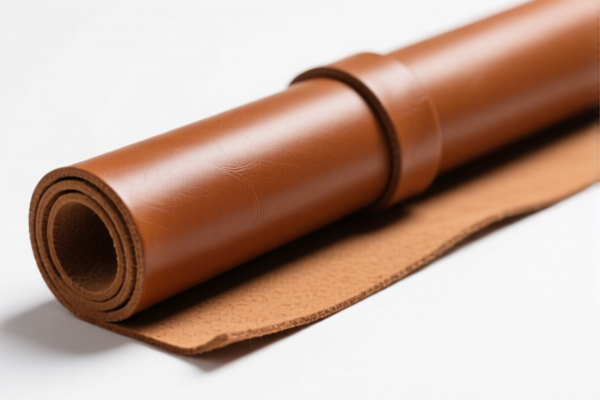
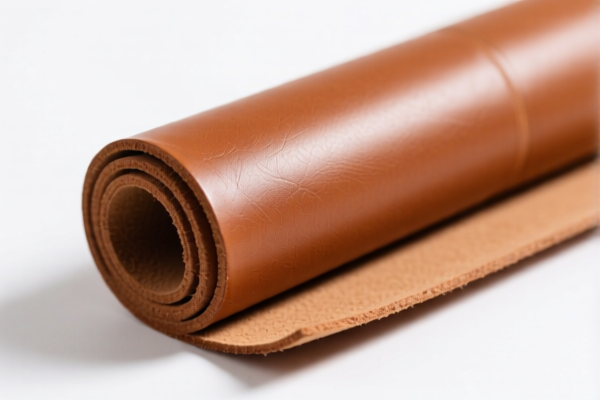
AI Analysis
🐄 Other Dehaired Tanned Animal Leather (Patterned Leather Rolls)
🌐 HS Code Reference & Customs Clearance Guide | 2026 Latest Tariff Analysis | Professional Clearance Strategy
📌 Part 1: Product Definition and Classification: Do You Really Understand "Patterned Tanned Leather"?
Other dehaired tanned animal leather, specifically in patterned rolls, is a versatile raw material used in high-end fashion, footwear, luggage, and automotive interiors. In international trade, the classification depends heavily on whether it is classified as a raw material (Chapter 41) or a semi-finished/finished product (Chapter 42).
The Critical Distinction: * Chapter 41 (Leather in the Raw State): Includes tanned leather that has not been made up into articles (e.g., bolts of skin). If it is merely "tanned and patterned" but remains as sheets/rolls ready for cutting, it often falls here. * Chapter 42 (Articles of Leather): Includes leather items that have undergone further processing, such as specific modeling, stamping, or preparation that gives them the specific attributes of a leather article (e.g., pre-cut shapes for bags or specialized technical leather products).
⚠️ Key Classification Point:
- If the leather is simply tanned and patterned (embossed/textured) but remains as standard hides/skins/rolls → It generally falls under 4107 (Chapter 41).
- If the leather has been modeled, stamped, or processed to fit a specific article's attributes (even if not fully assembled) → It may fall under 4205 (Chapter 42).
📦 Part 2: HS Code Classification Details (2026 Latest Tariff Authority对照)
Based on the provided data, here are the five specific HS Codes and their corresponding tax implications for "Other dehaired tanned animal leather, patterned leather rolls":
| HS Code | Product Description | Applicable Scenario | Tax Classification Logic |
|---|---|---|---|
4205.00.60.00 |
Other animal tanned leather (dehaired), patterned leather models, conforming to leather article attributes | Specialty leather goods, pre-shaped leather parts for bags/wallets | High Tariff: 39.9% (High Additional Duties) |
4107.99.40.00 |
Other animal tanned leather (dehaired), patterned leather models, classified as "Other" tanned leather | Standard patterned hides/rolls, n.e.s. (not elsewhere specified) | Low Tariff: 12.5% (Standard Duty) |
4205.00.80.00 |
Other animal tanned leather (dehaired), patterned leather models, falling under other leather article categories | Miscellaneous leather articles, unlisted specific uses | Medium-High Tariff: 35.0% (High Additional Duties) |
4107.99.80.00 |
Other animal tanned leather (dehaired), patterned leather models, highly consistent with patterned leather classification | Patterned leather rolls, generic patterned surfaces | Low Tariff: 12.4% (Standard Duty) |
4107.99.40.00 |
Other animal tanned leather (dehaired), patterned leather models, determined based on "Other/n.e.s." category | General purpose patterned leather, no specific article attribute | Low Tariff: 12.5% (Standard Duty) |
🔍 Key Takeaway:
- Chapter 41 Codes (4107.99.40.00&4107.99.80.00): Lower total tax rates (12.4%–12.5%). These apply if the product is considered raw material (tanned leather rolls/skins).
- Chapter 42 Codes (4205.00.60.00&4205.00.80.00): Higher total tax rates (35.0%–39.9%). These apply if the product is considered a leather article or semi-finished good with specific attributes.
- Critical Decision: Properly declaring the product as "Tanned Leather" (Ch. 41) vs. "Leather Article" (Ch. 42) can save 25%+ in tariffs.
💰 Part 3: 2026 Latest Tariff Rate Breakdown (Including Additional Duties & Policy Surcharges)
✅ Applicable Country: United States (US)
✅ Origin: China (CN)
✅ Effective Date: 2025/2026 (Including subsequent imports)
🎯 1. 4205.00.60.00 — Patterned Leather Models (Leather Article Attributes)
| Item | Details |
|---|---|
| Basic Tariff | 4.9% (ad valorem) |
| Additional Duty | +25.0% (Section 301 / USITC Footnote) |
| 122 Clause Tariff | +10.0% (Specific policy surcharge) |
| Total Tariff Rate | 39.9% |
| Tax Calculation | CIF Value × 39.9% |
| De Minimis Exemption | ❌ Not Eligible |
| Legal Basis Path | Section 301: 4205.00.60.00 → 122 Clause: 10% → Base: 4.9% |
📌 Explanation:
- This code is taxed heavily because it is viewed as a processed leather article rather than raw material.
- The 25% Section 301 duty and 10% 122 Clause duty are cumulative.
- Total 39.9% is extremely high. Must declare carefully to avoid if possible.
🎯 2. 4107.99.40.00 — Other Tanned Leather (n.e.s. / Patterned)
| Item | Details |
|---|---|
| Basic Tariff | 2.5% (ad valorem) |
| Additional Duty | 0.0% |
| 122 Clause Tariff | +10.0% |
| Total Tariff Rate | 12.5% |
| Tax Calculation | CIF Value × 12.5% |
| De Minimis Exemption | ❌ Not Eligible (Leather often excluded from de minimis) |
| Legal Basis Path | Base: 2.5% → 122 Clause: 10% → No Section 301 |
📌 Explanation:
- No Section 301 additional duty applies here.
- Only the 10% 122 Clause and 2.5% base apply.
- Significant Savings: 27.4% lower than4205.00.60.00.
🎯 3. 4205.00.80.00 — Other Leather Articles (Miscellaneous)
| Item | Details |
|---|---|
| Basic Tariff | 0.0% |
| Additional Duty | +25.0% |
| 122 Clause Tariff | +10.0% |
| Total Tariff Rate | 35.0% |
| Tax Calculation | CIF Value × 35.0% |
| De Minimis Exemption | ❌ Not Eligible |
| Legal Basis Path | Section 301: 4205.00.80.00 → 122 Clause: 10% → Base: 0% |
📌 Note:
- Even with 0% base duty, the 25% Section 301 and 10% 122 Clause make it expensive.
- Applies to "other" leather articles not specifically listed elsewhere.
🎯 4. 4107.99.80.00 — Highly Consistent with Patterned Leather
| Item | Details |
|---|---|
| Basic Tariff | 2.4% (ad valorem) |
| Additional Duty | 0.0% |
| 122 Clause Tariff | +10.0% |
| Total Tariff Rate | 12.4% |
| Tax Calculation | CIF Value × 12.4% |
| De Minimis Exemption | ❌ Not Eligible |
| Legal Basis Path | Base: 2.4% → 122 Clause: 10% → No Section 301 |
📌 Best Option:
- This is the lowest tax rate (12.4%).
- Applies if the product can be clearly described as patterned leather rolls (raw material) with high consistency to standard patterned leather classifications.
- Recommendation: Aim for this classification if product specs allow.
🎯 5. 4107.99.40.00 (Duplicate Entry) — Other/n.e.s. Category
| Item | Details |
|---|---|
| Basic Tariff | 2.5% (ad valorem) |
| Additional Duty | 0.0% |
| 122 Clause Tariff | +10.0% |
| Total Tariff Rate | 12.5% |
| Tax Calculation | CIF Value × 12.5% |
| De Minimis Exemption | ❌ Not Eligible |
| Legal Basis Path | Base: 2.5% → 122 Clause: 10% → No Section 301 |
📌 Note:
- Same as4107.99.40.00.
- Reliable low-tariff option if product doesn't fit "highly consistent" but is still raw leather.
🛠️ Part 4: Customs Clearance Practical Advice (Pitfall Avoidance Guide)
✅ 1. Preparation Checklist (Must-Haves)
| Document | Required? | Explanation |
|---|---|---|
| ✅ Product Specification Sheet | ✔️ | Must detail: Animal type, tanning method, pattern type, dimensions, roll length/width. |
| ✅ Product Photos | ✔️ | Clear images of the pattern, grain, and roll ends. Show "dehaired" surface. |
| ✅ Commercial Invoice | ✔️ | Clearly state: "Other dehaired tanned animal leather, patterned leather rolls." Avoid vague terms like "fashion material." |
| ✅ Packing List | ✔️ | Indicate if rolls are bundled, rolled, or folded. |
| ✅ Certificate of Origin | ✔️ | If applicable, to prove origin (China). |
| ✅ Third-Party Test Report | ✔️ | Optional but helpful: Chemical composition (chromium content, etc.) to confirm tanning type. |
✅ 2. Declaration Tips (Key Mantra)
🔥 “Raw Leather = Ch. 41 (12.5%), Article = Ch. 42 (35%+). Describe the STATE, not the END-USE!”
| Scenario | Correct Declaration | Wrong Declaration |
|---|---|---|
| Leather rolls/skins, patterned | 4107.99.80.00 or 4107.99.40.00 |
"Leather for bags" → Risks Ch. 42 |
| Pre-cut leather shapes for bags | 4205.00.60.00 |
"Leather rolls" → Misclassification |
| Specialty patterned leather | 4107.99.80.00 (if still sheet/roll) |
"Patterned leather article" |
| Finished leather goods | 4205.00.80.00 |
"Raw leather" |
📌 Critical Rule:
- If the product is still in roll/sheet form and has not been cut into specific article shapes, declare as Chapter 41.
- If it has been cut, stamped, or modeled for a specific article (e.g., pre-cut wallet shapes), declare as Chapter 42.
✅ 3. Special Cases Handling
| Scenario | Handling Advice |
|---|---|
| OEM Custom Pattern | Provide design files and approval samples. Clarify if it’s just embossing (Ch. 41) or structural modeling (Ch. 42). |
| Mixed Products (Leather + Non-Leather) | Declare separately. Do not bundle leather rolls with non-leather items in one HS Code. |
| High-Value Luxury Leather | Ensure precise description of tanning process (e.g., "vegetable tanned," "chrome tanned") to avoid customs queries. |
| Small Samples | Even samples are subject to duty. Declare accurately. De minimis exemption usually does not apply to leather goods from China. |
🌍 Part 5: Global Market Comparison (2026 Latest)
| Country/Region | Recommended HS Code | Tariff Rate (China Origin) | Certification Requirements | Notes |
|---|---|---|---|---|
| 🇺🇸 USA | 4107.99.80.00 |
12.4% | None specific | Avoid Ch. 42 if possible (35%+). |
| 🇨🇳 China | 4107.99.80.00 |
Low/Zero | None | Domestic trade favors raw leather classification. |
| 🇪🇺 EU | 4107.99.40.00 |
Variable | REACH (Chemical) | EU has strict chemical regulations for leather. |
| 🇬🇧 UK | 4107.99.80.00 |
Variable | UKCA | Post-Brexit rules may vary. |
| 🇨🇦 Canada | 4107.99.80.00 |
Low | None | CUSMA may offer benefits if originating. |
📌 Conclusion:
- USA is the most critical market for tariff optimization.
- Chapter 41 (12.4%) vs. Chapter 42 (35%+) is a 23%+ difference.
- Always aim for 4107 codes if the product is still in raw/semi-raw roll form.
📌 Part 6: Common Mistakes & Pitfalls (Lessons Learned)
❌ Mistake 1: Declaring "Patterned Leather Rolls" as "Leather Goods" → 4205.00.60.00
👉 Consequence: Pay 39.9% instead of 12.4%. Overpay by ~$27 per $100 CIF.
❌ Mistake 2: Not providing photos of the pattern → Customs assigns default high tariff
👉 Consequence: Delay in clearance, potential re-classification to higher duty.
❌ Mistake 3: Using vague terms like "Fashion Leather" → Customs rejects
👉 Consequence: Request for more info, delay, possible penalty.
❌ Mistake 4: Assuming De Minimis applies → Small shipments
👉 Consequence: Leather goods from China are often excluded from de minimis. Expect duty payment.
✅ Correct Practice:
"Other Dehaired Tanned Animal Leather, Patterned Surface, in Rolls, Chrome Tanned, 1.2mm Thickness, Width 1.5m, Length 50m"
🎯 Part 7: Conclusion: Precise Classification Saves Millions!
🎯 Remember the Mantra:
🔹 "Rolls = Ch. 41 (12.5%), Cut/Modeled = Ch. 42 (35%+)"
🔹 "HS Code determines cost. A 27% difference is huge."
📌 Pro Tip:
If your leather rolls are embossed but not cut, always use 4107.99.80.00 or 4107.99.40.00.
If you are sending pre-cut shapes, you must use 4205.00.60.00.
📣 Immediate Action:
📞 Contact your customs broker with product photos and specifications.
🚀 Request an Advance Ruling if unsure.
💰 Save 27%+ by choosing the right HS Code.
✨ Professional Customs Clearance Starts with Accurate Classification!
💼 Every Dollar Saved in Duty is Pure Profit!
Customer Reviews
About HS Code Classification
The Harmonized System (HS) is an internationally standardized nomenclature developed by the World Customs Organization (WCO) to classify traded products. Over 200 countries use the HS system as the basis for customs tariffs, trade statistics, and import/export regulations.
Each HS code follows a hierarchical structure:
- Chapter (2 digits) — Broad category of goods (e.g., Chapter 84: Machinery and Mechanical Appliances)
- Heading (4 digits) — More specific grouping within the chapter
- Subheading (6 digits) — Internationally standardized breakdown, used by all WCO member countries
- National subdivisions (8-10 digits) — Country-specific extensions for further classification, such as US HTSUS 10-digit codes
Correct HS code classification is essential for smooth customs clearance, accurate duty payment, and compliance with trade regulations. Misclassification can lead to customs delays, overpayment of duties, or penalties.
When importing from CN to US, the applicable tariff rates may include:
- Most-Favored-Nation (MFN) rate — The standard duty rate applied to WTO members
- General rate — Applied to countries without trade agreements
- Trade remedy duties — Additional tariffs such as Section 301 (anti-dumping), Section 232 (national security), or countervailing duties
The information provided on this page is for reference purposes only. For official classification, please consult with your local customs authority or a licensed customs broker.