Other fur apparel
CN → US| HS Code | Tariff Rate | Origin | Destination | Doc |
|---|---|---|---|---|
| 4303900000 | 35.0% | CN | US | Official Doc |
| 6214200000 | 24.2% | CN | US | Official Doc |
| 6214900090 | 28.8% | CN | US | Official Doc |
| 6117101000 | 27.1% | CN | US | Official Doc |
| 6117808720 | 15.0% | CN | US | Official Doc |
Product Images
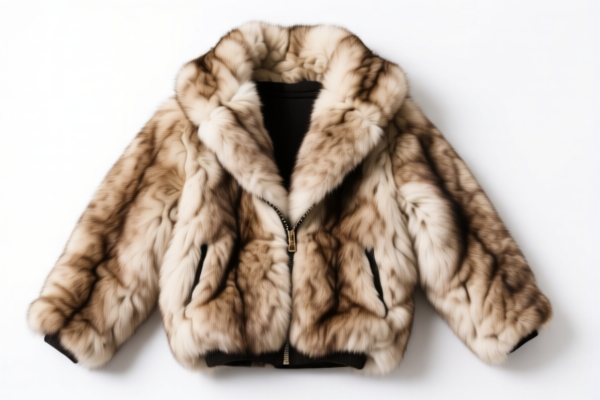
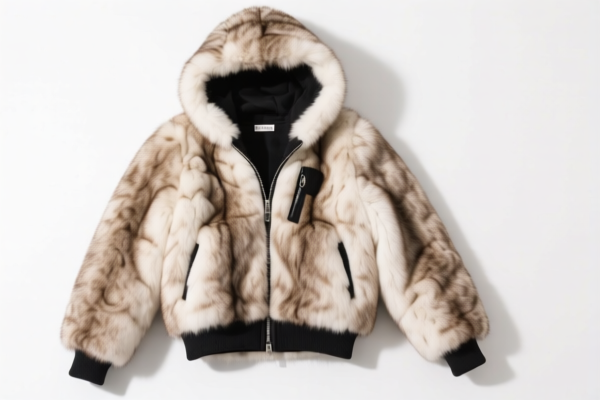
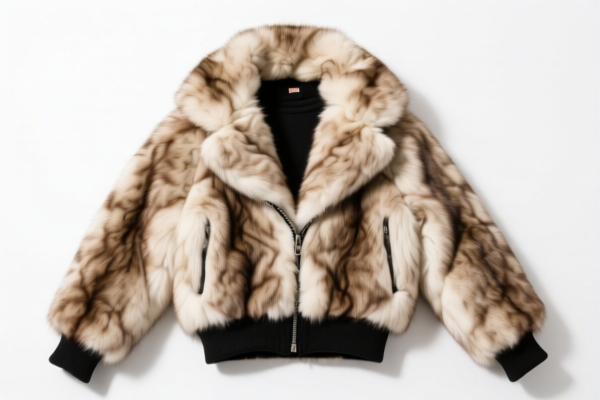
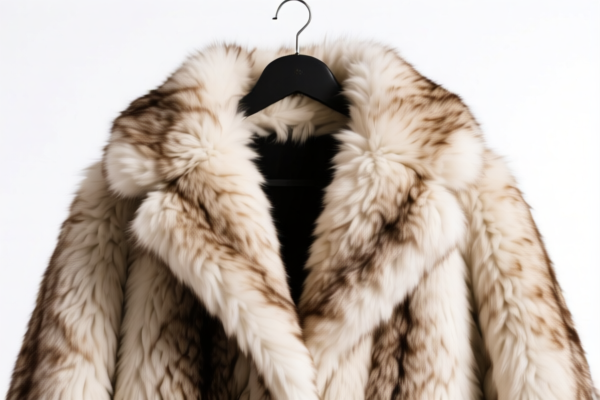
AI Analysis
🧥 Other Fur Apparel: Global Customs Classification & Clearance Guide (2024-2026)
🌐 HS Code Reference & Clearance Strategy | Professional Tier Clearance Strategy 📌 I. Product Definition & Classification: What exactly is "Other Fur Apparel"?
"Other Fur Apparel" generally refers to clothing, accessories, or trim items made from animal fur, leather, or faux fur that do not fit into the standard "jackets," "coats," or "pants" categories, or are classified as specific accessories. In international trade, precise classification is critical because tariff rates for fur products can vary wildly based on material composition (natural vs. synthetic) and end-use (clothing vs. accessory).
⚠️ Key Distinction Point:
- Garments (Clothing): Items worn directly on the body (e.g., coats, jackets, vests).
- Accessories/Trim: Items like scarves, shawls, hats, gloves, or fur parts used as trim on other garments.
- Material: Natural animal fur vs. Artificial/Synthetic fur (textile materials).
📦 II. HS Code Classification Details (Based on Provided Data)
The following table maps the specific HS Codes from the provided data to their descriptions, summaries, and tax implications. Note that the provided data indicates a mix of Chapter 43 (Furskins and Articles of Furskin) and Chapter 62/61 (Articles of Apparel and Clothing Accessories, Not knitted or crocheted / Knitted or crocheted).
| HS Code | Product Description | Summary | Material/Use Context |
|---|---|---|---|
| 4303.90.00.00 | Other articles of furskin | Animal fur other apparel, matches the category of furskin garments and accessories | Natural fur garments/accessories |
| 6214.20.00.00 | Shawls, scarves, mufflers, mantillas, veils and the like | Animal fur other apparel, matches similar items like shawls and scarves | Textile materials (likely synthetic or wool-blend) |
| 6214.90.00.90 | Other shawls, scarves, etc., of other textile materials | Animal fur other apparel, matches other textile material uses | Non-silk, non-wool, non-cotton textiles |
| 6117.10.10.00 | Other accessories of apparel, knitted or crocheted: Of wool or fine animal hair | Animal fur other apparel, matches wool or fine animal hair accessories | Knitted wool/fine hair accessories |
| 6117.80.87.20 | Other made-up clothing accessories, knitted or crocheted: Of other textile materials | Animal fur other apparel, matches other accessory uses | Knitted synthetic/cotton accessories |
🔍 Important Note:
- HS Code 4303 is the primary chapter for natural fur. If the item is genuine fur, this is the most likely classification.
- HS Codes 6214 and 6117 relate to textile-based items (scarves, shawls, knitted accessories). If the "fur" is synthetic (faux fur) or made of wool/textile fibers, these codes apply.
- Chapter 61 is for knitted/crocheted items, while Chapter 62 is for non-knitted items.
💰 III. 2024-2026 Latest Tariff Rate Analysis (Detailed Breakdown)
✅ Applicable Market: United States (US)
✅ Origin: China (CN) (Implied by the specific tax structure: Base + 25% + 122% Clause)
✅ Effective Time: Current (2024-2026)
🎯 1. 4303.90.00.00 —— Articles of Furskin (Natural Fur)
| Item | Content |
|---|---|
| Base Tariff | 0.0% |
| Section 301 Surcharge | 25.0% |
| Section 122 Tariff | 10.0% |
| Total Tax Rate | 35.0% |
| Tax Calculation | CIF Value × 35% |
| De Minimis Exemption | ❌ Not Available (High value, specific regulation) |
| Legal Basis | HTSUS 4303.90.00.00 + Section 301 Footnotes + Section 122 Regulations |
📌 Explanation:
- "Base 0%": Furskins often have low base duties.
- "Section 301: 25%": Standard US retaliatory tariff on Chinese goods.
- "Section 122: 10%": A specific temporary tariff adjustment for certain textile/apparel imports.
- Total 35%: This is a high tariff rate. Importers must budget carefully.
🎯 2. 6214.20.00.00 —— Shawls, Scarves, Mufflers (Non-Knitted)
| Item | Content |
|---|---|
| Base Tariff | 6.7% |
| Section 301 Surcharge | 7.5% |
| Section 122 Tariff | 10.0% |
| Total Tax Rate | 24.2% |
| Tax Calculation | CIF Value × 24.2% |
| De Minimis Exemption | ❌ Not Available (Usually applies to shipments < $800, but specific fur/textile rules may vary) |
| Legal Basis | HTSUS 6214.20.00.00 + Section 301 + Section 122 |
📌 Explanation:
- "Base 6.7%": Standard duty for scarves/shawls.
- "Section 301: 7.5%": Reduced rate for certain textile categories compared to general goods.
- "Section 122: 10%": Applied to these specific textile accessories.
- Total 24.2%: Lower than natural fur, but still significant.
🎯 3. 6214.90.00.90 —— Other Textile Shawls/Scarves
| Item | Content |
|---|---|
| Base Tariff | 11.3% |
| Section 301 Surcharge | 7.5% |
| Section 122 Tariff | 10.0% |
| Total Tax Rate | 28.8% |
| Tax Calculation | CIF Value × 28.8% |
| De Minimis Exemption | ❌ Not Available |
| Legal Basis | HTSUS 6214.90.00.90 + Section 301 + Section 122 |
📌 Explanation:
- "Base 11.3%": Higher base duty for "other" textile materials not classified under silk or wool.
- "Total 28.8%": Mid-range tariff. Check material composition carefully; if it’s wool, it might fall under 6117.
🎯 4. 6117.10.10.00 —— Knitted Accessories of Wool/Fine Animal Hair
| Item | Content |
|---|---|
| Base Tariff | 9.6% |
| Section 301 Surcharge | 7.5% |
| Section 122 Tariff | 10.0% |
| Total Tax Rate | 27.1% |
| Tax Calculation | CIF Value × 27.1% |
| De Minimis Exemption | ❌ Not Available |
| Legal Basis | HTSUS 6117.10.10.00 + Section 301 + Section 122 |
📌 Explanation:
- "Base 9.6%": Standard for wool/knitted accessories.
- "Total 27.1%": Similar to other textile accessories. Ensure the item is knitted and made of wool/fine hair.
🎯 5. 6117.80.87.20 —— Other Knitted Accessories (Non-Wool/Silk)
| Item | Content |
|---|---|
| Base Tariff | 5.0% |
| Section 301 Surcharge | 0.0% |
| Section 122 Tariff | 10.0% |
| Total Tax Rate | 15.0% |
| Tax Calculation | CIF Value × 15.0% |
| De Minimis Exemption | ❌ Not Available |
| Legal Basis | HTSUS 6117.80.87.20 + Section 122 |
📌 Explanation:
- "Base 5.0%": Lower base duty for generic knitted accessories.
- "Section 301: 0.0%": Exempt from the 301 surcharge! This is a key advantage.
- "Section 122: 10%": Still applies.
- Total 15.0%: Lowest tariff in the dataset. Ideal for synthetic knitted accessories.
🛠️ IV. Clearance Practical Advice (Real-World Pitfall Avoidance)
✅ 1. Documentation Checklist (Essential)
| Document | Must Provide | Explanation |
|---|---|---|
| ✅ Product Spec Sheet | ✔️ | Must specify material (e.g., "100% Mink Fur" vs. "Polyester Faux Fur") |
| ✅ Material Composition Label | ✔️ | Critical for distinguishing between Chapter 43 (Natural) and Chapter 61/62 (Textile) |
| ✅ Product Photos | ✔️ | Clear images of front/back, labels, and stitching |
| ✅ Commercial Invoice | ✔️ | Must accurately describe goods as "Other Fur Apparel" or specific accessory type |
| ✅ Packing List | ✔️ | Item count, weight, dimensions |
| ✅ Certificate of Origin | ✔️ | To prove origin (China) and apply correct tariffs |
| ✅ Import License (if applicable) | ✔️ | Some fur products may require USDA or state-level permits |
✅ 2. Classification Strategy (Key Rules)
🔥 "Know Your Material: Natural Fur = Ch43, Textile = Ch61/62"
| Scenario | Correct HS Code | Wrong Code | Consequence |
|---|---|---|---|
| Genuine Mink Coat | 4303.90.00.00 |
6201.11.00 (Wool Coat) |
Underpayment of duties + Penalties |
| Synthetic Fur Scarf (Non-Knitted) | 6214.20.00.00 |
4303.90.00.00 |
Overpayment of duties (35% vs 24.2%) |
| Wool Knitted Hat | 6117.10.10.00 |
6117.80.87.20 |
Incorrect tariff rate |
| Polyester Knitted Scarf | 6117.80.87.20 |
6214.90.00.90 |
Higher base duty (5% vs 11.3%) + 301 Exemption |
📌 Key Tip:
- If the item is knitted, always check Chapter 61 first.
- If the item is non-knitted (woven, felted, etc.), check Chapter 62.
- If the item is natural fur, check Chapter 43.
✅ 3. Special Circumstances
| Situation | Handling Advice |
|---|---|
| Faux Fur (Synthetic) | Classify as textile (Ch 61/62), NOT as fur (Ch 43). This can save up to 20% in tariffs. |
| Fur Trim on Garments | If the fur is a minor trim (<10% of surface area), the entire garment may be classified under its main fabric's chapter (e.g., 6202 for women's coats). |
| Used Fur Items | Importing used fur may require additional CDC/USDA documentation to prevent disease. |
| Endangered Species (CITES) | Minks, foxes, etc., may require CITES permits if sourced from specific countries. Check Appendix I/II status. |
🌍 V. Global Market Comparison (2024-2026)
| Country/Region | Recommended HS Code | Tariff Rate | Certification Requirements | Notes |
|---|---|---|---|---|
| 🇺🇸 USA | 4303.90.00.00 |
35% (Natural Fur) | None specific | High tariffs due to Section 301 & 122 |
| 🇨🇳 China | 4303.90.00.00 |
10-20% | None | Varies by exact sub-category |
| 🇪🇺 EU | 4303.90.00.00 |
0-4% | REACH, No CITES violation | Lower base duties, strict animal welfare laws |
| 🇯🇵 Japan | 4303.90.00.00 |
0-5% | None | Favorable for fur products |
| 🇬🇧 UK | 4303.90.00.00 |
0-5% | UKCA Mark (if applicable) | Post-Brexit tariffs vary |
📌 Conclusion:
- USA has the highest tariffs (35%) for natural fur.
- EU and Japan are more favorable for natural fur imports.
- Synthetic fur (Ch 61/62) has lower tariffs in the US (15-28.8%) but is subject to anti-dumping or other trade remedies in some cases.
📌 VI. Common Mistakes & Pitfalls (Blood Lessons)
❌ Mistake 1: Classifying Synthetic Fur as Natural Fur
👉 Consequence: Overpaying tariffs (35% vs 15-28%).
✅ Fix: Check material composition. Use "Faux Fur" or "Polyester" in description.
❌ Mistake 2: Misclassifying Knitted items as Non-Knitted
👉 Consequence: Wrong HS Code, potential penalties.
✅ Fix: Use "Knitted" or "Crocheted" in description. Check Chapter 61.
❌ Mistake 3: Ignoring Section 122
👉 Consequence: Underpayment of 10% tariff.
✅ Fix: Always check for Section 122 applicability for textile/apparel items.
❌ Mistake 4: Not declaring Origin Correctly
👉 Consequence: Inaccurate tariff calculation (e.g., missing 301 surcharge).
✅ Fix: Provide Certificate of Origin. Confirm country of manufacture.
✅ Correct Declaration Example:
"Women's Synthetic Faux Fur Scarf, Knitted, 100% Polyester, Origin: China, HS Code: 6117.80.87.20"
🎯 VII. Conclusion: Precise Classification Saves Money!
🎯 Remember the Rules:
🔹 "Natural Fur = 35%, Synthetic Knitted = 15%"
🔹 "Knitted = Ch61, Non-Knitted = Ch62, Natural Fur = Ch43"
🔹 "Section 122 + 301 = High Costs, Check Exemptions!"
📌 Pro Tip:
If you are importing faux fur (synthetic), aim for HS Code 6117.80.87.20 (15% total) instead of natural fur (35%). This can save you 20% in duties!
For shawls/scarves, ensure you classify correctly as knitted vs. non-knitted to optimize the 301 surcharge.
📣 Action Item:
📞 Contact a licensed customs broker.
📤 Provide detailed material specs and photos.
🚀 Apply for Pre-Ruling from US CBP if the classification is complex.
✨ Professional Clearance Starts with Accurate Classification!
💼 Your Cost, Calculated Precisely!
Customer Reviews
About HS Code Classification
The Harmonized System (HS) is an internationally standardized nomenclature developed by the World Customs Organization (WCO) to classify traded products. Over 200 countries use the HS system as the basis for customs tariffs, trade statistics, and import/export regulations.
Each HS code follows a hierarchical structure:
- Chapter (2 digits) — Broad category of goods (e.g., Chapter 84: Machinery and Mechanical Appliances)
- Heading (4 digits) — More specific grouping within the chapter
- Subheading (6 digits) — Internationally standardized breakdown, used by all WCO member countries
- National subdivisions (8-10 digits) — Country-specific extensions for further classification, such as US HTSUS 10-digit codes
Correct HS code classification is essential for smooth customs clearance, accurate duty payment, and compliance with trade regulations. Misclassification can lead to customs delays, overpayment of duties, or penalties.
When importing from CN to US, the applicable tariff rates may include:
- Most-Favored-Nation (MFN) rate — The standard duty rate applied to WTO members
- General rate — Applied to countries without trade agreements
- Trade remedy duties — Additional tariffs such as Section 301 (anti-dumping), Section 232 (national security), or countervailing duties
The information provided on this page is for reference purposes only. For official classification, please consult with your local customs authority or a licensed customs broker.