Other garments
CN → US| HS Code | Tariff Rate | Origin | Destination | Doc |
|---|---|---|---|---|
| 6204698010 | 20.3% | CN | US | Official Doc |
| 6204294092 | 0.0% | CN | US | Official Doc |
| 6211498050 | 24.8% | CN | US | Official Doc |
| 6109901090 | 49.5% | CN | US | Official Doc |
| 6109908030 | 33.5% | CN | US | Official Doc |
Product Images
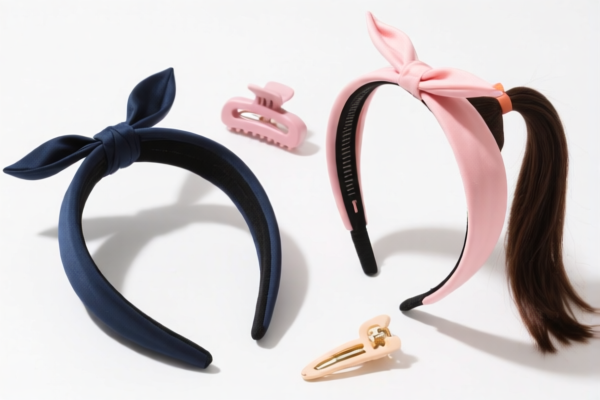
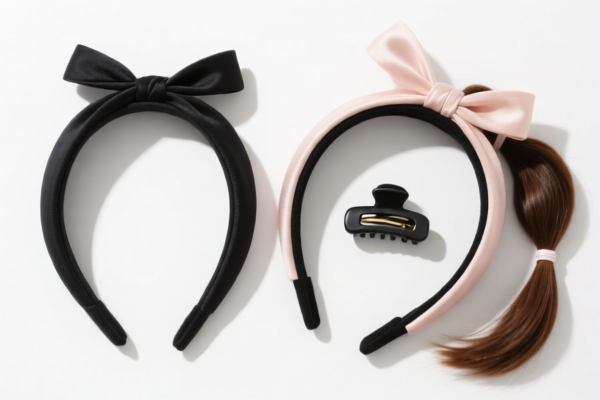
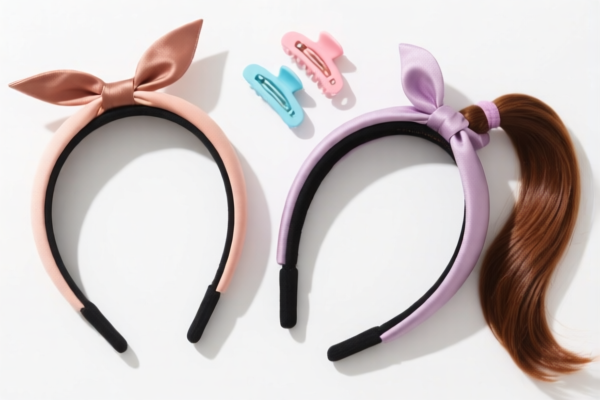
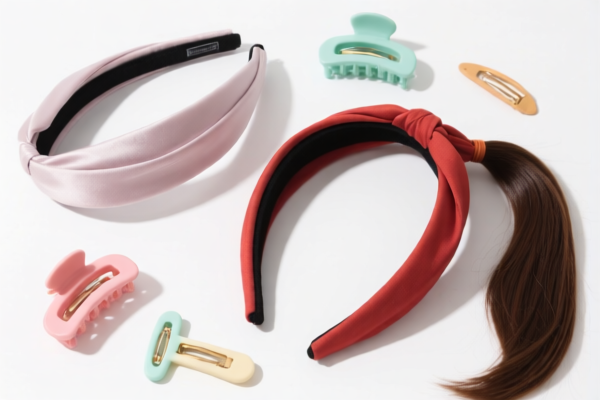
AI Analysis
👗 Other Garments (Women’s or Girls’ Clothing) | The "Catch-All" Trap
🌐 HS Code Reference & Customs Clearance Guide | 2026 Latest Tariff Analysis | Strategic Clearance Strategy
📌 I. Product Definition & Classification: What Exactly Are "Other Garments"?
In international trade, the term "Other women’s or girls’ clothing" (often found in headings 61 for knitted/crocheted and 62 for woven) is a residual category. It applies to garments that do not fit into specific sub-categories like suits, ensembles, trousers, shirts, dresses, or blouses.
⚠️ Key Distinction:
- If the garment has a specific definition (e.g., a "dress," "shirt," or "suit"), it must be classified under that specific heading.
- Only if the garment is unique, hybrid, or undefined in other sections does it fall under "Other" (e.g., specific lingerie, certain types of aprons, specialized workwear, or mixed-material garments not covered elsewhere).
📦 II. HS Code Classification Details (Based on Provided Data)
The following HS Codes are derived from the provided data, all falling under the "Other" category for women’s or girls’ clothing. Note the significant tax variations due to material and specific sub-classification rules.
| HS Code | Product Description & Logic | Total Tax Rate | Tax Breakdown (Base + Additional) |
|---|---|---|---|
6204.69.80.10 |
Woven Women’s/Girls’ Other Garments Logic: Fallback to "Other" category principle. Note: Woven fabric (Section 62). |
20.3% | Base: 2.8% + Section 301: 7.5% + Section 122: 10% |
6204.29.40.92 |
Woven Ensembles (Other) Logic: Core object match for "Other" vs. "Suits/Ensembles". Note: Tax calculated per garment if separated. |
Rate varies + 10.0% | Base: Rate applicable per garment if separated + Section 301: 0.0% + Section 122: 10% |
6211.49.80.50 |
Other Women’s/Girls’ Woven Garments Logic: Falls under "Other women’s or girls’ clothing" residual category. Note: Higher base duty due to specific sub-heading. |
24.8% | Base: 7.3% + Section 301: 7.5% + Section 122: 10% |
6109.90.10.90 |
Knitted/Crocheted T-Shirts & Other Tops (Other) Logic: "Other" category with no material conflict. Note: Knitted fabric (Section 61); High base duty. |
49.5% | Base: 32.0% + Section 301: 7.5% + Section 122: 10% |
6109.90.80.30 |
Knitted/Crocheted Other Textile Materials Logic: "Other" category and "Other textile materials" logic match. Note: Knitted; uses alternative textile material base. |
33.5% | Base: 16.0% + Section 301: 7.5% + Section 122: 10% |
🔍 Critical Observation:
- Section 61 (Knitted) items (6109.xxxx) generally carry much higher base duties (16–32%) compared to Section 62 (Woven) items (6204.xxxx,6211.xxxxwhich range from 2.8–7.3%).
- Section 122 Tariff (10%) is a fixed additional duty applied to all Chinese-origin goods under this classification, regardless of the base rate.
- Section 301 Tariff (7.5%) is also widely applied but may be 0% for specific ensemble classifications (6204.29.40.92) depending on interpretation.
💰 III. 2026 Latest Tariff Rate Detailed Explanation
✅ Applicable Country: United States (US)
✅ Origin: China (CN)
✅ Effective Date: Ongoing (including post-November 2025 imports)
🎯 1. 6204.69.80.10 – Woven "Other" Garments (Low Base Duty)
| Item | Content |
|---|---|
| Base Duty | 2.8% |
| Section 301 Duty | 7.5% |
| Section 122 Duty | 10.0% |
| Total Duty | 20.3% |
| Tax Calculation | CIF Value × 20.3% |
| De Minimis Eligibility | ❌ No (Deny de minimis) |
| Legal Path | USITC:6204.69.80.10 → FOOTNOTE:122 → USITC:301 |
📌 Explanation:
- This is the most cost-effective option among the provided codes, primarily due to the low 2.8% base duty.
- However, the Section 122 (10%) and Section 301 (7.5%) are mandatory, making it 20.3% total.
🎯 2. 6204.29.40.92 – Woven Ensembles (Variable Base Duty)
| Item | Content |
|---|---|
| Base Duty | Variable (Rate applicable to each garment if separated) |
| Section 301 Duty | 0.0% |
| Section 122 Duty | 10.0% |
| Total Duty | Variable + 10% |
| Tax Calculation | Sum of individual garment rates + 10% fixed |
| De Minimis Eligibility | ❌ No |
| Legal Path | USITC:6204.29.40.92 → FOOTNOTE:122 |
📌 Note:
- If the "ensemble" consists of low-duty items (e.g., a skirt and top with low base rates), the total duty could be lower than 20.3%.
- However, if components have high base duties, the total may exceed others.
- Section 301 is 0% here, which is a unique advantage, but Section 122 still applies.
🎯 3. 6211.49.80.50 – Woven "Other" (Higher Base Duty)
| Item | Content |
|---|---|
| Base Duty | 7.3% |
| Section 301 Duty | 7.5% |
| Section 122 Duty | 10.0% |
| Total Duty | 24.8% |
| Tax Calculation | CIF Value × 24.8% |
| De Minimis Eligibility | ❌ No |
| Legal Path | USITC:6211.49.80.50 → FOOTNOTE:122 → USITC:301 |
📌 Explanation:
- This code falls under Heading 6211 (Other garments), which often has higher base duties due to specific material restrictions or classifications.
- Total duty is 4.5% higher than6204.69.80.10.
🎯 4. 6109.90.80.30 – Knitted "Other" (Medium Base Duty)
| Item | Content |
|---|---|
| Base Duty | 16.0% |
| Section 301 Duty | 7.5% |
| Section 122 Duty | 10.0% |
| Total Duty | 33.5% |
| Tax Calculation | CIF Value × 33.5% |
| De Minimis Eligibility | ❌ No |
| Legal Path | USITC:6109.90.80.30 → FOOTNOTE:122 → USITC:301 |
📌 Note:
- Knitted fabrics (Section 61) generally face higher base tariffs than woven fabrics.
- This is a middle-ground option, significantly cheaper than6109.90.10.90but more expensive than most woven options.
🎯 5. 6109.90.10.90 – Knitted "Other" (Highest Base Duty)
| Item | Content |
|---|---|
| Base Duty | 32.0% |
| Section 301 Duty | 7.5% |
| Section 122 Duty | 10.0% |
| Total Duty | 49.5% |
| Tax Calculation | CIF Value × 49.5% |
| De Minimis Eligibility | ❌ No |
| Legal Path | USITC:6109.90.10.90 → FOOTNOTE:122 → USITC:301 |
📌 Warning:
- This is the most expensive classification in the provided data.
- Applies to specific knitted tops or garments that do not fit other narrow headings.
- Avoid this code unless your product strictly cannot be classified elsewhere.
🛠️ IV. Customs Clearance Practical Advice (Pitfall Avoidance Guide)
✅ 1. Preparation Checklist (Non-Negotiable)
| Document | Required? | Notes |
|---|---|---|
| ✅ Product Specifications | ✔️ | Must include fabric composition (knitted vs. woven), garment type, and construction details. |
| ✅ Photos (Clear & Labeled) | ✔️ | Show full garment, tags, labels, and any unique features (e.g., aprons, specialized closures). |
| ✅ Commercial Invoice | ✔️ | Clearly state "Women’s/Girls’ Other Garment" and specify Knitted or Woven. |
| ✅ Packing List | ✔️ | Detail quantity, weight, and packaging type. |
| ✅ Origin Certificate | ✔️ | Confirm Chinese origin to apply correct Section 122 & 301 tariffs. |
✅ 2. Classification Strategy (Key Mantra)
🔥 "Fabric Type First, Then Function, Finally 'Other'"
| Scenario | Correct HS Code | Error Consequence |
|---|---|---|
| Woven Top/Jacket not fitting other categories | 6204.69.80.10 or 6211.49.80.50 |
Misclassifying as knitted → 49.5% tax! |
| Knitted T-Shirt/Tank not fitting other categories | 6109.90.80.30 or 6109.90.10.90 |
Misclassifying as woven → Underpayment penalty! |
| Multi-piece Ensemble | 6204.29.40.92 (if wovens) |
Declaring as single item → Incorrect tax calculation |
| Lingerie/Underwear | Check specific headings (e.g., 6212) first | Declaring as "Other" when specific heading exists → Risk of reclassification & penalty |
✅ 3. Special Handling Tips
| Situation | Recommendation |
|---|---|
| OEM/Custom Designs | Provide detailed design drawings to prove it doesn’t fit specific headings (e.g., not a "dress," not a "shirt"). |
| Mixed Materials | If knitted and woven parts are combined, check primary material rule. Usually, the component giving the essential character dictates the section. |
| Section 122 Impact | Remember, Section 122 (10%) is fixed. No matter which HS code you choose, this 10% will apply. Focus on minimizing the Base Duty and Section 301. |
| De Minimis (800 USD) | ❌ Not Eligible. All these codes are denied de minimis entry. Full duty payment is required even for small shipments. |
🌍 V. Global Market Comparison (2026)
| Country/Region | Recommended HS Code | Estimated Duty (China Origin) | Notes |
|---|---|---|---|
| 🇺🇸 USA | 6204.69.80.10 (Best Case) |
20.3% | Includes Section 122 (10%) + Section 301 (7.5%) |
| 🇨🇳 China | 6204.69.80.10 |
5-10% | No Section 122 or 301. Lower base duty applies. |
| 🇪🇺 EU | 6204.69.80.10 |
12% | No Section 122 or 301. Standard EU duty for women’s woven garments. |
| 🇬🇧 UK | 6204.69.80.10 |
12% | Post-Brexit duty rates similar to EU for this category. |
| 🇦🇺 Australia | 6204.69.80.10 |
5% | Free Trade Agreement (CHAFTA) may reduce duty to 0% if origin criteria met. |
📌 Conclusion:
- The USA is the most challenging market due to the 20.3%–49.5% total duty burden.
- Exporting to non-US markets can significantly reduce costs. Consider supply chain diversification if targeting the US market heavily.
📌 VI. Common Mistakes & Pitfalls (Lessons Learned)
❌ Mistake 1: Classifying a Knitted garment as Woven
👉 Consequence: You might aim for 6204.69.80.10 (20.3%) but should be 6109.90.10.90 (49.5%). Underpayment → Audit + Penalty.
❌ Mistake 2: Declaring an Ensemble as separate items
👉 Consequence: 6204.29.40.92 allows per-garment taxation. Separating them incorrectly may trigger higher combined duties or require separate classification for each piece.
❌ Mistake 3: Ignoring Section 122
👉 Consequence: Forgetting to include the 10% Section 122 duty in cost calculations leads to unexpected cash flow issues at customs.
❌ Mistake 4: Assuming De Minimis applies
👉 Consequence: Shipping small batches under $800 expecting tax-free entry. Incorrect. All these codes are denied de minimis.
✅ Correct Approach:
"Women’s Woven Cotton Blouse, Model XYZ, Not a Shirt or Dress, Woven Fabric, Imported from China."
🎯 VII. Conclusion: Precision in Classification Saves Money
🎯 Key Takeaway:
🔹 "Woven is Cheaper Than Knitted" – Generally, Section 62 (Woven) has lower base duties than Section 61 (Knitted).
🔹 "Section 122 is Unavoidable" – The 10% additional duty applies to all these Chinese-origin goods.
🔹 "Ensembles Offer Flexibility" –6204.29.40.92allows per-item taxation, which could be optimal if individual components have low base duties.
📌 Pro Tip:
If your product is Knitted, try to find a more specific heading under Heading 6101–6109 to avoid the high "Other" (6109.90.xxxx) rates.
If Woven, 6204.69.80.10 is your best bet among the provided options for lowest duty (20.3%).
📣 Immediate Action:
📞 Consult a Customs Broker to verify fabric composition and specific garment structure.
📦 Test Shipment: Send a small sample to verify the 20.3% vs. 49.5% duty impact.
🚀 Optimize Supply Chain: Consider shipping to non-US markets to avoid the high US tariffs.
✨ Professional Clearance Starts with Accurate Classification!
💼 Your Profit Margin Depends on Every Percentage Point!
Customer Reviews
About HS Code Classification
The Harmonized System (HS) is an internationally standardized nomenclature developed by the World Customs Organization (WCO) to classify traded products. Over 200 countries use the HS system as the basis for customs tariffs, trade statistics, and import/export regulations.
Each HS code follows a hierarchical structure:
- Chapter (2 digits) — Broad category of goods (e.g., Chapter 84: Machinery and Mechanical Appliances)
- Heading (4 digits) — More specific grouping within the chapter
- Subheading (6 digits) — Internationally standardized breakdown, used by all WCO member countries
- National subdivisions (8-10 digits) — Country-specific extensions for further classification, such as US HTSUS 10-digit codes
Correct HS code classification is essential for smooth customs clearance, accurate duty payment, and compliance with trade regulations. Misclassification can lead to customs delays, overpayment of duties, or penalties.
When importing from CN to US, the applicable tariff rates may include:
- Most-Favored-Nation (MFN) rate — The standard duty rate applied to WTO members
- General rate — Applied to countries without trade agreements
- Trade remedy duties — Additional tariffs such as Section 301 (anti-dumping), Section 232 (national security), or countervailing duties
The information provided on this page is for reference purposes only. For official classification, please consult with your local customs authority or a licensed customs broker.