Other luggage accessories
CN → US| HS Code | Tariff Rate | Origin | Destination | Doc |
|---|---|---|---|---|
| 9617001000 | 17.2% | CN | US | Official Doc |
| 4202321000 | 0.0% | CN | US | Official Doc |
| 4202329300 | 52.6% | CN | US | Official Doc |
| 9617006000 | 17.2% | CN | US | Official Doc |
Product Images

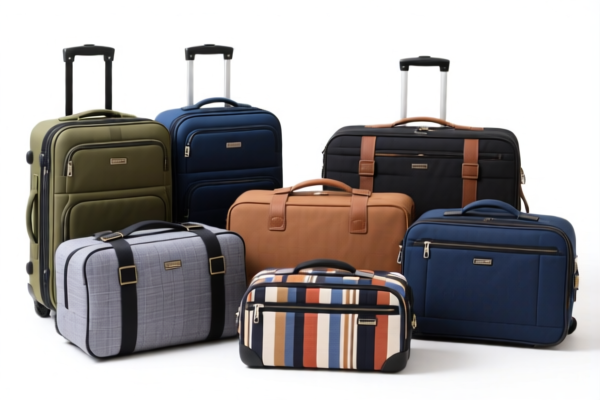
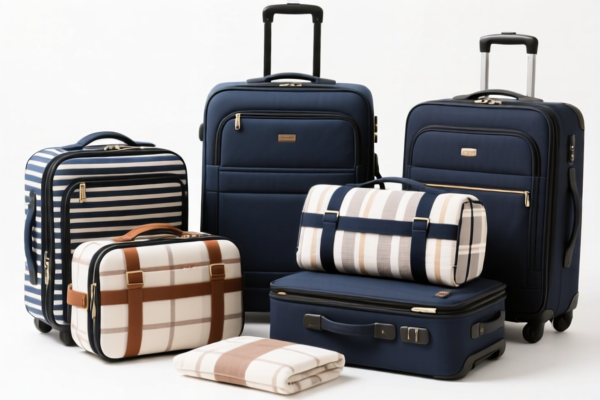
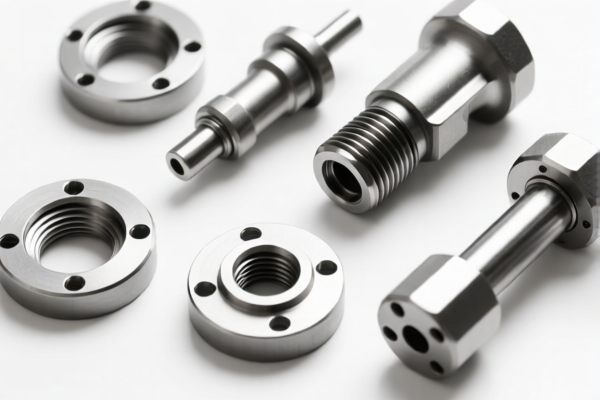
AI Analysis
🧳 Travel Accessories: The Ultimate HS Code & Customs Clearance Guide (2026 Edition)
🌐 HS Code Reference & Customs Clearance Strategy | 2026 Tariff Deep Dive | Professional通关 Tactics
📌 One, Product Definition & Classification: What Exactly Are "Other Luggage Accessories"?
In the complex world of international trade, "Travel Accessories" is a multi-purpose and ambiguous category. These items are not limited to a single material or function, often bridging the gap between bags, containers, and spare parts.
Key Characteristics: * Portable Nature: Designed for personal carry-on or checked baggage. * Functional Ambiguity: Can be vacuum containers, pouches, straps, or structural components. * Material Diversity: No conflict with textiles, plastics, or metals; often defaults to "Accessory" classifications.
⚠️ Critical Distinction:
- If the item is a standard bag/valise → It's a main product (not "accessory").
- If the item is a component, pouch, or specialized container → It falls under the "Ambiguous/Multi-purpose" rules below.
- The Trap: Misclassifying a plastic vacuum bag as a generic "bag" vs. a "container" can change your tariff from 52.6% to 12.1¢/kg + 4.6%.
📦 Two, HS Code Classification Matrix (2026 Tariff Authority)
Based on the latest trade data and classification rules, here is the detailed breakdown for "Other Luggage Accessories":
| HS Code | Summary & Logic | Total Duty Rate |
|---|---|---|
| 9617.00.10.00 | Multi-purpose/Ambiguous: No material conflict found. Fits the rule for "Spares/Components" and general fallback categories. | 17.2% |
| 4202.32.10.00 | Carry-on Logic: Based on "items carried on person." Fits the specific description of portable travel items. | 12.1¢/kg + 4.6% + 35.0% |
| 4202.32.93.00 | Fallback/Accessory Default: Ambiguous usage/form. No conflict with textile/plastic. Defaults to "Accessories" category. | 52.6% |
| 9617.00.60.00 | Vacuum/Container Logic: Based on the "Other" fallback principle. May include vacuum container accessories. | 17.2% |
🔍 Deep Dive into Classifications:
- 9617.00.10.00 & 9617.00.60.00: These are the "safer" bets for generic travel gadgets, offering a moderate 17.2% total tax burden. They rely on the "fallback principle" for multi-purpose items.
- 4202.32.10.00: This is the High-Risk/High-Cost option. It targets specific "carry-on" logic but triggers heavy Section 301 duties (25%) and 122 clauses (10%), resulting in a massive 35.0%+ surcharge.
- 4202.32.93.00: The Maximum Penalty category. Often used for specific textile/plastic blends that don't fit standard bag rules, leading to a staggering 52.6% total tax.
💰 Three, 2026 Tariff Rate Breakdown (Detailed Policy & Add-ons)
✅ Applicable Country: United States (US)
✅ Origin: China (CN)
✅ Effective Date: 2025/2026 (Current Policy)
🎯 1. 9617.00.10.00 & 9617.00.60.00 — The "17.2%" Sweet Spot
| Item | Content |
|---|---|
| Base Duty | 7.2% (Standard Tariff) |
| Section 301 Add-on | 0.0% (No additional 25% duty applied here) |
| 122 Clause Add-on | 10.0% (Specific provision for certain travel gear) |
| Total Effective Rate | 17.2% |
| Tax Calculation | CIF Value × 17.2% |
| De Minimis Status | ❌ No (Strictly controlled) |
| Legal Basis Path | 122 Clause: 9617.00 → Base: 7.2% → Add-on: 10% |
📌 Interpretation:
- These codes represent the most cost-effective route for "Other Luggage Accessories." - The 122 Clause (10%) is a specific surcharge, but the absence of the Section 301 (25%) tax makes this the preferred classification if your product fits the "Multi-purpose" or "Vacuum Container" logic.
🎯 2. 4202.32.10.00 — The "Carry-On" Trap (High Cost)
| Item | Content |
|---|---|
| Base Duty | 12.1¢/kg + 4.6% (Specific to carry-on items) |
| Section 301 Add-on | 25.0% (Aggressive tariff on carry-on goods) |
| 122 Clause Add-on | 10.0% |
| Total Effective Rate | 35.0%+ (Plus per-kg weight charge) |
| Tax Calculation | (CIF Value × 4.6%) + (Weight × 12.1¢) + (CIF Value × 25% + 10%) |
| De Minimis Status | ❌ No |
| Legal Basis Path | Section 301: 4202.32 → 122 Clause → Base |
📌 Warning:
- If your "accessory" is deemed a "carry-on item" (e.g., a specific pouch or travel bottle), this code applies. - The 25% Section 301 tariff combined with the 10% 122 Clause and the per-kg charge creates a financial bottleneck. Avoid this classification unless your product is strictly defined as a "carry-on item."
🎯 3. 4202.32.93.00 — The "Maximum Penalty" (52.6%)
| Item | Content |
|---|---|
| Base Duty | 17.6% |
| Section 301 Add-on | 25.0% |
| 122 Clause Add-on | 10.0% |
| Total Effective Rate | 52.6% |
| Tax Calculation | CIF Value × 52.6% |
| De Minimis Status | ❌ No |
| Legal Basis Path | Section 301: 4202.32 → 122 Clause → Fallback Rule |
📌 Critical Alert:
- This is the worst-case scenario for luggage accessories. - It applies when the item is ambiguous and defaults to a specific "Accessory" rule without meeting the "Multi-purpose" or "Vacuum" exceptions. - Total Tax: 52.6% can destroy your profit margin. Avoid this classification at all costs.
🛠️ Four, Practical Customs Clearance Strategies (Real-World Avoidance Guide)
✅ 1. Preparation Checklist (Non-Negotiable)
| Document | Required? | Why? |
|---|---|---|
| Product Function Diagram | ✔️ | Proves "Multi-purpose" nature to justify 9617.00 over 4202.32. |
| Material Composition Report | ✔️ | Confirms no textile/plastic conflict to avoid 4202.32.93.00. |
| Usage Scenario Photos | ✔️ | Shows the item is a "container/standby accessory" vs. a "carry-on bag". |
| Commercial Invoice (Precise) | ✔️ | Must describe as "Travel Accessory (Non-Carry-on)" to avoid the 25% surcharge. |
| Origin Certificate | ✔️ | Essential for verifying Chinese origin to calculate exact 122 Clause. |
✅ 2. Declaring Strategy (The Golden Rule)
🔥 "Ambiguity is Safety: Frame it as 'Multi-Purpose' or 'Vacuum', NOT 'Carry-On Bag'"
| Scenario | Correct Declaration | Risk of Wrong Declaring |
|---|---|---|
| Travel Bottles, Vacuum Cases, Pouches | 9617.00.10.00 or 9617.00.60.00 |
Avoid 4202.32.10.00 (Saves 35% tax) |
| General Straps, Hooks, Holders | 9617.00.10.00 |
Avoid 4202.32.93.00 (Saves 35.4% tax) |
| Specific "Carry-on" Bags | 4202.32.10.00 (If unavoidable) |
Never try to fake it as 9617 if it's a bag. |
| Textile Plural Mix | 9617.00.10.00 (If no conflict) |
Avoid 4202.32.93.00 (52.6% Tax) |
✅ 3. Special Handling Tips
| Situation | Action |
|---|---|
| OEM Custom Accessories | Provide design specs proving "Multi-purpose" use to push for 9617. |
| Vacuum Storage Bags | Explicitly label as "Vacuum Container" to fit 9617.00.60.00 (17.2% rate). |
| Mixed Materials | Ensure no single material (textile/plastic) dominates to avoid 4202.32.93.00. |
| "Carry-on" Risk | If the item is small enough to be "carried on," be prepared for the 25% Section 301 unless you can prove it's a "spare part." |
🌍 Five, Global Market Comparison (2026)
| Region | Recommended HS Code | Est. Duty | Remarks |
|---|---|---|---|
| 🇺🇸 USA | 9617.00.10.00 |
17.2% | Best Option: Avoids 25% Section 301. |
| 🇺🇸 USA | 4202.32.10.00 |
35.0%+ | High risk: "Carry-on" triggers. |
| 🇺🇸 USA | 4202.32.93.00 |
52.6% | Avoid: Highest penalty. |
| 🇪🇺 EU | Varies | 0-6% | Usually lower tariffs; less Section 301 impact. |
| 🇨🇳 CN | Varies | 5-10% | Domestic trade rules differ; check export incentives. |
📌 Conclusion:
- USA is the critical market for these high tariffs. - Strategy: Always aim for9617.00series to lock in the 17.2% rate and dodge the 25% Section 301 and 10% 122 Clause traps. - Never default to4202.32.93.00unless absolutely necessary.
📌 Six, Common Mistakes & Pitfalls (Lessons Learned)
❌ Mistake 1: Calling a "Travel Bottle" a "Carry-on Bag"
👉 Consequence: Shifts tariff from 17.2% to 35.0%+ → Loss of Profit Margin!
❌ Mistake 2: Declaring a "Vacuum Accessory" as "Textile/Plastic Bag"
👉 Consequence: Triggers 4202.32.93.00 → 52.6% Tax → Business Kill!
❌ Mistake 3: Failing to prove "Multi-purpose" nature
👉 Consequence: Customs defaults to the highest applicable duty (4202.32.93.00).
✅ Correct Approach:
"Vacuum Storage Bag (Travel Accessory), Multi-purpose, Plastic/Textile Mix, Non-Carry-on Specific, Model XYZ."
🎯 Seven, Conclusion: Precision is Profit!
🔹 Rule of Thumb:
"Multi-purpose = 17.2% | Carry-on = 35%+ | Ambiguous = 52.6%!"🔹 Action Plan:
1. Audit your product: Is it truly a "bag" or an "accessory"? 2. Choose9617.00: Always try to fit the "Multi-purpose" or "Vacuum" logic first. 3. Prepare Evidence: Diagrams and specs are your shield against the 25% tax.
📌 Pro Tip:
If you have customs clearance professionals, request a Binding Tariff Information (BTI) or Advance Ruling before shipping to the US to lock in the 17.2% rate and avoid surprises.
📣 Take Action Now:
📞 Consult a Customs Broker + Review Product Specs + Apply for Pre-Clasification
🚀 Clear Customs Faster, Pay Less Tax, Grow Faster!
✨ Professional Customs Clearance Starts with the Right HS Code!
💼 Every Percent of Tax Saved is Pure Profit!
Customer Reviews
About HS Code Classification
The Harmonized System (HS) is an internationally standardized nomenclature developed by the World Customs Organization (WCO) to classify traded products. Over 200 countries use the HS system as the basis for customs tariffs, trade statistics, and import/export regulations.
Each HS code follows a hierarchical structure:
- Chapter (2 digits) — Broad category of goods (e.g., Chapter 84: Machinery and Mechanical Appliances)
- Heading (4 digits) — More specific grouping within the chapter
- Subheading (6 digits) — Internationally standardized breakdown, used by all WCO member countries
- National subdivisions (8-10 digits) — Country-specific extensions for further classification, such as US HTSUS 10-digit codes
Correct HS code classification is essential for smooth customs clearance, accurate duty payment, and compliance with trade regulations. Misclassification can lead to customs delays, overpayment of duties, or penalties.
When importing from CN to US, the applicable tariff rates may include:
- Most-Favored-Nation (MFN) rate — The standard duty rate applied to WTO members
- General rate — Applied to countries without trade agreements
- Trade remedy duties — Additional tariffs such as Section 301 (anti-dumping), Section 232 (national security), or countervailing duties
The information provided on this page is for reference purposes only. For official classification, please consult with your local customs authority or a licensed customs broker.