Other made up textile articles
CN → US| HS Code | Tariff Rate | Origin | Destination | Doc |
|---|---|---|---|---|
| 6307909891 | 24.5% | CN | US | Official Doc |
| 6307909875 | 24.5% | CN | US | Official Doc |
Product Images
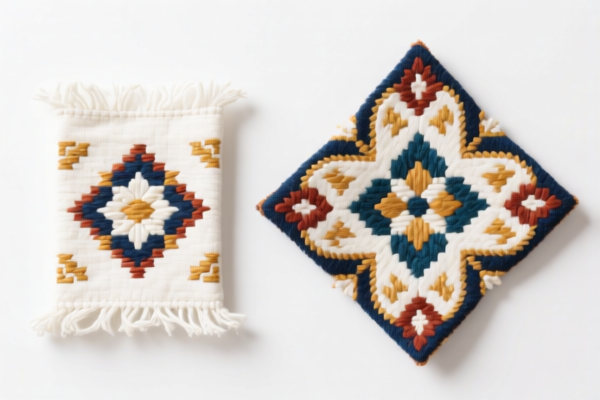
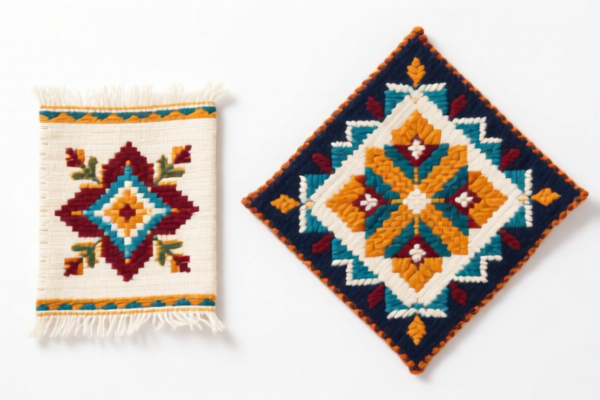
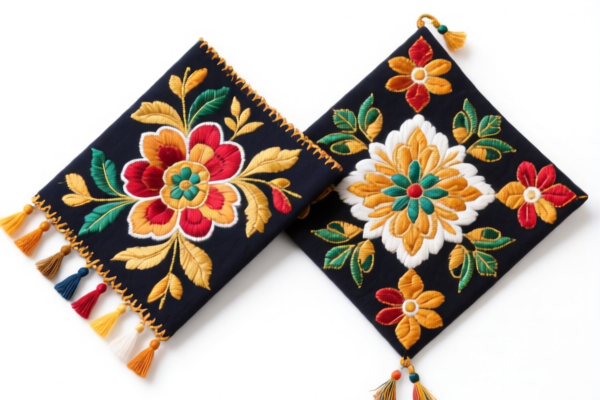
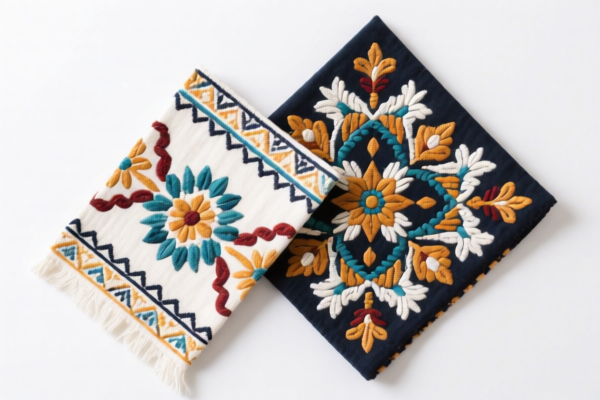
AI Analysis
🧵 Other Made-Up Textile Articles (Including Dress Patterns)
🌐 HS Code Reference & Customs Clearance Guide | 2026 Latest Tariff Analysis | Professional-Level Strategy
📌 1. Product Definition and Classification: Do You Really Understand "Other Made-Up Articles"?
In international trade, "Other made-up textile articles" is a residual category under Chapter 63 of the Harmonized System. It covers finished textile products that do not fall into specific headings like clothing (Chapter 61/62), bedding (9404), or sacks (6305).
This group includes two distinct but often confused product types based on the provided data:
-
General Other Made-Up Articles (Including Dress Patterns):
- Description: Finished textile goods not specified elsewhere. Crucially, this includes dress patterns (paper or textile templates used for sewing) and other miscellaneous finished items (e.g., quilts, dust covers, table runners, decorative textile items) that don't fit specific subheadings.
- Key Characteristic: These are finished goods, not raw fabrics or simple cut pieces without assembly.
-
Other Face Masks (Including Respirators Without Replaceable Filters):
- Description: This refers to non-medical, reusable, or fashion face masks that do not have replaceable filter cartridges (i.e., they are not N95/KF94 respirators with active filter media). These are typically made of woven, non-woven, or knitted fabrics (e.g., cotton, polyester, blended fabrics).
- Key Characteristic: They are made-up articles (cut and sewn), not simple masks glued or stitched without forming. If they had replaceable filters, they would fall under different codes (usually 9020).
⚠️ Critical Distinction:
- Dress Patterns/General Textiles: Non-wearable, non-filtering finished goods → HS 6307.90.98.91
- Fabric Face Masks (No Replaceable Filter): Wearable, non-medical respiratory protection → HS 6307.90.98.75
- If you confuse them, you risk misclassification, delays, and incorrect tariff calculation.
📦 2. HS Code Classification Details (2026 Latest Tariff Authority Comparison)
| HS Code | Product Description | Applicable Scenario | Key Feature |
|---|---|---|---|
6307.90.98.91 |
Other made-up articles, including dress patterns: Other: Other: Other: Other: Other | Dress patterns, quilts, dust covers, decorative textile items, other miscellaneous finished textiles | ✅ Not face masks; general finished textiles |
6307.90.98.75 |
Other made-up articles, including dress patterns: Other Face masks, including respirators without replaceable filters: Other face masks: Other | Reusable cloth masks, fashion masks, non-medical fabric masks without replaceable filter cartridges | ✅ Face masks; no replaceable filter media |
🔍 Important Reminder:
- Dress Patterns: Even though they may be made of paper or plastic-coated paper, if they are marketed as "textile patterns" or are part of a textile kit, they fall under 6307.90.98.91.
- Face Masks: Only masks without replaceable filters go here. If the mask has a removable filter insert, it may be classified under 9020.30.00 (respirators with replaceable filters).
- Misclassification Risk: Declaring a face mask as a "general textile article" (98.91) or vice versa (98.75) can lead to customs scrutiny, especially during health-related inspections.
💰 3. 2026 Latest Tariff Rate Details (Including Additional Taxes & Policy Surcharges)
✅ Applicable Country: United States (US)
✅ Country of Origin: China (CN)
✅ Effective Date: 2025 onwards (including subsequent imports)
🎯 1. 6307.90.98.91 — Other Made-Up Textile Articles (Including Dress Patterns)
| Item | Content |
|---|---|
| Base Tariff Rate | 7.0% (Ad Valorem) |
| Section 301 Additional Tariff | +7.5% (Under USITC Footnote for Chapter 63) |
| Total Tariff Rate | 14.5% |
| Tax Calculation | CIF Value × 14.5% |
| De Minimis Exemption Eligible? | ❌ No (Deny De Minimis) |
| Legal Basis Path | HTSUS:6307.90.98.91 → Section 301: 7.5% → Total: 14.5% |
📌 Explanation:
- The 7.0% base rate is the standard MFN (Most Favored Nation) rate for other made-up textile articles.
- The 7.5% additional tariff is applied under Section 301 against Chinese-origin goods in this category.
- Total: 14.5%. This is a moderate-to-high tariff for textile products, significantly impacting profit margins.
- No de minimis exemption: Even small-value shipments are subject to this tariff.
🎯 2. 6307.90.98.75 — Other Face Masks (Without Replaceable Filters)
| Item | Content |
|---|---|
| Base Tariff Rate | 7.0% (Ad Valorem) |
| Section 301 Additional Tariff | +7.5% (Under USITC Footnote for Chapter 63) |
| Total Tariff Rate | 14.5% |
| Tax Calculation | CIF Value × 14.5% |
| De Minimis Exemption Eligible? | ❌ No (Deny De Minimis) |
| Legal Basis Path | HTSUS:6307.90.98.75 → Section 301: 7.5% → Total: 14.5% |
📌 Note:
- The tariff structure is identical to general made-up textile articles (6307.90.98.91) because both fall under the same Section 301 footnote for Chapter 63.
- This applies to all non-medical, reusable fabric masks from China.
- No de minimis exemption: Small-value shipments (e.g., individual masks) are still subject to the 14.5% tariff.
🛠️ 4. Customs Clearance Practical Suggestions (Real-World Pitfall Avoidance)
✅ 1. Document Checklist (All Are Mandatory)
| Document | Required? | Description |
|---|---|---|
| ✅ Product Specification Sheet | ✔️ | Must clearly state: material composition (e.g., 100% Cotton), dimensions, intended use (e.g., "dress pattern for home sewing" or "reusable fashion face mask") |
| ✅ Product Photos (Clear & Detailed) | ✔️ | Show the product itself, packaging, and any labels. For masks, show ear loops, stitching, and fabric texture. |
| ✅ Commercial Invoice | ✔️ | Must explicitly state: "Other Made-Up Textile Articles" or "Face Masks, Without Replaceable Filters". Avoid vague terms like "textile goods." |
| ✅ Packing List | ✔️ | Itemize quantities by HS Code if shipping mixed products. Do not combine dress patterns and masks on one invoice line if possible. |
| ✅ Origin Certificate | ✔️ | Proof of Chinese origin is critical for Section 301 tariff application. |
| ✅ Declaration of Intended Use | ✔️ | For masks: state "non-medical, consumer use." For dress patterns: state "for home sewing, not commercial manufacturing." |
✅ 2. Declaration Tips (Key Mnemonics)
🔥 "Be Specific, Not Generic!"
| Scenario | Correct Declaration | Wrong Practice |
|---|---|---|
| Dress Patterns | "Textile Dress Patterns, For Home Sewing, Made-Up" | "Textile Accessories" |
| Face Masks (No Filter) | "Reusable Face Masks, Without Replaceable Filters, Other" | "Medical Masks" or "Respirators" |
| Mixed Shipment | Declare separately: Line 1 for patterns (6307.90.98.91), Line 2 for masks (6307.90.98.75) | Combine into one line "Other Textiles" |
| General Textiles | Clearly describe the finished nature (e.g., "Quilt," "Dust Cover") | "Fabric Rolls" (if not) |
✅ 3. Special Case Handling
| Scenario | Handling Advice |
|---|---|
| OEM Custom Masks | Provide customer POs and design specs. Ensure no medical claims (e.g., "FDA-cleared") are made on packaging. |
| Masks with Filters | If filters are replaceable, reclassify to 9020.30.00 (respirators with replaceable filters). Tariff may differ. |
| Dress Patterns on Paper | If the pattern is on paper, it may still fall under 6307.90.98.91 if it's part of a "textile article" kit. Confirm with customs broker. |
| Small Value Shipments (e.g., <$800) | No De Minimis Exemption! Even small boxes of masks or patterns are subject to 14.5% tariff. |
🌍 5. Global Market Customs Comparison (2026 Latest)
| Country/Region | Recommended HS Code | Tariff | Certification Requirements | Notes |
|---|---|---|---|---|
| 🇺🇸 United States | 6307.90.98.91 / 6307.90.98.75 |
14.5% (7% base + 7.5% Section 301) | None specific (non-medical) | High tariff; no de minimis. |
| 🇨🇳 China (Import) | 6307.90.98.91 / 6307.90.98.75 |
7.0% (Base) | CCC (for some textiles) | No Section 301. |
| 🇪🇺 European Union | 6307.90.98.91 / 6307.90.98.75 |
4.0% - 6.5% (Depending on detail) | CE (if claiming safety) | No Section 301; lower rates. |
| 🇬🇧 United Kingdom | 6307.90.98.91 / 6307.90.98.75 |
4.0% - 6.5% | UKCA (post-Brexit) | No Section 301. |
| 🇯🇵 Japan | 6307.90.98.91 / 6307.90.98.75 |
4.0% - 6.0% | PSE (if electrical) | No Section 301. |
📌 Conclusion:
- The US is the only major market imposing the 14.5% tariff (7% base + 7.5% Section 301) on these goods from China.
- EU, UK, Japan, and others have significantly lower tariffs (4-6.5%), making them more cost-effective for exports.
- Strategic Suggestion: If targeting the US market, consider sourcing from Vietnam, India, or Bangladesh to avoid Section 301 tariffs (if eligible under local rules of origin).
📌 6. Common Mistakes & Pitfall Avoidance (Blood & Tears Lessons)
❌ Mistake 1: Declaring Face Masks as "Medical Devices"
👉 Consequence: If not FDA-cleared, customs will seize goods or impose higher tariffs under 9020 (medical instruments).
👉 Fix: Clearly declare as "Non-Medical Face Masks" or "Fashion Face Masks".
❌ Mistake 2: Using Vague Terms Like "Textile Goods"
👉 Consequence: Customs may audit, delay clearance, or assign incorrect HS codes.
👉 Fix: Use precise descriptions: "Reusable Face Masks, Without Replaceable Filters" or "Dress Patterns, Other Made-Up Textile Articles".
❌ Mistake 3: Assuming De Minimis Exemption Applies
👉 Consequence: Shipments under $800 are NOT exempt from the 14.5% tariff.
👉 Fix: Factor in 14.5% tariff costs for all US-bound shipments, regardless of value.
❌ Mistake 4: Mixing Masks and General Textiles on One Line Item
👉 Consequence: Confusion in classification; customs may penalize for unclear declaration.
👉 Fix: Declare each product type on separate lines with correct HS codes.
✅ Correct Declaration Example:
"Line 1: Other Made-Up Textile Articles, Including Dress Patterns, For Home Sewing, Model XYZ, HS 6307.90.98.91"
"Line 2: Reusable Face Masks, Without Replaceable Filters, Cotton Blend, Model ABC, HS 6307.90.98.75"
🎯 7. Conclusion: Professional Declaration, Cost Savings, Efficiency!
🎯 Remember These Mantras:
🔹 "Specificity is Key: 'No Replaceable Filter' for Masks, 'Dress Patterns' for Textiles."
🔹 "US Tariff is 14.5%: 7% Base + 7.5% Section 301. No De Minimis Exemption!"
🔹 "Don't Mix Products: Separate Lines for Different HS Codes."
📌 Pro Tip:
If your products are shipped from Vietnam, India, or Bangladesh, you may qualify for lower or zero Section 301 tariffs. Ensure your supplier provides proper Country of Origin Documentation.
For US-bound shipments, consider pre-classification with a licensed customs broker to avoid delays.
📣 Immediate Action:
📞 Contact a licensed customs broker + Provide product photos + Confirm HS Code pre-classification
🚀 Let your textile articles clear customs smoothly, save costs, and boost profits!
✨ Professional Customs Clearance Starts with Accurate Classification!
💼 Every Dollar of Tariff Matters — Calculate Precisely!
Customer Reviews
About HS Code Classification
The Harmonized System (HS) is an internationally standardized nomenclature developed by the World Customs Organization (WCO) to classify traded products. Over 200 countries use the HS system as the basis for customs tariffs, trade statistics, and import/export regulations.
Each HS code follows a hierarchical structure:
- Chapter (2 digits) — Broad category of goods (e.g., Chapter 84: Machinery and Mechanical Appliances)
- Heading (4 digits) — More specific grouping within the chapter
- Subheading (6 digits) — Internationally standardized breakdown, used by all WCO member countries
- National subdivisions (8-10 digits) — Country-specific extensions for further classification, such as US HTSUS 10-digit codes
Correct HS code classification is essential for smooth customs clearance, accurate duty payment, and compliance with trade regulations. Misclassification can lead to customs delays, overpayment of duties, or penalties.
When importing from CN to US, the applicable tariff rates may include:
- Most-Favored-Nation (MFN) rate — The standard duty rate applied to WTO members
- General rate — Applied to countries without trade agreements
- Trade remedy duties — Additional tariffs such as Section 301 (anti-dumping), Section 232 (national security), or countervailing duties
The information provided on this page is for reference purposes only. For official classification, please consult with your local customs authority or a licensed customs broker.