Other outdoor braided products
CN → US| HS Code | Tariff Rate | Origin | Destination | Doc |
|---|---|---|---|---|
| 6306905000 | 14.5% | CN | US | Official Doc |
| 6306192120 | 22.6% | CN | US | Official Doc |
| 4602900000 | 38.5% | CN | US | Official Doc |
| 4602198000 | 37.3% | CN | US | Official Doc |
Product Images
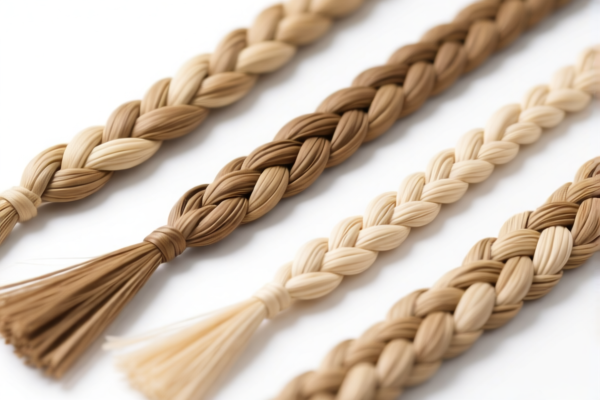
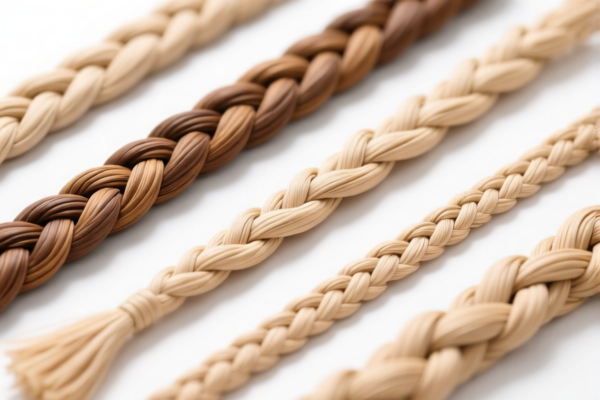
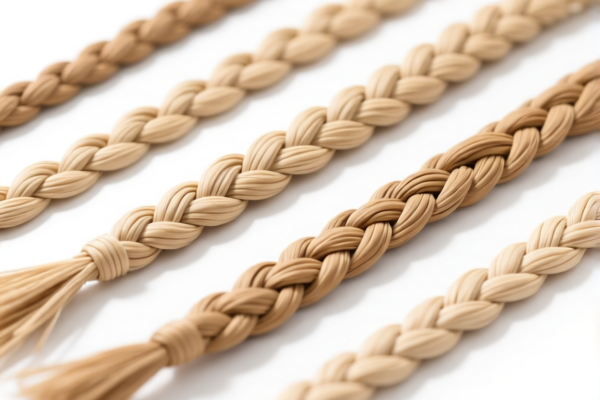
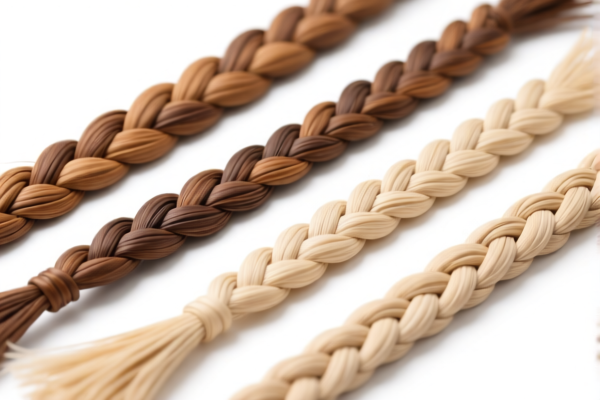
AI Analysis
🧺 Outdoor Braided Products (Wicker, Rattan, Plaiting Materials)
🌐 HS Code Reference & Clearance Guide | 2026 Latest Tariff Analysis | Professional Clearance Strategy
📌 I. Product Definition & Classification: What are "Other Outdoor Braided Products"?
"Other outdoor braided products" typically refer to finished articles made from plaiting materials (such as rattan, willow, bamboo, reed, straw, or synthetic fibers) that are not specifically listed under heading 4601 (Plaiting materials assembled into mats, mats of plaiting materials, etc.).
In international trade, these are categorized based on two key factors: 1. Material Origin: Are they made from vegetable materials (natural) or other textile/plastic materials? 2. Specific Use: Are they general basketwork, camping gear (tents/tarpaulins), or other finished goods?
⚠️ Critical Distinction:
- If the product is a Tent/Tarpaulin → It falls under Chapter 63.
- If the product is a Basketwork/Furniture/Container made of natural fibers → It falls under Chapter 46.
- Do not confuse "braided mats" (4601) with "finished basketwork articles" (4602).
📦 II. HS Code Classification Details (2026 Latest Tariff Authority对照)
Based on the data provided, here are the precise classifications for "Outdoor Braided Products":
| HS Code | Product Description | Applicable Scenario | Material Type |
|---|---|---|---|
4602.90.00.00 |
Basketwork, wickerwork and other articles... Of other materials | Wicker furniture, decorative braided items, outdoor baskets made of synthetic/plastic/textile materials (not vegetable) | ❌ Non-Vegetable |
4602.19.80.00 |
Basketwork... Of vegetable materials... Other | Traditional wicker chairs, rattan baskets, bamboo mats, straw hats made of natural plant fibers | ✅ Vegetable |
6306.90.50.00 |
Tarpaulins, awnings... Of other textile materials | Outdoor tents, canvas awnings, sunblinds, camping tarps made of textile fabrics (nylon, polyester, cotton blends) | 🏕️ Textile/Camping |
6306.19.21.20 |
Tarpaulins, awnings and sunblinds: Other textile materials: Other | Specific sub-category of awnings, sunblinds, and outdoor shelters made of non-canvas textile materials | 🌞 Sunshade |
🔍 Key Reminder:
- Chapter 46 (4602) is for Basketwork/Wicker (rigid or semi-rigid structures).
- Chapter 63 (6306) is for Tents/Tarps/Awnings (flexible fabric structures).
- Vegetable materials (4602.19.80.00) are Duty-Free (0%).
- Other materials (4602.90.00.00) incur high tariffs (28.5%).
💰 III. 2026 Latest Tariff Rate Details (Including Add-ons)
✅ Applicable Country: United States (US)
✅ Origin: China (CN)
✅ Effective Date: Current (Includes Section 301 and IEEPA implications where applicable)
🎯 1. 4602.90.00.00 —— Basketwork/Wicker (Other Materials)
| Item | Content |
|---|---|
| Base Tariff | 3.5% (ad valorem) |
| Section 301 / Additional Tariff | +25.0% |
| Total Tariff | 28.5% |
| Tax Calculation | CIF Value × 28.5% |
| De Minimis Exemption? | ❌ No (Value exceeds threshold) |
| Legal Basis | USITC:4602.90.00.00 → FOOTNOTE:301.8 |
📌 Explanation:
- Products made of synthetic rattan, plastic wicker, or non-vegetable textiles are classified here.
- High Cost Alert: This category is heavily taxed due to being classified under "other materials" and subject to trade remedy tariffs.
- Example: Synthetic PE wicker patio furniture, plastic braided storage baskets.
🎯 2. 4602.19.80.00 —— Basketwork (Vegetable Materials)
| Item | Content |
|---|---|
| Base Tariff | 0.0% |
| Additional Tariff | 0.0% |
| Total Tariff | 0.0% |
| Tax Calculation | None |
| De Minimis Exemption? | N/A (Already free) |
| Legal Basis | USITC:4602.19.80.00 |
📌 Explanation:
- Products made from natural bamboo, rattan, willow, reed, or straw are Duty-Free.
- This is a preferred classification for natural fiber products.
- Example: Natural rattan garden chairs, bamboo sun-shades, straw tents.
🎯 3. 6306.90.50.00 —— Tents/Awnings (Other Textile Materials)
| Item | Content |
|---|---|
| Base Tariff | 0.0% |
| Additional Tariff | 0.0% |
| Total Tariff | 0.0% |
| Tax Calculation | None |
| Legal Basis | USITC:6306.90.50.00 |
📌 Explanation:
- Covers general tents and camping goods made of textile materials (not specifically coated canvas or other specific sub-headings).
- Duty-Free for most standard camping tents.
🎯 4. 6306.19.21.20 —— Awnings/Sunblinds (Other Textile Materials)
| Item | Content |
|---|---|
| Base Tariff | 0.0% |
| Additional Tariff | 0.0% |
| Total Tariff | 0.0% |
| Tax Calculation | None |
| Legal Basis | USITC:6306.19.21.20 |
📌 Explanation:
- Specifically for awnings and sunblinds used for outdoor shading.
- Duty-Free.
- Example: Fabric retractable awnings for patios, beach umbrellas (if not classified as tents).
🛠️ IV. Clearance Practical Advice (Real-World Pitfall Avoidance)
✅ 1. Document Checklist (Must-Have)
| Document | Required? | Notes |
|---|---|---|
| ✅ Material Composition Report | ✔️ Critical | Must specify % of Vegetable vs. Synthetic/Plastic materials. This determines Chapter 46 vs. 63 and duty rate. |
| ✅ Product Photos | ✔️ | Clear images showing texture, weave, and finished form. |
| ✅ Usage Description | ✔️ | Is it a "Tent" (6306) or a "Basket/Chair" (4602)? |
| ✅ Commercial Invoice | ✔️ | Must match HS Code description exactly. |
| ✅ Fumigation Certificate | ✔️ | Required for ALL vegetable materials (bamboo, rattan, straw) to prevent pest introduction. |
✅ 2. Declaration Tips (Key Mantras)
🔥 "Natural is Free, Synthetic is Taxed; Tent vs. Basket, Define Clearly!"
| Scenario | Correct Classification | Wrong Classification | Consequence |
|---|---|---|---|
| Synthetic Wicker Chair | 4602.90.00.00 |
4602.19.80.00 |
Under-declaration: 28.5% penalty + back taxes |
| Natural Bamboo Basket | 4602.19.80.00 |
4602.90.00.00 |
Over-payment (0% vs 28.5%) |
| Fabric Tent | 6306.90.50.00 |
4602.19.80.00 |
Classification error: Tents are Chapter 63, not 46 |
| Retractable Patio Awning | 6306.19.21.20 |
6306.90.50.00 |
Minor: Both 0%, but 19.21.20 is more precise |
✅ 3. Special Cases
| Situation | Handling Advice |
|---|---|
| Mixed Materials (e.g., Metal Frame + Plastic Wicker) | If metal frame is dominant, may shift to Chapter 73. If plastic weave is essential character, keep 4602.90.00.00. |
| Wooden/Wicker Furniture | If it has upholstery or metal parts, ensure it doesn't shift to Chapter 94 (Furniture). Pure basketwork stays in 4602. |
| Wood Fumigation | For 4602.19.80.00 (vegetable), ISPM 15 compliance is mandatory. Without fumigation certificate, goods will be rejected or re-exported. |
🌍 V. Global Market Clearance Comparison (2026)
| Country/Region | Recommended HS Code | Tariff Rate | Certification Requirement | Notes |
|---|---|---|---|---|
| 🇺🇸 USA | 4602.19.80.00 (Natural) |
0% | Phytosanitary Certificate | 4602.90.00.00 (Synthetic) = 28.5% |
| 🇺🇸 USA | 6306.90.50.00 (Tent) |
0% | None specific | Ensure it's not a "permanent structure" |
| 🇨🇳 China | 4602.19.80.00 |
0% | None | Friendly for natural fiber imports |
| 🇪🇺 EU | 4602.19.80.00 |
0% | CE (if applicable) | Low risk for natural materials |
| 🇬🇧 UK | 4602.19.80.00 |
0% | None | Post-Brexit tariffs generally aligned |
📌 Conclusion:
- USA is the most critical market due to the 28.5% tariff on non-vegetable basketwork.
- Natural Vegetable Materials are universally 0% duty and low risk.
- Synthetic/Plastic Braided Goods face high barriers in the US.
📌 VI. Common Mistakes & Pitfalls (Lessons Learned)
❌ Mistake 1: Declaring Synthetic Wicker as Natural Rattan
👉 Consequence: Customs inspection reveals plastic fibers → 28.5% duty + fraud penalties.
✅ Fix: Accurate material composition report.
❌ Mistake 2: Declaring a Tent as a Basket
👉 Consequence: Confusion in HS Code 4602 vs 6306. While both might be 0% for some sub-codes, it leads to delays and requests for clarification.
✅ Fix: Use correct HTSUS sub-heading based on function (Shelter vs. Storage).
❌ Mistake 3: Missing Fumigation Certificate for Bamboo/Rattan
👉 Consequence: USDA rejection, destruction, or re-export.
✅ Fix: Always obtain ISPM 15 fumigation certificate for vegetable-based products.
🎯 VII. Conclusion: Professional Classification, Cost Optimization
🎯 Remember the Mantra:
🔹 "Vegetable = Free (0%), Synthetic = High (28.5%)"
🔹 "Tent = 6306, Basket = 4602, Awning = 6306.19"
🔹 "Natural Needs Fumigation, Synthetic Needs Precise Description"
📌 Pro Tip:
If you are exporting Synthetic Wicker Furniture to the US, consider:
1. Supply Chain Diversification: Ship from a non-China origin if possible to avoid 301 tariffs.
2. HTSUS Review: Check if your specific product fits a duty-free exception or lower-rate sub-heading.
3. Pre-Ruling: Apply for an Advance Ruling from US Customs to confirm the HS Code and avoid surprise bills.
📣 Action Item:
📞 Contact a licensed customs broker
📄 Provide Material Breakdown + Photos
🚀 Secure your Fumigation Certificate for natural goods
📊 Minimize Tariffs, Maximize Profit!
✨ Expert Clearance, Start with Accurate Classification!
💼 Your Every Dollar of Cost is Worth Precise Calculation!
Customer Reviews
About HS Code Classification
The Harmonized System (HS) is an internationally standardized nomenclature developed by the World Customs Organization (WCO) to classify traded products. Over 200 countries use the HS system as the basis for customs tariffs, trade statistics, and import/export regulations.
Each HS code follows a hierarchical structure:
- Chapter (2 digits) — Broad category of goods (e.g., Chapter 84: Machinery and Mechanical Appliances)
- Heading (4 digits) — More specific grouping within the chapter
- Subheading (6 digits) — Internationally standardized breakdown, used by all WCO member countries
- National subdivisions (8-10 digits) — Country-specific extensions for further classification, such as US HTSUS 10-digit codes
Correct HS code classification is essential for smooth customs clearance, accurate duty payment, and compliance with trade regulations. Misclassification can lead to customs delays, overpayment of duties, or penalties.
When importing from CN to US, the applicable tariff rates may include:
- Most-Favored-Nation (MFN) rate — The standard duty rate applied to WTO members
- General rate — Applied to countries without trade agreements
- Trade remedy duties — Additional tariffs such as Section 301 (anti-dumping), Section 232 (national security), or countervailing duties
The information provided on this page is for reference purposes only. For official classification, please consult with your local customs authority or a licensed customs broker.