Other plastic film
CN → US| HS Code | Tariff Rate | Origin | Destination | Doc |
|---|---|---|---|---|
| 8485200000 | 38.1% | CN | US | Official Doc |
| 3921904010 | 39.2% | CN | US | Official Doc |
| 3921905010 | 39.8% | CN | US | Official Doc |
| 3920992000 | 39.2% | CN | US | Official Doc |
| 3921904010 | 39.2% | CN | US | Official Doc |
Product Images
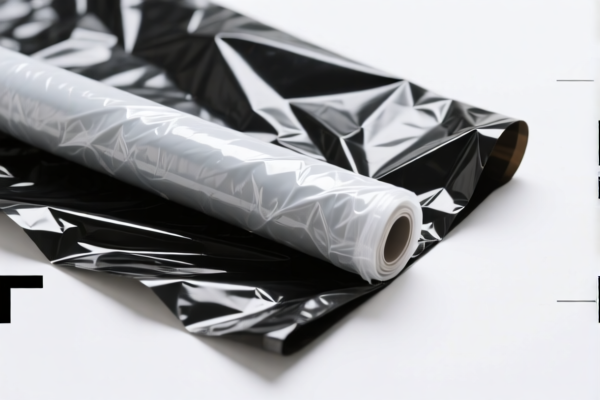
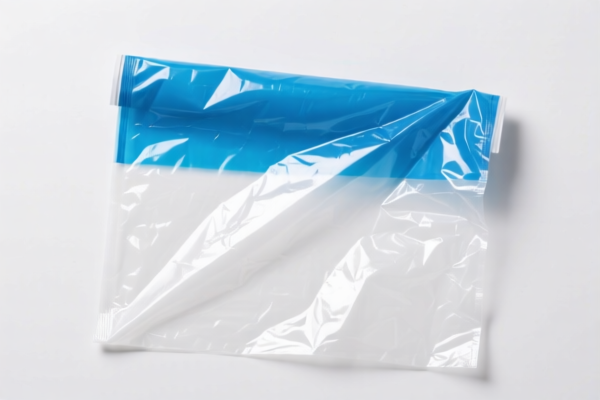
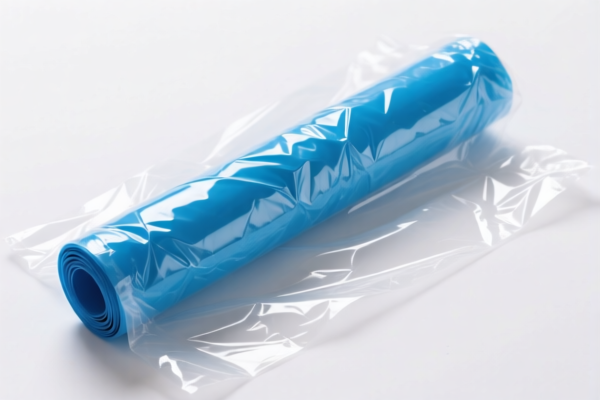
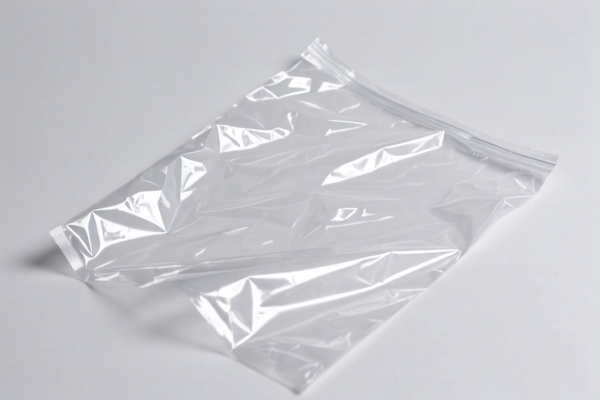
AI Analysis
📦 Other Plastic Films (Layered & Shading)
🌐 HS Code Reference & Customs Clearance Guide | 2026 Latest Tariff Analysis | Professional Compliance Strategy
📌 I. Product Definition & Classification: What are "Other Plastic Films"?
"Other Plastic Films" in international trade typically refer to plastic sheets, films, foils, and strips that do not fall under specific categories like self-adhesive tapes, photographic films, or rigid plates. They are often layered (laminated) or used for sunshading/protection.
The critical distinction lies in the structure and composition:
- Layered/Laminated Films (3921 Series): Made by bonding multiple plastic layers or plastic with other materials (paper, metal foil).
- Shading Films (3920 Series): Specifically designed to block or diffuse sunlight, often used in agriculture or construction.
⚠️ Key Distinction Point:
- If the product is a single-layer flexible plastic film (even if it has UV treatment), it generally falls under 3920.
- If the product is laminated (multiple layers bonded together) or has a distinct "other" structural composition, it falls under 3921.
- Misclassification Risk: Declaring a laminated film as a simple single-layer film can lead to lower duty evasion audits.
📦 II. HS Code Classification Details (2026 Latest Tariff Authority Match)
Based on the provided data, here are the specific HS Codes and their tax implications for "Other Plastic Films." Note that 122-Clause Tariffs and Section 301 Tariffs are currently in effect for Chinese-origin goods.
| HS Code | Product Description | Category | Total Tax Rate | Tax Composition Breakdown |
|---|---|---|---|---|
8485.20.00.00 |
Other layered plastic films (General Category) | Miscellaneous/Other | 38.1% | Base: 3.1% + Sec. 301: 25.0% + Clause 122: 10.0% |
3921.90.40.10 |
Other layered plastic films (Specific Subcategory) | Other Plastic Plates/Sheets | 39.2% | Base: 4.2% + Sec. 301: 25.0% + Clause 122: 10.0% |
3921.90.50.10 |
Other layered plastic films (General Subcategory) | Other Category | 39.8% | Base: 4.8% + Sec. 301: 25.0% + Clause 122: 10.0% |
3920.99.20.00 |
Other plastic shading films (Flexible Films) | Flexible Plastic Films | 39.2% | Base: 4.2% + Sec. 301: 25.0% + Clause 122: 10.0% |
3921.90.40.10 |
Other plastic shading films (Inferred Category) | Other Category (Inferred) | 39.2% | Base: 4.2% + Sec. 301: 25.0% + Clause 122: 10.0% |
🔍 Important Note:
-8485.20.00.00is a unique outlier here with a lower base rate (3.1%), resulting in the lowest total duty (38.1%). However, it is categorized as "Other" under miscellaneous headings. Ensure the product does not fit more specifically into Chapter 39 (Plastics) before using this code, as customs may reclassify it.
-3921.90.40.10and3921.90.50.10are the most common codes for laminated plastic films.
-3920.99.20.00is specific to shading films that are flexible and not laminated.
💰 III. 2026 Latest Tariff Rate Breakdown (Including Additional Taxes)
✅ Applicable Country: USA (US)
✅ Origin: China (CN)
✅ Effective Time: Current (Including subsequent imports)
🎯 1. 8485.20.00.00 — Other Layered Plastic Films (General/Miscellaneous)
| Item | Details |
|---|---|
| Base Tariff | 3.1% (ad valorem) |
| Section 301 Surcharge | +25.0% (From USITC Footnote regarding Chinese goods) |
| Clause 122 Tariff | +10.0% (Specific trade remedy/clause surcharge) |
| Total Tax Rate | 38.1% |
| Tax Calculation | CIF Value × 38.1% |
| De Minimis Eligibility | ❌ No (Deny De Minimis) |
| Legal Basis Path | USITC:8485.20.00.00 → Section 301 → Clause 122 |
📌 Explanation:
- This code offers the lowest total duty (38.1%) among the listed options.
- However, it is crucial to verify that the product truly belongs to Chapter 84 (Machinery/Parts) or "Other" miscellaneous categories, as plastic films usually belong to Chapter 39. Misclassification here could result in penalties.
🎯 2. 3921.90.40.10 & 3921.90.50.10 — Other Layered Plastic Films (Chapter 39)
| Item | Details |
|---|---|
| Base Tariff | 4.2% (for .40.10) / 4.8% (for .50.10) |
| Section 301 Surcharge | +25.0% |
| Clause 122 Tariff | +10.0% |
| Total Tax Rate | 39.2% (for .40.10) / 39.8% (for .50.10) |
| Tax Calculation | CIF Value × 39.2% / 39.8% |
| De Minimis Eligibility | ❌ No (Deny De Minimis) |
| Legal Basis Path | USITC:3921.90 → Section 301 → Clause 122 |
📌 Note:
- These are the standard codes for laminated plastic films.
- The difference between .40.10 and .50.10 lies in the specific sub-classification of "other" plastic articles.
- 39.2% is the most likely accurate rate for standard layered plastic films.
🎯 3. 3920.99.20.00 — Other Plastic Shading Films
| Item | Details |
|---|---|
| Base Tariff | 4.2% |
| Section 301 Surcharge | +25.0% |
| Clause 122 Tariff | +10.0% |
| Total Tax Rate | 39.2% |
| Tax Calculation | CIF Value × 39.2% |
| De Minimis Eligibility | ❌ No (Deny De Minimis) |
| Legal Basis Path | USITC:3920.99 → Section 301 → Clause 122 |
📌 Note:
- Use this code only if the film is explicitly for sunshading and is not laminated (or if the laminated structure is secondary to its shading function).
- If it is laminated,3921.90.40.10is more appropriate.
🛠️ IV. Customs Clearance Practical Advice (Pitfall Avoidance Guide)
✅ 1. Documentation Checklist (Mandatory)
| Document | Required | Description |
|---|---|---|
| ✅ Product Specification Sheet | ✔️ | Must detail: Material composition (e.g., PE/PP/PET), number of layers, lamination process, and specific use (e.g., "agricultural shading" vs. "industrial packaging"). |
| ✅ Lamination Process Description | ✔️ | Crucial for distinguishing between 3920 (single layer/flexible) and 3921 (laminated). Provide technical diagrams if possible. |
| ✅ Product Photos | ✔️ | Clear images showing cross-sections (to prove lamination) and end-use. |
| ✅ Commercial Invoice | ✔️ | Must explicitly state "Plastic Film, Laminated" or "Shading Film." Avoid vague terms like "Plastic Sheet." |
| ✅ Packing List | ✔️ | Detail weight and dimensions to verify consistency with HS Code requirements. |
| ✅ Certificate of Origin (CO) | ✔️ | Required for Section 301 and Clause 122 enforcement. |
✅ 2. Declaration Tips (Key Mnemonic)
🔥 "Laminated is 3921, Shading is 3920, Check Structure, Avoid Fine!"
| Scenario | Correct HS Code | Common Mistake | Consequence |
|---|---|---|---|
| Multi-layer plastic (Laminated) | 3921.90.40.10 (39.2%) |
Declaring as 3920 (Simple Film) |
Under-declaration penalty + Retroactive duty + Interest |
| Single-layer Shading Film | 3920.99.20.00 (39.2%) |
Declaring as 3921 (Laminated) |
Over-declaration (minor issue, but causes delays) |
| Ambiguous "Other" Plastic Film | 3921.90.50.10 (39.8%) |
Guessing | Higher duty than necessary; risk of reclassification |
Trying to use 8485.20.00.00 |
Only if truly "Other" per customs ruling | Using for standard plastic films | High risk of audit, penalty, and refusal of entry |
📌 Critical Advice:
- Do not guess between3920and3921. The physical structure (laminated vs. non-laminated) is the deciding factor.
-8485.20.00.00is risky. Only use if your product has a very specific, non-standard plastic composition that doesn't fit Chapter 39, and you have a Pre-Ruling from CBP.
✅ 3. Special Circumstances
| Situation | Handling Advice |
|---|---|
| OEM Custom Films | Provide client contracts and technical specs. Prove if the lamination is for specific industrial use. |
| Films with Metal/Paper Layers | Definitely 3921. Do not try to classify as pure plastic. |
| Shading Film with Reinforcing Mesh | If mesh is integral, it may still be 3920 if not fully laminated with another plastic sheet. Consult a specialist. |
| Small Samples (De Minimis) | ❌ Not Eligible. All listed codes have Section 301 + Clause 122, so even small shipments are subject to full duties. |
🌍 V. Global Market Comparison (2026 Update)
| Country/Region | Recommended HS Code | Tariff Rate | Certification | Notes |
|---|---|---|---|---|
| 🇺🇸 USA | 3921.90.40.10 |
39.2% | No special certs required | High duties due to Sec. 301 + Clause 122. |
| 🇨🇳 China | 3921.90.40.10 |
4.2% | N/A | No additional surcharges. |
| 🇪🇺 EU | 3921.90.90 |
0% - 6.5% | REACH, RoHS | No Section 301 equivalent. |
| 🇦🇺 Australia | 3921.90.00 |
5% | ABA Standards | No additional surcharges. |
| 🇬🇧 UK | 3921.90.90 |
0% - 4.5% | UKCA, REACH | Post-Brexit rules apply. |
📌 Conclusion:
- The USA imposes the highest barriers due to the 37.5% additional duties (25% + 10%).
- For other markets, the base duty is much lower (0%–6.5%).
- Strategy: Consider supply chain diversification if targeting the US market exclusively, or use Foreign Trade Zones (FTZ) if eligible.
📌 VI. Common Errors & Pitfalls (Lessons Learned)
❌ Error 1: Declaring laminated films as "Plastic Sheets" under 3920.
👉 Consequence: Customs will reclassify to 3921, issuing a Bill of Lading correction and additional duties.
❌ Error 2: Ignoring the 122-Clause Tariff.
👉 Consequence: Underpayment of 10%. CBP audits often catch this, leading to penalties and interest.
❌ Error 3: Using 8485.20.00.00 without Pre-Ruling.
👉 Consequence: High risk of entry refusal. Chapter 84 is for machinery parts, not general plastic films.
❌ Error 4: Vague Description ("Plastic Film").
👉 Consequence: Customs broker cannot determine correct code. Leads to hold and additional documentation requests.
✅ Correct Action:
"Laminated Polyethylene Film, 3-Layer, for Industrial Packaging, HS Code 3921.90.40.10, Origin: China"
🎯 VII. Conclusion: Precise Classification Saves Money!
🎯 Remember:
🔹 "Laminated = 3921, Shading = 3920."
🔹 "Total Duty is ~39% for US Imports."
🔹 "Always verify lamination structure."
📌 Pro Tip:
If your product qualifies as "Shading Film" but is also laminated, consult a customs specialist. Sometimes, the primary function (shading) can justify 3920, but the structure (laminated) pushes it to 3921. Documentation is key.
📣 Immediate Action:
📞 Engage a Licensed Customs Broker to review product samples.
📝 Request a CBP Pre-Ruling if the classification is ambiguous.
🚀 Ensure your supplier provides accurate technical specs to avoid duty overpayment or underpayment.
✨ Professional Clearance Starts with Accurate Classification!
💼 Every 0.1% in duty matters. Get it right.
Customer Reviews
About HS Code Classification
The Harmonized System (HS) is an internationally standardized nomenclature developed by the World Customs Organization (WCO) to classify traded products. Over 200 countries use the HS system as the basis for customs tariffs, trade statistics, and import/export regulations.
Each HS code follows a hierarchical structure:
- Chapter (2 digits) — Broad category of goods (e.g., Chapter 84: Machinery and Mechanical Appliances)
- Heading (4 digits) — More specific grouping within the chapter
- Subheading (6 digits) — Internationally standardized breakdown, used by all WCO member countries
- National subdivisions (8-10 digits) — Country-specific extensions for further classification, such as US HTSUS 10-digit codes
Correct HS code classification is essential for smooth customs clearance, accurate duty payment, and compliance with trade regulations. Misclassification can lead to customs delays, overpayment of duties, or penalties.
When importing from CN to US, the applicable tariff rates may include:
- Most-Favored-Nation (MFN) rate — The standard duty rate applied to WTO members
- General rate — Applied to countries without trade agreements
- Trade remedy duties — Additional tariffs such as Section 301 (anti-dumping), Section 232 (national security), or countervailing duties
The information provided on this page is for reference purposes only. For official classification, please consult with your local customs authority or a licensed customs broker.