Other plastic foil (for decoration)
CN → US| HS Code | Tariff Rate | Origin | Destination | Doc |
|---|---|---|---|---|
| 3920992000 | 39.2% | CN | US | Official Doc |
| 3920995000 | 40.8% | CN | US | Official Doc |
Product Images


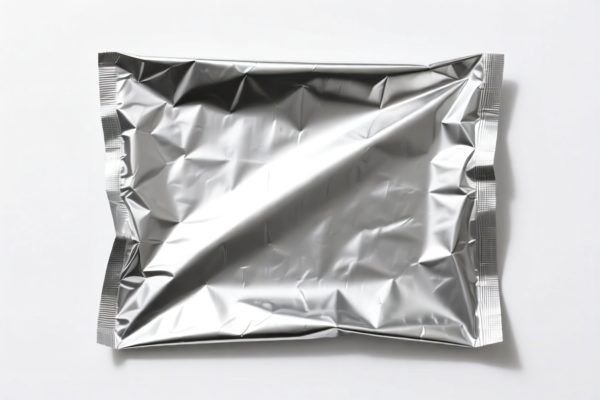
AI Analysis
✨ Decorative Plastic Foil (Other Plastic Film/Strip)
🌐 HS Code Reference & Customs Clearance Guide | 2026 Latest Tariff Analysis | Professional Level Clearance Strategy
📌 I. Product Definition & Classification: Do You Really Understand "Decorative Plastic Foil"?
Decorative plastic foil is a versatile material used in packaging, labeling, crafts, and interior decoration. In international trade, it is primarily classified under Chapter 39 (Plastics and Articles Thereof).
The critical distinction lies in the physical structure and composition: 1. Flexible Film/Strip: Thin, pliable sheets or rolls of plastic. 2. Cellular vs. Non-cellular: Is it foam-like (cellular) or solid (non-cellular)? Note: The provided HS codes specify "Noncellular". 3. Reinforcement/Lamination: Is it reinforced, laminated, or combined with other materials (like paper or metal)? Note: The provided HS codes specify "Not reinforced, laminated, supported or similarly combined".
⚠️ Key Distinction Point:
- If the foil is simple, flexible, non-cellular plastic (even if printed for decoration), it falls under 3920.99.
- If it is laminated to paper, aluminum, or reinforced with glass fibers, it may fall under different subheadings (e.g., 3921 or 3919), but based on the provided data, we strictly focus on non-laminated, non-reinforced forms.
📦 II. HS Code Classification Details (2026 Latest Tariff Authority Reference)
| HS Code | Product Description | Applicable Scenario | Reinforced/Laminated? |
|---|---|---|---|
3920.99.20.00 |
Other plates, sheets, film, foil and strip, of plastics, noncellular and not reinforced... Of other plastics: Film, strip and sheets... Flexible: Other | Decorative foils (e.g., PVC, PET, PP films) used for wrapping, stickers, or simple decoration. Solid plastic, flexible. | ❌ No |
3920.99.50.00 |
Other plates, sheets, film, foil and strip, of plastics, noncellular and not reinforced... Of other plastics: Other | Other plastic foils not falling under the specific "film/strip/sheet" flexible categories, or broader "other" plastics within Chapter 39. | ❌ No |
🔍 Key Reminder:
- Both codes apply to Non-cellular, Non-reinforced, Non-laminated plastics.
- If your decorative foil is printed, it still generally falls under 3920 as long as the print is merely surface decoration and does not constitute a composite material (like vinyl backing + plastic film laminated together).
- Do not confuse with Chapter 49 (Printed matter) or Chapter 32 (Paints/Lacquers) if the decoration involves thick layers of lacquer that change the nature of the article.
💰 III. 2026 Latest Tariff Rate Detail (Including Surtax, Policy Surcharges)
✅ Applicable Country: United States (US)
✅ Origin: China (CN)
✅ Effective Date: 2025/2026 Period (Subject to current trade policies)
🎯 1. 3920.99.20.00 —— Other Plastic Film/Strip (Flexible, Noncellular)
| Item | Content |
|---|---|
| Base Tariff | 4.2% (Ad Valorem) |
| Section 301 Surtax (China) | +25.0% |
| Total Tax Rate | 29.2% |
| Tax Calculation | CIF Value × 29.2% |
| De Minimis Exemption | ❌ Not Applicable (High tariff goods usually excluded from 8U rule benefits depending on specific enforcement, but generally high surtax items are scrutinized) |
| Legal Basis Path | HTSUS:3920.99.20.00 → Section 301: 9903.88.17 (Example Footnote) |
📌 Explanation:
- The 4.2% is the standard Most Favored Nation (MFN) duty for other plastic plates/sheets/film.
- The 25.0% is the additional duty imposed under Section 301 of the Trade Act of 1974 on certain Chinese imports (List 3/4 items often include plastic products).
- Total Cost Impact: A $10,000 shipment incurs $2,920 in duties. This is a significant cost factor for low-margin decorative goods.
🎯 2. 3920.99.50.00 —— Other Plastic Foil (Other)
| Item | Content |
|---|---|
| Base Tariff | 0.0% |
| Section 301 Surtax (China) | 0.0% |
| Total Tax Rate | 0.0% |
| Tax Calculation | CIF Value × 0% |
| De Minimis Exemption | ✅ Applicable (Generally, 0% duty goods are eligible for de minimis if under $800, but verify specific carrier rules) |
| Legal Basis Path | HTSUS:3920.99.50.00 → Free Entry |
📌 Explanation:
- This code attracts No Duty. This is a critical advantage.
- Risk: Customs officers may scrutinize this code heavily to ensure it doesn't actually fit under3920.99.20.00(which has taxes). Misclassification here can lead to back taxes, penalties, and audits.
🛠️ IV. Customs Clearance Practical Advice (Battle-Tested Pitfall Guide)
✅ 1. Required Documentation Checklist (Non-negotiable)
| Document | Must Provide? | Description |
|---|---|---|
| ✅ Product Specifications | ✔️ | Material type (PVC, PET, OPP, etc.), Thickness (microns/mils), Width, Roll Length. |
| ✅ Product Photos | ✔️ | Clear shots of the roll, cross-section (to prove non-cellular), and label. |
| ✅ Commercial Invoice | ✔️ | Must state: "Decorative Plastic Foil, Material: [Type], Not Reinforced, Not Laminated." |
| ✅ Packing List | ✔️ | Net weight, Gross weight, Number of rolls/cartons. |
| ✅ Material Safety Data Sheet (MSDS) | ⚠️ If applicable | If the foil contains solvents or hazardous coatings, MSDS may be required. |
| ✅ Proof of Non-Lamination | ⚠️ Critical | If asked, provide technical data showing it is a single layer of plastic, not bonded to paper/metal. |
✅ 2. Classification Strategy (Key Mantra)
🔥 "Material First, Structure Second, Print Third!"
| Scenario | Correct HS Code | Wrong Action | Consequence |
|---|---|---|---|
| Simple Decorative Film (PVC/PET) | 3920.99.20.00 |
Claiming 3920.99.50.00 to save tax |
Audit Risk: If it fits 20.00 description, you face 29.2% back-tariff + penalties. |
| Non-standard Plastic Strip | 3920.99.50.00 |
Classifying as Film (20.00) | Overpayment: You pay 29.2% when you qualify for 0%. |
| Laminated Foil (e.g., Plastic+Paper) | NOT 3920 | Using 3920 codes | Misclassification: Should be 4823 (Paper) or 3921 (Laminated). High penalty. |
| Cellular Plastic (Foam) | NOT 3920 | Using 3920 codes | Wrong Chapter: Should be 3921 (Cellular plastics). |
✅ 3. Special Situation Handling
| Situation | Handling Advice |
|---|---|
| Printed vs. Unprinted | Printing does not change the HS Code from 3920.99. Both printed and unprinted decorative foils use the same codes. |
| Adhesive Backing | If it has a self-adhesive backing applied during manufacturing, it MIGHT be classified under 3919 (Self-adhesive plates/sheets/film). Check if 3919 offers better rates! Note: The provided data does not include 3919, but this is a crucial clearance tip. |
| Small Samples | If value < $800, ensure it qualifies for De Minimis (Section 321). However, goods under 3920.99.20.00 may still face scrutiny due to the 25% surtax history. |
| Composite Packaging | If sold with a display card (paper), declare separately or ensure the plastic is the principal material. |
🌍 V. Global Market Clearance Comparison (2026 Latest)
| Country/Region | Recommended HS Code | Tariff Rate | Certification Requirements | Notes |
|---|---|---|---|---|
| 🇺🇸 USA | 3920.99.20.00 |
29.2% (4.2% + 25%) | None (General) | High Cost! Consider 3920.99.50.00 if technically compliant. |
| 🇨🇳 China | 3920.99.20.00 |
~6-9% (Import Duty) | None | Domestic production may be cheaper. |
| 🇪🇺 EU | 3920.99.xx |
0% (Most FTAs) | REACH (Chemical Safety) | Check REACH compliance for PVC/Plasticizers. |
| 🇬🇧 UK | 3920.99.xx |
0% (Post-Brexit Tariffs) | UKCA Mark (if applicable) | Similar to EU. |
| 🇯🇵 Japan | 3920.99.xx |
6% | JIS/Plastic Resin Law | Standard import duty applies. |
📌 Conclusion:
- USA is the most expensive market due to Section 301 tariffs.
- Cost Optimization: Can your product be technically described as3920.99.50.00("Other") to achieve 0% duty? Consult a customs broker.
- Alternative: If the foil is self-adhesive, investigate HS 3919. It may have different duty rates and surtax applicability.
📌 VI. Common Errors & Pitfall Guide (Blood & Tears Lessons)
❌ Error 1: Assuming all "Plastic Film" is one code.
👉 Consequence: If you put a flexible, standard decorative film under 3920.99.50.00 (0%), CBP may reclassify it to 3920.99.20.00 (29.2%), demanding $29,200 on a $100k shipment + interest.
❌ Error 2: Ignoring "Lamination".
👉 Consequence: If your decorative foil is laminated to paper (e.g., a sticker), classifying it as 3920 is wrong. It should be 4823 or 3921. Misclassification leads to fraud allegations.
❌ Error 3: Vague Description "Plastic Sheet".
👉 Consequence: CBP will ask for more info, delaying clearance by 2-4 weeks.
✅ Correct Description: "Non-cellular, non-reinforced PVC decorative film, flexible, printed, width 50cm, roll form."
🎯 VII. Conclusion: Professional Classification Saves Money!
🎯 Remember the Mantra:
🔹 "Flexible & Non-cellular? Check 3920.99.20.00 (29.2%)."
🔹 "Other Plastic Foil? Check 3920.99.50.00 (0%)."
🔹 "Self-Adhesive? Look at 3919! Laminated? Look at 3921!"
🔹 "In the USA, 29% vs 0% is a massive difference. Prove your case!"
📌 Pro Tip:
If you are importing into the USA, and the product is Self-Adhesive Decorative Foil, strongly consider HS 3919. It is often classified under "Self-adhesive plates, sheets, film, foil, tape, strip and other flat shapes, of plastics". Check if 3919.xx has a lower surtax or exemption compared to 3920. This is a common optimization strategy!
📣 Immediate Action:
📞 Consult a Customs Broker: Ask specifically: "Does my decorative foil qualify as 'Other' (3920.99.50.00) to avoid the 25% surtax?"
📄 Prepare Tech Specs: Have thickness, material composition, and layer structure documents ready.
🚀 Accurate Declaration: Save costs and avoid audits by choosing the precise code!
✨ Professional Clearance Starts with Accurate Classification!
💼 Your Profit Margin Depends on the Right HS Code!
Customer Reviews
About HS Code Classification
The Harmonized System (HS) is an internationally standardized nomenclature developed by the World Customs Organization (WCO) to classify traded products. Over 200 countries use the HS system as the basis for customs tariffs, trade statistics, and import/export regulations.
Each HS code follows a hierarchical structure:
- Chapter (2 digits) — Broad category of goods (e.g., Chapter 84: Machinery and Mechanical Appliances)
- Heading (4 digits) — More specific grouping within the chapter
- Subheading (6 digits) — Internationally standardized breakdown, used by all WCO member countries
- National subdivisions (8-10 digits) — Country-specific extensions for further classification, such as US HTSUS 10-digit codes
Correct HS code classification is essential for smooth customs clearance, accurate duty payment, and compliance with trade regulations. Misclassification can lead to customs delays, overpayment of duties, or penalties.
When importing from CN to US, the applicable tariff rates may include:
- Most-Favored-Nation (MFN) rate — The standard duty rate applied to WTO members
- General rate — Applied to countries without trade agreements
- Trade remedy duties — Additional tariffs such as Section 301 (anti-dumping), Section 232 (national security), or countervailing duties
The information provided on this page is for reference purposes only. For official classification, please consult with your local customs authority or a licensed customs broker.