Other plastic foils
CN → US| HS Code | Tariff Rate | Origin | Destination | Doc |
|---|---|---|---|---|
| 8485200000 | 38.1% | CN | US | Official Doc |
| 3921904010 | 39.2% | CN | US | Official Doc |
| 3921905010 | 39.8% | CN | US | Official Doc |
| 3920992000 | 39.2% | CN | US | Official Doc |
| 3921904010 | 39.2% | CN | US | Official Doc |
Product Images

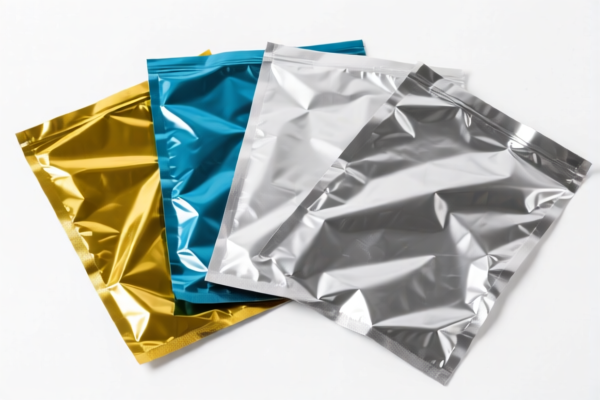
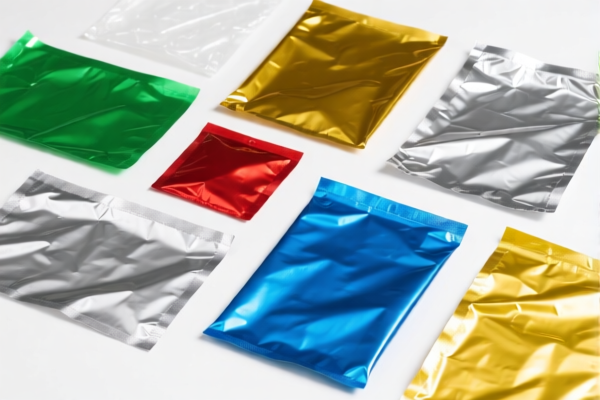
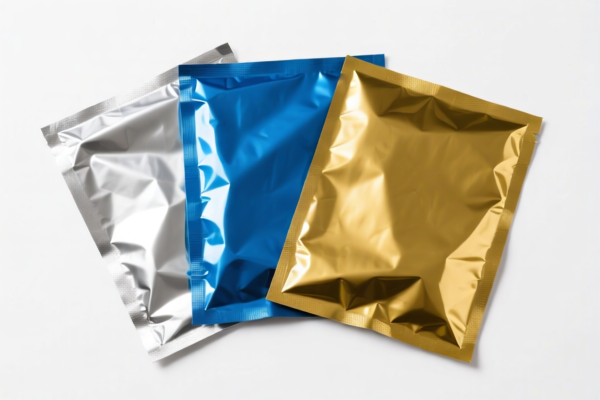
AI Analysis
📦 Other Plastic Foils (Other Plastic Films)
🌐 HS Code Reference & Customs Clearance Guide | 2026 Latest Tariff Analysis | Professional Compliance Strategy
📌 I. Product Definition & Classification: What Are "Other Plastic Foils"?
In international trade, "Other Plastic Foils" or "Plastic Films" refer to flat, flexible plastic products that do not fall into specific categories like rigid plates, sheets, rods, or tubes. They are typically used for packaging, insulation, shading, lamination, and protective covering.
According to the Harmonized System (HS), these products are primarily classified under Chapter 39 (Plastics and Articles Thereof), specifically Heading 3920 (Plates, sheets, film, foil and strip, of non-cellular plastics) and 3921 (Other plates, sheets, film, foil and strip, of plastics).
⚠️ Key Distinction Points:
- Layered/Laminated (3921): If the film consists of multiple layers of different plastics bonded together (e.g., co-extruded or glued), it often falls under 3921.
- Single Layer/Non-Layered (3920): If it is a single material or extruded as one uniform unit, it may fall under 3920.
- Specific Function: "Shading films" (遮阳膜) have specific sub-headings depending on whether they are layered or not.
📊 II. HS Code Classification Details (2026 Latest Tariff Authority)
The following HS Codes are derived directly from your provided data. Note that for imports into the United States from China, high additional tariffs apply.
| HS Code | Product Description | Summary | Total Tax Rate |
|---|---|---|---|
8485.20.00.00 |
Other laminated plastic films | Layered plastic film, categorized under "Other" | 38.1% |
3921.90.40.10 |
Other plastic films | Meets requirements for other plastic plates, sheets, films, foils, and strips | 39.2% |
3921.90.50.10 |
Laminated plastic films | Layered plastic film, categorized under "Other" | 39.8% |
3920.99.20.00 |
Other plastic shading films | Other plastic flexible films with shading properties | 39.2% |
3921.90.40.10 |
Other plastic shading films | Reasonable inference for shading films under "Other" category | 39.2% |
🔍 Important Note:
- The data provided indicates that all these HS codes carry significant additional tariffs.
- There is a slight variance between Laminated (layered) and Non-Laminated films in terms of base tariffs, but the 301/122 Clause tariffs dominate the final cost.
💰 III. 2026 Latest Tariff Rate Breakdown (Including Additional Taxes)
✅ Applicable Country: United States (US)
✅ Country of Origin: China (CN)
✅ Effective Time: 2025/2026 (Current Trade War Context)
🎯 1. 8485.20.00.00 & 3921 Series (Laminated/Other Films)
For HS Codes: 8485.20.00.00, 3921.90.40.10, 3921.90.50.10
| Item | Content |
|---|---|
| Base Tariff | 3.1% - 4.8% (Ad Valorem) |
| Section 301 / Additional Tariff | +25.0% (USITC Footnote associated with 301 tariffs) |
| Section 122 Clause Tariff | +10.0% (Specific 122 clause tariff for plastics/films) |
| Total Tariff Rate | 38.1% - 39.8% |
| Tax Calculation | CIF Value × Total Tax Rate |
| De Minimis Exemption | ❌ Not Applicable (Section 301 and 122 tariffs typically apply to all entries, regardless of value) |
📌 Explanation:
- Base Tariff: Varies slightly by sub-heading (3.1% for 8485, 4.2-4.8% for 3921).
- 301 Tariff (+25%): Applied to most Chinese-origin plastics and films to counter unfair trade practices.
- Section 122 (+10%): A specific additional duty applied to certain plastic products to protect domestic manufacturing.
- Result: The combined effect results in a total tax burden of ~38-40%, making cost optimization critical.
🎯 2. 3920.99.20.00 (Plastic Shading Films)
For HS Code: 3920.99.20.00
| Item | Content |
|---|---|
| Base Tariff | 4.2% |
| Section 301 / Additional Tariff | +25.0% |
| Section 122 Clause Tariff | +10.0% |
| Total Tariff Rate | 39.2% |
| Tax Calculation | CIF Value × 39.2% |
| De Minimis Exemption | ❌ Not Applicable |
📌 Explanation:
- Shading films are treated similarly to other plastic films under Section 301.
- The 39.2% rate is consistent with many other non-laminated plastic films in the dataset.
🛠️ IV. Customs Clearance Practical Advice (Battle-Tested Pitfall Guide)
✅ 1. Required Documentation Checklist (Non-Negotiable)
| Document | Mandatory? | Description |
|---|---|---|
| ✅ Commercial Invoice | ✔️ | Must clearly state: "Plastic Film/Foil," Material Type, Dimensions, Thickness, Usage. |
| ✅ Packing List | ✔️ | Detail weight, dimensions, and number of rolls/rolls. |
| ✅ Product Specification Sheet | ✔️ | Include: Layer composition (if laminated), Material (PE, PP, PET, etc.), Thickness, Width. |
| ✅ Certificate of Origin (CO) | ✔️ | Crucial for proving Chinese origin (to apply correct tariff rates). |
| ✅ Bill of Lading (B/L) | ✔️ | Ensure HS Code is pre-verified if possible. |
| ✅ Test Reports | ✔️ | RoHS, REACH, or specific performance tests if required by buyer/customs. |
✅ 2. Declaration Tips (Key Mnemonic)
🔥 "Layered is 3921, Single is 3920, Shading needs care, 301 is everywhere!"
| Scenario | Correct Declaration | Wrong Practice |
|---|---|---|
| Laminated Film (Multiple layers bonded) | 3921.90.50.10 or 8485.20.00.00 |
Misdeclare as single-layer 3920 → Risk of penalty + higher audit |
| Single Layer Film (e.g., PE, PP) | 3920.99.20.00 (if shading) or 3921.90.40.10 (if other) |
Misdeclare as laminated → Unnecessary complexity |
| Shading Film | Clearly describe as "Shading Film" | Generic "Plastic Film" → May trigger additional scrutiny |
| Small Quantity / Sample | Still declare accurately | Assume "De Minimis" exemption → NO EXEMPTION for 301/122 tariffs |
✅ 3. Special Cases Handling
| Case | Handling Advice |
|---|---|
| Co-Extruded Films | Considered "Laminated" or "Layered" → Likely 3921. Provide layer composition. |
| Shading Films for Greenhouses/Automotive | Clearly state end-use. May fall under 3920.99.20.00. |
| Re-Exported Goods | If transshipped through Vietnam/Mexico, origin rules still apply. Chinese content > 50% may still trigger 301 tariffs. |
| Packaging vs. Product | If the film is packaging (e.g., wrapping), it still falls under Chapter 39. No automatic exemption. |
🌍 V. Global Market Comparison (2026)
| Country/Region | Recommended HS Code | Tariff (China Origin) | Notes |
|---|---|---|---|
| 🇺🇸 USA | 3921.90.40.10 / 3920.99.20.00 |
38.1% - 39.8% | High 301 + 122 tariffs. No de minimis. |
| 🇨🇳 China | 3920.99.20.00 |
~5-8% | Standard MFN rate. No additional war tariffs. |
| 🇪🇺 EU | 3920.99.20.00 |
~0-6.5% | No Section 301/122. Check VAT and duties. |
| 🇦🇺 Australia | 3920.99.20.00 |
~5% | Standard free trade agreements may apply. |
| 🇯🇵 Japan | 3920.99.20.00 |
~0-5% | JETI agreement may reduce duties. |
📌 Conclusion:
- The USA is the most expensive market for Chinese plastic films due to the combination of Base + 301 + 122 tariffs.
- Total landed cost impact: A $10,000 shipment may incur $3,810 - $3,980 in duties alone.
- Strategy: Consider supply chain diversification (e.g., sourcing from Vietnam/Thailand) if feasible, but be aware of Rules of Origin compliance.
📌 VI. Common Errors & Pitfall Guide (Blood & Tears Lessons)
❌ Error 1: Assuming "Plastic Film" is low-duty
👉 Consequence: Underpayment of $30k+ on a $100k shipment due to 301/122 tariffs.
❌ Error 2: Misclassifying Laminated Film as Single-Layer
👉 Consequence: Customs may reclassify, leading to higher duties and penalties for misdeclaration.
❌ Error 3: Believing "De Minimis" ($800) applies
👉 Consequence: No exemption for Section 301/122 tariffs on Chinese goods. Even samples are taxed.
❌ Error 4: Vague Description ("Plastic Sheet")
👉 Consequence: Customs delay, additional inspection, and potential detention until proper classification is provided.
✅ Correct Approach:
"Laminated Plastic Film, PE/PET, 50 Microns, for Packaging, Chinese Origin, HS 3921.90.50.10"
🎯 VII. Conclusion: Precise Classification Saves Money
🎯 Remember the Motto:
🔹 "Laminated is 3921, Shading is 3920, 301 is 25%, 122 is 10% — Total ~39%!"
🔹 "No De Minimis for 301, Declare Accurately, Avoid Penalties!"
📌 Pro Tip:
- Pre-Ruling: Apply for an Advance Ruling from CBP if your product is complex (e.g., multi-layer, special coatings).
- Supply Chain Audit: If shipping from China, consider transshipment only if substantial transformation occurs in a third country (e.g., Vietnam, Mexico), but ensure compliance with US Customs rules on circumvention.
- Costing: Factor in ~40% duty in your pricing model for US imports.
📣 Immediate Action:
📞 Contact a Licensed Customs Broker + Provide Technical Specs + Verify HS Code
🚀 Minimize Tariff Impact, Maximize Profit, Ensure Smooth Clearance!
✨ Professional Customs Clearance Starts with Precise Classification!
💼 Every Dollar of Duty Saved is Pure Profit!
Customer Reviews
About HS Code Classification
The Harmonized System (HS) is an internationally standardized nomenclature developed by the World Customs Organization (WCO) to classify traded products. Over 200 countries use the HS system as the basis for customs tariffs, trade statistics, and import/export regulations.
Each HS code follows a hierarchical structure:
- Chapter (2 digits) — Broad category of goods (e.g., Chapter 84: Machinery and Mechanical Appliances)
- Heading (4 digits) — More specific grouping within the chapter
- Subheading (6 digits) — Internationally standardized breakdown, used by all WCO member countries
- National subdivisions (8-10 digits) — Country-specific extensions for further classification, such as US HTSUS 10-digit codes
Correct HS code classification is essential for smooth customs clearance, accurate duty payment, and compliance with trade regulations. Misclassification can lead to customs delays, overpayment of duties, or penalties.
When importing from CN to US, the applicable tariff rates may include:
- Most-Favored-Nation (MFN) rate — The standard duty rate applied to WTO members
- General rate — Applied to countries without trade agreements
- Trade remedy duties — Additional tariffs such as Section 301 (anti-dumping), Section 232 (national security), or countervailing duties
The information provided on this page is for reference purposes only. For official classification, please consult with your local customs authority or a licensed customs broker.