Other plastic interior panels
CN → US| HS Code | Tariff Rate | Origin | Destination | Doc |
|---|---|---|---|---|
| 3926909989 | 22.8% | CN | US | Official Doc |
| 3919905060 | 40.8% | CN | US | Official Doc |
| 3919102055 | 40.8% | CN | US | Official Doc |
| 3920992000 | 39.2% | CN | US | Official Doc |
| 3920991000 | 41.0% | CN | US | Official Doc |
Product Images
AI Analysis
🏠 Other Plastic Interior Panels: Comprehensive HS Code Guide & 2026 Customs Strategy
🌐 HS Code Reference & Clearance Guide | 2026 Tariff Breakdown | Professional Logistics Strategy
📌 1. Product Definition: What Are "Other Plastic Interior Panels"?
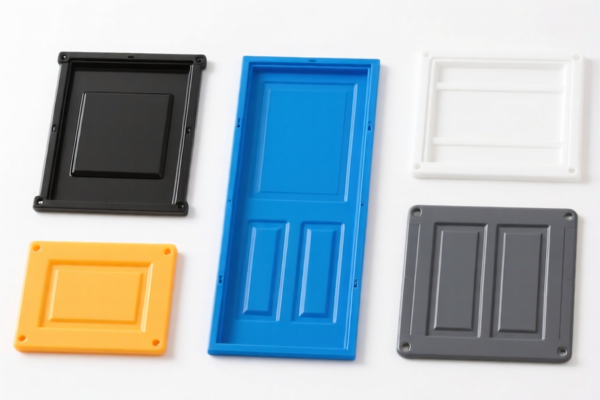
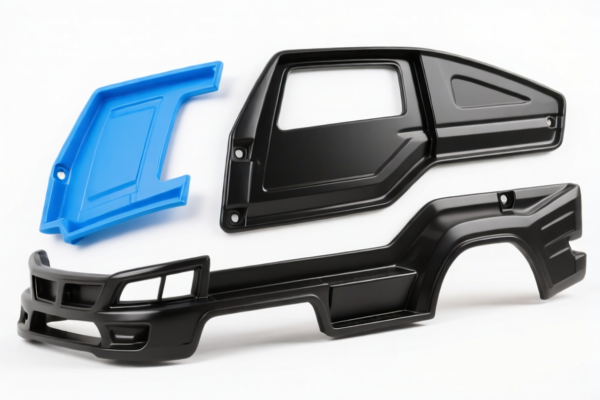
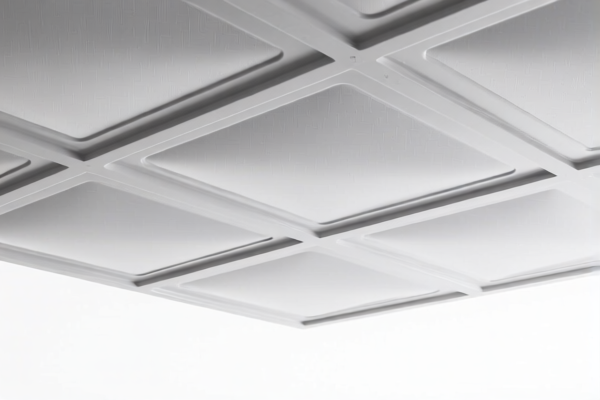
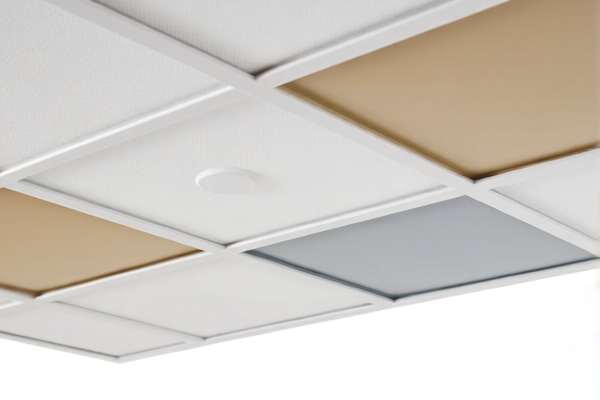
"Other plastic interior panels" (often referred to as plastic wall decorative films/membranes or flexible interior wall coverings) are versatile synthetic materials used in automotive, residential, and commercial interiors.
- Key Characteristics: Made primarily from plastic polymers (PVC, ABS, PET, PP), supplied in roll (film) or sheet (product) form.
- Usage: Wall cladding, vehicle interior lining, decorative backings, and protective surface layers.
- The Critical Distinction: The HS Code classification hinges entirely on the physical form:
- Is it a flexible film (rolls, sheets used for wrapping)?
- Is it a rigid/fixed product (molded parts, finished wall decor)?
- Is it cellular/foamed or non-cellular?
- Is it reinforced with fibers or materials?
⚠️ Critical Warning: Misclassifying a "finished wall panel" as a "flexible film" (or vice versa) can lead to massive tariff discrepancies (e.g., 22.8% vs. 41.0%) and potential customs penalties.
📦 2. HS Code Classification Breakdown (2026 Tariff Authority)
Based on the specific material properties and forms, here is the precise mapping of "Other Plastic Interior Panels" to the provided HS Codes:
| HS Code | Product Description & Classification Logic | Application Scenario | Tax Risk Level |
|---|---|---|---|
| 3926.90.99.89 | Other Plastic Wall Decorative Membranes / Products • Material: Plastic • Form: Membrane/Finished Product (General category) • Logic: Fits the "Other plastics articles" catch-all category. |
• Finished wall decor items • Rigid or semi-rigid plastic wall panels • Products that don't fit specific film categories |
🟢 Lowest (22.8% Total) |
| 3919.90.50.60 | Other Self-Adhesive or Non-Adhesive Plastic Films • Material: Plastic • Form: Flat shape/Film • Logic: Specifically categorized under "Other plastic flat shapes." |
• Roll films for wall covering • Decorative adhesive sheets (not in 3919.10) |
🟠 High (40.8% Total) |
| 3919.10.20.55 | Other Plastic Films • Material: Plastic • Form: Film • Logic: Fits the "Other" films category, likely non-cellular/non-reinforced. |
• Thin plastic wraps for interiors • General purpose flexible plastic films |
🟠 High (40.8% Total) |
| 3920.99.20.00 | Other Plastic Plates, Sheets, Film, Sheet, and Strip • Material: Plastic (Non-cellular, Non-reinforced) • Form: Flexible Film • Logic: Describes "non-cellular" flexible membranes. |
• Non-foamed plastic wall skins • Pure plastic films for interior application |
🟠 High (39.2% Total) |
| 3920.99.10.00 | Other Plastic Plates, Sheets, Film • Material: Plastic • Form: Film/Sheet • Logic: The general "Other" fallback category for plastic flat products. |
• Miscellaneous plastic interior sheets • Products without specific fiber reinforcement |
🟠 Highest (41.0% Total) |
💰 3. 2026 Tariff Rate Analysis (Detailed Breakdown)
✅ Applicable Market: USA (United States) ✅ Origin: China (CN) ✅ Effective Date: Based on 2026 projections (Current 122 & Section 301 measures)
🎯 Scenario A: The "Best Case" (3926.90.99.89)
Classification: Other Plastic Articles (Finished or Semi-finished)
| Item | Content |
|---|---|
| Base Tariff | 5.3% (Standard MFN rate) |
| Section 301 (Additional) | 7.5% (Trade policy surcharge) |
| Section 122 (China) | 10.0% (Specific China surcharge) |
| Total Tax Rate | 22.8% |
| Savings vs. Others | ~18% lower than film classifications |
| Legal Path | 3926.90 (Other articles) → 99 (Other) → 89 (Specific sub-category) |
📌 Why it's better: This code treats the item as a "finished plastic article" rather than a raw "film," often attracting lower punitive duties.
🎯 Scenario B: The "Film Trap" (3919.x.x & 3920.x.x)
Classification: Plastic Films and Sheets Codes: 3919.90.50.60, 3919.10.20.55, 3920.99.20.00, 3920.99.10.00
| Item | Content |
|---|---|
| Base Tariff | Ranges from 4.2% to 6.0% |
| Section 301 (Additional) | 25.0% (High tariff on Chinese plastic films) |
| Section 122 (China) | 10.0% |
| Total Tax Rate | 39.2% – 41.0% |
| Critical Factor | The 25% "301" surcharge applies strictly to plastic films/sheets. |
| Legal Path | 3919 (Self-adhesive) or 3920 (Non-self-adhesive) → 99 (Other) → 10/20 (Sub-codes) |
📌 The Trap: If your "interior panel" is a thin, flexible sheet or roll, customs will likely classify it as a Film (3919/3920), triggering the 25% Section 301 tax + 10% Section 122 tax, totaling ~41%.
🛠️ 4. Customs Clearance Operational Advice (The "Survival Guide")
✅ 1. Preparation Checklist (Essential Documents)
| Document | Requirement | Strategic Purpose |
|---|---|---|
| Product Specification Sheet | Mandatory: Must explicitly state Form (Roll vs. Finished Panel), Thickness, and Reinforcement. | Proves if it's a "film" (High Tax) or "article" (Low Tax). |
| Photos (Flat & Installed) | Mandatory: Show the product as a roll AND as an installed wall covering. | Helps CBP determine if it's a "finished product" (3926) or raw material (3919). |
| Composition Analysis | Mandatory: Material breakdown (e.g., PVC, PET, Foam, Fiberglass). | Distinguishes "Cellular/Foamed" vs. "Non-Cellular" (3920). |
| Application Instructions | Mandatory: How is it used? (Adhesive backing, mechanical fastening, cutting to size). | If "cut to size" or "molded," argue for 3926.90. If "rolls to be cut," argue 3919. |
| Commercial Invoice | Mandatory: Description must avoid ambiguous terms like "Plastic Sheet" if aiming for 3926. Use "Decorative Wall Panel." | Prevents immediate rejection by automated systems. |
✅ 2. Strategic Declaration Tactics
🔥 Golden Rule: "Form Dictates Tax: Finished = 22.8%, Raw Film = 41%"
| Situation | Recommended Classification | Declaration Wording | Avoid |
|---|---|---|---|
| Molded/Rigid Panel | 3926.90.99.89 | "Plastic Decorative Wall Panel, Molded, Finished" | "Plastic Sheet", "Roll", "Film" |
| Flexible Roll (Adhesive) | 3919.90.50.60 (High Risk) | "Self-Adhesive Plastic Film for Wall Covering" | Try to claim "Panel" if it's clearly a roll. |
| Non-Adhesive Roll (Wall Skin) | 3920.99.20.00 | "Non-Cellular Plastic Membrane for Interior Lining" | "Finished Panel" |
| Custom-Cut Panels | 3926.90.99.89 | "Plastic Wall Decorative Products, Custom Cut" | "Raw Plastic Sheet" |
✅ 3. Special Scenarios & Risk Management
| Scenario | Strategy |
|---|---|
| "Film" vs. "Article" | If the product is a roll, it is almost certainly 3919/3920 (40%+ tax). If it is pre-cut, molded, or finished, fight for 3926.90.99.89 (22.8%). |
| Reinforcement | If the plastic contains fiberglass or paper reinforcement, it may shift to 5903 (Textiles/Coated) or 3921. Ensure the HS Code matches the primary material. |
| Foamed/Cellular | If the plastic is foamed (EPS, PE foam), it falls under 3921.10/3921.90, not 3920. Do not use 3920 codes for foam! |
| Section 122 (10%) | Note that all these codes carry the 10% Section 122 surcharge. There is no code listed here without it. |
🌍 5. Quick Comparison: Why the 18% Difference Matters
- Shipment Value: $100,000
- Scenario A (3926.90.99.89):
- Tax = $22,800
- Savings: $18,200
- Scenario B (3919/3920 Series):
- Tax = $40,800 (Avg)
- Cost: Higher duty, lower margin, potential cash flow issues.
💡 Insight: The difference between calling it a "Plastic Film" and a "Plastic Wall Decorative Product" is an 18% tax savings.
📌 6. Common Pitfalls & Avoidance
❌ Mistake 1: Describing a finished wall panel as "Plastic Roll" to make it sound generic. 👉 Result: CBP inspects, sees it's a finished panel, and reclassifies to 3926? Wait, no. If you say "Roll" for a finished panel, they might reject it as inconsistent. If it is a roll, you get hit with the 41% tax. Be honest about the form.
❌ Mistake 2: Assuming all plastic interior items are "Other articles" (3926). 👉 Result: If it's a thin roll, it must be 3919/3920. Misclassifying a roll as 3926 is fraud (under-declaring tax).
❌ Mistake 3: Ignoring the Section 122 (10%) clause. 👉 Result: It applies to all listed codes. You cannot avoid this 10% surcharge for Chinese-origin plastic wall films/panels.
🎯 7. Conclusion: Actionable Next Steps
- Analyze Physical Form: Is it a roll (Film) or a cut shape (Article)?
- Select Code Wisely:
- Roll/Film → Expect 40.8% (3919/3920).
- Finished/Decorative → Aim for 22.8% (3926.90.99.89).
- Prepare Evidence: Have photos, specs, and installation guides ready to prove the "Finished Product" status if claiming 3926.
- Budget Accordingly: Factor in the 10% Section 122 tax on top of the base + 301 rates.
🚀 Final Tip: If you can modify the product to be pre-finished or molded rather than shipped as a roll, you may qualify for the lower 22.8% rate. Consult your engineering team on "Finish vs. Raw Form" before shipping!
✨ Master Your Clearance: Precision in Classification = Profit in Margins! 📧 Need a pre-classification ruling? Contact your logistics partner today.
Customer Reviews
About HS Code Classification
The Harmonized System (HS) is an internationally standardized nomenclature developed by the World Customs Organization (WCO) to classify traded products. Over 200 countries use the HS system as the basis for customs tariffs, trade statistics, and import/export regulations.
Each HS code follows a hierarchical structure:
- Chapter (2 digits) — Broad category of goods (e.g., Chapter 84: Machinery and Mechanical Appliances)
- Heading (4 digits) — More specific grouping within the chapter
- Subheading (6 digits) — Internationally standardized breakdown, used by all WCO member countries
- National subdivisions (8-10 digits) — Country-specific extensions for further classification, such as US HTSUS 10-digit codes
Correct HS code classification is essential for smooth customs clearance, accurate duty payment, and compliance with trade regulations. Misclassification can lead to customs delays, overpayment of duties, or penalties.
When importing from CN to US, the applicable tariff rates may include:
- Most-Favored-Nation (MFN) rate — The standard duty rate applied to WTO members
- General rate — Applied to countries without trade agreements
- Trade remedy duties — Additional tariffs such as Section 301 (anti-dumping), Section 232 (national security), or countervailing duties
The information provided on this page is for reference purposes only. For official classification, please consult with your local customs authority or a licensed customs broker.