Other plastic plates (Interior decoration use)
CN → US| HS Code | Tariff Rate | Origin | Destination | Doc |
|---|---|---|---|---|
| 3921190090 | 41.5% | CN | US | Official Doc |
| 3921905050 | 39.8% | CN | US | Official Doc |
| 3925900000 | 40.3% | CN | US | Official Doc |
| 3925200091 | 22.8% | CN | US | Official Doc |
| 3926305000 | 22.8% | CN | US | Official Doc |
| 3926909989 | 22.8% | CN | US | Official Doc |
Product Images
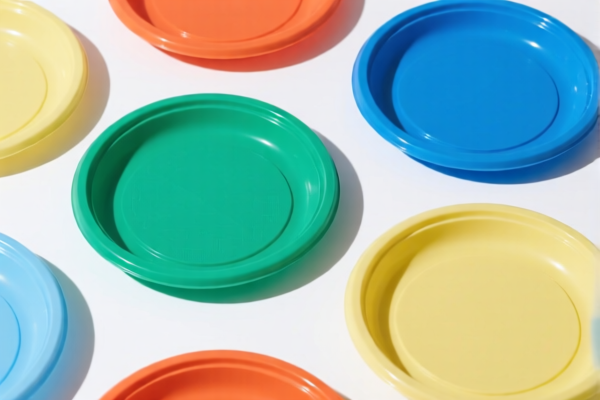

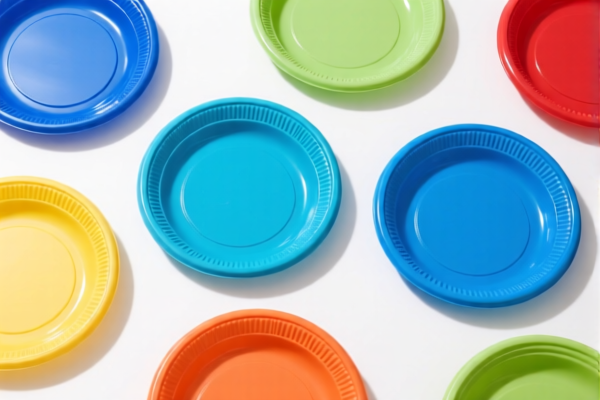
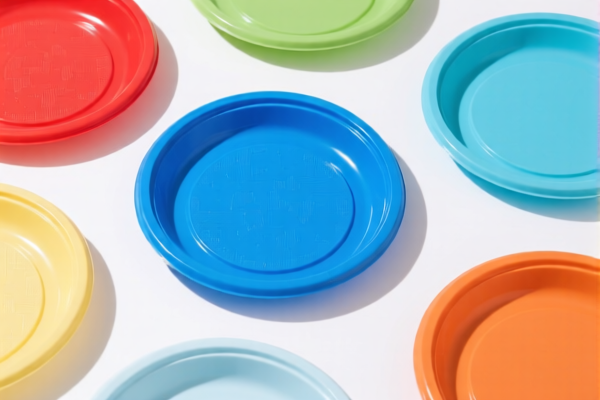
AI Analysis
🎨 Plastic Plates for Interior Decoration (Other Plastic Plates)
🌐 HS Code Reference & Customs Clearance Guide | 2026 Latest Tariff Analysis | Professional Clearance Strategy
📌 I. Product Definition & Classification: Do You Really Understand "Interior Decoration Plastic Plates"?
Plastic plates used for interior decoration are versatile materials ranging from PVC wall panels and decorative films to acrylic sheets and composite boards. In international trade, these products are often misclassified because they share characteristics with both "plastic sheets" and "plastic building materials." The key to accurate classification lies in their primary use and physical form.
Key Distinctions: * Interior Decoration Panels/Films: Typically thin, flexible, or specifically shaped for walls, ceilings, and furniture surfaces. These often fall under Chapter 39 (Plastics and Articles Thereof). * Plastic Building Components: Structural items like window frames, gutters, or cladding systems are usually classified under Chapter 39, Heading 3925. * General Purpose Sheets: Thick plastic plates not specifically designed for decoration or construction may fall under Heading 3921.
⚠️ Critical Classification Point:
- If the product is a decorative film/panel not specified elsewhere → Look at 3921.90.50.50.
- If the product is a general plastic plate (e.g., for industrial padding or non-decorative structural use) → Look at 3921.19.00.90.
- If the product is a building component (e.g., wall cladding, siding) → Look at 3925.90.00.00 or 3925.20.00.91.
📦 II. HS Code Classification Details (2026 Latest Tariff Authority对照)
| HS Code | Product Description | Application Scenario | Tax Rate Breakdown |
|---|---|---|---|
3921.19.00.90 |
Plastic plates, sheets, film, foil and strip (Other) | General-purpose plastic plates, industrial liners, non-decorative padding | Total: 41.5% Base: 6.5%, Sec 301: 25%, Section 122: 10% |
3921.90.50.50 |
Other plates, sheets, film, foil and strip (Decorative Use) | Interior decoration panels, PVC wall coverings, decorative acrylic sheets | Total: 39.8% Base: 4.8%, Sec 301: 25%, Section 122: 10% |
3925.90.00.00 |
Plastic building materials, n.e.c. (Not elsewhere classified) | Plastic wall cladding, exterior siding, decorative structural panels | Total: 40.3% Base: 5.3%, Sec 301: 25%, Section 122: 10% |
3925.20.00.91 |
Other plastic building components (Specific Category) | Specialized plastic building parts, decorative trim, non-standard cladding | Total: 22.8% Base: 5.3%, Sec 301: 7.5%, Section 122: 10% |
3926.30.50.00 |
Plastic articles for furniture, coachwork, etc. | Plastic trim pieces, decorative connectors, interior car parts | Total: 22.8% Base: 5.3%, Sec 301: 7.5%, Section 122: 10% |
🔍 Key Reminder:
- "Interior Decoration Use" strongly suggests 3921.90.50.50 if it's a flat sheet/panel.
- If the item is a structural building element (like wall siding), it may shift to 3925 series.
- Section 122 Tariffs apply to most plastic imports from China, adding a significant 10% layer.
- Section 301 Tariffs vary: Standard is 25%, but some specific building components enjoy reduced rates (7.5%).
💰 III. 2026 Latest Tariff Rate Detailed Explanation (Including Surcharges)
✅ Applicable Country: United States (US)
✅ Origin: China (CN)
✅ Effective Date: 2025-11-10 onwards
🎯 1. 3921.19.00.90 —— Other Plastic Plates (General Use)
| Item | Content |
|---|---|
| Base Tariff | 6.5% (Ad Valorem) |
| Section 301 Surcharge | +25.0% (Trade Act of 1974, Section 301) |
| Section 122 Surcharge | +10.0% (U.S. Trade Law, Section 122) |
| Total Tax Rate | 41.5% |
| Tax Calculation | CIF Value × 41.5% |
| De Minimis Exemption | ❌ Not Eligible (Denied under IEEPA/Section 301) |
| Legal Basis Path | IEEPA:9903.01.25 → USITC:3921.19.00.90 → FOOTNOTE:301/122 |
📌 Explanation:
- This code is for non-decorative, general-purpose plastic plates.
- The 25% Section 301 tariff applies broadly to Chinese plastics.
- The 10% Section 122 tariff is a additional layer on top.
- Total 41.5% is a high-cost structure. Ensure the product is truly "general use" and not "decorative" to avoid misclassification penalties.
🎯 2. 3921.90.50.50 —— Other Plastic Plates (Decorative Use)
| Item | Content |
|---|---|
| Base Tariff | 4.8% (Ad Valorem) |
| Section 301 Surcharge | +25.0% |
| Section 122 Surcharge | +10.0% |
| Total Tax Rate | 39.8% |
| Tax Calculation | CIF Value × 39.8% |
| De Minimis Exemption | ❌ Not Eligible |
| Legal Basis Path | IEEPA:9903.01.24 → USITC:3921.90.50.50 → FOOTNOTE:301/122 |
📌 Note:
- This is the most likely code for "Interior Decoration Use" if the product is a sheet/panel.
- The base rate is slightly lower (4.8% vs 6.5%), but the 301/122 surcharges are identical.
- Total 39.8% is still very high. Marketing as "decorative" does not exempt you from Section 301 tariffs.
🎯 3. 3925.90.00.00 —— Plastic Building Materials (Unclassified)
| Item | Content |
|---|---|
| Base Tariff | 5.3% |
| Section 301 Surcharge | +25.0% |
| Section 122 Surcharge | +10.0% |
| Total Tax Rate | 40.3% |
| Tax Calculation | CIF Value × 40.3% |
| De Minimis Exemption | ❌ Not Eligible |
| Legal Basis Path | IEEPA:9903.01.25 → USITC:3925.90.00.00 → FOOTNOTE:301/122 |
📌 Note:
- If your "decoration" plate is actually a wall cladding or siding, it may be classified here.
- The tax rate is 40.3%, slightly higher than3921.90.50.50.
🎯 4. 3925.20.00.91 —— Other Plastic Building Components
| Item | Content |
|---|---|
| Base Tariff | 5.3% |
| Section 301 Surcharge | +7.5% (Reduced Rate for Some Building Items) |
| Section 122 Surcharge | +10.0% |
| Total Tax Rate | 22.8% |
| Tax Calculation | CIF Value × 22.8% |
| De Minimis Exemption | ❌ Not Eligible |
| Legal Basis Path | IEEPA:9903.01.24 → USITC:3925.20.00.91 → FOOTNOTE:301/122 |
📌 Opportunity:
- This code offers the lowest total tax rate (22.8%).
- Condition: The product must be clearly defined as a "plastic building component" (e.g., specialized trim, decorative structural element) rather than a general sheet.
- Strategy: If your product can be classified as a specific building component rather than a generic sheet, consult with customs brokers to see if3925.20.00.91is applicable.
🎯 5. 3926.30.50.00 —— Plastic Articles for Furniture/Coachwork
| Item | Content |
|---|---|
| Base Tariff | 5.3% |
| Section 301 Surcharge | +7.5% |
| Section 122 Surcharge | +10.0% |
| Total Tax Rate | 22.8% |
| Tax Calculation | CIF Value × 22.8% |
| De Minimis Exemption | ❌ Not Eligible |
| Legal Basis Path | IEEPA:9903.01.24 → USITC:3926.30.50.00 → FOOTNOTE:301/122 |
📌 Opportunity:
- If the "plate" is a trim piece, connector, or decorative part for furniture or interior coachwork, this code applies.
- Also offers the lowest tax rate (22.8%).
- Strategy: If the product is a pre-shaped decorative element (not a raw sheet), this may be a better fit than3921.
🛠️ IV. Customs Clearance Practical Advice (Real-World Pitfall Guide)
✅ 1. Document Checklist (All Required)
| Document | Mandatory | Description |
|---|---|---|
| ✅ Product Specification Sheet | ✔️ | Must specify material (PVC, Acrylic, PP), thickness, weight, and intended use (Interior Decoration). |
| ✅ Product Photos | ✔️ | Clear images showing the product as installed or in use (e.g., on a wall, on furniture). |
| ✅ Commercial Invoice | ✔️ | Must accurately describe the product: "PVC Decorative Wall Panel" vs "Plastic Sheet". |
| ✅ Packing List | ✔️ | Detail contents, weight, and dimensions. |
| ✅ Certificate of Origin (CO) | ✔️ | Required for proof of origin (China). |
| ✅ Declaration of Use | ✔️ | Explicit statement: "For interior decoration use only." |
✅ 2. Declaration Tips (Key Mantra)
🔥 "Be Specific, Not Generic! 'Plate' vs 'Component' Changes Everything!"
| Situation | Correct Declaration | Wrong Declaration |
|---|---|---|
| Generic plastic sheet for decoration | 3921.90.50.50 - "Plastic Sheet for Decorative Use" |
"Plastic Plate" → 3921.19.00.90 (Higher Base Rate) |
| Wall Cladding/Siding | 3925.90.00.00 or 3925.20.00.91 |
"Plastic Sheet" → 3921 (Incorrect Classification) |
| Pre-shaped Trim/Connector | 3926.30.50.00 - "Plastic Decorative Part for Furniture" |
"Plastic Plate" → 3921 (Higher Tax) |
| Raw Material Sheet | 3921.19.00.90 |
"Decorative Panel" → Misclassification Risk |
✅ 3. Special Case Handling
| Situation | Handling Advice |
|---|---|
| OEM Decorative Panels | Provide design drawings to prove "decorative" intent. Avoid vague terms like "plastic plate." |
| Mixed Packaging | If boxes contain both raw sheets and finished trim pieces, separate declaration is required. Do not lump them together. |
| Export from China | Ensure the product description on the Chinese export declaration matches the US import declaration to avoid discrepancies. |
| Section 122 Tariff | Remember: The 10% Section 122 tariff applies to all plastic plates/ sheets from China, regardless of the base code. |
🌍 V. Global Market Comparison (2026 Latest)
| Country/Region | Recommended HS Code | Total Tariff | Certification | Notes |
|---|---|---|---|---|
| 🇺🇸 USA | 3921.90.50.50 |
39.8% | FCC (if electronic) | High due to 301+122 tariffs. |
| 🇨🇳 China | 3921.90.50.50 |
6.5% | CCC (if applicable) | No 301/122 tariffs. |
| 🇪🇺 EU | 3921.90.50.50 |
0-6.5% | CE | No Section 301/122. |
| 🇬🇧 UK | 3921.90.50.50 |
0-6.5% | UKCA | Post-Brexit tariffs apply. |
📌 Conclusion:
- USA is the most expensive market for plastic decorative plates due to layered tariffs.
- Strategy: Consider Section 301 Exclusions if available (rare for plastics), or explore supply chain diversification to non-China origins for better margins.
- Optimization: Try to classify products as3925.20.00.91or3926.30.50.00if they qualify, saving ~17% in tariffs.
📌 VI. Common Errors & Pitfall Guide (Lessons Learned)
❌ Error 1: Declaring "Plastic Plate" for a wall panel
👉 Consequence: Misclassification → Potential penalties or retroactive tariff adjustments.
❌ Error 2: Ignoring Section 122 Tariff
👉 Consequence: Under-declaring value → Customs audit, fines, and delayed release.
❌ Error 3: Claiming "De Minimis" Exemption
👉 Consequence: Always denied for plastic plates from China. Do not attempt.
❌ Error 4: Using "Sheet" for a pre-shaped component
👉 Consequence: Higher tax rate (3921 vs 3926).
✅ Correct Approach:
"PVC Interior Wall Decorative Panel, 1200mm x 600mm, Matte Finish, for Residential Use"
🎯 VII. Conclusion: Precision Saves Money!
🎯 Remember the Mantra:
🔹 "Generic Sheets = 39-41%; Building Components = 22.8%; Pre-shaped Parts = 22.8%!"
🔹 "Section 122 is the Silent Killer – 10% on top!"
🔹 "Declare 'Decorative Use' Clearly to Avoid 3921.19.00.90!"
📌 Pro Tip:
If your product is a pre-shaped decorative trim or furniture component, argue for 3926.30.50.00 or 3925.20.00.91 to save ~17% in tariffs.
Request an Advance Ruling from US Customs if unsure about classification.
📣 Immediate Action:
📞 Consult a licensed customs broker
📄 Prepare product specs and photos
🚀 Optimize your HS Code to save thousands!
✨ Professional Clearance, Starts with Accurate Classification!
💼 Every Percent Saved is Pure Profit!
Customer Reviews
About HS Code Classification
The Harmonized System (HS) is an internationally standardized nomenclature developed by the World Customs Organization (WCO) to classify traded products. Over 200 countries use the HS system as the basis for customs tariffs, trade statistics, and import/export regulations.
Each HS code follows a hierarchical structure:
- Chapter (2 digits) — Broad category of goods (e.g., Chapter 84: Machinery and Mechanical Appliances)
- Heading (4 digits) — More specific grouping within the chapter
- Subheading (6 digits) — Internationally standardized breakdown, used by all WCO member countries
- National subdivisions (8-10 digits) — Country-specific extensions for further classification, such as US HTSUS 10-digit codes
Correct HS code classification is essential for smooth customs clearance, accurate duty payment, and compliance with trade regulations. Misclassification can lead to customs delays, overpayment of duties, or penalties.
When importing from CN to US, the applicable tariff rates may include:
- Most-Favored-Nation (MFN) rate — The standard duty rate applied to WTO members
- General rate — Applied to countries without trade agreements
- Trade remedy duties — Additional tariffs such as Section 301 (anti-dumping), Section 232 (national security), or countervailing duties
The information provided on this page is for reference purposes only. For official classification, please consult with your local customs authority or a licensed customs broker.