Other plastic self adhesive protective tape
CN → US| HS Code | Tariff Rate | Origin | Destination | Doc |
|---|---|---|---|---|
| 3926909905 | 22.8% | CN | US | Official Doc |
| 3919102055 | 40.8% | CN | US | Official Doc |
| 3926909989 | 22.8% | CN | US | Official Doc |
| 4811594040 | 35.0% | CN | US | Official Doc |
| 3919905010 | 40.8% | CN | US | Official Doc |
Product Images
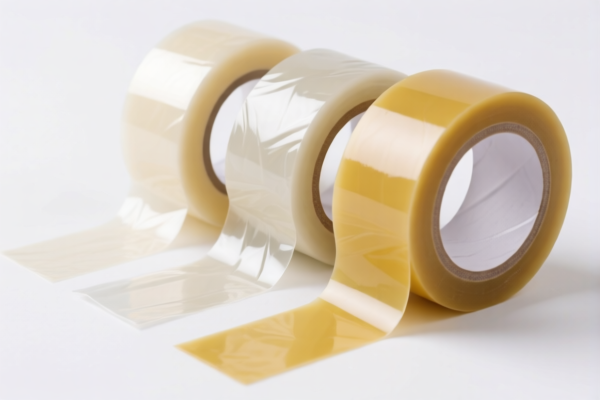
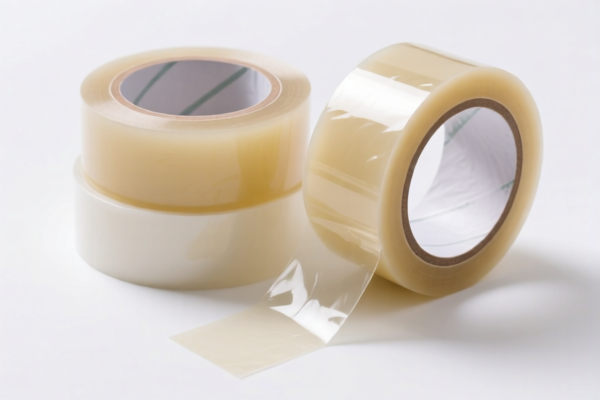
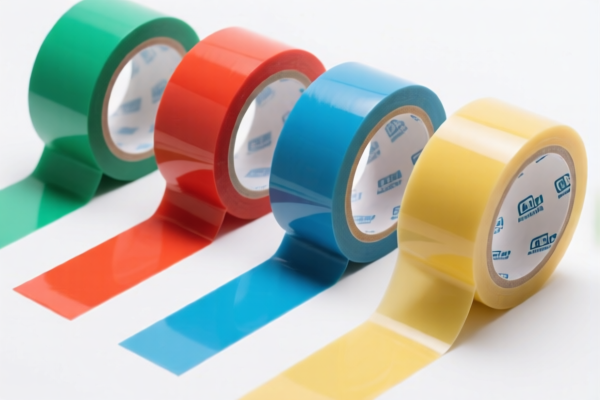
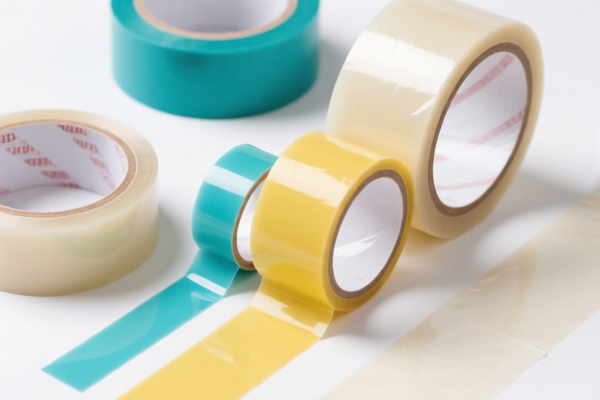
AI Analysis
🛡️ Other Plastic Self-Adhesive Protective Tape
🌐 HS Code Reference & Clearance Guide | 2026 Latest Tariff Analysis | Professional Clearance Strategy
📌 I. Product Definition & Classification: What Exactly Is "Other Plastic Self-Adhesive Tape"?
"Other plastic self-adhesive protective tape" is a broad category in international trade, primarily used for surface protection during manufacturing, transportation, and storage. The critical distinction in classification lies in the material composition (pure plastic vs. plastic-coated paper) and the physical form (strip/roll vs. sheet).
Misclassification is common and costly. Importers often confuse 3919 (Plastic tapes, rolls, strips) with 4811 (Paper products coated with plastic) or 3926 (Other plastic articles).
⚠️ Key Distinction Points:
- If the backing material is pure plastic (film, PE, PVC, PET) → Generally falls under 3919 or 3926.
- If the backing material is paper coated/laminated with plastic → Falls under 4811.
- If it is a sheet rather than a roll/strip → May fall under 3919.90 or 3926.
📦 II. HS Code Classification Details (2026 Latest Tariff Authority Comparison)
Based on the provided data, here are the four specific HS Codes applicable to "Other plastic self-adhesive protective tape," ranked by typical usage scenarios:
| HS Code | Product Description | Material/Form Detail | Applicability Scenario |
|---|---|---|---|
3919.10.20.55 |
Other plastic self-adhesive tapes, strips/rolls | Plastic material; Form: Roll/Strip; Use: Self-adhesive. Belongs to "Other" category. | Most common general-purpose plastic masking tapes (PE/PVC). |
3926.90.99.05 |
Other plastic self-adhesive strips, pure plastic | Pure Plastic; Form: Self-adhesive strip. Fails into "Catch-all" category. | Specific plastic strips not covered by 3919 subheadings. |
3926.90.99.89 |
Other plastic self-adhesive strips | Plastic; Form: Self-adhesive strip. "Other unlisted plastic articles." | Alternative catch-all for plastic strips not fitting 3919.10 exactly. |
4811.59.40.40 |
Other plastic self-adhesive strips, paper-based | Plastic-coated Paper; Form: Strip. Belongs to "Other" category. | Masking tapes with a paper backing (e.g., standard blue painter's tape if it has a paper base). |
3919.90.50.10 |
Other plastic self-adhesive colored sheets | Plastic; Form: Sheet (not roll); Use: Self-adhesive. | Non-roll formats, such as adhesive sheets or colored protective films cut into sheets. |
🔍 Critical Reminder:
- Paper-backed tapes (like standard blue painter’s tape) are often mistakenly declared as plastic. If the backing is paper, use 4811.59.40.40.
- Pure plastic films (like PE stretch wrap or PVC masking tape) fall under 3919 or 3926.
- Sheets vs. Rolls: If the product is sold as a pre-cut sheet, it may not qualify as a "roll/strip" under 3919.10, potentially shifting it to 3919.90 or 3926.
💰 III. 2026 Latest Tariff Rate Breakdown (Including Additional Taxes & Policy Surcharges)
✅ Applicable Country: United States (US)
✅ Country of Origin: China (CN)
✅ Effective Date: From Nov 10, 2025 (and subsequent imports)
🎯 1. 3919.10.20.55 —— Plastic Self-Adhesive Tapes (Roll/Strip)
The most common classification for standard plastic masking tapes.
| Item | Detail |
|---|---|
| Base Tariff | 5.8% (ad valorem) |
| Section 301 (Additional) | +25.0% |
| Section 122 (Additional) | +10.0% |
| Total Rate | 40.8% |
| Tax Calculation | CIF Value × 40.8% |
| De Minimis Exemption | ❌ Not Eligible (Deny de minimis) |
| Legal Basis Path | Section 301: 9903.01.24 → Section 122: IEEPA → USITC: 3919.10.20.55 |
📌 Explanation:
- 25%: Standard Section 301 tariff for most plastic articles from China.
- 10%: Section 122 additional tariff (often applied to specific plastic products).
- Total 40.8%: High cost impact. Ensure the product is clearly defined as "Plastic" not "Paper" to avoid under-declaration penalties.
🎯 2. 3926.90.99.05 & 3926.90.99.89 —— Other Plastic Self-Adhesive Strips
Used for pure plastic strips that do not fit the "tape roll" definition of 3919.
| Item | Detail |
|---|---|
| Base Tariff | 5.3% (ad valorem) |
| Section 301 (Additional) | +7.5% |
| Section 122 (Additional) | +10.0% |
| Total Rate | 22.8% |
| Tax Calculation | CIF Value × 22.8% |
| De Minimis Exemption | ❌ Not Eligible |
| Legal Basis Path | Section 301: 9903.01.25 → Section 122: IEEPA → USITC: 3926.90.99.xx |
📌 Explanation:
- Lower Base + Lower Section 301: These codes have a lower Section 301 rate (7.5% vs 25%) compared to 3919.10.
- Optimization Opportunity: If your product is a "strip" rather than a "roll/tape," verify if it qualifies for 3926. This can save ~18% in total duties.
- Risk: Customs may reclassify to 3919 if the product is clearly a "tape roll." Justification must be solid.
🎯 3. 4811.59.40.40 —— Plastic-Coated Paper Self-Adhesive Strips
For tapes with a paper backing (e.g., standard masking tape).
| Item | Detail |
|---|---|
| Base Tariff | 0.0% (ad valorem) |
| Section 301 (Additional) | +25.0% |
| Section 122 (Additional) | +10.0% |
| Total Rate | 35.0% |
| Tax Calculation | CIF Value × 35.0% |
| De Minimis Exemption | ❌ Not Eligible |
| Legal Basis Path | Section 301: 9903.01.25 → Section 122: IEEPA → USITC: 4811.59.40.40 |
📌 Explanation:
- 0% Base: Paper products often have lower base duties.
- Total 35.0%: Still high due to additional tariffs, but lower than plastic tapes (40.8%).
- Verification: Ensure the backing is indeed paper. If it’s a plastic film, declaring it as paper is fraud.
🎯 4. 3919.90.50.10 —— Other Plastic Self-Adhesive Colored Sheets
For non-roll formats.
| Item | Detail |
|---|---|
| Base Tariff | 5.8% (ad valorem) |
| Section 301 (Additional) | +25.0% |
| Section 122 (Additional) | +10.0% |
| Total Rate | 40.8% |
| Tax Calculation | CIF Value × 40.8% |
| De Minimis Exemption | ❌ Not Eligible |
| Legal Basis Path | Section 301: 9903.01.24 → Section 122: IEEPA → USITC: 3919.90.50.10 |
📌 Explanation:
- Same high tax rate as 3919.10.20.55.
- Only use if the product is explicitly a sheet and not a roll.
🛠️ IV. Clearance Practical Advice (Real-World Pitfall Guide)
✅ 1. Documentation Checklist (Non-Negotiable)
| Document | Required | Note |
|---|---|---|
| ✅ Product Specification Sheet | ✔️ | Must detail: Backing material (Paper vs. Plastic), Adhesive type, Thickness, Width. |
| ✅ Material Composition Certificate | ✔️ | Crucial for distinguishing between 4811 (Paper) and 3919/3926 (Plastic). |
| ✅ Product Photos | ✔️ | Show the cross-section (if paper-backed, paper fibers should be visible). |
| ✅ Commercial Invoice | ✔️ | Clear description: "Plastic Self-Adhesive Protective Tape, PE Material" OR "Paper-Based Masking Tape." |
| ✅ Packing List | ✔️ | Indicate if sold in rolls or sheets. |
✅ 2. Classification Strategy (Key Mnemonics)
🔥 “Roll is Tape (3919), Strip is Article (3926), Paper is Paper (4811), Sheet is Special (3919.90)”
| Scenario | Correct HS Code | Incorrect Code | Consequence |
|---|---|---|---|
| PE/PVC Masking Tape (Roll) | 3919.10.20.55 |
3926.90.99.05 |
Overpayment? Maybe, but 3919 is standard. |
| Pure Plastic Strip (Not Roll) | 3926.90.99.05/89 |
3919.10.20.55 |
Underpayment Risk: If reclassified to 3919, tariff jumps from 22.8% to 40.8%. |
| Paper-Backed Tape | 4811.59.40.40 |
3919.10.20.55 |
Severe Penalty: Misdeclaration of material. Tariff diff 5.8%, but compliance risk is high. |
| Adhesive Plastic Sheets | 3919.90.50.10 |
3919.10.20.55 |
Minor risk, but "Sheet" vs "Roll" must be clear. |
✅ 3. Special Case Handling
| Situation | Recommendation |
|---|---|
| Dual-Layer Tape (Plastic + Paper) | Analyze the primary material. If paper is the structural backing, use 4811. If plastic is the main bulk, use 3919. Provide test reports. |
| Colored Protective Film | If it’s a roll, use 3919.10.20.55. If it’s a sheet, use 3919.90.50.10. |
| Sample Shipments | Even small samples are subject to 40.8% or 22.8% tax. De minimis ($800) does NOT apply for these HS codes from China. |
🌍 V. Global Market Clearance Comparison (2026)
| Country/Region | Recommended HS Code | Total Tariff (China Origin) | Key Certifications | Notes |
|---|---|---|---|---|
| 🇺🇸 USA | 3919.10.20.55 |
40.8% | None specific | High duty. Verify material strictly. |
| 🇺🇸 USA | 3926.90.99.05 |
22.8% | None specific | Potential savings if product qualifies as "strip." |
| 🇨🇳 China | 3919.10.20.55 |
5.8% | CCC (if applicable) | Low duty. |
| 🇪🇺 EU | 3919.10.20 |
0% - 6.5% | REACH, RoHS | No Section 301/122 equivalent. |
| 🇬🇧 UK | 3919.10.20 |
0% - 6.5% | UKCA, REACH | Post-Brexit rules apply. |
📌 Conclusion:
- The USA is the most challenging market due to Section 301 + Section 122 tariffs.
- Optimization: If your product is a "strip" and not a "tape roll," consider3926.90.99.05to reduce tariffs by nearly half (22.8% vs 40.8%).
- Material Accuracy: Misdeclaring paper as plastic or vice versa can lead to severe penalties.
📌 VI. Common Errors & Pitfalls (Blood Lessons)
❌ Error 1: Declaring Paper-Backed Tape as Plastic Tape (3919.10.20.55)
👉 Consequence: Customs audits reveal paper fibers. Penalty for misdeclaration. Tariff difference is small, but compliance record is damaged.
❌ Error 2: Declaring Plastic Strips as Tapes (3919.10.20.55) when they should be 3926
👉 Consequence: Overpayment of duties (40.8% vs 22.8%). While not illegal, it hurts profit margins. Apply for Ruling to confirm "Strip" status.
❌ Error 3: Ignoring Section 122
👉 Consequence: All plastic/paper tapes from China are subject to +10% Section 122. Forgetting this leads to underpayment and interest.
❌ Error 4: Assuming De Minimis ($800) applies
👉 Consequence: Absolutely NOT. These HS codes are explicitly denied de minimis. Even $100 shipments are taxed.
✅ Correct Practice:
“Protective Masking Tape, PE Material, 1 Inch Width, Roll Form, Self-Adhesive, Model XYZ, Certified for Industrial Use”
🎯 VII. Conclusion: Precision Classification Saves Money!
🎯 Remember the Mantra:
🔹 “Roll is 3919 (40.8%), Strip is 3926 (22.8%), Paper is 4811 (35.0%).”
🔹 “No De Minimis for China! Tax is mandatory!”
🔹 “Material Proof is Key: Paper vs. Plastic!”
📌 Pro Tip:
If your product is a pure plastic strip and not a traditional "tape roll," consult a customs broker to justify 3926.90.99.05 or 3926.90.99.89. This can save you ~18% in duties.
Always request a Material Composition Report from your supplier to support your HS Code choice.
📣 Immediate Action:
📞 Engage a licensed US Customs Broker.
📄 Provide Product Samples + Material Reports.
📝 Apply for a Binding Ruling if shipment volume is high.
🚀 Ensure compliance, avoid penalties, and optimize costs!
✨ Professional Clearance Starts with Accurate Classification!
💼 Every Dollar in Tariffs is a Dollar of Profit Lost or Saved!
Customer Reviews
About HS Code Classification
The Harmonized System (HS) is an internationally standardized nomenclature developed by the World Customs Organization (WCO) to classify traded products. Over 200 countries use the HS system as the basis for customs tariffs, trade statistics, and import/export regulations.
Each HS code follows a hierarchical structure:
- Chapter (2 digits) — Broad category of goods (e.g., Chapter 84: Machinery and Mechanical Appliances)
- Heading (4 digits) — More specific grouping within the chapter
- Subheading (6 digits) — Internationally standardized breakdown, used by all WCO member countries
- National subdivisions (8-10 digits) — Country-specific extensions for further classification, such as US HTSUS 10-digit codes
Correct HS code classification is essential for smooth customs clearance, accurate duty payment, and compliance with trade regulations. Misclassification can lead to customs delays, overpayment of duties, or penalties.
When importing from CN to US, the applicable tariff rates may include:
- Most-Favored-Nation (MFN) rate — The standard duty rate applied to WTO members
- General rate — Applied to countries without trade agreements
- Trade remedy duties — Additional tariffs such as Section 301 (anti-dumping), Section 232 (national security), or countervailing duties
The information provided on this page is for reference purposes only. For official classification, please consult with your local customs authority or a licensed customs broker.