Other plastic soundproof boards
CN → US| HS Code | Tariff Rate | Origin | Destination | Doc |
|---|---|---|---|---|
| 3921190090 | 41.5% | CN | US | Official Doc |
| 3921905050 | 39.8% | CN | US | Official Doc |
| 3926909987 | 22.8% | CN | US | Official Doc |
| 3920991000 | 41.0% | CN | US | Official Doc |
| 3920995000 | 40.8% | CN | US | Official Doc |
Product Images
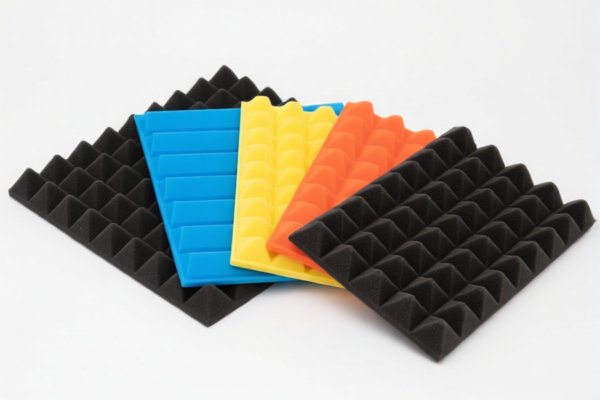
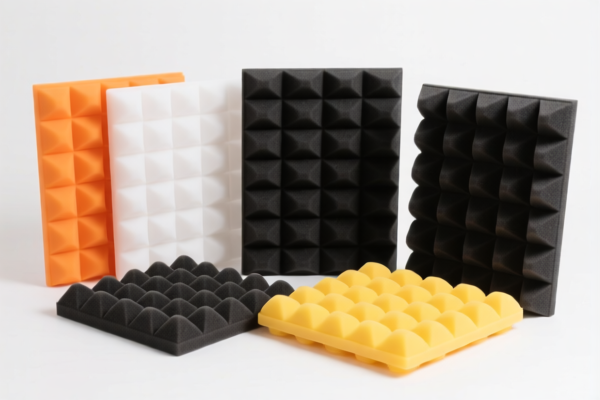
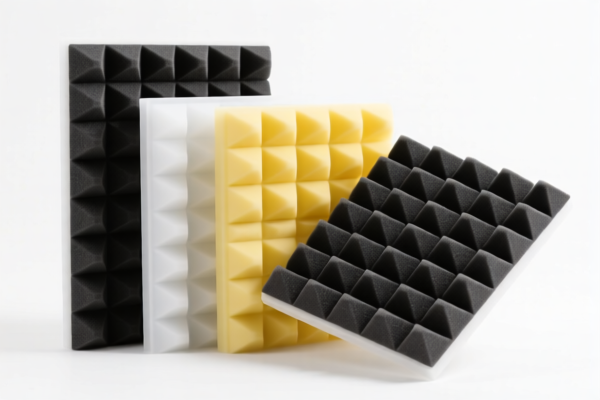
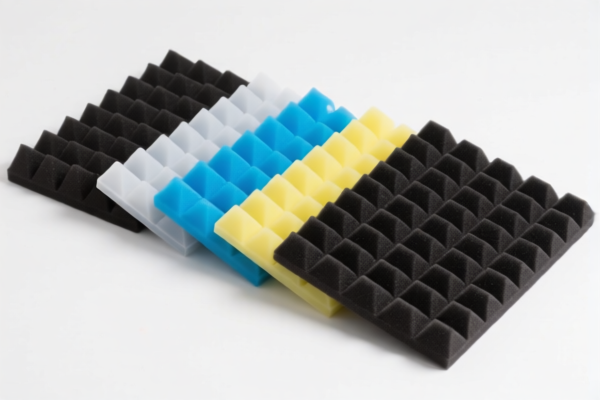
AI Analysis
🔇 Soundproof Boards (Other Plastic Soundproof Boards)
🌐 HS Code Reference & Clearance Guide | 2026 Latest Tariff Analysis | Professional Clearance Strategy
📌 I. Product Definition and Classification: Do You Really Understand "Plastic Soundproof Boards"?
"Other plastic soundproof boards" refer to board-like materials made primarily of plastic, designed to reduce noise transmission or absorption. In international trade, the classification depends heavily on the specific physical form (e.g., rigid plates, flexible sheets, specialized conductive coatings) and structural characteristics.
Key distinctions determine the HS Code: * General Purpose Plastic Plates: Generic plastic boards without specific functional coatings or complex structures → Often fall under general plastic chapters. * Specialized/Conductive Variants: If the soundproofing involves conductive materials or specific chemical treatments, it may shift to different subheadings. * Form Factor: Whether it is a rigid slab, a thin film, or a sheet significantly impacts the 8-digit or 10-digit code selection.
⚠️ Critical Distinction Point:
- If the product is a generic plastic plate used for sound insulation without special processing → Refer to General Plastic Articles.
- If it is specifically treated for conductivity or has a unique structure → Refer to Specialized Plastic Articles.
- Note: The data provided highlights that "soundproof" functionality often overlaps with "conductive" descriptions in customs databases due to similar material compositions (e.g., carbon-loaded plastics).
📦 II. HS Code Classification Details (2026 Latest Tariff Authority Comparison)
Based on the provided <DATA>, here are the specific HS Codes applicable to "Other Plastic Soundproof Boards," categorized by their material form and description:
| HS Code | Product Description | Applicable Scenario | Tax Rate Summary |
|---|---|---|---|
3921.19.00.90 |
Other plastic boards, material: plastic, form: plate, belongs to "other" category | General purpose plastic soundproof plates; generic plastic boards | 41.5% |
3921.90.50.50 |
Other plastic boards, material: plastic, form: other plate/sheet types | Flexible sheets, non-standard shapes, or other plastic plate forms | 39.8% |
3926.90.99.87 |
Other plastic boards, material: plastic, form/usage: soundproof/conductive board | Boards specifically identified by their functional use (soundproof/conductive) | 22.8% |
3920.99.10.00 |
Other plastic boards, material: plastic, form: plates, films, sheets, strips | Thin films, flexible strips, or sheet-like plastic materials for soundproofing | 41.0% |
3920.99.50.00 |
Other plastic boards, material: plastic, form: plate, belongs to "other" category | Standard rigid plastic plates; similar to 3921 but under Chapter 39 headnote 20 |
40.8% |
🔍 Key Insight:
-3926.90.99.87offers the lowest total tax rate (22.8%) if the product can be clearly defined as a "board" for "soundproof/conductive" use. This is often the most advantageous classification for specialized functional boards. -3921and3920codes generally carry higher tariffs (~40-41%) and apply to more generic plastic plates or sheets. - The term "conductive" in the data summaries likely refers to the material property often associated with high-performance soundproofing materials (e.g., acoustic panels with carbon fibers or metal coatings), which may trigger specific subheadings.
💰 III. 2026 Latest Tariff Rate Details (Including Surtaxes, Policy Surcharges)
✅ Applicable Country: United States (US)
✅ Origin: China (CN)
✅ Effective Time: 2025+ (Current trade policies apply)
🎯 1. 3921.19.00.90 —— Other Plastic Plates (Generic)
| Item | Details |
|---|---|
| Base Tariff | 6.5% |
| Section 301 Surtax | +25.0% |
| Section 122 Tariff | +10.0% |
| Total Tax Rate | 41.5% |
| Tax Calculation | CIF Value × 41.5% |
| De Minimis Eligibility | ❌ No (Deny de minimis for Section 301 items) |
| Legal Basis Path | USITC:3921.19.00.90 → Footnote 9903.88.01 (Section 301) → IEEPA:9903.01.25 (Section 122) |
📌 Explanation:
- Base Tariff (6.5%): Standard Most Favored Nation (MFN) rate for plastic plates. - Section 301 (25%): Additional duty on Chinese-origin goods under USTR List 4A. - Section 122 (10%): Additional duty under Section 232 of the Trade Expansion Act (applied to certain plastic articles). - Total: 41.5% – This is a high-cost classification. Avoid if possible.
🎯 2. 3921.90.50.50 —— Other Plastic Plate/Sheet Types
| Item | Details |
|---|---|
| Base Tariff | 4.8% |
| Section 301 Surtax | +25.0% |
| Section 122 Tariff | +10.0% |
| Total Tax Rate | 39.8% |
| Tax Calculation | CIF Value × 39.8% |
| De Minimis Eligibility | ❌ No |
| Legal Basis Path | USITC:3921.90.50.50 → Footnote 9903.88.01 → IEEPA:9903.01.25 |
📌 Note:
- Slightly lower base tariff (4.8%) compared to3921.19.00.90, but the surtaxes remain the same. - Total savings: 1.7% less than the previous code. Still a high tariff.
🎯 3. 3926.90.99.87 —— Other Plastic Articles (Soundproof/Conductive Board)
| Item | Details |
|---|---|
| Base Tariff | 5.3% |
| Section 301 Surtax | +7.5% |
| Section 122 Tariff | +10.0% |
| Total Tax Rate | 22.8% |
| Tax Calculation | CIF Value × 22.8% |
| De Minimis Eligibility | ❌ No |
| Legal Basis Path | USITC:3926.90.99.87 → Footnote 9903.88.01 (Partial Exemption) → IEEPA:9903.01.25 |
📌 Critical Advantage:
- Section 301 Surtax is only 7.5% (compared to 25% for other codes). This is likely due to specific exclusions or a different categorization under Section 301 List 4B or similar. - Total: 22.8% – This is the most cost-effective classification. - Condition: The product must be clearly described as a "board" with specific functional attributes (soundproof/conductive) to qualify for this lower surtax rate.
🎯 4. 3920.99.10.00 —— Plastic Films, Sheets, Strips
| Item | Details |
|---|---|
| Base Tariff | 6.0% |
| Section 301 Surtax | +25.0% |
| Section 122 Tariff | +10.0% |
| Total Tax Rate | 41.0% |
| Tax Calculation | CIF Value × 41.0% |
| De Minimis Eligibility | ❌ No |
| Legal Basis Path | USITC:3920.99.10.00 → Footnote 9903.88.01 → IEEPA:9903.01.25 |
📌 Note:
- Applies to thinner plastic forms (films/sheets). If your soundproof board is flexible and thin, this code applies. - High tariff due to standard 25% Section 301 rate.
🎯 5. 3920.99.50.00 —— Other Plastic Plates (Chapter 39, Heading 20)
| Item | Details |
|---|---|
| Base Tariff | 5.8% |
| Section 301 Surtax | +25.0% |
| > Section 122 Tariff | +10.0% |
| Total Tax Rate | 40.8% |
| Tax Calculation | CIF Value × 40.8% |
| De Minimis Eligibility | ❌ No |
| Legal Basis Path | USITC:3920.99.50.00 → Footnote 9903.88.01 → IEEPA:9903.01.25 |
📌 Note:
- Similar to3921but under a different heading. Often used for plates that don't fit the "other" category of3921. - Tariff is slightly lower than3921.19.00.90but still high.
🛠️ IV. Clearance Practical Advice (Battle-Proven Pitfall Avoidance Guide)
✅ 1. Document Checklist (Essential for Low-Tariff Classification)
| Document | Required | Explanation |
|---|---|---|
| ✅ Product Specification Sheet | ✔️ | Must detail material composition (plastic type), dimensions, thickness, and specific soundproofing mechanism (e.g., porous, dense, composite). |
| ✅ Technical Data Sheet (TDS) | ✔️ | Include density, acoustic transmission loss (TL) values, and conductivity data if applicable. |
| ✅ Product Photos (Clear) | ✔️ | Show the board's texture, edges, and any labeling indicating "soundproof" or "acoustic" use. |
| ✅ Commercial Invoice | ✔️ | Use precise terminology: "Plastic Acoustic Board, Model XYZ, for Noise Reduction." Avoid vague terms like "plastic sheet." |
| ✅ Certificate of Origin (CO) | ✔️ | Required for tariff calculations. Ensure origin is clearly marked as "China" to avoid origin fraud issues. |
| ✅ Packaging List | ✔️ | Detail weight and dimensions per unit. |
✅ 2. Classification Strategy (Key Mnemonics)
🔥 "Functional Boards Lower Tax, Generic Plates Pay More!"
| Scenario | Recommended HS Code | Reason |
|---|---|---|
| Specialized Soundproof Board (with conductive/absorptive properties) | 3926.90.99.87 |
Lowest Tax (22.8%). Qualifies for reduced Section 301 rate. |
| Generic Plastic Plate (no special functional claim) | 3921.19.00.90 |
High Tax (41.5%). Standard classification for plastic plates. |
| Thin Flexible Soundproof Sheet | 3920.99.10.00 |
High Tax (41.0%). Classified as film/sheet. |
| Other Plastic Plate Forms | 3921.90.50.50 |
High Tax (39.8%). Generic "other" category. |
📌 Warning:
- Do NOT claim3926.90.99.87for generic plastic plates. Customs may reject it if the product lacks specific functional attributes.
- DO provide evidence (test reports, design specs) that the product is designed for soundproofing/acoustic use to justify the lower tariff under3926.
✅ 3. Special Cases Handling
| Situation | Handling Advice |
|---|---|
| Composite Boards (Plastic + Foam/Metal) | If plastic is the primary material (>50% by weight/value), it may still qualify under Chapter 39. Provide weight breakdown. |
| Conductive Soundproofing | If the board contains carbon or metal for EMI shielding + soundproofing, 3926.90.99.87 is ideal. Highlight "conductive" in description. |
| Custom Shapes/Cuts | Ensure the HS Code reflects the form. If cut to size, it’s still a "board" if the primary function remains. |
| OEM/White Label | Use the end-user’s technical specs to define the function. Avoid generic names. |
🌍 V. Global Market Clearance Comparison (2026 Latest)
| Country/Region | Recommended HS Code | Tariff (China Origin) | Certification Requirements | Notes |
|---|---|---|---|---|
| 🇺🇸 USA | 3926.90.99.87 |
22.8% | FCC (if conductive), RoHS | Best Option. Lower 301 duty. |
| 🇺🇸 USA | 3921.19.00.90 |
41.5% | FCC, RoHS | Avoid. High tariff. |
| 🇨🇳 China | 3926.90.99.87 |
~5-10% | CCC (if applicable) | Low import duty. |
| 🇪🇺 EU | 3926.90.99.87 |
0-6.5% | REACH, RoHS | No Section 301 surtax. |
| 🇦🇺 Australia | 3926.90.99.87 |
5% | RCM | No major surtaxes. |
📌 Conclusion:
- The US market is the most challenging due to Section 301 and 122 tariffs.
-3926.90.99.87is the strategic choice for US imports to save ~18-19% in duties.
- For other markets (EU, China, Australia), the base tariff is much lower, but accurate classification still prevents customs delays.
📌 VI. Common Errors & Pitfall Guide (Blood Lessons)
❌ Error 1: Declaring "Plastic Sheet" for a rigid soundproof board
👉 Consequence: Misclassification → 3920 codes apply → Higher tariffs (41%) → Refund/penalty claims.
❌ Error 2: Ignoring "Conductive" properties
👉 Consequence: If the board is conductive, it should be under 3926 or 3921 conductive subheadings. Misdeclaring as "non-conductive" can lead to fraud allegations or wrong tariff application.
❌ Error 3: Using generic descriptions like "Plastic Board"
👉 Consequence: Customs may assign a default higher tariff code. Always specify "Acoustic" or "Soundproof".
❌ Error 4: Assuming De Minimis applies
👉 Consequence: Section 301 and 122 goods are NOT eligible for de minimis. All shipments, regardless of value, are subject to tariffs.
✅ Correct Approach:
"Plastic Acoustic Board, Conductive, Model XYZ, Dimensions 1200x600mm, for Noise Reduction, FCC Certified"
🎯 VII. Conclusion: Professional Declaration, Save Time, Reduce Costs!
🎯 Remember the Mantra:
🔹 "Functional Claim = Lower Tax."
🔹 "Soundproof Board under 3926 saves ~19% vs. Generic 3921."
🔹 "HS Code Defines Cost, Classification Defines Compliance."
📌 Pro Tip:
If your plastic soundproof board is originating from Vietnam, Mexico, or Thailand, you may qualify for IEEPA Exemptions or FTA benefits, potentially reducing tariffs to 0-5%.
Recommendation: Apply for a Customs Ruling (Pre-Advice) before shipping to confirm the correct HS Code and tariff rate.
📣 Action Required:
📞 Contact a licensed customs broker + Provide product specs + Apply for HS Code Pre-Ruling
🚀 Ensure your plastic soundproof boards clear US customs efficiently, minimize duty costs, and maximize profit margins!
✨ Professional Clearance Starts with Accurate Classification!
💼 Every dollar in duty saved is pure profit added!
Customer Reviews
About HS Code Classification
The Harmonized System (HS) is an internationally standardized nomenclature developed by the World Customs Organization (WCO) to classify traded products. Over 200 countries use the HS system as the basis for customs tariffs, trade statistics, and import/export regulations.
Each HS code follows a hierarchical structure:
- Chapter (2 digits) — Broad category of goods (e.g., Chapter 84: Machinery and Mechanical Appliances)
- Heading (4 digits) — More specific grouping within the chapter
- Subheading (6 digits) — Internationally standardized breakdown, used by all WCO member countries
- National subdivisions (8-10 digits) — Country-specific extensions for further classification, such as US HTSUS 10-digit codes
Correct HS code classification is essential for smooth customs clearance, accurate duty payment, and compliance with trade regulations. Misclassification can lead to customs delays, overpayment of duties, or penalties.
When importing from CN to US, the applicable tariff rates may include:
- Most-Favored-Nation (MFN) rate — The standard duty rate applied to WTO members
- General rate — Applied to countries without trade agreements
- Trade remedy duties — Additional tariffs such as Section 301 (anti-dumping), Section 232 (national security), or countervailing duties
The information provided on this page is for reference purposes only. For official classification, please consult with your local customs authority or a licensed customs broker.