Other recovered bleached chemical pulp paperboard
CN → US| HS Code | Tariff Rate | Origin | Destination | Doc |
|---|---|---|---|---|
| 4706200000 | 35.0% | CN | US | Official Doc |
| 4707200040 | 35.0% | CN | US | Official Doc |
| 4707200020 | 35.0% | CN | US | Official Doc |
| 4706920100 | 35.0% | CN | US | Official Doc |
| 4804520020 | 35.0% | CN | US | Official Doc |
Product Images
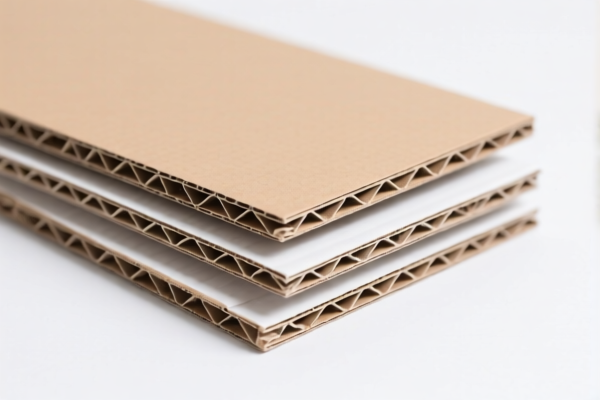
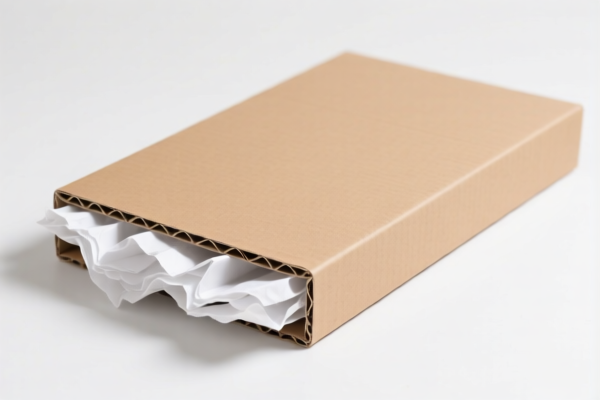
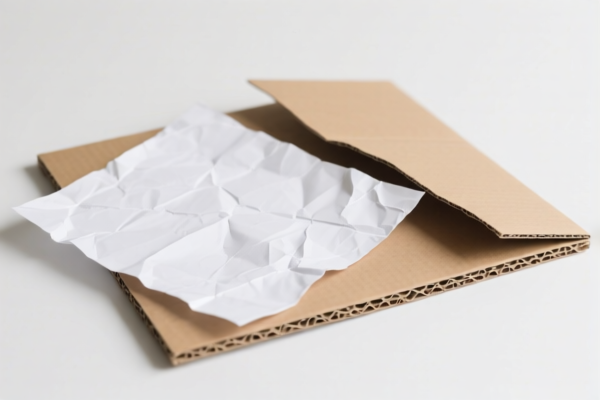
AI Analysis
Here is the Wiki-style breakdown for the product "Other recovered bleached chemical pulp paperboard", tailored to your specific data and formatted for high impact and clarity.
📄 Other Recovered Bleached Chemical Pulp Paperboard
(Waste Paper & Waste Paperboard of Bleached Chemical Pulp)
🌐 HS Code Reference & Customs Clearance Guide | 2026 Tariff Analysis | Professional Strategy
📌 Product Definition: What exactly is "Other Recovered Bleached Chemical Pulp Paperboard"?
This category refers to waste or scrap paper that has been pulped chemically (using chemicals to separate fibers) and bleached (whitened) before becoming waste. Unlike mechanical pulp waste or unbleached waste, this material has high fiber value but is classified strictly as waste/recycled material (Chapter 47) or waste paperboard (Chapter 48).
🔑 Key Distinction:
- If it is "Waste/Scrap": Must be classified under HS 4706 or 4707.
- If it is "Finished Paperboard" made from this pulp: It falls under HS 4804.
- Crucial: The description "Recovered" implies it is waste/scrap, triggering the 35% total tariff (0% Base + 25% Additional + 10% Section 122).
📦 II. Detailed HS Code Classification & Tax Breakdown
Based on your provided dataset, here is the precise mapping for "Other recovered bleached chemical pulp paperboard". All items carry a Total Tax of 35.0%.
| HS Code | Product Description (Summary) | Material & Morphology Requirements | Applicable Tax Rate |
|---|---|---|---|
4706.20.00.00 |
Bleached Chemical Pulp Waste Paper | Must match recycled paper material + fiber pulp morphology. | 35.0% |
4707.20.00.40 |
Bleached Chemical Pulp Waste Paper/Board | 100% made from bleached chemical pulp; fully fits waste paper/board definition. | 35.0% |
4707.20.00.20 |
Bleached Chemical Pulp Waste Paper/Board | Primarily made from bleached chemical pulp; categorized as waste paper/board. | 35.0% |
4706.92.01.00 |
Chemical Pulp Waste Paper/Board | Must fit recycled waste paper material + chemical pulp morphology. | 35.0% |
4804.52.00.20 |
Chemical Wood Pulp Bleached Kraft Paper | Made of chemical wood pulp; morphology is Kraft/Linerboard; fits raw paper characteristics. | 35.0% |
⚠️ Critical Observation:
Despite being "Paperboard" or "Pulp," the "Recovered/Waste" tag pushes these items into Chapter 47 (Pulp/Waste) or specific Chapter 48 waste sub-rates, all attracting the identical 35% tariff burden.
💰 III. 2026 Tariff Rate Deep Dive (Detailed Breakdown)
✅ Scope: All 5 HS Codes listed above.
✅ Origin: China (CN) (Implied by "Section 122" and "Additional Tariff").
✅ Total Liability: 35.0% (Calculated on CIF Value).
🏗️ The 35% Tax Structure Explained
| Tax Component | Rate | Legal Basis / Description |
|---|---|---|
| 1. Base Tariff (MFN) | 0.0% | Standard Most-Favored-Nation rate for these specific paper/waste codes is often duty-free in normal trade. |
| 2. Additional Tariff (Section 301) | +25.0% | Trade War Tariff: Imposed under US Trade Act Section 301. Applies to "Pulp and Paper" products from China. |
| 3. Section 122 Tariff | +10.0% | New Policy Add-on: Specifically targeting Chinese waste paper/board/pulp. This is the "122" clause mentioned in your data. |
| TOTAL EFFECTIVE RATE | 35.0% | 0% + 25% + 10% = 35% |
📌 Financial Impact Example:
If you import $10,000 of4706.20.00.00(Bleached Chemical Pulp Waste):
- Base Duty: $0
- Additional Duty: $2,500 (25%)
- Section 122 Duty: $1,000 (10%)
- Total Tax Due: $3,500
Result: Your landed cost increases by 35% instantly.
🛠️ IV. Customs Clearance Practical Advice (Avoid Pitfalls)
✅ 1. Documentation Checklist (Must-Haves)
To prove the "Recovered/Waste" status and avoid misclassification penalties: - Material Safety Data Sheet (MSDS): Confirm chemical composition (bleached vs. unbleached). - Fiber Analysis Report: Must explicitly state "Chemical Pulp" and "Recycled" origin. - Photographic Evidence: Images showing the material is waste/scrap (e.g., bales of waste, mixed colors, or shredded), not virgin paper rolls. - Declaration of Origin: Explicitly state "Recovered Bleached Chemical Pulp" on the invoice.
✅ 2. Classification Strategy
🔥 Golden Rule: "If it is waste, declare as 4706/4707. If it is finished board made from waste, declare as 4804."
| Scenario | Correct HS Code | Risk of Wrong Code |
|---|---|---|
| Bales of shredded/loose waste pulp | 4706.20.00.00 |
Misclassifying as finished paper (48xx) = Under-dutied (Fine!). |
| Finished Boxboard made from recycled bleached pulp | 4804.52.00.20 |
Misclassifying as raw pulp (47xx) = Over-dutied (Lost profit!). |
| Mixed waste paper (bleached & unbleached) | 4707.20.00.40 |
Must prove 100% bleached chemical content for this rate. |
✅ 3. Strategic Recommendations for Importers
- Cost Calculation: Factor the 35% tax into your FOB price immediately. Do not assume "0% base duty" means free entry.
- Supply Chain Shift: If possible, source "Virgin Bleached Pulp" (if exempt) or non-Chinese origin pulp to avoid the "Section 122" + "Section 301" combo.
- Bonded Warehousing: Consider storing these goods in a US Customs Bonded Warehouse to defer the 35% tax until the goods are released for consumption, improving cash flow.
- Pre-Arrival Ruling: Apply for an Advance Ruling from CBP specifically for
4707.20.00.40or4804.52.00.20to lock in the classification before shipping.
🌍 V. Market Comparison & Risk Alert
| Feature | US Import (Current Data) | EU Import (General) |
|---|---|---|
| Base Tariff | 0% | 0% |
| Add-On Tariffs | +35% Total (25% + 10%) | Varies (No Section 122) |
| Waste Restrictions | Strict (Section 122 targets waste) | Stricter (EU often bans paper waste imports) |
| Risk Level | 🚨 HIGH | 🚨 VERY HIGH |
⚠️ Warning: The Section 122 Tariff (10%) is specifically designed to restrict Chinese paper waste exports. If your shipment is flagged as "contaminated" or "non-recyclable," you may face rejection rather than just a tax bill.
📌 VI. Conclusion & Action Plan
🎯 Final Verdict:
The product "Other recovered bleached chemical pulp paperboard" falls under HS Codes 4706/4707/4804 but is heavily penalized with a 35% total tax rate due to Section 301 (25%) and Section 122 (10%) measures.
🚀 Action Steps:
- Verify Material: Ensure your product is strictly "Bleached Chemical Pulp" and "Recovered".
- Select HS Code: Match your physical state (loose waste vs. finished board) to
4706.20.00.00or4804.52.00.20. - Budget: Add 35% to your landed cost calculation.
- Consult: Use a customs broker familiar with Section 122 classifications to prevent cargo delays at US ports.
💡 Pro Tip: If you can rebrand or process the material outside of China (e.g., in Mexico or Vietnam) before re-exporting to the US, you might bypass the Section 122 and Section 301 tariffs. Verify Country of Origin rules first!
✨ Disclaimer: Tariff rates and regulations change frequently. This guide is based on the provided 2026 data snapshot. Always consult with a licensed Customs Broker for the latest CBP rulings.
Customer Reviews
About HS Code Classification
The Harmonized System (HS) is an internationally standardized nomenclature developed by the World Customs Organization (WCO) to classify traded products. Over 200 countries use the HS system as the basis for customs tariffs, trade statistics, and import/export regulations.
Each HS code follows a hierarchical structure:
- Chapter (2 digits) — Broad category of goods (e.g., Chapter 84: Machinery and Mechanical Appliances)
- Heading (4 digits) — More specific grouping within the chapter
- Subheading (6 digits) — Internationally standardized breakdown, used by all WCO member countries
- National subdivisions (8-10 digits) — Country-specific extensions for further classification, such as US HTSUS 10-digit codes
Correct HS code classification is essential for smooth customs clearance, accurate duty payment, and compliance with trade regulations. Misclassification can lead to customs delays, overpayment of duties, or penalties.
When importing from CN to US, the applicable tariff rates may include:
- Most-Favored-Nation (MFN) rate — The standard duty rate applied to WTO members
- General rate — Applied to countries without trade agreements
- Trade remedy duties — Additional tariffs such as Section 301 (anti-dumping), Section 232 (national security), or countervailing duties
The information provided on this page is for reference purposes only. For official classification, please consult with your local customs authority or a licensed customs broker.