Other sheet of plaiting materials
CN → US| HS Code | Tariff Rate | Origin | Destination | Doc |
|---|---|---|---|---|
| 5308100000 | 35.0% | CN | US | Official Doc |
| 5308200000 | 35.0% | CN | US | Official Doc |
| 5607909000 | 41.3% | CN | US | Official Doc |
| 5607504000 | 38.6% | CN | US | Official Doc |
| 4601999000 | 38.3% | CN | US | Official Doc |
Product Images
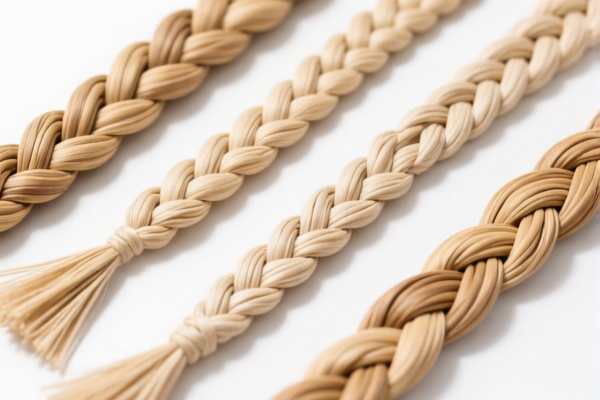
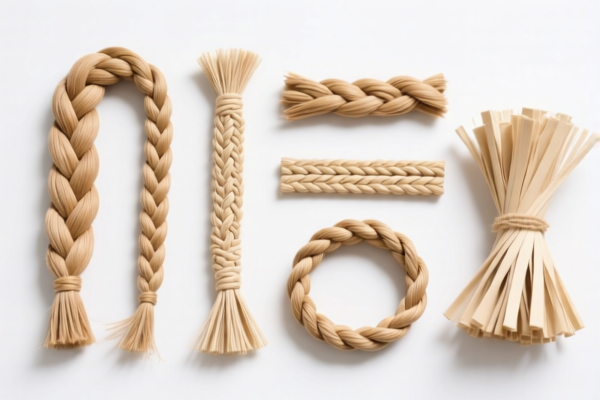
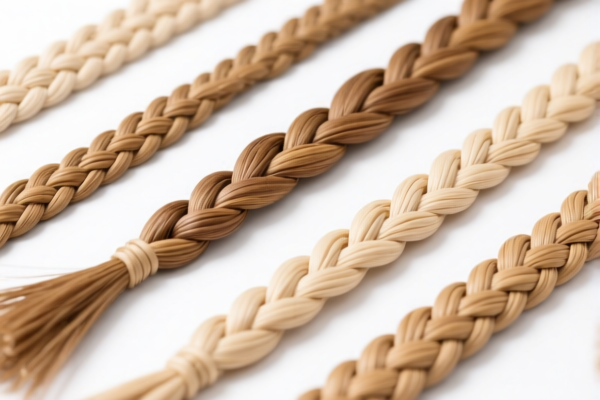
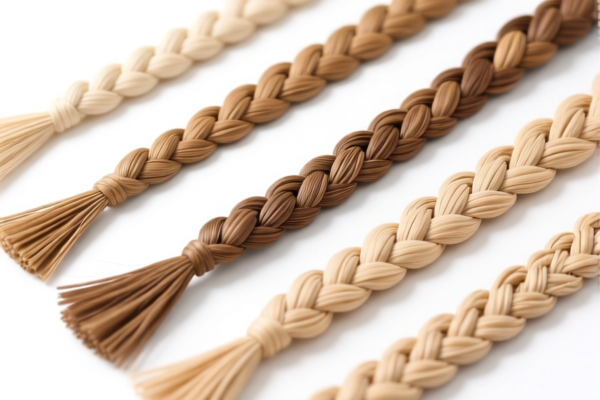
AI Analysis
🌿 Other Sheet of Plaiting Materials
🌐 HS Code Reference & Customs Clearance Guide | 2026 Updated Tariff Analysis | Pro-Level Import Strategy
📌 One, Product Definition & Classification: What Exactly Is “Sheet of Plaiting Materials”?
A sheet of plaiting materials refers to flat, flexible, or semi-rigid textile-like structures made by interlacing or braiding fibers — typically used in industrial, agricultural, or packaging applications. These sheets are not fully woven but are formed through plaiting (braiding), twisting, or knotting of fibers, often used as reinforcement, wrapping, protective layers, or structural components.
⚠️ Key Distinguishing Features: - Made from natural plant fibers (e.g., jute, sisal, coir) or synthetic fibers (e.g., polyester, polypropylene) - Not fully woven — characterized by interlaced, braided, or twisted structure - Used in cordage, netting, protective sheets, agricultural covers, or industrial linings - Not a finished textile fabric (which would fall under different HS codes)
📌 Critical Note:
If the material is fully woven, it may fall under 5208–5408 (textile fabrics).
But if it's braided, plaited, or knotted, it belongs to HS 5308, 5607, or 4601 — depending on fiber type and structure.
📦 Two, HS Code Classification Details (2026 Official Tariff Matrix)
| HS Code | Product Description | Material Type | Structural Type | Key Use Case |
|---|---|---|---|---|
5308.10.00.00 |
Sheets of plaiting materials made from plant fibers (e.g., jute, sisal, coir) | Natural plant fiber | Braided/plaited | Agricultural wrapping, sack linings, geotextiles |
5308.20.00.00 |
Sheets of plaiting materials made from plant fiber textile yarns | Plant fiber yarns | Braided/interlaced | Packaging, industrial textiles, rope reinforcements |
5607.90.90.00 |
Sheets of plaiting materials made from rope, cordage, or cable fibers (natural or synthetic) | Mixed fiber types (incl. synthetic) | Braided/rope-like | Marine, industrial bundling, protective covers |
5607.50.40.00 |
Sheets of plaiting materials made from synthetic fibers (e.g., polyester, polypropylene) | Synthetic fibers | Braided/interlaced | Industrial shielding, packaging, reinforcement |
4601.99.90.00 |
Other sheets of plaiting materials (general category) | “Catch-all” — includes non-specific or mixed materials | Braided, knotted, twisted | General-purpose plaited sheets, protective wraps, bulk packaging |
🔍 Critical Insight:
-5308.10.00.00&5308.20.00.00→ Plant-based only → High risk of USITC/IEEPA tariffs
-5607.50.40.00&5607.90.90.00→ Synthetic or mixed → Still subject to 25% + 10%
-4601.99.90.00→ Fallback code → Used when no better fit exists → Must be justified
💰 Three, 2026 Updated Tariff Breakdown (With Full Legal Justification)
✅ Applicable Country: United States (US)
✅ Origin: China (CN)
✅ Effective Date: November 10, 2025 (inclusive of all future imports)
🎯 1. 5308.10.00.00 — Plant Fiber Plaiting Sheets (Natural Fiber)
| Item | Detail |
|---|---|
| Base Duty | 0% (ad valorem) |
| USITC 301 Tariff | +25% (from USITC Footnote 9903.88.01) |
| IEEPA Emergency Tariff | +10% (under IEEPA: 9903.01.25 for China-origin goods) |
| Total Effective Rate | 35.0% |
| Tax Calculation | CIF Value × 35% |
| De Minimis Exemption? | ❌ No (denied under 9903.88.01) |
| Legal Pathway | IEEPA:9903.01.25 → USITC:5308.10.00.00 → FOOTNOTE:9903.88.01 |
📌 Explanation:
- 25% USITC Tariff: From Section 301 of the Trade Act — targeted at Chinese goods deemed unfair trade practices.
- 10% IEEPA Tariff: Imposed under the International Emergency Economic Powers Act — applies to all China-origin goods under “national emergency” status.
- Total: 35% — Very high, especially for bulk shipments.
🎯 2. 5308.20.00.00 — Plant Fiber Yarn Plaiting Sheets
| Item | Detail |
|---|---|
| Base Duty | 0% |
| USITC 301 Tariff | +25% |
| IEEPA Emergency Tariff | +10% |
| Total Effective Rate | 35.0% |
| Tax Calculation | CIF × 35% |
| De Minimis Exemption? | ❌ No |
| Legal Pathway | IEEPA:9903.01.25 → USITC:5308.20.00.00 → FOOTNOTE:9903.88.01 |
📌 Note:
- Even if the material is textile yarn, if it’s plaited into a sheet, it still falls under this code.
- Do not confuse with woven fabrics (which are under 5208–5408).
- Same 35% rate — no relief.
🎯 3. 5607.90.90.00 — Rope/Cordage-Based Plaiting Sheets (Synthetic or Mixed)
| Item | Detail |
|---|---|
| Base Duty | 6.3% |
| USITC 301 Tariff | +25% |
| IEEPA Emergency Tariff | +10% |
| Total Effective Rate | 41.3% |
| Tax Calculation | CIF × 41.3% |
| De Minimis Exemption? | ❌ No |
| Legal Pathway | IEEPA:9903.01.25 → USITC:5607.90.90.00 → FOOTNOTE:9903.88.01 |
📌 Why Higher?
- 6.3% base duty due to the cordage/rope nature of the material (per U.S. tariff schedule).
- Still subject to 25% + 10% — total 41.3% — highest among all listed codes.
- Common in marine, industrial, or heavy-duty packaging.
🎯 4. 5607.50.40.00 — Synthetic Fiber Plaiting Sheets
| Item | Detail |
|---|---|
| Base Duty | 3.6% |
| USITC 301 Tariff | +25% |
| IEEPA Emergency Tariff | +10% |
| Total Effective Rate | 38.6% |
| Tax Calculation | CIF × 38.6% |
| De Minimis Exemption? | ❌ No |
| Legal Pathway | IEEPA:9903.01.25 → USITC:5607.50.40.00 → FOOTNOTE:9903.88.01 |
📌 Key Insight:
- Synthetic fibers (e.g., polyester, nylon, PP) are not exempt from 301/IEEPA tariffs.
- Even if material is non-china-origin, if assembled or processed in China, it may still be subject to tariffs.
- 38.6% is still extremely high — plan for cost impact.
🎯 5. 4601.99.90.00 — Other Plaiting Sheets (Catch-All Category)
| Item | Detail |
|---|---|
| Base Duty | 3.3% |
| USITC 301 Tariff | +25% |
| IEEPA Emergency Tariff | +10% |
| Total Effective Rate | 38.3% |
| Tax Calculation | CIF × 38.3% |
| De Minimis Exemption? | ❌ No |
| Legal Pathway | IEEPA:9903.01.25 → USITC:4601.99.90.00 → FOOTNOTE:9903.88.01 |
📌 When to Use This Code?
- Only when no more specific code applies (e.g., mixed materials, unclear fiber type).
- High risk of audit — customs may challenge if a better fit exists.
- Still 38.3% — not a safe escape route.
🛠️ Four, Customs Clearance Best Practices (Pro Tips to Avoid Penalties)
✅ 1. Documentation Checklist (Must-Have)
| Document | Required? | Purpose |
|---|---|---|
| ✅ Product Specification Sheet | ✔️ | Detail fiber type, plaiting method, thickness, width |
| ✅ Material Safety Data Sheet (MSDS) | ✔️ | For synthetic or treated fibers |
| ✅ Product Photos (with labels) | ✔️ | Show braiding pattern, material texture |
| ✅ Third-Party Test Report | ✔️ | ASTM, ISO, or AATCC certification (if applicable) |
| ✅ Commercial Invoice | ✔️ | Must state: “Plaited sheet, made from [fiber type], for [use case]” |
| ✅ Certificate of Origin (CO) | ✔️ | Critical — if from Vietnam/Mexico, may qualify for IEEPA exemption |
| ✅ Packing List | ✔️ | Show total weight, number of sheets, packaging type |
✅ 2.申报技巧(Key Rules of Thumb)
🔥 “Fiber First, Structure Second, Origin Last — or you’ll pay 40%!”
| Scenario | Correct HS Code | Wrong Code | Risk |
|---|---|---|---|
| Jute sheet, braided | 5308.10.00.00 |
5607.90.90.00 |
Overpay 6.3% |
| Polyester plaited sheet | 5607.50.40.00 |
4601.99.90.00 |
Risk of audit |
| Mixed fiber, unclear | 4601.99.90.00 |
5308.10.00.00 |
Misclassification |
| From Vietnam, made in China | 5607.50.40.00 |
5308.20.00.00 |
Risk of IEEPA exemption denied |
✅ 3. Special Cases & Workarounds
| Situation | Recommended Action |
|---|---|
| Material from Vietnam/Mexico | Apply for IEEPA exemption — if origin is non-China, you may qualify for 0% on 301/IEEPA tariffs |
| Custom plaited sheet (prototype) | Apply for Advance Ruling (Pre-Clearance) — avoid post-import disputes |
| Used in agriculture (e.g., seed wrapping) | Use 5308.10.00.00 — but provide proof of agricultural use |
| Recycled or bio-based fibers | Still subject to tariffs — no green exemption in U.S. |
| Small shipment (<$800) | Still not exempt — de minimis denied for these codes |
🌍 Five, Global Market Comparison (2026)
| Country | Recommended HS Code | Tariff | Certification | Notes |
|---|---|---|---|---|
| 🇺🇸 USA | 5308.10.00.00 |
35% (China) | None (but documentation required) | Highest risk |
| 🇨🇳 China | 5308.10.00.00 |
5% | CCC, RoHS | No 301/IEEPA |
| 🇪🇺 EU | 5308.10.00.00 |
0% (if origin EU) | CE, REACH | No 301/IEEPA |
| 🇦🇺 Australia | 5607.50.40.00 |
5% | RCM | No extra tariffs |
| 🇯🇵 Japan | 4601.99.90.00 |
0% | PSE | No extra tariffs |
📌 Conclusion:
- USA is the only market with 35%+ tariffs on these goods.
- China-origin goods face the highest cost — consider Vietnam/Mexico sourcing for tariff avoidance.
📌 Six, Common Mistakes & Red Flags (Avoid These!)
❌ Mistake 1: Using 4601.99.90.00 just because you’re unsure
👉 Result: Audit, penalties, back taxes — 38.3% paid for no reason
❌ Mistake 2: Assuming synthetic fibers are exempt
👉 Result: Still pay 25% + 10% — no exemption
❌ Mistake 3: Not declaring fiber type clearly
👉 Result: Customs may reclassify → higher tariff + delay
❌ Mistake 4: Using “textile sheet” or “woven fabric” in invoice
👉 Result: Misclassification — 301 tariff applies
✅ Correct Labeling Example:
“Plaited sheet, made from 100% natural jute fibers, braided structure, for agricultural wrapping, 1.2m x 0.5m, 10 sheets per roll”
🎯 Seven, Final Verdict: Precision Wins!
🎯 Remember the Golden Rule:
🔹 “Fiber Type First, Structure Second, Origin Last — or you’ll pay 40% extra!”
🔹 “If it’s braided, not woven — it’s not fabric, it’s plaiting — and it’s taxed!”
📌 Pro Tip:
If your product is made in Vietnam, Mexico, or Thailand, apply for IEEPA exemption — you may pay only base duty (3.3%–6.3%) — save 25–30% in tax!
📣 Take Action Now:
📞 Contact a U.S. Customs Broker + Submit Product Photos + Request HS Code Pre-Ruling
🚀 Avoid surprise tariffs, delays, and penalties — secure your supply chain today!
✨ Expert Clearance Starts with Accurate Classification!
💼 Your profit margin depends on the right HS Code — choose wisely!
Customer Reviews
About HS Code Classification
The Harmonized System (HS) is an internationally standardized nomenclature developed by the World Customs Organization (WCO) to classify traded products. Over 200 countries use the HS system as the basis for customs tariffs, trade statistics, and import/export regulations.
Each HS code follows a hierarchical structure:
- Chapter (2 digits) — Broad category of goods (e.g., Chapter 84: Machinery and Mechanical Appliances)
- Heading (4 digits) — More specific grouping within the chapter
- Subheading (6 digits) — Internationally standardized breakdown, used by all WCO member countries
- National subdivisions (8-10 digits) — Country-specific extensions for further classification, such as US HTSUS 10-digit codes
Correct HS code classification is essential for smooth customs clearance, accurate duty payment, and compliance with trade regulations. Misclassification can lead to customs delays, overpayment of duties, or penalties.
When importing from CN to US, the applicable tariff rates may include:
- Most-Favored-Nation (MFN) rate — The standard duty rate applied to WTO members
- General rate — Applied to countries without trade agreements
- Trade remedy duties — Additional tariffs such as Section 301 (anti-dumping), Section 232 (national security), or countervailing duties
The information provided on this page is for reference purposes only. For official classification, please consult with your local customs authority or a licensed customs broker.