Other textile hemp fabrics for geotextiles
CN → USProduct Images
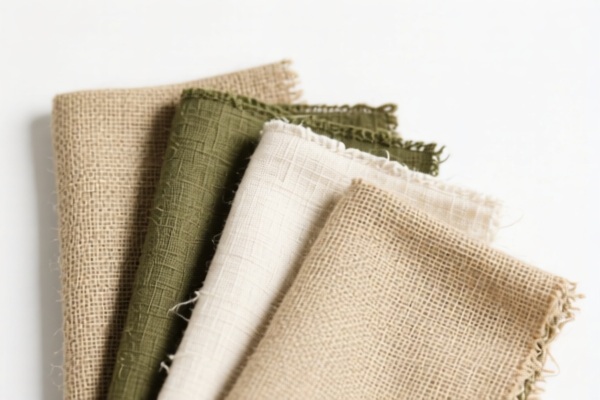
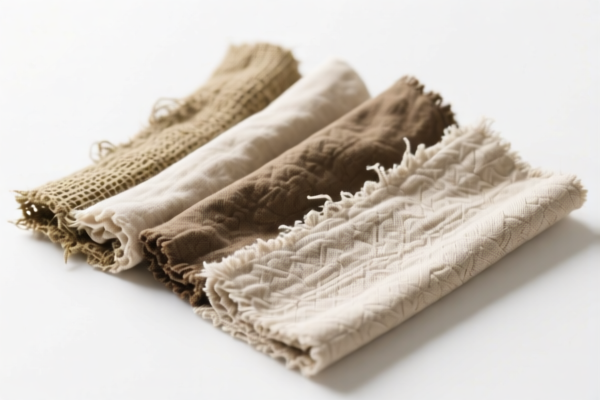
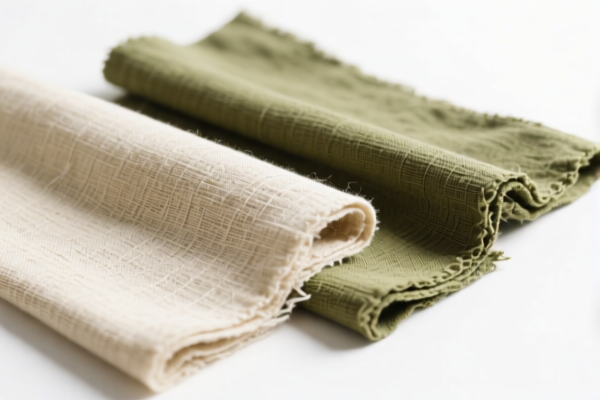
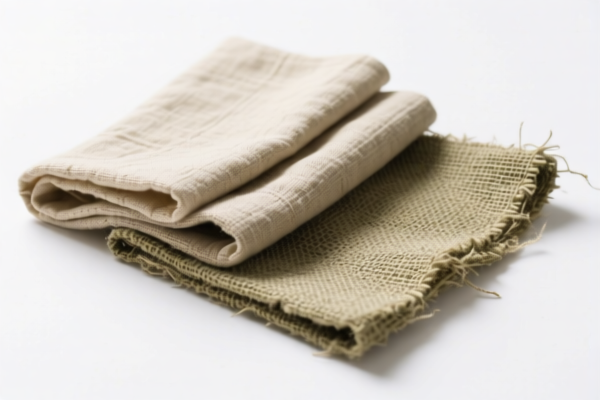
AI Analysis
🌿 Industrial Hemp Geotextiles (Other Textile Hemp Fabrics)
🌐 HS Code Reference & Customs Clearance Guide | 2026 Latest Tariff Analysis | Professional Clearance Strategy
📌 I. Product Definition & Classification: What Exactly Are "Hemp Geotextiles"?
Hemp geotextiles belong to the broad category of textile-based erosion control and reinforcement materials. Unlike synthetic polymers (polypropylene, polyester), these are made from natural bast fibers (mainly Corchorus jute or Cannabis sativa hemp).
In international trade, "Other textile hemp fabrics for geotextiles" usually refers to: 1. Open-Weave Hemp/Jute Mats: Used for temporary erosion control, seed bed protection, and bio-engineering. 2. Woven Hemp Fabric Rolls: Used for soil stabilization, slope protection, and temporary road construction.
⚠️ Key Distinction:
- Natural Fiber vs. Synthetic: Must be clearly distinguished from polypropylene (PP) or polyester (PET) geotextiles. If it contains >50% synthetic fiber by weight, it may fall under 5603 (Non-wovens) or 5407/5408 (Woven synthetic fabrics), NOT the hemp codes below.
- Processed State: Is it just woven fabric, or is it impregnated with bitumen/latex? Impregnated products may shift to 3921 (Plastics) or 2714 (Asphalt/Bitumen).
📦 II. HS Code Classification Details (2026 Latest Tariff Authority Reference)
| HS Code | Product Description | Application Scenario | Composition |
|---|---|---|---|
5311.00.40.00 |
Woven fabrics of hemp (true hemp Cannabis sativa) | High-strength eco-friendly geotextiles, specialized erosion control | ≥95% Hemp Fiber |
5310.19.10.00 |
Woven bags and sacks of jute (including woven jute bags) | Note: Often misclassified. If "Hemp" is actually Jute (Corchorus), use this. | Jute Fiber |
5310.20.00.00 |
Other woven fabrics of jute or of other textile bast fibers of heading 53.03 | Most Common for "Industrial Hemp Geotextiles" covering non-jute bast fibers | Bast Fiber (Hemp/Jute/Flax) |
5603.14.90.00 |
Other non-wovens, weight > 150 g/m², not impregnated | Non-woven hemp mats for seed blanket/erosion control | Natural Fiber Non-woven |
3921.90.89.00 |
Other plates, sheets, film, foil and strip of plastics | IF IMPREGNATED with bitumen or synthetic resins | Composite Material |
🔍 Critical Warning:
- Heading 53.10 vs. 53.11:
- 53.10 covers Jute and other textile bast fibers (including hemp if not classified as true hemp 53.11).
- 53.11 is specifically for Hemp (Cannabis sativa).
- Clarification: Most commercial "hemp geotextiles" in the US/EU are actually Jute (Corchorus) or mixed bast fibers, so 5310.20 is the safest fallback if fiber analysis isn't precise.
- True Hemp (Cannabis Sativa): If lab-tested as true hemp, use 5311.00.
- Non-Woven Mats: If the product is felt-like (not woven), use 5603.
💰 III. 2026 Latest Tariff Rate Breakdown (Including Surtaxes, Policy Surcharges)
✅ Applicable Country: United States (US)
✅ Origin: China (CN)
✅ Effective Date: 2025 November 10 onwards (includes subsequent imports)
🎯 1. 5311.00.40.00 – Woven Fabrics of Hemp
| Item | Content |
|---|---|
| Base Duty Rate | 4.2% (ad valorem) |
| USITC Surtax | +10% (General Section 301 List 3) |
| IEEPA Surtax | +10% (China/HK specific, effective 2025-11-10) |
| Total Duty Rate | 24.2% |
| Tax Calculation | CIF Value × 24.2% |
| De Minimis Eligibility | ❌ Not Eligible (deny_de_minimis) |
| Legal Path | IEEPA:9903.01.24 → USITC:5311.00.40.00 → FOOTNOTE:9903.88.02 |
📌 Explanation:
- Base duty is low, but Section 301 and IEEPA surcharges push the total to 24.2%.
- Hemp is not exempt from current China trade tariffs.
🎯 2. 5310.20.00.00 – Woven Fabrics of Other Bast Fibers (Jute/Hemp Blend)
| Item | Content |
|---|---|
| Base Duty Rate | 5.5% |
| USITC Surtax | +10% (General Section 301) |
| IEEPA Surtax | +10% (China/HK specific) |
| Total Duty Rate | 25.5% |
| Tax Calculation | CIF Value × 25.5% |
| De Minimis Eligibility | ❌ Not Eligible |
| Legal Path | IEEPA:9903.01.24 → USITC:5310.20.00.00 → FOOTNOTE:9903.88.02 |
📌 Note:
- Many "hemp" geotextiles are actually Jute (Corchorus). If your product is 100% Jute, use 5310.19.10 or 5310.20.
- Duty is slightly higher than pure hemp due to classification nuances, but both are high due to surcharges.
🎯 3. 5603.14.90.00 – Non-Woven Hemp Mats (>150 g/m²)
| Item | Content |
|---|---|
| Base Duty Rate | 3.8% |
| USITC Surtax | +10% |
| IEEPA Surtax | +10% |
| Total Duty Rate | 23.8% |
| Tax Calculation | CIF Value × 23.8% |
| De Minimis Eligibility | ❌ Not Eligible |
| Legal Path | IEEPA:9903.01.24 → USITC:5603.14.90.00 → FOOTNOTE:9903.88.03 |
🎯 4. 3921.90.89.00 – Impregnated Hemp Geotextiles (Bitumen/Resin)
| Item | Content |
|---|---|
| Base Duty Rate | 4.9% |
| USITC Surtax | +10% |
| IEEPA Surtax | +10% |
| Total Duty Rate | 24.9% |
| Tax Calculation | CIF Value × 24.9% |
| De Minimis Eligibility | ❌ Not Eligible |
📌 Warning:
- If the hemp fabric is coated with bitumen for waterproofing, it loses its textile classification and becomes a plastic/composite product under Chapter 39.
- This is a common misclassification trap.
🛠️ IV. Customs Clearance Practical Advice (Battle-Tested Pitfall Guide)
✅ 1. Required Documentation Checklist (Non-Negotiable)
| Document | Mandatory? | Description |
|---|---|---|
| ✅ Fiber Composition Report | ✔️ | Lab test confirming % Hemp vs. Jute vs. Synthetic. Critical for 5311 vs. 5310. |
| ✅ Product Specifications | ✔️ | Weight (g/m²), weave type, width, roll length. |
| ✅ Photos (Packaging & Product) | ✔️ | Show texture, weave, and any coatings. |
| ✅ Declaration of Natural Fiber | ✔️ | Explicitly state "100% Natural Hemp/Jute, No Synthetic Blends". |
| ✅ Commercial Invoice | ✔️ | Must describe as "Woven Hemp Geotextile for Erosion Control". |
| ✅ MSDS (if impregnated) | ✔️ | Required if coated with bitumen/chemicals. |
✅ 2. Declaration Tips (Key Mantra)
🔥 "Fiber Test Dictates Code, Coating Changes Chapter, Natural Fiber Declared, Tariff Avoided!"
| Scenario | Correct HS Code | Wrong Action |
|---|---|---|
| 100% Hemp, Woven | 5311.00.40.00 |
Declare as Jute (5310) → Risk of penalty if tested |
| 100% Jute, Woven | 5310.20.00.00 |
Declare as Hemp (5311) → Incorrect classification |
| Hemp Mat, Non-Woven | 5603.14.90.00 |
Declare as Woven Fabric → Wrong heading |
| Hemp + Bitumen Coating | 3921.90.89.00 |
Declare as Textile → Severe Misclassification |
✅ 3. Special Situations
| Situation | Handling Advice |
|---|---|
| Bio-Degradable Claim | Provide certification (e.g., OK Biodegradable SOIL). Helps in marketing, not in tariff. |
| Mixed Fiber (Hemp + PP) | If >50% hemp by weight, may still be 5311. If >50% PP, it becomes 5603 or 5407. Test is mandatory. |
| Used/Recycled Hemp | Still classified under 5311/5310. No special tariff relief for recycled content unless specific FTAs apply. |
| Origin: Vietnam/India | IEEPA Surcharge (10%) may NOT apply if origin is properly declared and proven. Huge Savings! |
🌍 V. Global Market Comparison (2026 Latest)
| Country/Region | Recommended HS Code | Duty (China Origin) | Certification | Notes |
|---|---|---|---|---|
| 🇺🇸 USA | 5311.00.40.00 |
24.2% | None | High surcharges due to 301/IEEPA |
| 🇪🇺 EU | 5311.00 |
4.2% (Base) | None | No IEEPA-style surcharges |
| 🇨🇳 China | 5311.00 |
7.5% | None | Import tariff only |
| 🇬🇧 UK | 5311.00 |
4.2% | None | Post-Brexit tariff aligned with EU base |
| 🇯🇵 Japan | 5311.00 |
3.2% | None | Low base duty |
📌 Conclusion:
- USA is the most expensive market for hemp geotextiles due to 24.2% effective duty.
- EU/UK/Japan offer much better duty rates (3-5%).
- Strategy: Consider transshipment or final assembly in Vietnam/India/Mexico to mitigate US tariffs, but ensure substantial transformation to change origin.
📌 VI. Common Mistakes & Pitfalls (Blood Lessons)
❌ Mistake 1: Declaring "Hemp Geotextile" without specifying weave type (Woven vs. Non-Woven)
👉 Consequence: Customs may assign the highest duty rate or request a lab test, causing 15-30 day delays.
❌ Mistake 2: Ignoring the Coating/Impregnation
👉 Consequence: If bitumen-coated, it’s not textile. Misdeclaration leads to seizure or fines.
❌ Mistake 3: Assuming "Hemp" = "Jute" in HS Codes
👉 Consequence: 5311 (Hemp) and 5310 (Jute) have different base duties and scrutiny levels. Lab test is key.
❌ Mistake 4: Trying to use De Minimis (Under $800)
👉 Consequence: Denied. Textile and bast fiber products are explicitly excluded from de minimis relief for China-origin goods.
✅ Correct Practice:
"Woven Hemp Geotextile, 100% Cannabis Sativa Fiber, No Coating, 250g/m², Roll Width 2m, for Soil Erosion Control"
🎯 VII. Conclusion: Precise Classification Saves Money
🎯 Remember the Mantra:
🔹 "Test the Fiber, Check the Coating, Declare Origin, Save the Duty!"
🔹 "Hemp is Natural, but Tariffs are Not; 24% is Steep, Plan Ahead or Reposition!"
📌 Pro Tip:
If your hemp geotextiles are grown and processed in Vietnam, India, or Bangladesh, declare that Origin. You can avoid the 10% IEEPA surcharge, dropping your total duty to ~14-15% instead of 24%.
Verify origin documentation carefully to ensure compliance with Rules of Origin.
📣 Immediate Action:
📞 Contact a Customs Broker + Get Fiber Analysis + Verify Origin
🚀 Optimize your supply chain to reduce duty burden!
✨ Professional Customs Clearance Starts with Accurate Classification!
💼 Every Percent of Duty Saved is Pure Profit!
Customer Reviews
About HS Code Classification
The Harmonized System (HS) is an internationally standardized nomenclature developed by the World Customs Organization (WCO) to classify traded products. Over 200 countries use the HS system as the basis for customs tariffs, trade statistics, and import/export regulations.
Each HS code follows a hierarchical structure:
- Chapter (2 digits) — Broad category of goods (e.g., Chapter 84: Machinery and Mechanical Appliances)
- Heading (4 digits) — More specific grouping within the chapter
- Subheading (6 digits) — Internationally standardized breakdown, used by all WCO member countries
- National subdivisions (8-10 digits) — Country-specific extensions for further classification, such as US HTSUS 10-digit codes
Correct HS code classification is essential for smooth customs clearance, accurate duty payment, and compliance with trade regulations. Misclassification can lead to customs delays, overpayment of duties, or penalties.
When importing from CN to US, the applicable tariff rates may include:
- Most-Favored-Nation (MFN) rate — The standard duty rate applied to WTO members
- General rate — Applied to countries without trade agreements
- Trade remedy duties — Additional tariffs such as Section 301 (anti-dumping), Section 232 (national security), or countervailing duties
The information provided on this page is for reference purposes only. For official classification, please consult with your local customs authority or a licensed customs broker.