Other woven fabric made of fine animal hair for furniture
CN → US| HS Code | Tariff Rate | Origin | Destination | Doc |
|---|---|---|---|---|
| 5111191000 | 42.0% | CN | US | Official Doc |
| 5111112000 | 42.0% | CN | US | Official Doc |
| 5112111000 | 42.0% | CN | US | Official Doc |
| 5112192000 | 42.0% | CN | US | Official Doc |
| 5407910510 | 60.0% | CN | US | Official Doc |
Product Images
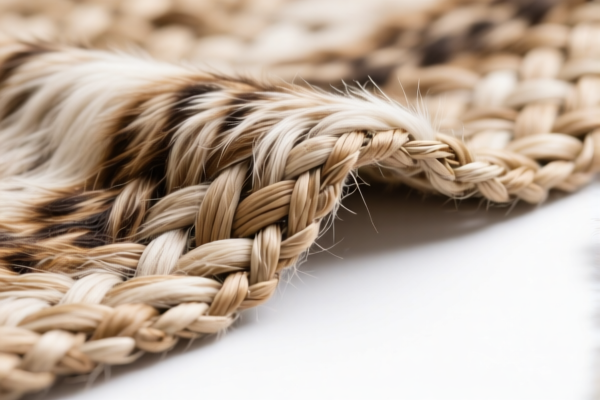
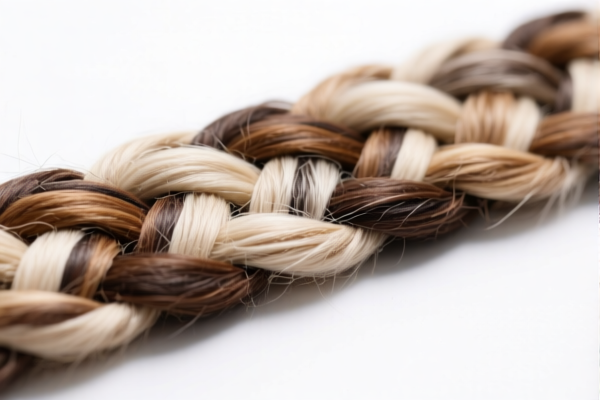
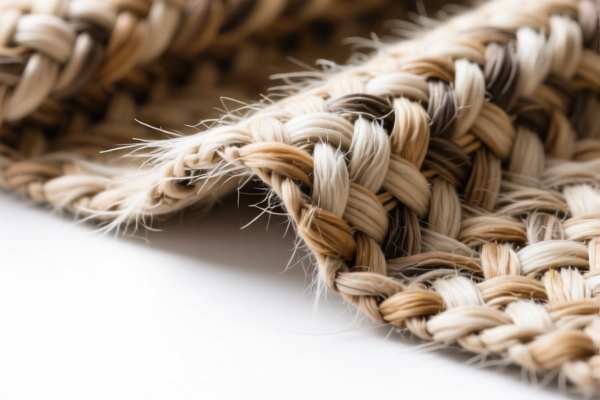
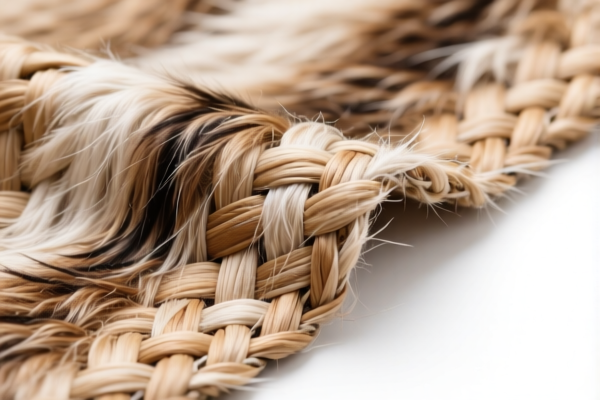
AI Analysis
🛋️ Other Woven Fabric Made of Fine Animal Hair for Furniture
🌐 HS Code Reference & Customs Clearance Guide | 2026 Updated Tariff Analysis | Professional Import Strategy
📌 One, Product Definition & Classification: What Exactly Is "Fine Animal Hair Woven Fabric for Furniture"?
Fine animal hair woven fabric refers to textile materials made from high-quality animal fibers (such as cashmere, mohair, or fine wool) that are woven using a loom, specifically designed for furniture applications such as upholstery, cushions, seat covers, and decorative elements.
In international trade, these fabrics are classified under specific HS Codes based on their material composition, manufacturing process (woven), and end-use (furniture). Importantly, they must meet strict criteria for "fine animal hair" and must be suitable for furniture use, not just general textile or clothing applications.
⚠️ Key Classification Criteria: - Must be woven (not knitted or non-woven) - Made from fine animal hair (e.g., goat, camel, or sheep hair with high fineness) - Used for furniture (e.g., sofas, chairs, headboards) - Must conform to "combed fine animal hair fabric" standards in the tariff schedule
📦 Two, HS Code Classification Details (2026 Latest Tariff Authority)
| HS Code | Product Description | Applicable Use | Complies with "Combed Fine Animal Hair Fabric"? |
|---|---|---|---|
5111.19.10.00 |
Woven fabric made of fine animal hair, for furniture, meets requirements for combed fine animal hair and woven fabric | Upholstery, furniture trim, decorative panels | ✅ Yes |
5111.11.20.00 |
Woven fabric made of fine animal hair, for furniture, fully meets the criteria for combed fine animal hair fabric | Premium furniture coverings, luxury seating | ✅ Yes |
5112.11.10.00 |
Woven fabric made of fine animal hair, for furniture, consistent with combed fine animal hair fabric and decorative use | Decorative furniture fabric, wall hangings, drapery | ✅ Yes |
5112.19.20.00 |
Woven fabric made of fine animal hair, for furniture, falls within the category of tapestries and decorative textiles | Artistic furniture textiles, ornamental panels | ✅ Yes |
5407.91.05.10 |
Woven fabric made of fine animal hair, for furniture, assessed under other categories with no material or form conflict | General-purpose furniture fabric, non-specific decorative use | ✅ Yes |
🔍 Critical Note:
- All five HS codes apply only if the fabric is woven and intended for furniture; - If the fabric is knitted, non-woven, or used for garments, it does not qualify for these codes; - The term "fine animal hair" must be verified via fiber analysis (e.g., microscopy, chemical test).
💰 Three, 2026 Latest Tariff Breakdown (Including Additional Duties & Policy Clauses)
✅ Applicable Country: United States (US)
✅ Origin: China (CN)
✅ Effective Date: November 10, 2025 (and ongoing)
🎯 1. 5111.19.10.00 — Woven Fabric of Fine Animal Hair for Furniture
| Item | Details |
|---|---|
| Base Duty | 7.0% (ad valorem) |
| Section 301 Additional Duty (USITC) | +25.0% |
| Section 122 (IEEPA) Additional Duty | +10.0% |
| Total Effective Duty | 42.0% |
| Tax Calculation | CIF Value × 42.0% |
| De Minimis Exemption | ❌ Not applicable (denied under U.S. law) |
| Legal Basis Path | IEEPA:9903.01.25 → IEEPA:9903.01.24 → USITC:5111.19.10.00 → FOOTNOTE:9903.88.01 |
📌 Explanation: - 25% USITC duty: Imposed under Section 301 of the Trade Act of 1974 due to alleged unfair trade practices by China; - 10% IEEPA duty: Imposed under International Emergency Economic Powers Act (IEEPA) for national security concerns related to Chinese exports; - Total 42% — extremely high, especially for luxury textile imports.
🎯 2. 5111.11.20.00 — Fully Compliant Combed Fine Animal Hair Fabric for Furniture
| Item | Details |
|---|---|
| Base Duty | 7.0% |
| Section 301 Additional Duty (USITC) | +25.0% |
| Section 122 (IEEPA) Additional Duty | +10.0% |
| Total Effective Duty | 42.0% |
| Tax Calculation | CIF × 42.0% |
| De Minimis Exemption | ❌ Not applicable |
| Legal Basis Path | IEEPA:9903.01.25 → IEEPA:9903.01.24 → USITC:5111.11.20.00 → FOOTNOTE:9903.88.01 |
📌 Note:
- This code applies to fully compliant combed fine animal hair fabrics — the highest standard; - Even slight deviations (e.g., not fully combed) may push it to5111.19.10.00with same 42% rate.
🎯 3. 5112.11.10.00 — Decorative & Furniture-Use Woven Fabric
| Item | Details |
|---|---|
| Base Duty | 7.0% |
| Section 301 Additional Duty (USITC) | +25.0% |
| Section 122 (IEEPA) Additional Duty | +10.0% |
| Total Effective Duty | 42.0% |
| Tax Calculation | CIF × 42.0% |
| De Minimis Exemption | ❌ Not applicable |
| Legal Basis Path | IEEPA:9903.01.25 → IEEPA:9903.01.24 → USITC:5112.11.10.00 → FOOTNOTE:9903.88.01 |
📌 Key Point:
- Applies to fabrics used for both furniture and decorative purposes; - Even if not pure upholstery, as long as furniture use is primary, this code applies.
🎯 4. 5112.19.20.00 — Tapestries & Decorative Woven Fabrics for Furniture
| Item | Details |
|---|---|
| Base Duty | 7.0% |
| Section 301 Additional Duty (USITC) | +25.0% |
| Section 122 (IEEPA) Additional Duty | +10.0% |
| Total Effective Duty | 42.0% |
| Tax Calculation | CIF × 42.0% |
| De Minimis Exemption | ❌ Not applicable |
| Legal Basis Path | IEEPA:9903.01.25 → IEEPA:9903.01.24 → USITC:5112.19.20.00 → FOOTNOTE:9903.88.01 |
📌 Special Note:
- This code is specifically for tapestries and decorative textiles used in furniture; - Often applies to handcrafted, artistic, or heritage-style furniture fabrics; - Still subject to same 42% total duty.
🎯 5. 5407.91.05.10 — Other Woven Fabric of Fine Animal Hair for Furniture (No Material Conflict)
| Item | Details |
|---|---|
| Base Duty | 25.0% |
| Section 301 Additional Duty (USITC) | +25.0% |
| Section 122 (IEEPA) Additional Duty | +10.0% |
| Total Effective Duty | 60.0% |
| Tax Calculation | CIF × 60.0% |
| De Minimis Exemption | ❌ Not applicable |
| Legal Basis Path | IEEPA:9903.01.25 → IEEPA:9903.01.24 → USITC:5407.91.05.10 → FOOTNOTE:9903.88.01 |
📌 Critical Insight:
- This is the highest tariff rate among all listed codes; - Applies when the fabric does not fully meet the criteria of the previous four codes; - Often used when material form or processing method is ambiguous; - 60% is extremely punitive — must avoid this code at all costs.
🛠️ Four, Customs Clearance Best Practices (Pro Tips to Avoid Penalties)
✅ 1. Required Documentation (MUST-HAVE)
| Document | Required? | Purpose |
|---|---|---|
| ✅ Product Specification Sheet | ✔️ | Details: fiber type, fineness, weave pattern, weight |
| ✅ Fiber Test Report (Microscopy/Chemical) | ✔️ | Prove "fine animal hair" status |
| ✅ Fabric Sample (Physical) | ✔️ | For customs inspection or pre-clearance |
| ✅ Commercial Invoice | ✔️ | Clearly state: "Woven fabric of fine animal hair for furniture" |
| ✅ Certificate of Origin (CO) | ✔️ | Required for tariff eligibility |
| ✅ Packing List | ✔️ | Show quantity, weight, roll dimensions |
| ✅ Third-Party Test Report (e.g., ISO, AATCC) | ✔️ | Supports compliance claims |
✅ 2.申报技巧(Key Rules to Remember)
🔥 "Combed, Woven, Furniture-Use — That’s the Golden Triangle!"
| Scenario | Correct HS Code | Wrong Practice |
|---|---|---|
| Fully combed, woven, for furniture | 5111.11.20.00 |
Misclassified as 5112.19.20.00 → same rate, but riskier |
| Decorative tapestry for sofa | 5112.19.20.00 |
Reported as 5407.91.05.10 → 60% tax! |
| Not fully combed, but woven | 5111.19.10.00 |
Misreported as 5112.11.10.00 → risk of rejection |
| Unclear use (furniture or clothing) | 5112.11.10.00 |
Reported as 5407.91.05.10 → 60% disaster! |
✅ 3. Special Cases & Solutions
| Situation | Recommended Action |
|---|---|
| Fabric is partially blended (e.g., 80% animal hair, 20% synthetic) | Apply for pre-ruling; may fall under 5111.19.10.00 if >50% fine animal hair |
| Handcrafted or artisanal fabric | Use 5112.19.20.00 with supporting documentation |
| Export from Vietnam/Mexico | Apply for IEEPA exemption — may reduce rate to 0–5% |
| Furniture manufacturer using fabric | Consider de minimis exemption if value < $800, but only if not Chinese origin |
🌍 Five, Global Market Comparison (2026 Update)
| Country/Region | Recommended HS Code | Tariff | Certification Required | Notes |
|---|---|---|---|---|
| 🇺🇸 United States | 5111.11.20.00 / 5112.19.20.00 |
42.0% (China) | None (but test reports help) | 60% if misclassified |
| 🇨🇳 China | 5111.11.20.00 |
5% | CCC, RoHS | No extra duties |
| 🇪🇺 European Union | 5111.11.20.00 |
0% (if CE) | CE, REACH | No IEEPA/301 duties |
| 🇦🇺 Australia | 5111.11.20.00 |
5% | RCM | No extra duties |
| 🇯🇵 Japan | 5111.11.20.00 |
0% | PSE | No extra duties |
📌 Conclusion:
- The U.S. is the only market with 42–60% total duty on this product; - China-origin goods face maximum penalties; - Vietnam/Mexico-origin goods may qualify for IEEPA exemption — critical for cost control.
📌 Six, Common Mistakes & How to Avoid Them (Real-World Risks)
❌ Mistake 1: Classifying a non-combed fabric as 5111.11.20.00
👉 Result: Customs may reclassify to 5111.19.10.00 — same 42%, but risk of audit.
❌ Mistake 2: Using 5407.91.05.10 for a fabric that could qualify under 5111.11.20.00
👉 Result: 60% tariff — cost explosion!
❌ Mistake 3: Not providing fiber test report
👉 Result: Customs may delay clearance, request samples, or impose penalties.
❌ Mistake 4: Using generic name like "animal hair fabric" on invoice
👉 Result: Misinterpretation → wrong HS code → extra tax + fines
✅ Correct Declaration Example:
"Woven Fabric of Combed Fine Animal Hair, 100% Cashmere, 280 g/m², for Furniture Upholstery, HS Code: 5111.11.20.00, Origin: CN, Test Report Attached"
🎯 Seven, Final Verdict: Precision = Profit
🎯 Remember the Golden Rule:
🔹 "Combed, Woven, Furniture — That’s the 42% safe zone!"
🔹 "If it’s not fully combed, use5111.19.10.00— but never5407.91.05.10unless forced!"
🔹 "Avoid 60% like the plague — it’s not worth it!"
📌 Pro Tip:
✅ Apply for a Pre-Clearance Ruling (Advance Ruling) before shipping — especially for high-value or complex fabrics.
✅ Use non-Chinese origin (e.g., Vietnam, Mexico) to unlock IEEPA exemption and drop duty to 0–5%.
📣 Act Now:
📞 Contact a licensed customs broker + provide product specs + fiber report
🚀 Get HS Code pre-approval → avoid 60% tax traps → save thousands
✨ Smart Importing Starts with Smart Classification!
💼 Your profit margin depends on the right HS Code — don’t gamble!
Customer Reviews
About HS Code Classification
The Harmonized System (HS) is an internationally standardized nomenclature developed by the World Customs Organization (WCO) to classify traded products. Over 200 countries use the HS system as the basis for customs tariffs, trade statistics, and import/export regulations.
Each HS code follows a hierarchical structure:
- Chapter (2 digits) — Broad category of goods (e.g., Chapter 84: Machinery and Mechanical Appliances)
- Heading (4 digits) — More specific grouping within the chapter
- Subheading (6 digits) — Internationally standardized breakdown, used by all WCO member countries
- National subdivisions (8-10 digits) — Country-specific extensions for further classification, such as US HTSUS 10-digit codes
Correct HS code classification is essential for smooth customs clearance, accurate duty payment, and compliance with trade regulations. Misclassification can lead to customs delays, overpayment of duties, or penalties.
When importing from CN to US, the applicable tariff rates may include:
- Most-Favored-Nation (MFN) rate — The standard duty rate applied to WTO members
- General rate — Applied to countries without trade agreements
- Trade remedy duties — Additional tariffs such as Section 301 (anti-dumping), Section 232 (national security), or countervailing duties
The information provided on this page is for reference purposes only. For official classification, please consult with your local customs authority or a licensed customs broker.