Outdoor Backpack Chair
CN → US| HS Code | Tariff Rate | Origin | Destination | Doc |
|---|---|---|---|---|
| 6306905000 | 14.5% | CN | US | Official Doc |
| 6306901000 | 13.5% | CN | US | Official Doc |
| 9401790015 | 35.0% | CN | US | Official Doc |
| 9401790011 | 35.0% | CN | US | Official Doc |
| 9506910030 | 22.1% | CN | US | Official Doc |
Product Images
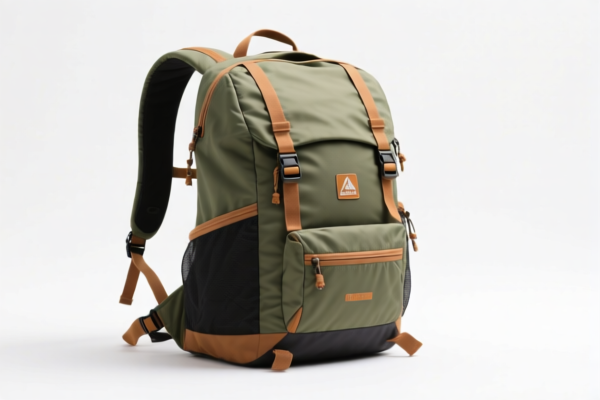
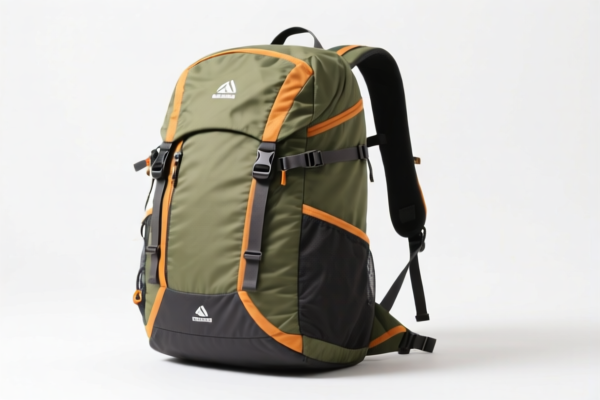
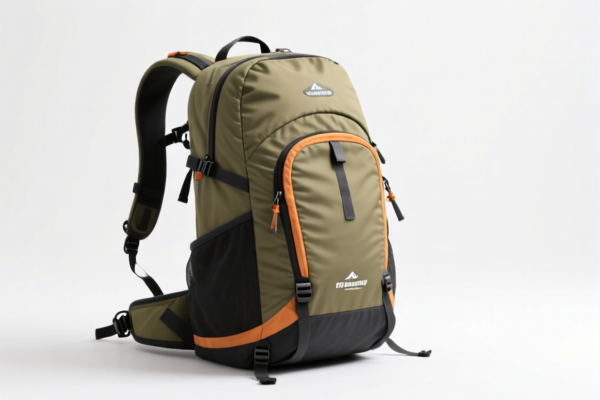
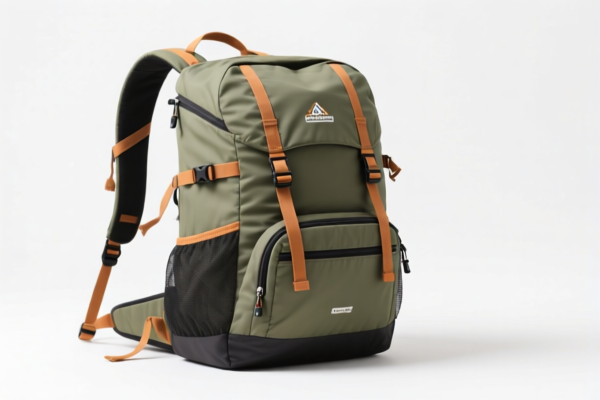
AI Analysis
🎒 Outdoor Backpack Chair: HS Code Classification & Duty Breakdown
🌐 HS Code Reference & Customs Clearance Guide | 2026 Latest Tariff Analysis | Professional Strategy
📌 I. Product Definition & Classification: Do You Really Understand the "Outdoor Backpack Chair"?
An Outdoor Backpack Chair is a portable, collapsible seating solution designed for outdoor activities (camping, hiking, festivals). In international trade, its classification depends heavily on its primary material, structure, and intended function. It is not a single fixed category but rather a "borderline" product that can fall into different Harmonized System (HS) codes based on specific design features.
⚠️ Key Distinction Point:
- Is it primarily a textile/canvas accessory (bag-like structure)? → Chapter 63
- Is it primarily a furniture seat (rigid frame + cushion)? → Chapter 94
- Is it primarily a sports/recreation accessory (collapsible gear)? → Chapter 95
📦 II. HS Code Classification Details (2026 Latest Tariff Authority Comparison)
| HS Code | Product Description | Applicability Scenario | Material/Structure Focus |
|---|---|---|---|
6306.90.50.00 |
Tarpaulins, Sacks and Similar Articles, of Textile Materials: Other (Classified as "Other Camping Articles of Textile Materials") |
Lightweight, foldable chair made primarily of fabric/canvas; minimal rigid frame. | ✅ Textile/Canvas dominant |
6306.90.10.00 |
Tarpaulins, Sacks and Similar Articles, of Textile Materials: Other (Classified as "Other Camping Articles of Cotton") |
Similar to above, but specifically if the main fabric is Cotton or cotton-dominant. | ✅ Cotton dominant |
9401.79.00.15 |
Seats with Upholstery or Cushions: Other, with Upholstery or Cushion (Classified as "Outdoor Seating with Upholstery or Cushion") |
Chair has a sturdy frame (metal/plastic) + cushion/upholstery. Treated as furniture. | ✅ Furniture/Frame dominant |
9401.79.00.11 |
Seats with Upholstery or Cushions: Other (Classified as "Outdoor Seating with Upholstery or Cushion") |
Same as above, specific sub-category for outdoor seats with upholstery. | ✅ Furniture/Frame dominant |
9506.91.00.30 |
Articles and Equipment for General Physical Exercise...: Other (Classified as "Other Portable Equipment for Outdoor Games/Sports") |
Marketed specifically as "sports gear" or "camping accessory" rather than furniture. | ✅ Sporting Good focus |
🔍 Critical Reminder:
- Chapter 94 (Furniture) attracts significantly higher tariffs due to the "Add-on Tariff" (Section 301/122) on steel/aluminum/plastic components.
- Chapter 63/95 (Textiles/Sports) may have lower base rates but still face additional duties.
- Do not split shipment: A chair is considered one unit. Do not ship frame and seat separately to avoid misclassification penalties.
💰 III. 2026 Latest Tariff Rate Details (Including Surtaxes & Policy Surcharges)
✅ Applicable Country: United States (US)
✅ Origin: China (CN)
✅ Effective Time: 2025-11-10 onwards (inclusive of subsequent imports)
🎯 1. 6306.90.50.00 — Other Camping Articles of Textile Materials
| Item | Details |
|---|---|
| Base Tariff | 4.5% |
| Section 301 Add-on | 0.0% (No additional 25% surtax for textile camping gear in this sub-category) |
| Section 122 Tariff | +10% (New tariff under 122 provisions for certain textile items) |
| Total Tax Rate | 14.5% |
| Tax Calculation | CIF Value × 14.5% |
| De Minimis Exemption? | ❌ No (Section 122 tariffs typically override de minimis for China-origin goods) |
| Legal Path | HTSUS:6306.90.50.00 → Section 122: 10% |
📌 Interpretation:
- This is one of the lower tax options for backpack chairs.
- The 10% "Section 122" tariff applies to certain textile articles.
- No 25% Section 301 makes this much more favorable than furniture classifications.
🎯 2. 6306.90.10.00 — Other Camping Articles of Cotton
| Item | Details |
|---|---|
| Base Tariff | 3.5% |
| Section 301 Add-on | 0.0% |
| Section 122 Tariff | +10% |
| Total Tax Rate | 13.5% |
| Tax Calculation | CIF Value × 13.5% |
| De Minimis Exemption? | ❌ No |
| Legal Path | HTSUS:6306.90.10.00 → Section 122: 10% |
📌 Interpretation:
- Slightly lower base rate (3.5%) if the material is 100% cotton or cotton-dominant.
- Still subject to the 10% Section 122 tariff.
- Total 13.5% is the most cost-effective classification if material criteria are met.
🎯 3. 9401.79.00.15 & 9401.79.00.11 — Outdoor Seating with Upholstery/Cushion
| Item | Details |
|---|---|
| Base Tariff | 0.0% |
| Section 301 Add-on | +25.0% (Heavy surtax on furniture with metal/plastic parts) |
| Section 122 Tariff | +10% |
| Total Tax Rate | 35.0% |
| Tax Calculation | CIF Value × 35.0% |
| De Minimis Exemption? | ❌ No |
| Legal Path | HTSUS:9401.79.00.15/11 → Section 301: 25% → Section 122: 10% |
📌 Critical Warning:
- Highest Risk Category.
- Although base duty is 0%, the 25% Section 301 surtax is applied because the chair is classified as furniture (likely due to rigid frame components).
- Plus 10% Section 122.
- Total 35% is significantly higher than textile classifications.
🎯 4. 9506.91.00.30 — Other Portable Equipment for Outdoor Games/Sports
| Item | Details |
|---|---|
| Base Tariff | 4.6% |
| Section 301 Add-on | +7.5% (Specific surtax for this sporting good category) |
| Steel/Aluminum/Copper Add-on | +50% (If significant metal content triggers this clause) |
| Section 122 Tariff | +10% |
| Total Tax Rate | 22.1% (Note: Base + 7.5 + 10 = 22.1%; Metal add-on is additional if applicable) |
| Tax Calculation | CIF Value × 22.1% (or higher if metal add-on applies) |
| De Minimis Exemption? | ❌ No |
| Legal Path | HTSUS:9506.91.00.30 → Section 301: 7.5% → Section 122: 10% |
📌 Interpretation:
- Mid-range option.
- If the chair is heavily constructed with steel, aluminum, or copper, the 50% metal surtax may apply, pushing the total significantly higher.
- If primarily fabric/plastic, 22.1% applies.
- Requires careful justification as "sports equipment" rather than "furniture."
🛠️ IV. Customs Clearance Practical Advice (Avoid Pitfalls)
✅ 1. Preparation Checklist (Non-negotiable)
| Document | Required? | Explanation |
|---|---|---|
| ✅ Product Specifications | ✔️ | Must detail: Material (e.g., 600D Polyester, Aluminum Frame), Weight, Dimensions, Folded Size. |
| ✅ Material Composition | ✔️ | Crucial for distinguishing 6306.90.10 (Cotton) vs. 6306.90.50 (Other Textile). |
| ✅ Photos (Unfolded & Folded) | ✔️ | Show frame structure. Rigid frames push towards 9401 (Furniture). |
| ✅ Commercial Invoice | ✔️ | Clearly state: "Portable Outdoor Camping Chair, Collapsible, Textile & Metal Frame." |
| ✅ Origin Certificate | ✔️ | Confirm China origin to apply accurate surtaxes. |
| ✅ Marketing Materials | ✔️ | Use of terms like "Sporting Accessory" vs. "Garden Furniture" influences HS code selection. |
✅ 2. Declaration Strategy (Key Tips)
🔥 "Material Defines Duty, Frame Defines Category, Name Defines Risk!"
| Scenario | Recommended HS Code | Tax Rate | Reasoning |
|---|---|---|---|
| Lightweight, Fabric-Heavy Chair | 6306.90.10.00 (if Cotton) or 6306.90.50.00 |
13.5% or 14.5% | Best for tax efficiency. Emphasize "Textile Camping Accessory." |
| Sturdy, Rigid Frame Chair | 9401.79.00.15 or 9401.79.00.11 |
35.0% | High risk. Only use if no other classification fits. Expect audits. |
| Sports-Marketed Collapsible Chair | 9506.91.00.30 |
22.1% (or +50% if metal) | Mid-risk. Must prove "sports/recreation" use, not general seating. |
📌 Warning:
- Do not misclassify a furniture chair as a "textile bag" (6306) to avoid 35% duty. US Customs (CBP) frequently audits these.
- If the chair has a rigid aluminum frame, CBP will likely reclassify it to9401(Furniture) regardless of your declaration, leading to back taxes + penalties.
✅ 3. Special Cases & Solutions
| Situation | Handling Advice |
|---|---|
| Mixed Materials | If frame is plastic and seat is fabric → Still likely 6306 if lightweight. If frame is metal → Likely 9401 or 9506. |
| Packaged with Accessories | If sold with a carry bag, declare as one unit. Do not split. |
| Custom/OEM Design | Provide design specs showing lightweight, portable nature to support 6306 or 9506 classification. |
| High Metal Content | If using steel/aluminum frame, expect Section 301 + 122 + Potential Metal Surtax. Factor 35-85% into cost. |
🌍 V. Global Market Comparison (2026 Latest)
| Market | Recommended HS Code | Est. Duty Rate | Key Certification | Note |
|---|---|---|---|---|
| 🇺🇸 USA | 6306.90.50.00 |
14.5% | None specific | Lowest duty for textile chairs. Avoid 9401. |
| 🇺🇸 USA | 9401.79.00.15 |
35.0% | None specific | High duty due to Section 301 on furniture. |
| 🇪🇺 EU | 9401.79.00 |
0-4.5% | CE, REACH | EU does not apply Section 301. Lower total cost. |
| 🇨🇳 China | 9401.79.00 |
0-8% | CCC (if applicable) | Low duty for domestic sales. |
| 🇬🇧 UK | 9401.79.00 |
0-4.5% | UKCA | Post-Brexit rules apply. |
📌 Conclusion:
- USA is the most challenging market due to Section 301 and 122 tariffs on furniture and textiles.
- Strategy: If possible, design chairs to fit Chapter 63 (Textile/Camping) or Chapter 95 (Sports) rather than Chapter 94 (Furniture) to save 20%+ in duties.
📌 VI. Common Mistakes & Pitfalls (Lessons Learned)
❌ Mistake 1: Declaring a rigid metal-frame chair as a "Textile Bag" (6306)
👉 Consequence: CBP reclassifies to 9401 → 35% duty + penalties + delay.
❌ Mistake 2: Ignoring Section 122 Tariff
👉 Consequence: Assuming 0% or only Section 301 → Underpayment of 10%.
❌ Mistake 3: Using "Chair" in description for 6306 classification
👉 Consequence: Use terms like "Camping Accessory," "Collapsible Seat," or "Portable Hammock" to support textile classification.
❌ Mistake 4: Overlooking Metal Surtax in 9506
👉 Consequence: If chair has steel frame, expect +50% on metal value → Unexpected cost spike.
✅ Correct Approach:
"Portable Camping Chair, Collapsible, 600D Polyester Seat, Aluminum Frame, Foldable Design, Model XYZ"
🎯 VII. Conclusion: Strategic Classification for Profit Protection
🎯 Key Takeaways:
🔹 "Textile First, Furniture Last" → Aim for
6306.90.50.00(14.5%) or6306.90.10.00(13.5%) if design allows.
🔹 "Furniture is Expensive" →9401leads to 35% duty. Avoid unless necessary.
🔹 "Sports Category is Middle Ground" →9506.91.00.30at 22.1%, but watch out for metal surtaxes.
📌 Pro Tip:
For US imports, pre-classification with a customs broker is highly recommended. Submit photos, specs, and material breakdowns for a Binding Ruling if shipment volume is high.
💡 Cost-Saving Idea: If selling to the EU/UK, classify under9401(0-4.5%) to save significant costs compared to the US.
📣 Immediate Action:
📞 Consult a Customs Broker to review your chair's frame material and fabric composition.
📄 Update your Commercial Invoice with precise HS Code and product description.
🚀 Minimize Duty Burden by choosing the right classification from day one!
✨ Smart Classification = Higher Margins!
💼 Don’t let 35% duty eat your profits. Optimize for 14.5%.
Customer Reviews
About HS Code Classification
The Harmonized System (HS) is an internationally standardized nomenclature developed by the World Customs Organization (WCO) to classify traded products. Over 200 countries use the HS system as the basis for customs tariffs, trade statistics, and import/export regulations.
Each HS code follows a hierarchical structure:
- Chapter (2 digits) — Broad category of goods (e.g., Chapter 84: Machinery and Mechanical Appliances)
- Heading (4 digits) — More specific grouping within the chapter
- Subheading (6 digits) — Internationally standardized breakdown, used by all WCO member countries
- National subdivisions (8-10 digits) — Country-specific extensions for further classification, such as US HTSUS 10-digit codes
Correct HS code classification is essential for smooth customs clearance, accurate duty payment, and compliance with trade regulations. Misclassification can lead to customs delays, overpayment of duties, or penalties.
When importing from CN to US, the applicable tariff rates may include:
- Most-Favored-Nation (MFN) rate — The standard duty rate applied to WTO members
- General rate — Applied to countries without trade agreements
- Trade remedy duties — Additional tariffs such as Section 301 (anti-dumping), Section 232 (national security), or countervailing duties
The information provided on this page is for reference purposes only. For official classification, please consult with your local customs authority or a licensed customs broker.