Outdoor Key Box
CN → US| HS Code | Tariff Rate | Origin | Destination | Doc |
|---|---|---|---|---|
| 8301300090 | 23.2% | CN | US | Official Doc |
| 8301406030 | 23.2% | CN | US | Official Doc |
| 7326903500 | 92.8% | CN | US | Official Doc |
| 7326908688 | 87.9% | CN | US | Official Doc |
Product Images
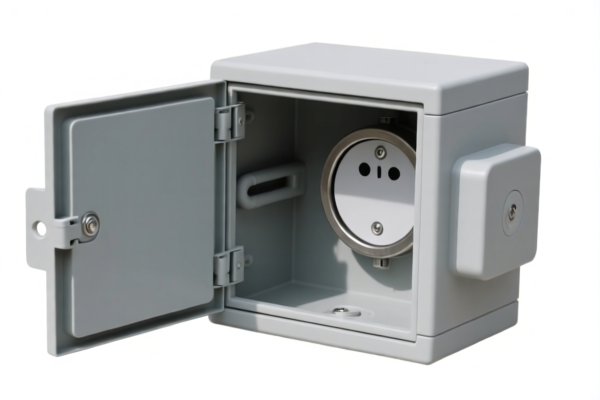
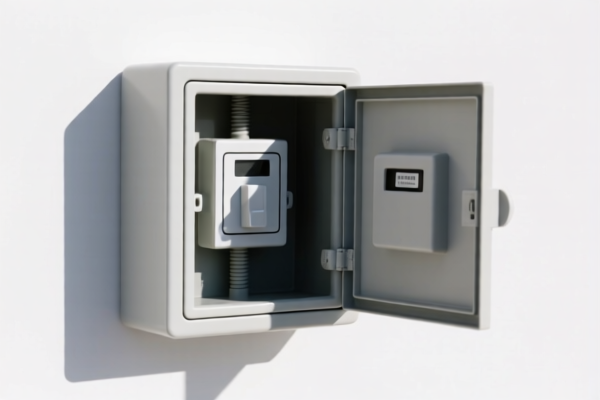
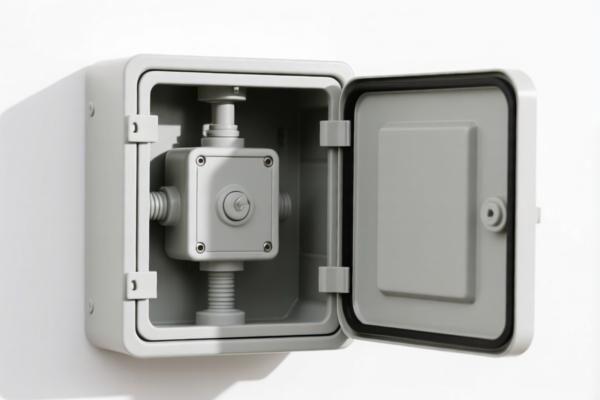
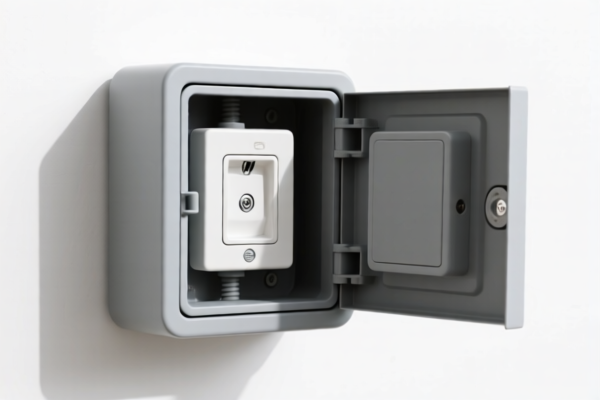
AI Analysis
🔐 Outdoor Key Box (Metal Key Safe)
🌐 HS Code Reference & Customs Clearance Guide | 2024/2025 Latest Tariff Analysis | Strategic Import Strategy
📌 I. Product Definition & Classification: Do You Truly Understand the "Key Box"?
An Outdoor Key Box is a secure storage container designed for temporary or permanent key dispensing in residential, commercial, or industrial settings. In international trade, its classification depends heavily on its primary function and material composition. It generally falls into two broad categories:
1. Locks/Fasteners (Chapter 83): If the primary function is viewed as a locking mechanism for doors/furniture, it may be classified under "Locks."
2. Containers/Articles (Chapter 73): If the primary function is viewed as a metal container for holding items (keys), it may be classified under "Articles of Iron or Steel."
⚠️ Critical Distinction:
- If classified as a Lock (Ch 83): Lower base tariff, but still subject to Section 301/122 duties.
- If classified as a Metal Container (Ch 73): Higher base tariff, and potentially higher Section 301/122 duties due to "Steel/Aluminum/Copper Articles" surcharges.
- Misclassification Risk: Declaring a steel key box as a "lock" to save taxes is high-risk if customs determines the container aspect is dominant.
📦 II. HS Code Classification Details (Based on Provided Data)
The following analysis is strictly based on the provided <DATA> content. Note that there are four distinct classifications for "Outdoor Key Box" in the data, ranging from ~23% to ~93% total tax.
| HS Code | Product Description (Summary) | Material/Type | Total Tax Rate |
|---|---|---|---|
8301.30.00.90 |
Outdoor Key Box, Metal Material, Falls under "Other Furniture Locks" | Metal (General) | 23.2% |
8301.40.60.30 |
Outdoor Key Box, Purpose: Outdoor Lock, For Indoor/Outdoor Doors | Base Metal (Door Lock Context) | 23.2% |
7326.90.35.00 |
Outdoor Key Box, Material: Iron/Steel, Form: Container for personal carry/pocket | Iron or Steel | 92.8% |
7326.90.86.88 |
Outdoor Key Box, Material: Iron/Steel, Form: Other Metal Articles | Iron or Steel | 87.9% |
🔍 Key Insight:
- Lowest Tax Bracket (23.2%): HS Codes8301.30.00.90and8301.40.60.30classify the item as a LOCK. This is significantly cheaper than classifying it as a METAL CONTAINER (7326...).
- Highest Tax Bracket (~90%): HS Codes7326.90.35.00and7326.90.86.88classify the item as a METAL ARTICLE/CONTAINER. The data explicitly states "Steel/Aluminum/Copper Articles add 50% tariff," which drives the cost up drastically.
- Strategy: To minimize duty, importers often argue for classification under Chapter 83 (Locks) if the locking mechanism is the primary feature, rather than Chapter 73 (Containers). However, this must be justified by product design and marketing.
💰 III. 2024/2025 Latest Tariff Rate Details (Detailed Breakdown)
✅ Applicable Country: United States (US)
✅ Origin: China (CN)
✅ Effective Time: Current Trade Policy (Section 301, 122, etc.)
🎯 1. 8301.30.00.90 & 8301.40.60.30 — Classified as Locks
(These two codes share the same tax structure in the data)
| Item | Content |
|---|---|
| Base Tariff | 5.7% |
| Section 301 Surcharge | 7.5% |
| Section 122 Surcharge | 10% |
| Total Tariff | 23.2% |
| Tax Calculation | CIF Value × 23.2% |
| Legal Basis | Standard USITC duties + Section 301 (China-specific) + Section 122 (National Security) |
📌 Explanation:
- Base (5.7%): Standard Most Favored Nation (MFN) rate for locks.
- Section 301 (7.5%): Additional duty on Chinese goods under Trade Act Section 301.
- Section 122 (10%): Duty imposed under Section 122 of the Trade Act of 1974, often used for national security or balance of payments reasons.
- No "Steel/Aluminum" Surcharge: Since these are classified as "Locks" (Ch 83), they avoid the additional 50% surcharge applied to steel articles in Chapter 73.
🎯 2. 7326.90.35.00 — Classified as Steel Container
| Item | Content |
|---|---|
| Base Tariff | 7.8% |
| Section 301 Surcharge | 25.0% |
| Section 122 Surcharge | 10% |
| Steel/Aluminum/Copper Surcharge | 50% |
| Total Tariff | 92.8% |
| Tax Calculation | CIF Value × 92.8% |
| Legal Basis | USITC:7326.90.35.00 + Section 301 + Section 122 + Steel/Aluminum Section 232/Trade Act Surcharge |
📌 Explanation:
- Base (7.8%): Higher base rate for other articles of iron/steel.
- Section 301 (25.0%): Standard 25% duty on many Chinese steel products.
- Section 122 (10%): Additional 10% duty.
- Steel Surcharge (50%): CRITICAL! The data states "Steel, Aluminum, Copper Articles add 50% tariff." This pushes the total cost to nearly double the CIF value.
- Result: Extremely high duty. Importers should avoid this classification if possible.
🎯 3. 7326.90.86.88 — Classified as Other Steel Article
| Item | Content |
|---|---|
| Base Tariff | 2.9% |
| Section 301 Surcharge | 25.0% |
| Section 122 Surcharge | 10% |
| Steel/Aluminum/Copper Surcharge | 50% |
| Total Tariff | 87.9% |
| Tax Calculation | CIF Value × 87.9% |
| Legal Basis | USITC:7326.90.86.88 + Section 301 + Section 122 + Steel/Aluminum Section 232/Trade Act Surcharge |
📌 Explanation:
- Base (2.9%): Lower base rate for "Other" metal articles, but the surcharges kill the advantage.
- Same Surcharges as Above: The 25% (301) + 10% (122) + 50% (Steel) surcharges apply, resulting in a total of 87.9%.
- Comparison: Slightly cheaper than7326.90.35.00(92.8%) due to a lower base rate (2.9% vs 7.8%), but still prohibitively expensive compared to the "Lock" classification.
🛠️ IV. Customs Clearance Practical Advice (Avoid Pitfalls)
✅ 1. Pre-Import Strategy: Fight for Chapter 83 (Locks)
Goal: Classify under 8301.30.00.90 or 8301.40.60.30 to achieve 23.2% total tax instead of ~90%.
How to Justify: - Emphasize Function: Highlight that the locking mechanism is the primary feature. The box is merely an accessory to the lock. - Marketing Materials: Use terms like "Secure Locking System," "Tamper-Resistant Lock," rather than "Storage Container." - Design Features: If the key box has a complex locking mechanism (e.g., combination dial, biometric scanner, electronic keypad), argue it is an "Electronic Lock" or "Mechanical Lock," not just a tin box. - HS Code Pre-Ruling: Apply for an Advance Ruling (Ruling Letter) from U.S. Customs and Border Protection (CBP) before shipment. This provides legal certainty.
✅ 2. Documentation Checklist
| Document | Requirement | Note |
|---|---|---|
| Commercial Invoice | Clearly state "Key Lock Box" or "Security Lock" | Avoid "Storage Box" or "Container" if possible. |
| Product Description | Detail the locking mechanism (e.g., "Combination Lock," "Keyed Lock") | Provide technical specs of the lock. |
| Photos | Show the lock mechanism clearly | Ensure the lock is the focal point. |
| Structure Diagram | Show that the box is integral to the lock assembly | Prove it is not a standalone container. |
| Certificate of Origin | Required for China-origin goods | To determine eligibility for Section 301/122. |
✅ 3. Common Mistakes & Pitfalls
❌ Mistake 1: Declaring the product as a "Metal Storage Box" (7326...)
👉 Consequence: You pay 87.9% - 92.8% in tariffs.
✅ Fix: Re-classify as a Lock (8301...) if legally defensible.
❌ Mistake 2: Splitting the shipment (Lock + Box separately)
👉 Consequence: If the box is declared separately as a "Metal Article," it may still attract high tariffs. If the lock is declared separately, it might be cheaper, but CBP may assess them as a "set."
✅ Fix: Import as a single unit with the lock as the primary function.
❌ Mistake 3: Ignoring Section 122 and Steel Surcharges
👉 Consequence: Unexpected duty spikes. The data shows Section 122 (10%) is applied to all categories in the data.
✅ Fix: Budget for at least 10% for Section 122, plus either 7.5% (Locks) or 75%+ (Steel Articles).
✅ 4. Special Cases
| Scenario | Advice |
|---|---|
| Biometric/Electronic Key Box | Stronger argument for Chapter 83 (Locks) as it is an electronic security device. |
| Simple Metal Box with Padlock | Risky. CBP may see the box as the main article. Provide evidence that the box is designed specifically for the lock. |
| Custom Branded Boxes | Ensure branding does not emphasize "Storage" over "Security/Locking." |
🌍 V. Global Market Comparison (2024/2025)
| Country/Region | Recommended HS Code (Best Case) | Total Tariff (China Origin) | Notes |
|---|---|---|---|
| 🇺🇸 USA | 8301.40.60.30 (Lock) |
23.2% | Avoid 7326 (Steel) at all costs. |
| 🇺🇸 USA | 7326.90.86.88 (Steel Art.) |
87.9% | Only if classified as a container. |
| 🇨🇳 China | Varies | ~5-10% | Import duties may differ. |
| 🇪🇺 EU | 8301.40 (Locks) | ~4.5% | No Section 301/122. |
📌 Conclusion:
- The US is the most expensive market due to Section 301 and 122 duties.
- Classification is Everything: The difference between 23.2% and 87.9% is $64.7 per $100 of goods.
- Action: Always argue for Chapter 83 (Locks) for key boxes with functional locking mechanisms.
📌 VI. FAQ: Why So Much Difference in Tax Rates?
Q: Why is 8301.40.60.30 only 23.2% while 7326.90.86.88 is 87.9%?
A:
- 8301... is classified as a LOCK. The steel surcharge (50%) does not apply. The duties are: Base (5.7%) + Sec 301 (7.5%) + Sec 122 (10%) = 23.2%.
- 7326... is classified as a STEEL ARTICLE. The steel surcharge (50%) does apply. The duties are: Base (2.9%) + Sec 301 (25%) + Sec 122 (10%) + Steel Surcharge (50%) = 87.9%.
Q: Can I use 7326.90.86.88 instead of 7326.90.35.00 to save tax?
A: Yes, if your product fits the description. 7326.90.86.88 has a lower base rate (2.9% vs 7.8%), resulting in 87.9% vs 92.8%. However, both are much higher than the Lock classification.
Q: Is Section 122 always 10%?
A: According to the provided data, Yes, Section 122 (10%) is applied to all four HS Codes listed. This is likely due to specific trade policy measures in effect at the time of the data generation.
🎯 VII. Conclusion: Professional Classification Saves Money!
🎯 Remember the Golden Rule:
🔹 "Locks pay less, Steel pays more!"
🔹 23.2% vs 87.9% = Huge Savings!
🔹 Argue for Chapter 83 (Locks) if the locking mechanism is primary.
📌 Pro Tip:
If your key box has electronic components (e.g., digital keypad, Bluetooth), emphasize its function as an "Electronic Security Lock" to support Chapter 83 classification. Provide technical manuals that focus on the locking mechanism, not the storage capacity.
📣 Immediate Action:
📞 Consult a Customs Broker: Request a Ruling Letter from CBP for HS Code
8301.40.60.30or8301.30.00.90.
📄 Update Product Descriptions: Ensure invoices describe the item as a "Key Lock" or "Security Lock Box," not a "Storage Container."
🚀 Avoid Misclassification: Do not accept7326...codes unless the product is a simple, non-locking metal box.
✨ Accurate Classification, Lower Duties, Smoother Clearance!
💼 Every Dollar Saved on Tariffs is Profit Added!
Customer Reviews
About HS Code Classification
The Harmonized System (HS) is an internationally standardized nomenclature developed by the World Customs Organization (WCO) to classify traded products. Over 200 countries use the HS system as the basis for customs tariffs, trade statistics, and import/export regulations.
Each HS code follows a hierarchical structure:
- Chapter (2 digits) — Broad category of goods (e.g., Chapter 84: Machinery and Mechanical Appliances)
- Heading (4 digits) — More specific grouping within the chapter
- Subheading (6 digits) — Internationally standardized breakdown, used by all WCO member countries
- National subdivisions (8-10 digits) — Country-specific extensions for further classification, such as US HTSUS 10-digit codes
Correct HS code classification is essential for smooth customs clearance, accurate duty payment, and compliance with trade regulations. Misclassification can lead to customs delays, overpayment of duties, or penalties.
When importing from CN to US, the applicable tariff rates may include:
- Most-Favored-Nation (MFN) rate — The standard duty rate applied to WTO members
- General rate — Applied to countries without trade agreements
- Trade remedy duties — Additional tariffs such as Section 301 (anti-dumping), Section 232 (national security), or countervailing duties
The information provided on this page is for reference purposes only. For official classification, please consult with your local customs authority or a licensed customs broker.